
Last updated on March 21st, 2026 at 03:51 pm
Most “low cholesterol” dinners fail because they forget one basic thing: people still want dinner to taste like dinner, not like a punishment on a plate. If the food feels bland, dry, or weirdly restrictive, nobody sticks with it for more than a week.
The good news is you can absolutely eat in a heart-friendlier way without giving up comfort food vibes. You just need the right swaps and a few smart cooking habits that make healthy meals feel normal again.
I’ve made plenty of “healthy dinners” that tasted like sadness, so trust me… we’re not doing that here.
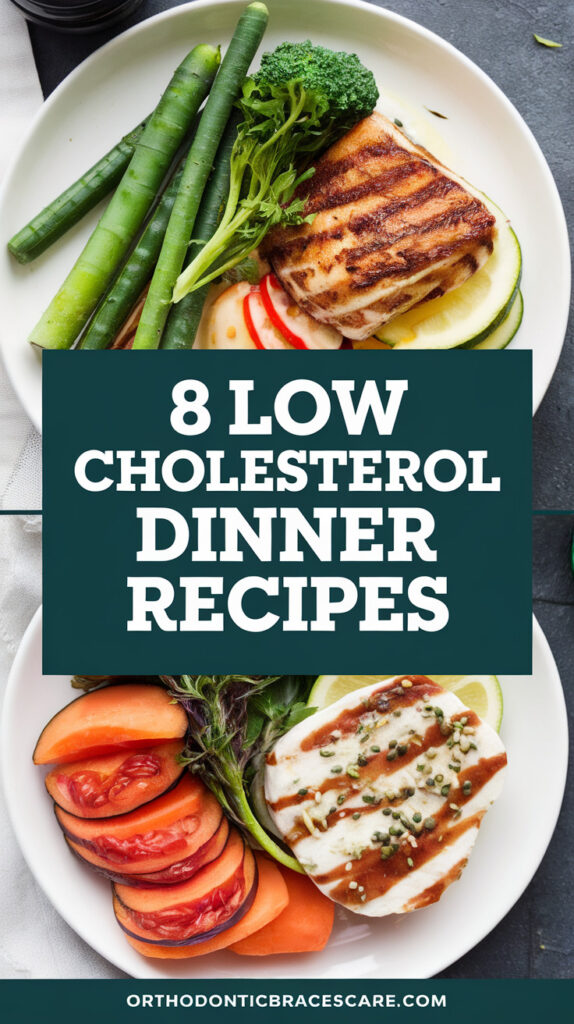
1. Lemon Garlic Salmon with Roasted Vegetables
A lot of people assume salmon is automatically “healthy,” but then they drown it in butter and serve it with creamy potatoes, and suddenly the whole dinner becomes a cholesterol party.
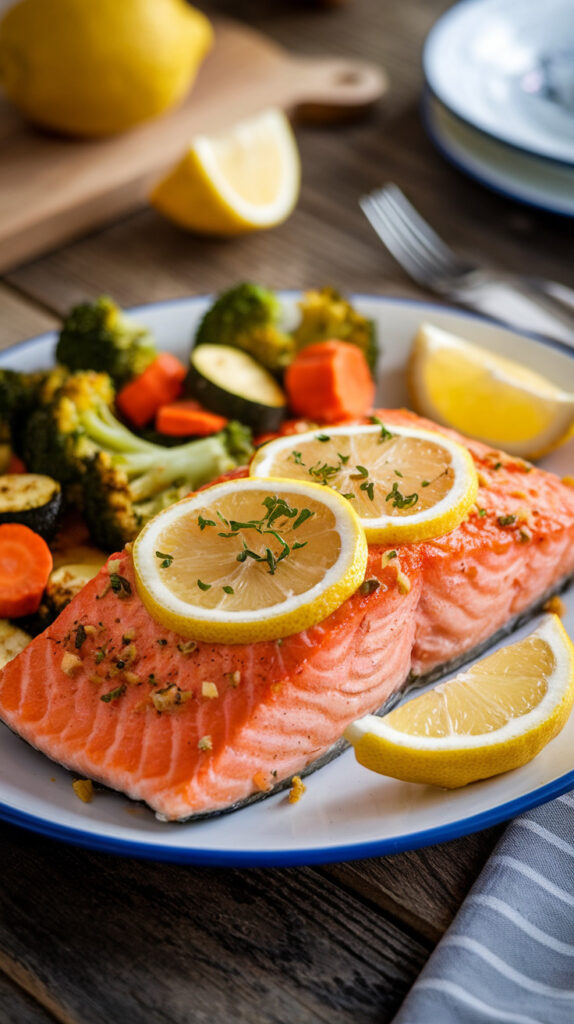
This version keeps everything clean and simple while still tasting like something you’d order at a decent restaurant. The lemon and garlic do the heavy lifting, and roasting the vegetables adds natural sweetness without needing anything fancy.
I started making this meal on busy nights because it’s basically foolproof. It looks impressive, but it’s secretly lazy cooking in the best way.
Why This Works
Salmon is naturally rich in omega-3 fatty acids, which support heart health and help balance out your overall fat intake. Pairing it with roasted vegetables gives you fiber and nutrients without relying on heavy sauces or fried sides.
The lemon also matters more than people realize because it brightens the flavor so you don’t feel like you need extra salt or butter. It’s one of those simple meals that feels “light” but still fills you up.
How to Do It
- Preheat your oven to 400°F (200°C) so the veggies roast instead of steaming.
- Chop vegetables like broccoli, zucchini, bell peppers, or carrots into even-sized pieces for consistent cooking.
- Toss veggies with olive oil, garlic powder, black pepper, and a pinch of salt.
- Place salmon fillets on a baking sheet and top with minced garlic, lemon slices, and a drizzle of olive oil.
- Roast everything for about 15–18 minutes, until salmon flakes easily and veggies have browned edges.
- Finish with fresh lemon juice right before serving for extra flavor pop.
Style & Design Tips
If you want this dinner to look fancy, roast your vegetables in separate sections instead of mixing them all together. It makes the plate look intentional, like you planned it instead of panic-cooking.
Avoid overcooking salmon because dry salmon is basically edible disappointment. Keep it juicy, and let the lemon and garlic create the flavor instead of relying on heavy seasoning blends.
Pro Tip or Budget Hack
Buy frozen salmon fillets when they’re on sale. They roast beautifully straight from the fridge after thawing, and you’ll save a ton compared to fresh seafood prices.
If you want to stretch the meal, serve it over brown rice or quinoa, and suddenly you’ve got leftovers that still taste good the next day.
2. Turkey and Veggie Stir-Fry with Brown Rice
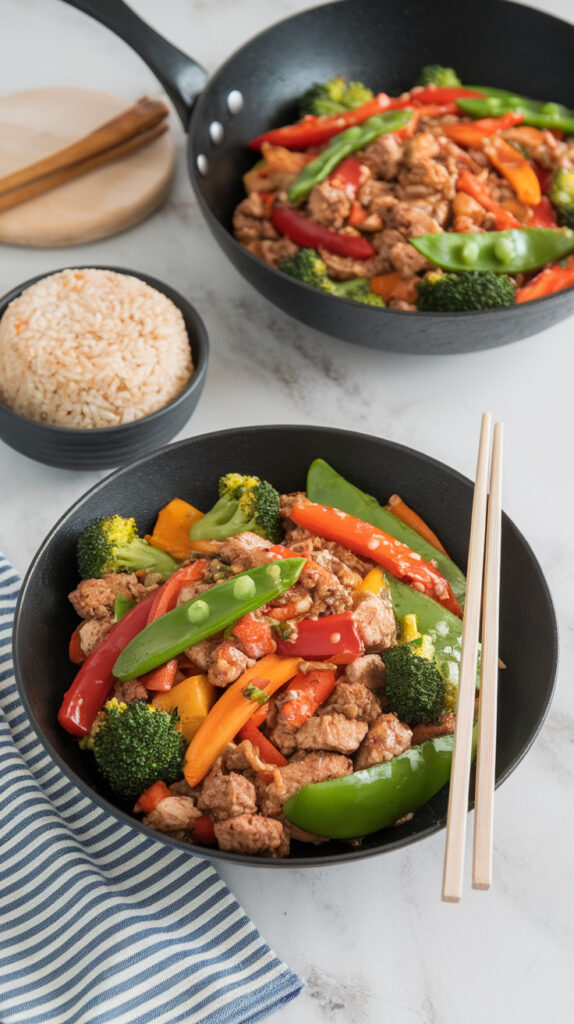
Most stir-fries get unhealthy because people use sugary bottled sauces or cook everything in way too much oil. This one keeps things light but still gives you that classic takeout-style satisfaction. Lean ground turkey cooks fast, and the vegetables soak up all the flavor like they were meant to be there.
I started doing this when I realized I could make a stir-fry in less time than it takes to wait for delivery. Plus, you can throw in whatever vegetables are sitting in your fridge looking sad.
Why This Works
Lean turkey is a great protein option because it’s lower in saturated fat than beef. The fiber from the vegetables and brown rice helps support digestion and may help manage cholesterol levels naturally.
The stir-fry method is also smart because you get strong flavor from quick cooking, not from heavy sauces. It’s basically high-impact cooking with minimal effort.
How to Do It
- Cook brown rice first since it takes longer, or use leftover rice for faster prep.
- Heat a tablespoon of olive oil in a large pan or wok.
- Add ground turkey and cook until browned, breaking it up as it cooks.
- Toss in chopped vegetables like bell peppers, snap peas, broccoli, and carrots.
- Add low-sodium soy sauce, minced garlic, ginger, and a splash of rice vinegar.
- Stir constantly for 5–7 minutes until veggies soften but still have crunch.
- Serve over brown rice and top with sesame seeds if you want extra flair.
Style & Design Tips
Cut your veggies in different shapes to make the dish look more interesting. Thin carrot strips and chunky bell pepper pieces give the plate more texture and a more “restaurant” vibe.
Don’t overcook the vegetables because mushy stir-fry is just sad. Keep them bright, crisp, and colorful so the meal feels fresh and balanced.
Pro Tip or Budget Hack
Use frozen stir-fry veggie blends when you’re short on time. They’re cheap, they last forever, and they work shockingly well.
If you want extra protein without extra cost, toss in a can of rinsed chickpeas near the end for a little bonus fiber boost.
3. Chickpea and Spinach Curry with Basmati Rice
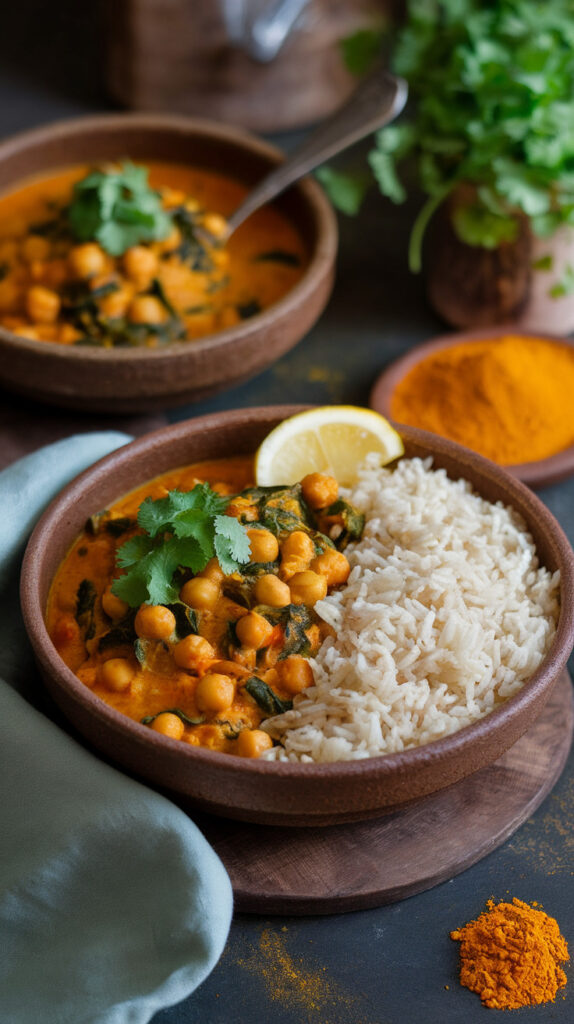
This is one of those dinners that feels like comfort food but quietly checks all the healthy boxes. Chickpeas are hearty enough to replace meat, and spinach cooks down into the sauce so you barely notice you’re eating something green. The curry spices do all the flavor work, which means you don’t need cream, butter, or anything heavy.
I’ll be honest, I used to think vegetarian curry sounded boring. Then I made this once and realized it’s actually the kind of meal you crave again the next day.
Why This Works
Chickpeas are high in soluble fiber, which can help support healthy cholesterol levels. Spinach adds nutrients and volume without adding calories or saturated fat.
The spices also play a role because they make the meal taste rich without needing dairy. It’s basically the “cheat code” version of a comforting dinner.
How to Do It
- Cook basmati rice and set it aside.
- In a pot, sauté onions and garlic in olive oil until soft.
- Add curry powder, cumin, turmeric, and a pinch of chili flakes for heat.
- Stir in canned diced tomatoes and drained chickpeas.
- Simmer for 10–15 minutes so flavors blend together.
- Add fresh spinach and cook until wilted.
- Finish with lemon juice and serve over rice.
Style & Design Tips
Use a wide shallow bowl instead of a plate when serving curry. It instantly looks more intentional and keeps the sauce from spilling everywhere.
Avoid using heavy coconut cream if you’re aiming for low cholesterol meals. A small splash of light coconut milk is fine, but the curry already tastes amazing without turning it into a creamy soup.
Pro Tip or Budget Hack
Make a double batch and freeze half. Curry freezes beautifully, and future-you will feel like you won the lottery on a lazy night.
If you want extra richness without dairy, mash a few chickpeas into the sauce to thicken it naturally.
4. Grilled Chicken and Avocado Salad Bowl
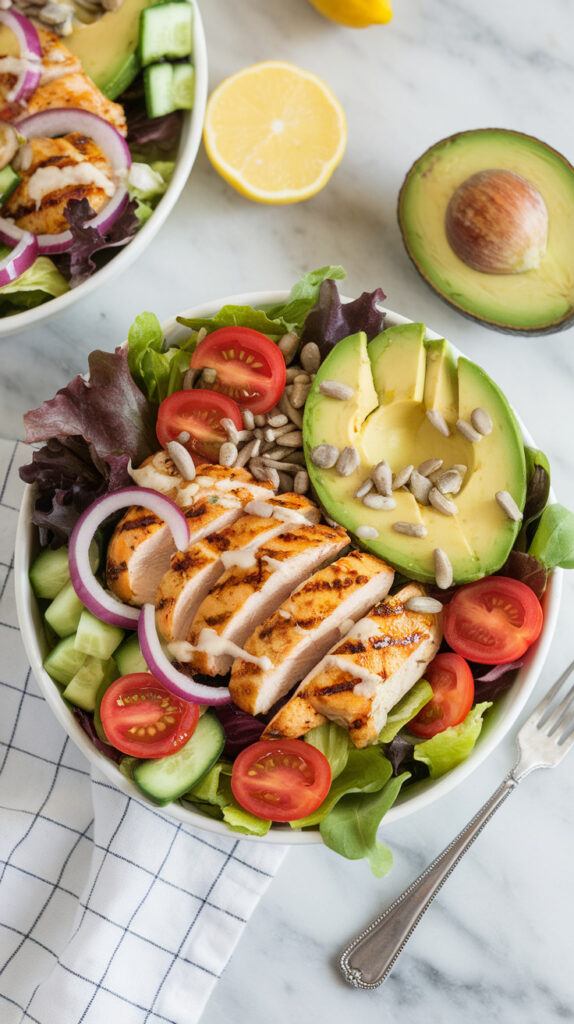
A lot of salads don’t work as dinners because they’re basically crunchy water with a sad piece of chicken on top. This one actually feels like a full meal because the avocado adds healthy fats, the chicken gives protein, and the toppings make it feel satisfying. It’s fresh, filling, and doesn’t leave you hungry an hour later.
I love making this when I want something lighter but still want the feeling of a real dinner. It’s like a salad, but with confidence.
Why This Works
Chicken breast is lean and low in saturated fat, which helps keep cholesterol intake lower. Avocado adds monounsaturated fats, which are considered heart-friendly and help make the meal feel satisfying.
The vegetables and greens add fiber and volume, which is a big deal if you’re trying to eat healthier without feeling deprived. It’s a simple balance of protein, fiber, and healthy fats.
How to Do It
- Season chicken breast with garlic powder, paprika, pepper, and a pinch of salt.
- Grill or pan-sear until fully cooked, then slice thinly.
- Add mixed greens to a bowl and top with cherry tomatoes, cucumbers, and red onion.
- Add sliced avocado and a sprinkle of pumpkin seeds or sunflower seeds.
- Drizzle with olive oil and lemon juice or a simple vinaigrette.
- Add the chicken on top and toss lightly before eating.
Style & Design Tips
Slice the chicken and avocado neatly instead of just dumping chunks in. It makes the salad feel way more appetizing, like something you’d actually pay for.
Avoid heavy creamy dressings if you’re aiming for low cholesterol dinners. Stick with olive oil-based dressing or lemon vinaigrette to keep it clean but flavorful.
Pro Tip or Budget Hack
Use rotisserie chicken breast meat if you’re short on time. It’s quick, and you can build multiple meals from one chicken.
If avocados are expensive that week, swap in hummus for a creamy texture without blowing your grocery budget.
5. Lentil and Vegetable Stew with Whole Grain Bread
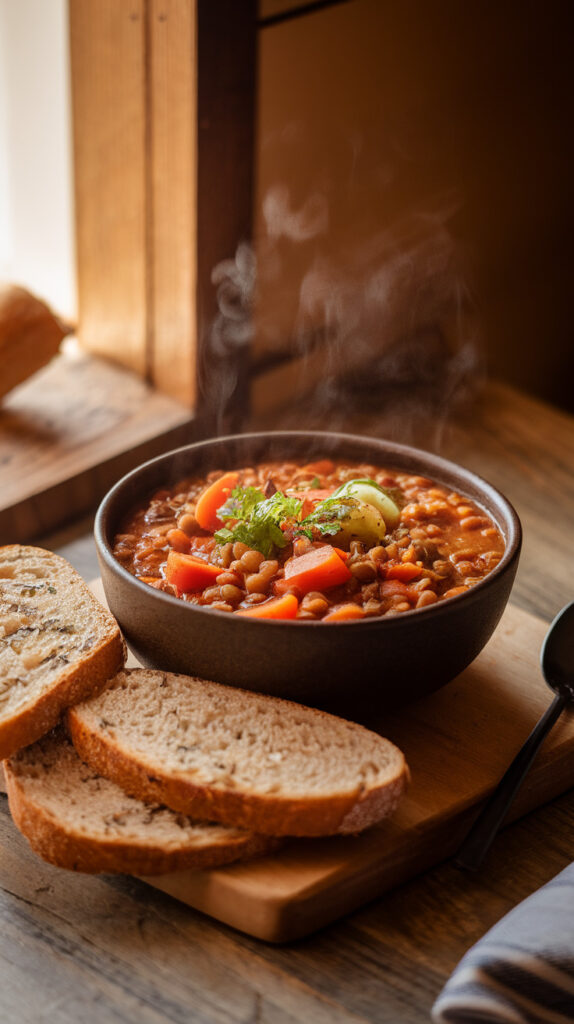
Stews are underrated because they feel like cozy comfort food but can easily be made heart-healthy. Lentils give the stew a thick, satisfying texture, and they basically act like a protein powerhouse without the saturated fat you get from meat-heavy soups. The vegetables make it filling without needing cream or cheese.
This is one of those meals I make when I want something warm and comforting but don’t want to feel sluggish afterward. It’s like comfort food that doesn’t betray you.
Why This Works
Lentils are loaded with soluble fiber, which can help support healthy cholesterol levels. They also provide plant-based protein that’s filling and naturally low in fat.
The vegetables add bulk and nutrients, and whole grain bread adds even more fiber. This meal is basically built for heart health without feeling like “diet food.”
How to Do It
- Sauté onions, garlic, and celery in olive oil until softened.
- Add chopped carrots, zucchini, and diced tomatoes.
- Stir in dried lentils and vegetable broth.
- Add spices like cumin, black pepper, bay leaf, and paprika.
- Simmer for 25–30 minutes until lentils are tender.
- Adjust salt and finish with fresh parsley if you want it to feel fancy.
- Serve with whole grain bread on the side.
Style & Design Tips
Let the stew simmer longer than you think it needs. The flavor gets deeper, and the texture thickens naturally, which makes it feel richer without adding anything heavy.
Don’t skip seasoning because lentils can taste bland if you treat them like an afterthought. Use smoked paprika and herbs to make it taste warm and savory.
Pro Tip or Budget Hack
Lentils are one of the cheapest healthy proteins you can buy. Keep a bag in your pantry and you’ll always have a “backup dinner” option.
If you want the stew thicker, blend one cup of it and stir it back in instead of adding cream.
6. Shrimp and Zucchini Noodles with Garlic Tomato Sauce
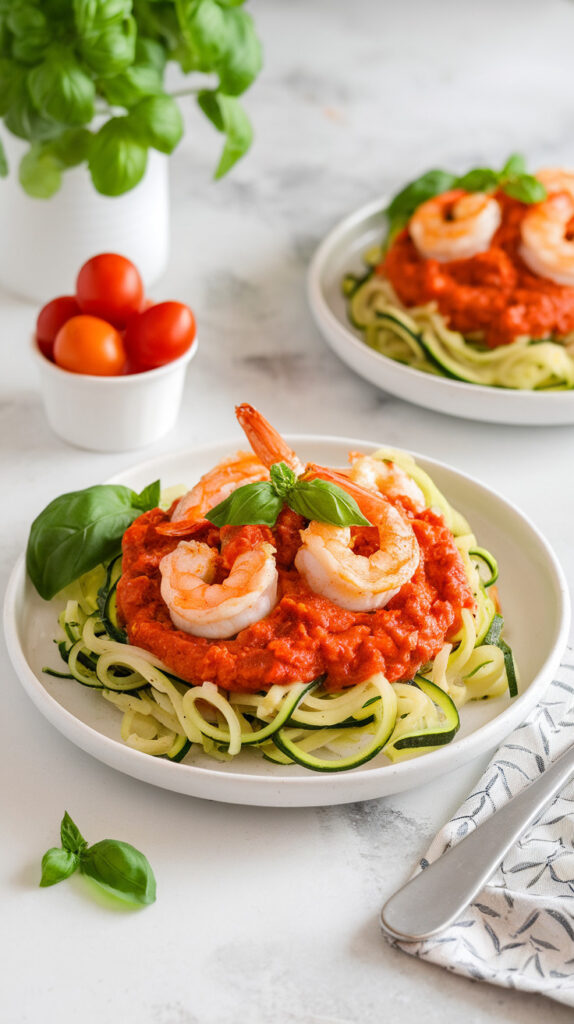
Pasta dinners can easily turn into cholesterol-heavy meals when they’re loaded with creamy sauces or fatty meats. This version gives you the pasta vibe without the heaviness by using zucchini noodles and a light tomato sauce. Shrimp cooks in minutes, so the whole meal feels fast and kind of impressive.
I was skeptical about zucchini noodles at first because I assumed they’d taste like sadness. But with the right sauce, they actually work.
Why This Works
Shrimp is naturally low in saturated fat and cooks quickly, making it a great protein option for lighter dinners. Zucchini noodles reduce refined carbs and add extra vegetables without feeling like you’re “trying too hard.”
Tomato sauce adds flavor without needing butter or cream. It’s a clean meal that still tastes like something you’d crave.
How to Do It
- Spiralize zucchini or buy pre-spiralized noodles for convenience.
- Sauté garlic in olive oil until fragrant.
- Add crushed tomatoes, oregano, basil, and black pepper.
- Simmer the sauce for 10 minutes to deepen flavor.
- Add shrimp and cook until pink, about 3–4 minutes.
- Toss zucchini noodles in the sauce for 1–2 minutes, just until warmed.
- Serve immediately to avoid soggy noodles.
Style & Design Tips
Don’t overcook zucchini noodles or they’ll turn into watery mush. Keep them slightly firm so the texture feels more like pasta.
Skip the heavy cheese toppings and use fresh basil or a sprinkle of nutritional yeast if you want that cheesy vibe without the saturated fat.
Pro Tip or Budget Hack
Frozen shrimp is usually cheaper and works perfectly for this recipe. Just thaw it quickly in cold water and you’re good to go.
If you want a more filling meal, add a side of whole grain toast or a small portion of brown rice.
7. Baked Sweet Potato and Black Bean Stuffed Peppers
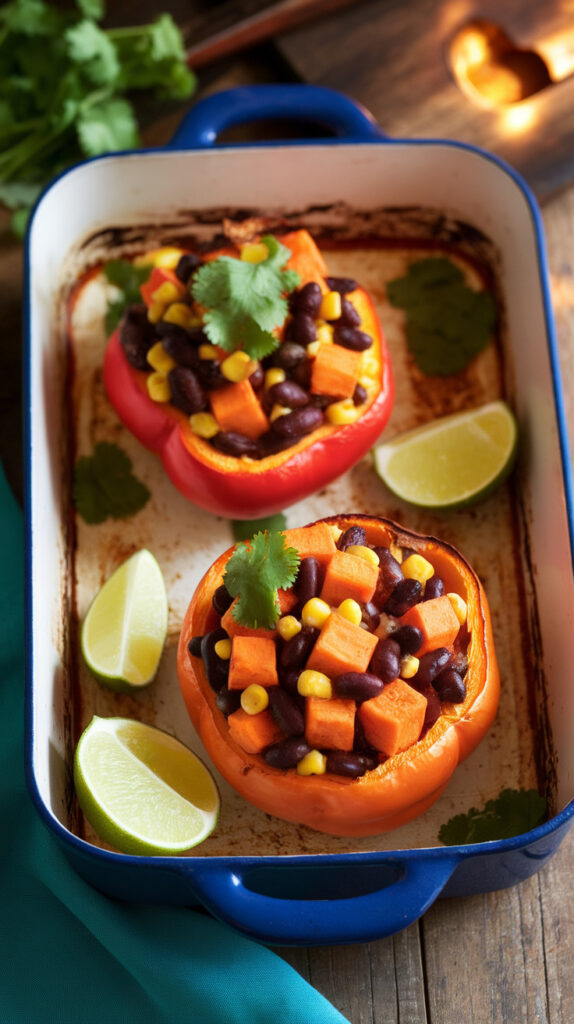
Stuffed peppers are one of the easiest ways to make dinner feel exciting without doing anything complicated. They look impressive, but they’re basically just vegetables filled with more vegetables and protein. Sweet potatoes add natural sweetness, black beans add hearty texture, and the whole thing bakes into a complete meal.
I love these because you can make them in advance, and they still taste good as leftovers. That’s rare in the “healthy dinner” world.
Why This Works
Black beans are high in fiber and plant-based protein, which helps support cholesterol-friendly eating. Sweet potatoes add slow-digesting carbs and natural sweetness without needing sugary sauces.
Peppers themselves are low-calorie and nutrient-rich, and baking keeps everything light. This meal fills you up without leaving you feeling heavy.
How to Do It
- Preheat oven to 375°F (190°C).
- Cut bell peppers in half and remove seeds.
- Roast peppers for 10 minutes to soften slightly.
- Mix cooked sweet potato cubes with black beans, corn, cumin, garlic powder, and pepper.
- Stuff the mixture into the peppers and bake for 20–25 minutes.
- Top with chopped cilantro or a squeeze of lime before serving.
Style & Design Tips
Choose peppers that can sit flat in the baking dish. If they wobble, your filling will spill everywhere, and the whole thing becomes chaos.
Don’t overload the peppers with cheese if you’re aiming for low cholesterol dinners. A little sprinkle is fine, but the filling already tastes great with spices and lime juice.
Pro Tip or Budget Hack
Use canned black beans and frozen corn to make this meal cheap and fast. It’s basically a pantry meal disguised as something fancy.
If you want extra flavor, add salsa to the filling instead of extra salt.
8. Whole Wheat Pasta with Garlic Roasted Veggies and White Bean Sauce
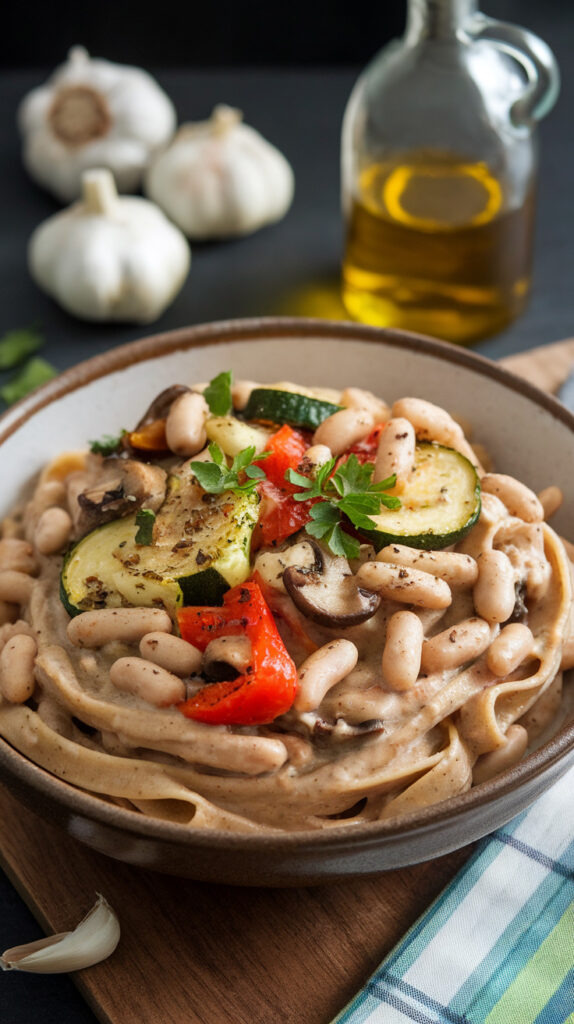
Creamy pasta dishes are usually cholesterol disasters because they rely on butter, cream, and cheese to feel satisfying. This one pulls off the creamy vibe using blended white beans, and it’s honestly kind of genius. The roasted vegetables add sweetness and depth, and the garlic brings everything together.
I tried this once as an experiment and expected it to taste “healthy.” Instead, it tasted like a real pasta dinner, and I was genuinely annoyed it worked that well.
Why This Works
White beans are rich in soluble fiber and provide a creamy texture without dairy. Whole wheat pasta adds extra fiber, which helps keep the meal filling and more balanced.
Roasted vegetables bring out natural sugars and create deeper flavor, so you don’t need heavy sauces. It’s comfort food energy without the usual cholesterol-heavy ingredients.
How to Do It
- Roast vegetables like zucchini, mushrooms, and bell peppers at 400°F (200°C) with olive oil and garlic.
- Cook whole wheat pasta until al dente.
- Blend white beans with garlic, lemon juice, a splash of pasta water, and black pepper until smooth.
- Toss the pasta with the bean sauce until coated.
- Add roasted veggies and stir gently.
- Finish with fresh herbs like basil or parsley.
Style & Design Tips
Don’t over-blend the bean sauce into a watery soup. Keep it thick and creamy so it clings to the pasta like a real sauce.
Avoid drowning the dish in salt because roasted vegetables already bring flavor. Let the lemon juice and garlic do the job instead of turning it into a sodium bomb.
Pro Tip or Budget Hack
Canned white beans are ridiculously cheap, and they can replace cream in so many recipes. Keep a few cans in your pantry and you’ll always have a backup sauce option.
If you want extra richness, stir in a spoon of olive oil at the end instead of adding cheese.
Final Thoughts
Low cholesterol dinners don’t have to feel like you’re giving up everything fun about eating. If the food still tastes bold, filling, and satisfying, sticking with healthier habits becomes way easier.
The real secret is building meals around fiber-rich ingredients, lean proteins, and flavorful seasonings instead of relying on heavy fats. Try a couple of these recipes first, and I promise you’ll start feeling like healthy dinners can actually be your new normal.

Dr. Pallab Kishore, MS in Orthodontics and owner of Orthodontic Braces Care, shares expert tips on braces, aligners, and oral health from 10+ years of experience.