Dull, lifeless hair can drag down your whole look, no matter how good the rest of your style is. The good news? You don't need expensive treatments or hours in the salon to bring back the shine.
Small, consistent changes in how you wash, dry, and style can make a huge difference. This list covers the most practical, no-nonsense tips for getting that glossy, fresh-from-the-salon feel. Some you might already know, but a few might surprise you.
The key is to pick a couple that fit your routine and stick with them. Ready to see your hair in a whole new light? Let's dive into these 15 glow-up strategies that actually work.
1. Wash with Cool Water for Instant Shine
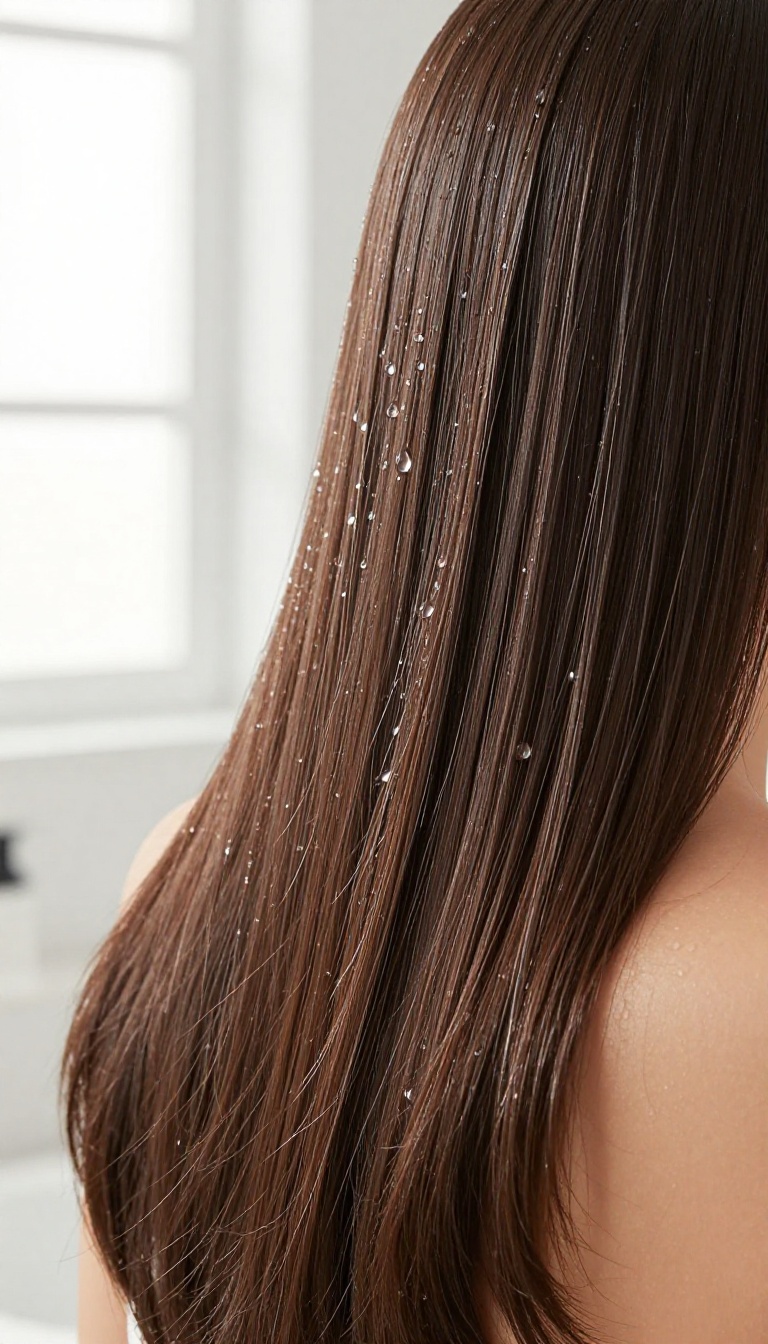
Hot showers feel amazing, but your hair pays the price. The heat lifts the cuticle and strips away natural oils, leaving strands rough and dull. A simple switch at the end of your rinse can make a big difference.
The science is simple: warm water opens the cuticle to clean, while cool water seals it shut. That sealing action locks in moisture and reflects light, giving you that glossy finish. You don't have to freeze—just a cool rinse for the last 10–15 seconds is enough.
Why Hot Water Hurts
Hot water acts like a degreaser, pulling out the sebum that keeps hair smooth. It also swells the cuticle, making it rough and prone to frizz. Over time, this leads to breakage and a dull appearance.
How To Do The Cool Rinse
After conditioning, turn the temperature down to lukewarm, then gradually to cool. Focus the water on the lengths and ends, not just the scalp. Keep it brief—a few seconds is all it takes to seal the cuticle.
Extra Shine Boosters
Pair the cool rinse with a leave-in conditioner or a drop of argan oil on damp hair. These help smooth the cuticle further and add a mirror-like finish.
2. Use a Clarifying Shampoo Once a Week
Even if you wash your hair regularly, product buildup can sneak up on you. Styling creams, dry shampoos, and conditioners leave behind residue that dulls your strands and blocks moisture. A weekly clarifying shampoo cuts through that gunk, resetting your hair so it can actually absorb the good stuff.
The result is lighter, bouncier hair that reflects light like it should.
Clarifying shampoos are formulated with stronger cleansers that dissolve buildup without stripping your hair completely. They work best when used once a week, especially if you use lots of styling products or have hard water. Just follow with a hydrating conditioner, and your hair will feel fresh and look noticeably shinier.
Signs You Need It
If your hair feels heavy, looks flat, or your usual products just aren't working anymore, buildup is likely the culprit. Another telltale sign is a dull, almost waxy texture even right after washing. If you notice any of these, it's time to reach for a clarifying shampoo.
How To Use It Right
Wet your hair completely, then massage a quarter-sized amount into your scalp and lengths. Let it sit for a minute or two to break down residue, then rinse thoroughly. Follow with a nourishing conditioner to keep your hair soft and hydrated.
Don't overdo it—once a week is plenty for most hair types.
Pick The Right Formula
Look for a clarifying shampoo that's sulfate-free if you have color-treated hair, or one with chelating agents if you deal with hard water. For oily scalps, a citrus or tea tree formula can add extra freshness. Always choose one that matches your hair's needs to avoid over-drying.
3. Apply Conditioner Only to the Ends
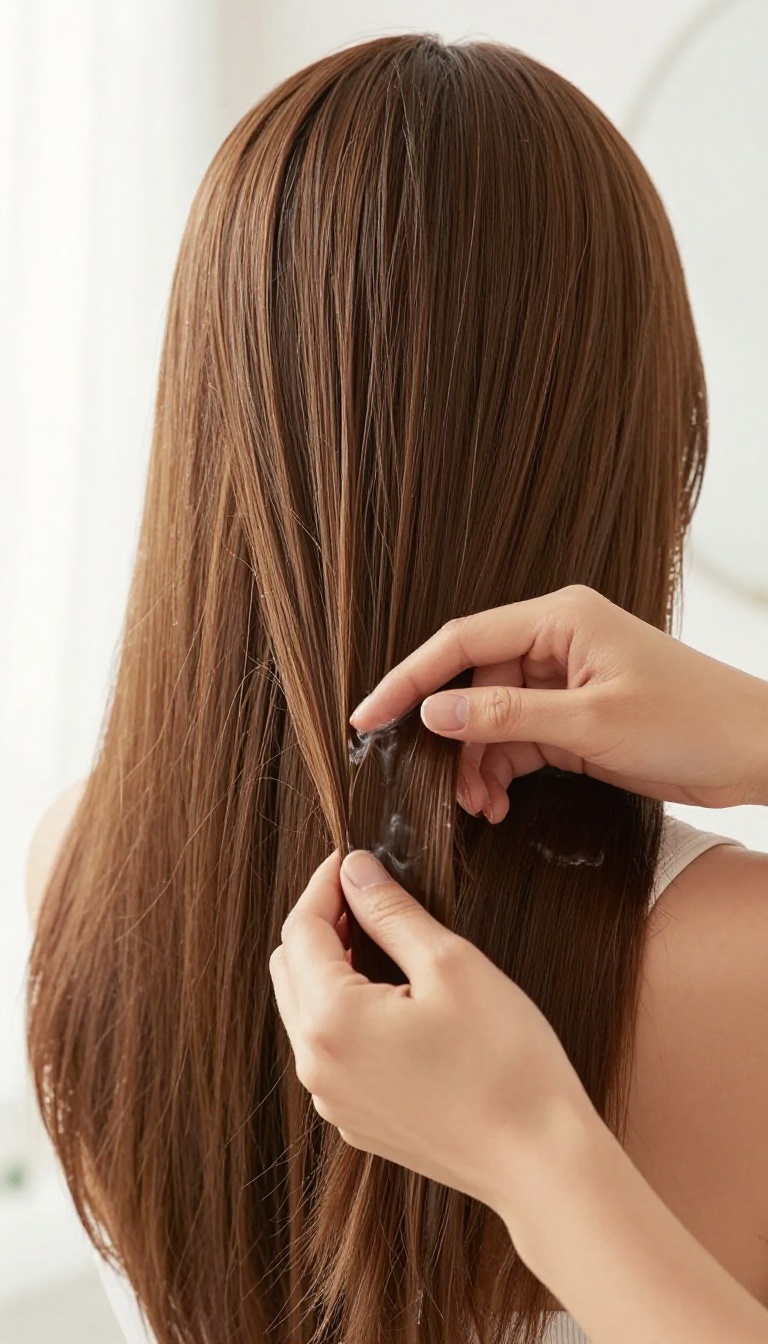
Conditioner is a hero for dry, damaged ends, but it's not meant for your scalp. Slathering it all over can weigh hair down and make roots look greasy by midday. The fix is simple: focus on the mid-lengths and ends, where moisture is actually needed.
When you condition, start from about ear level and work down to the tips. This targets the oldest, most fragile parts of your hair without overloading the roots. Your scalp already produces natural oils, so it doesn't need the extra help.
This small switch can leave your hair looking bouncier and shinier, not flat.
Why Roots Don't Need It
Your scalp's natural sebum travels down the hair shaft, so the roots are usually the oiliest part. Adding conditioner there just makes things worse, leading to that greasy, weighed-down look. By skipping the roots, you keep your hair fresher for longer.
How Much To Use
A quarter-sized amount is plenty for most hair lengths. Rub it between your palms, then gently smooth it through the ends. If your hair is very long or thick, you can add a little more, but always start small.
You can always add more, but it's hard to remove excess.
Rinse With Cool Water
After letting the conditioner sit for a minute or two, rinse with cool water. This helps seal the cuticle, locking in moisture and boosting shine. It also prevents the conditioner from leaving any residue that can dull your hair.
4. Try a Hair Oil for Extra Gloss
Hair oils aren't just for deep conditioning treatments anymore. A few drops of the right oil can transform dull strands into a glossy, mirror-like finish in seconds. The trick is picking a lightweight formula and applying it correctly.
Lightweight oils like argan, jojoba, or grapeseed are perfect for adding shine without weighing hair down. They smooth the cuticle, which reflects light better, giving that healthy, fresh-from-the-salon look. You only need a tiny amount—about a pea-sized drop for short hair, a quarter-sized for longer locks.
Choose The Right Oil For Your Hair Type
Fine hair? Go for jojoba or grapeseed oil—they're lighter and absorb quickly. Thick or curly hair can handle argan or moroccan oil, which provide a bit more moisture and control.
If your hair is dry or damaged, look for oils with added vitamins or antioxidants.
How To Apply Without The Grease
Rub the oil between your palms first, then gently press it into the mid-lengths and ends. Avoid the roots unless your hair is very dry. For best results, apply to damp hair after washing, or on dry hair as a finishing touch.
Always start with less—you can add more if needed.
Use It As A Finishing Touch
A drop of oil smoothed over your finished hairstyle can tame flyaways and add instant gloss. It also helps seal in moisture and protect against humidity. Keep a small bottle in your bag for quick touch-ups during the day.
5. Sleep on a Silk Pillowcase
Your pillowcase might be undoing all your hard work while you sleep. Cotton, though soft, creates friction as you toss and turn, which leads to frizz, tangles, and breakage. Silk, on the other hand, is smooth and gentle, letting your hair glide across the surface without snagging.
Switching to a silk pillowcase is one of the easiest swaps you can make. It helps your hair retain moisture, reduces split ends, and keeps your style intact longer. Plus, it feels luxuriously cool against your skin—a win-win for your hair and your beauty sleep.
Silk pillowcases aren't just a luxury; they're a practical tool for hair health. The smooth surface minimizes friction, which means less damage and fewer tangles. Over time, you'll notice your hair looks shinier and feels softer, even on days you skip styling.
Beyond the friction factor, silk is less absorbent than cotton. That means it won't suck the moisture out of your hair or your skincare products. Your hair stays hydrated, and your morning frizz becomes a thing of the past.
If you're not ready to invest in a full silk pillowcase, try a silk scarf or bonnet. Wrap your hair loosely before bed for similar benefits. It's a small change that yields big results.
Why Cotton Is The Culprit
Cotton fibers are rough at a microscopic level. When you move your head during sleep, these fibers catch on your hair cuticles, causing friction. Over time, this leads to split ends, breakage, and dullness.
Cotton also absorbs the natural oils from your hair, leaving it dry and prone to frizz.
How Silk Keeps Hair Smooth
Silk has a smooth, tightly woven surface that allows hair to slide without catching. This reduces friction and prevents the cuticles from roughing up. As a result, your hair stays smoother, shinier, and less tangled.
Silk also helps retain moisture, which is key for a healthy glow.
Choosing The Right Silk Pillowcase
Look for 100% mulberry silk with a high thread count—at least 19 momme for durability. Satin is a cheaper alternative, but it's often made from polyester, which isn't as breathable. A good silk pillowcase is an investment in your hair's health, so choose quality and care for it properly by hand washing or using a delicate cycle.
6. Use a Microfiber Towel to Dry
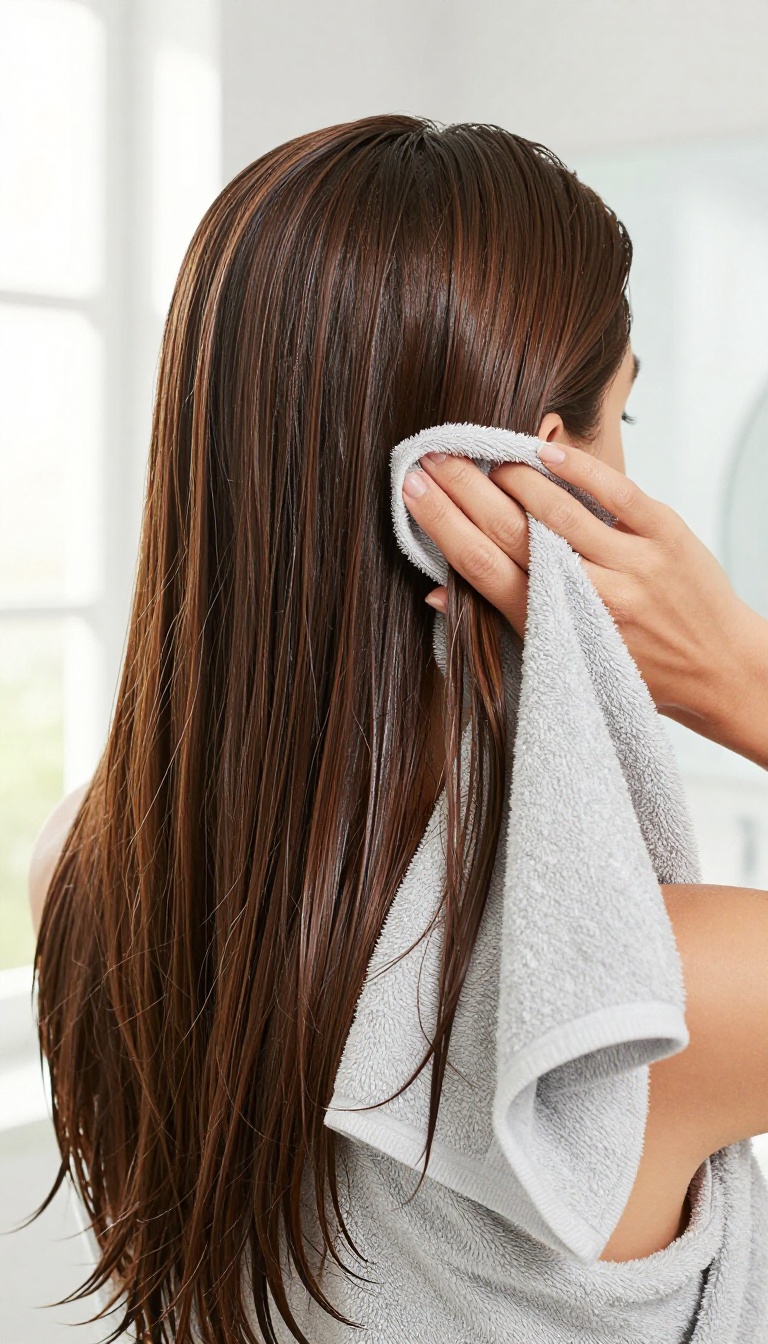
The way you dry your hair can make or break your shine. That fluffy terry cloth towel you reach for after every wash? It's actually roughing up your hair cuticle, leaving you with frizz and dullness.
The fix is simple: swap it for a microfiber towel or a soft cotton t-shirt.
Why Terry Cloth Is The Enemy
Terry cloth has a looped texture that creates friction when you rub it against wet hair. Wet hair is at its most fragile, so that friction lifts the cuticle and causes breakage and frizz. Even patting with a terry towel can be rough because the loops still snag on your strands.
How Microfiber Works Better
Microfiber towels are made of ultra-fine synthetic fibers that are much smoother and more absorbent. They soak up excess water quickly without roughing up the cuticle. This means less frizz, more shine, and faster air-drying time.
You'll also notice your hair feels softer and looks smoother.
The Right Way To Dry
Skip the vigorous rubbing. Instead, gently squeeze your hair with the microfiber towel or wrap it in a turban-style towel and let it sit for a few minutes. This allows the towel to absorb water without disturbing the hair shaft.
For extra protection, you can even use an old t-shirt—same principle, just as gentle.
7. Give Yourself a Scalp Massage
Your scalp is the foundation of healthy hair, but it's easy to ignore it until something feels off. A simple scalp massage can change that. It feels amazing, and it's one of the easiest ways to boost circulation and encourage a natural shine from the roots down.
You don't need special tools or products—just your fingertips and a few minutes a day. The payoff is real: better blood flow means more nutrients reaching your hair follicles, and the gentle pressure helps distribute your scalp's natural oils along the hair shaft. That's the kind of glow no serum can fake.
Massaging your scalp isn't just relaxing—it's a practical way to support healthier hair. The increased blood flow delivers oxygen and nutrients to your follicles, which can help hair grow stronger and look more vibrant. Plus, it helps move the sebum (your scalp's natural oil) from the roots to the ends, adding a subtle, healthy shine without extra product.
You can do it dry, before washing, or with a few drops of hair oil for extra slip. The key is consistency: even five minutes a few times a week can make a noticeable difference over time.
How To Massage Your Scalp Properly
Place your fingertips on your scalp, not your nails. Use small, circular motions, moving from the front of your hairline to the back and around the sides. Apply gentle pressure—you want to feel the skin move, not just your hair.
Work in sections to cover your whole scalp, and aim for about 5 minutes per session.
When To Do It For Best Results
Try massaging your scalp a few minutes before you shampoo. This loosens buildup and stimulates blood flow right when you're about to cleanse. You can also do it at night while watching TV or reading.
Just avoid doing it right after applying heavy styling products, as you might spread them around more than you want.
Tools That Can Help
If your hands get tired, a silicone scalp massager or a soft-bristle brush can do the job. These tools are gentle and easy to use in the shower with shampoo. They can also help exfoliate the scalp, removing dead skin cells that might dull your hair's appearance.
8. Brush Your Hair the Right Way
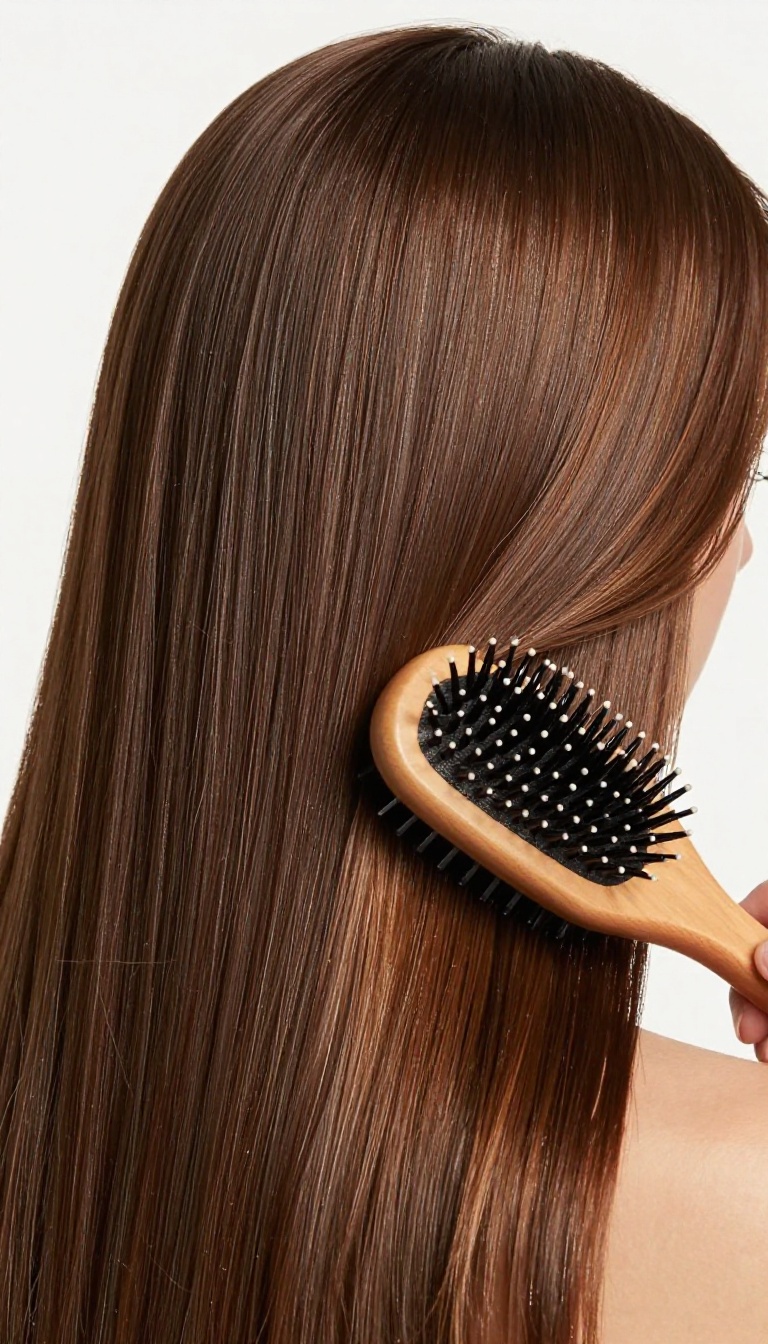
Brushing seems like the most basic step in your hair routine, but it's easy to get it wrong. Over-brushing or using the wrong tool can cause breakage, split ends, and frizz. The good news is that a few simple tweaks can turn brushing into a shine-boosting habit.
The secret is to match your brush to your hair's condition. Wet hair is fragile and stretches more easily, so it needs a wide-tooth comb to gently detangle without snapping strands. On dry hair, a boar bristle brush helps distribute your scalp's natural oils from root to tip, which adds a healthy gloss and smooths the cuticle.
Here's how to make each step work for you.
Detangle Wet Hair With A Wide-tooth Comb
After washing, apply a leave-in conditioner or detangling spray, then start combing from the ends and work your way up. This prevents pulling at knots and reduces breakage. Avoid using a paddle brush on wet hair—it can cause snapping and damage over time.
Use A Boar Bristle Brush On Dry Hair
Boar bristle brushes are great for distributing natural oils from your scalp to the rest of your hair. This gives your strands a natural shine and helps smooth the cuticle, reducing frizz. Brush in sections, starting from the scalp and moving down to the ends.
Don't Overbrush
Brushing more than a few times a day can lead to friction and damage. Aim for just enough to style and distribute oils—maybe 10 to 20 strokes per section. Overbrushing can strip away moisture and cause breakage, so keep it gentle.
9. Trim Your Ends Regularly
Split ends are sneaky. They start small, then travel up the shaft, leaving your hair looking frayed and dull. Even if you use the best products, those raggedy tips can steal all your shine.
That's why a regular trim is non-negotiable. It's the simplest way to keep your hair looking fresh, healthy, and full of life. Plus, it prevents breakage, so your length stays intact.
Trimming every 6-8 weeks removes the damaged ends before they worsen. This keeps your hair looking thicker and shinier because the ends are clean and even. You don't need a big chop—just a dusting to keep things in check.
If you're growing your hair out, regular trims might feel counterintuitive, but they actually help. By preventing split ends from traveling up the shaft, you avoid needing a major cut later. Healthy growth is all about maintaining the ends.
The 6-8 Week Rule
Mark your calendar. Every six to eight weeks, book a trim. This timeframe matches the average hair growth cycle, so you're nipping split ends in the bud before they spread.
If you use heat styling or color your hair, lean toward the six-week mark—your ends need extra attention.
How To Spot Split Ends
Take a small strand of hair and look at the tips. If you see white dots, tiny splits, or rough, uneven ends, it's time for a trim. You can also run your fingers through your hair—if it snags or feels rough at the ends, that's a sign.
Don't wait until the damage is obvious.
What To Ask Your Stylist
When you're in the chair, ask for a dusting, not a full cut. This removes just the damaged ends, keeping your length intact. If you're between appointments, a professional can also do a 'search and destroy' method, snipping individual split ends without losing length.
10. Protect Hair from Heat Damage
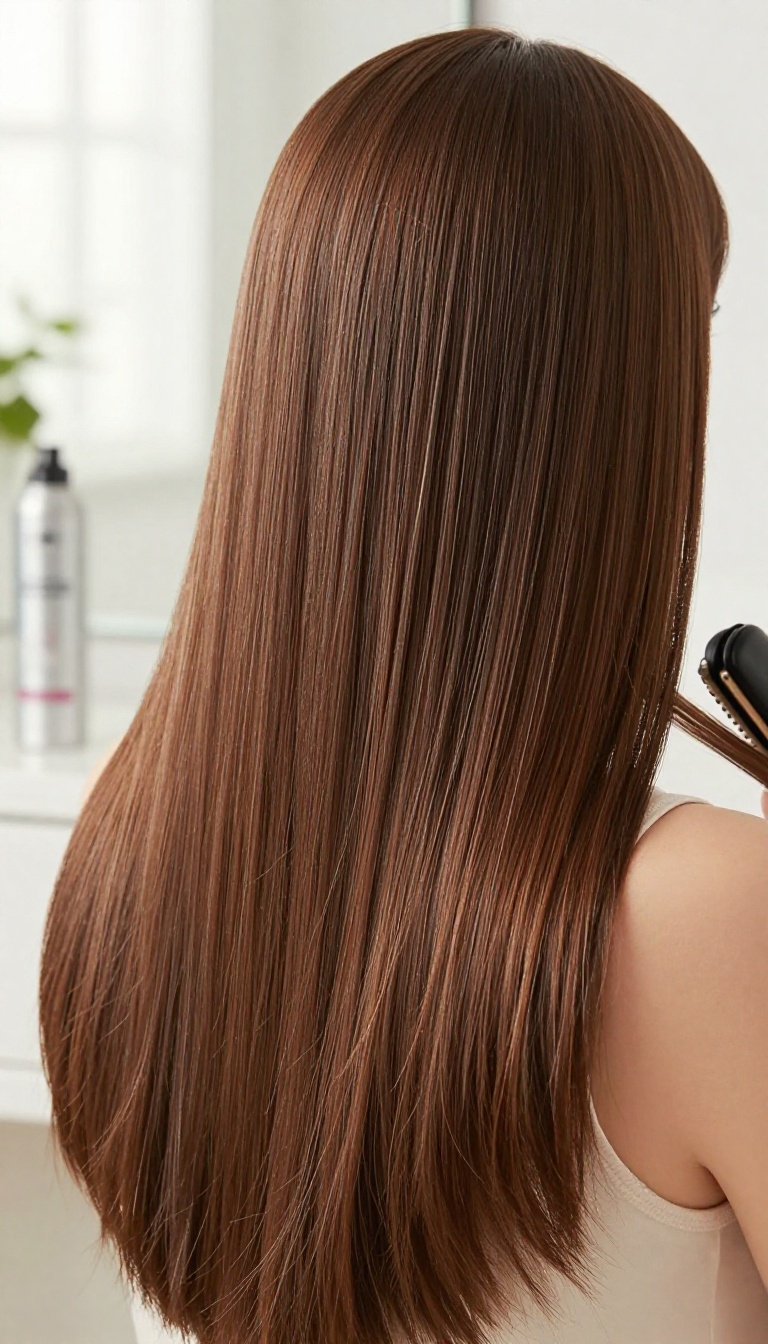
Heat styling is a fast ticket to shiny hair, but it can also be the fastest way to zap moisture and dull your strands. If you're reaching for a flat iron or curling wand regularly, your hair might be paying the price. The good news?
A few smart habits can keep your hair glossy even with daily styling.
Heat damage happens when high temperatures strip the outer cuticle, leaving hair rough and prone to breakage. Over time, this makes hair look dry and lifeless, regardless of how many serums you pile on. The fix isn't to ditch your tools entirely—it's to use them smarter.
Always Use A Heat Protectant
A heat protectant isn't optional—it's a barrier between your strands and the heat. Look for sprays or creams with silicones or polymers that coat the hair and distribute heat evenly. Apply it generously from mid-length to ends before any heat styling, and don't forget to reapply if you're doing multiple passes.
Turn Down The Temperature
Higher heat doesn't mean better results. Most hair types don't need more than 350°F, and fine or damaged hair should stay below 300°F. Start with the lowest setting that works and only increase if needed.
Your hair will thank you with less frizz and more shine.
Limit How Often You Style
Even with protection, heat is stressful. Try to give your hair a break a few days a week—use air-drying or heatless styles like braids or buns. If you must style daily, keep the sessions short and avoid going over the same section repeatedly.
11. Eat Foods Rich in Omega-3s
Your hair's shine starts from within. Omega-3 fatty acids found in salmon, walnuts, and flaxseeds nourish hair follicles and promote a healthy, glossy look. If your diet lacks these healthy fats, your strands can turn dry and brittle, even if you're doing everything else right.
Omega-3s help keep your scalp hydrated and reduce inflammation, which can clog hair follicles and slow growth. They also support the natural oils that coat each strand, giving it that lit-from-within glow. The easiest way to get more is to add a few servings of fatty fish, nuts, or seeds to your weekly meals.
Best Omega-3 Sources
Salmon, mackerel, and sardines are top picks. If you're plant-based, go for walnuts, chia seeds, and ground flaxseeds. Even a handful of almonds or a spoonful of flaxseed oil in your smoothie can make a difference.
How Much You Need
Aim for at least two servings of fatty fish per week, or a tablespoon of ground flaxseeds daily. If you're not a fan of fish, a high-quality fish oil supplement works too, but whole foods always come with extra nutrients your hair will love.
Quick Meal Ideas
Add walnuts to your morning oatmeal, toss salmon into a lunch salad, or sprinkle flaxseeds over yogurt. Simple swaps like these don't require a big kitchen overhaul, but they add up over time.
12. Rinse with Apple Cider Vinegar
You've probably heard about apple cider vinegar as a health tonic, but it's also a secret weapon for hair. Over time, product buildup and hard water can leave your strands looking dull and weighed down. An ACV rinse helps reset your hair's pH balance and clears away residue, which can boost shine and smoothness.
Mixing one part apple cider vinegar with two parts water creates a simple rinse that can transform your hair. Use it once a month after shampooing, let it sit for a minute or two, then rinse thoroughly. The smell fades quickly, and the results are worth it—your hair feels lighter, looks glossier, and has a natural bounce.
Why It Works
Your hair has a natural pH that can be thrown off by shampoos and styling products. When the pH is off, the cuticle lifts, making hair rough and prone to dullness. ACV helps restore the acidic balance, which smooths the cuticle and reflects light better.
How To Use It
After washing, mix 1-2 tablespoons of ACV with water in a cup or spray bottle. Apply it evenly to your hair, focusing on the lengths and ends. Leave it on for 1-2 minutes, then rinse with cool water.
Follow with conditioner if needed, but many find they can skip it.
When To Skip It
If you have a sensitive scalp or open sores, skip ACV or do a patch test first. Also, avoid using it more than once a week—overuse can dry out hair. Stick to once a month for most hair types.
13. Don't Overwash Your Hair
It's tempting to wash your hair every day, especially if you're used to that fresh, clean feeling. But here's the thing: daily washing strips away the natural oils that keep your strands shiny and protected. Over time, this can leave your hair looking dull, dry, and even frizzy.
Instead of reaching for the shampoo bottle every morning, give your hair a break. Washing every two to three days is a good starting point for most people. If you're worried about grease, a good dry shampoo can be your best friend in between washes.
Your scalp produces sebum, a natural oil that coats each strand and gives hair that healthy, glossy look. When you wash too often, you're essentially washing away that protective layer. This can lead to a cycle of overproduction—your scalp tries to compensate by making even more oil, which makes you want to wash again.
Breaking that cycle is key to letting your hair's natural shine come through. Start by stretching the time between washes gradually. If you wash daily, try every other day for a week or two.
Then, if you can, go two days without washing. Use a dry shampoo on the second day to absorb excess oil at the roots and add a bit of volume. You'll likely notice your hair becoming more manageable and less prone to greasiness over time.
How Often Should You Wash?
There's no one-size-fits-all answer, but a good rule of thumb is every 2-3 days for most hair types. If you have very oily hair, you might need to wash every other day. If your hair is dry, curly, or textured, you can often go longer—up to a week.
Pay attention to how your hair feels and looks, and adjust accordingly.
Embrace Dry Shampoo
Dry shampoo is a game-changer for extending time between washes. It absorbs excess oil at the roots, adds texture, and gives your hair a quick refresh. Spray it on your roots before bed or in the morning, let it sit for a minute, then brush it through.
Just don't rely on it every single day—your scalp still needs a proper wash to stay healthy.
Signs You're Overwashing
If your hair feels dry, brittle, or looks dull even right after washing, you might be overwashing. Another clue is if your scalp feels tight or itchy. When you cut back on washing, you might notice a temporary increase in oiliness as your scalp adjusts—that's normal.
Stick with it, and your hair will thank you.
14. Use a Deep Conditioning Mask Weekly
Your hair goes through a lot—sun, heat, styling, even just brushing. Over time, that adds up to dryness and dullness. A weekly deep conditioning mask is like a reset button, flooding your strands with moisture and nutrients they've been missing.
Unlike your everyday conditioner, a mask sits longer and works harder. It's not a quick fix, but a consistent weekly ritual that pays off in softness and shine. The trick is picking the right one for your hair type and using it correctly.
What To Look For
Scan the ingredient list for heavy hitters like shea butter, keratin, argan oil, or glycerin. These ingredients help seal in moisture and smooth the cuticle, which is what gives hair that reflective shine. If your hair is fine, go for a lighter formula to avoid weighing it down.
Thick, coarse hair can handle richer masks.
How To Apply It Right
Don't just glob it on. Start with clean, damp hair—towel-dried, not dripping. Work the mask through the mid-lengths and ends, where damage is most common.
Avoid the roots unless your scalp is very dry. Leave it on for the time on the package, usually 5 to 15 minutes. For extra oomph, pop on a shower cap and let the heat help it penetrate.
How Often To Do It
Once a week is the sweet spot for most people. If your hair is extremely dry or damaged, you can do it twice a week for a while. But don't overdo it—too much protein or moisture can make hair limp or brittle.
Watch how your hair responds and adjust.
15. Let Hair Air Dry When Possible
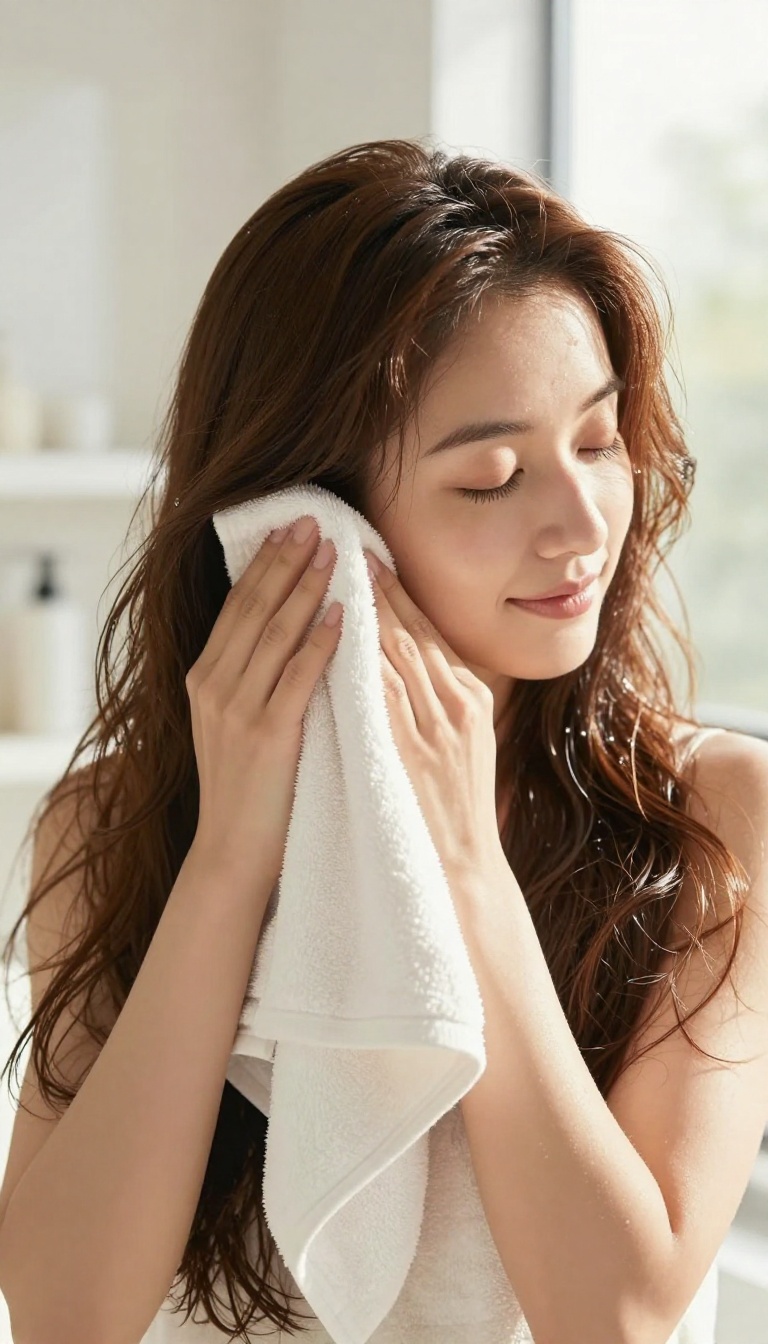
Blow dryers are convenient, but the heat can strip moisture from your hair, leaving it brittle and dull. Air drying is a simple way to cut down on heat damage and let your natural texture shine through. It's not about never using a dryer again—just giving your hair a break when you have the time.
Even a few extra minutes of air drying can make a noticeable difference in how your hair looks and feels.
When you air dry, your hair's cuticle lies flatter, which reflects light better and gives you that glossy look. Plus, you're avoiding the frizz that often comes from over-drying or using too high a heat setting. To make air drying work for you, start with a gentle squeeze with a microfiber towel to remove excess water.
Then, let your hair dry naturally, or use your fingers to gently separate strands. If you're in a hurry, you can air dry for a while and finish with a cool shot from the dryer.
Why Heat Is Hard On Your Hair
High heat can lift the cuticle, causing moisture to escape and leaving your hair looking rough and dull. Over time, this leads to split ends and breakage. Air drying avoids all that, so your hair keeps its natural moisture and shine.
How To Air Dry Without The Frizz
The trick is to handle your hair gently while it's wet. Instead of rubbing with a towel, blot or squeeze. You can also apply a leave-in conditioner or a light styling cream to smooth the cuticle and keep frizz at bay.
Let your hair dry in a loose braid or twist to encourage waves and reduce tangles.
When Air Drying Isn't The Best Option
If you're heading out in freezing weather or need a quick style, air drying might not be practical. In those cases, use a blow dryer on a low heat setting and keep it moving. But when you have time, let your hair dry naturally—it's a small habit that pays off in the long run.
FAQ
How often should I wash my hair to keep it shiny?
It depends on your hair type, but generally every 2-3 days is ideal. Overwashing strips natural oils, while washing too little can lead to buildup. Find a balance that works for you.
Can I get shiny hair without using heat styling tools?
Absolutely! Air drying, using cool water rinses, and applying hair oils are all heat-free ways to boost shine. Heat tools can be used sparingly with protectants, but minimizing them helps.
What is the best hair oil for shine?
Lightweight oils like argan, jojoba, or grapeseed are great for adding shine without weighing hair down. Apply a few drops to the ends of damp or dry hair.
How does diet affect hair shine?
A diet rich in omega-3s, vitamins, and protein supports healthy hair growth and natural shine. Foods like salmon, eggs, and leafy greens can make a noticeable difference.
Is it necessary to use a clarifying shampoo?
If you use styling products or have hard water, a clarifying shampoo once a week can remove buildup and restore shine. But don't overdo it—too much can dry out hair.
Conclusion
Shiny hair isn’t about chasing one miracle product—it’s about stacking small, consistent habits that respect your strands. Pick two or three tips that fit your routine and stick with them for a few weeks. You’ll likely notice the difference before you even realize it.
Healthy hair grows from what you do daily, not what you do once.
So start with a gentle wash, a cooler rinse, or a silk pillowcase tonight. Little by little, your hair will catch up to the effort. You’ve got this.