
Chasing that lit-from-within glow can feel like a full-time job, especially when every product promises miracles. But the truth is, a smooth, healthy-looking finish comes down to a few consistent habits, not a cabinet full of expensive serums. You don't need a 10-step routine or a spa budget to see real changes in your skin.
These 15 tips are the ones that actually move the needle, whether you're dealing with dullness, texture, or just want to look more rested. They're simple, doable, and won't wreck your wallet or your schedule. Think of this as your no-nonsense guide to getting that glow without the guesswork.
Ready to give your skin some love? Let's dive into the tips that make a difference.
1. Hydrate from the Inside Out

You can slather on all the moisturizers you want, but if your body is running on empty, your skin will show it. Water is the most underrated beauty tool—it plumps cells, flushes toxins, and keeps your skin looking dewy. Think of it as the foundation of your glow-up routine.
Start by calculating your daily water goal: half your body weight in ounces. That’s a simple formula that works for most people. If you weigh 140 pounds, aim for 70 ounces a day.
Don’t chug it all at once—spread it out so your body actually absorbs it. And remember, hydration isn’t just about water. Foods like cucumber, watermelon, and oranges are packed with water and antioxidants, giving you a double boost.
Make Water Easy To Reach
Keep a reusable bottle on your desk, in your car, or wherever you spend most of your time. Set reminders on your phone if you tend to forget. Infuse your water with lemon, mint, or berries to make it more appealing.
When water is convenient and tasty, you’ll naturally drink more.
Eat Your Water
Incorporate hydrating foods into every meal. Toss cucumber slices into your salad, snack on watermelon, or blend spinach into a smoothie. These foods not only add water but also deliver vitamins that support skin health.
You’ll hit your hydration goal faster and feed your skin from the inside.
Watch Out For Dehydrators
Caffeine and alcohol can dehydrate you, so balance them with extra water. If you have a coffee in the morning, follow it with a glass of water. Same goes for that evening glass of wine.
This simple swap keeps your skin from looking parched and dull.
2. Double Cleanse at Night
If you wear makeup or sunscreen daily, a single cleanse often leaves behind a film of residue that can clog pores and dull your complexion. That's where the double cleanse comes in—it's a simple two-step ritual that ensures your skin is truly clean without stripping it. Starting with an oil-based cleanser melts away the stubborn stuff, then a gentle water-based cleanser finishes the job.
Double cleansing is a game-changer for anyone who wants a smoother, more radiant finish. It prevents buildup that leads to dullness and breakouts, and it preps your skin to absorb the rest of your routine better. The best part?
It only takes a couple of extra minutes, and you can do it with affordable products.
Why Oil First?
Oil-based cleansers work like a magnet for makeup, sunscreen, and excess sebum. They dissolve these oil-based impurities without harsh scrubbing, so you're not tugging at delicate skin. This step is especially important if you wear long-wear or waterproof products.
Finish With A Water-based Cleanser
After the oil cleanser, a gentle water-based cleanser sweeps away sweat, dirt, and any leftover residue. Look for a formula that's sulfate-free and pH-balanced to keep your skin's moisture barrier intact. This ensures your face is clean but never tight or dry.
How To Make It Work For You
If you have dry or sensitive skin, you can still double cleanse—just choose a nourishing oil cleanser and a creamy foam. For oily or acne-prone skin, opt for a gel-based water cleanser. And if you don't wear makeup, a quick single cleanse at night is fine, but double cleansing a few times a week can still help clear out pores.
3. Exfoliate Smart, Not Hard
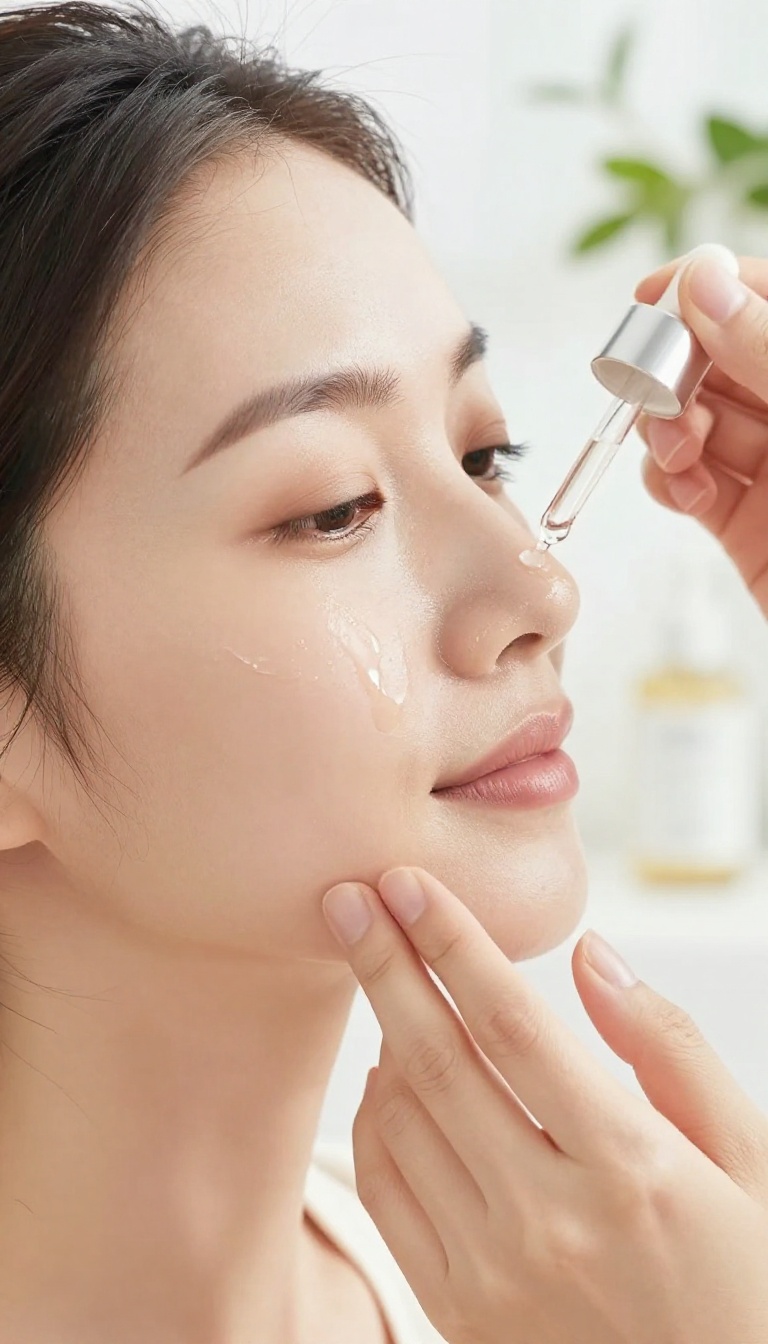
Scrubbing away at your skin with gritty scrubs might feel productive, but it's often doing more harm than good. Over-exfoliating strips your moisture barrier, leaving you with redness, irritation, and even more breakouts. The smart approach is to let chemical exfoliants do the heavy lifting—they dissolve dead skin cells without the friction.
Chemical exfoliants like AHAs and BHAs are the key to a smooth, even finish. AHAs work on the surface to brighten and smooth, while BHAs dive into pores to clear out oil and debris. Stick to 2-3 times a week, and always follow with sunscreen, since these actives can make your skin more sun-sensitive.
Know Your Acids
AHAs (like glycolic and lactic acid) are great for dry or sun-damaged skin, as they help shed dead cells and boost radiance. BHAs (like salicylic acid) are oil-soluble, making them perfect for oily or acne-prone skin—they unclog pores and reduce inflammation. Choose based on your skin's needs, not just what's trending.
Start Slow And Steady
If you're new to chemical exfoliants, begin with once a week and gradually work up to two or three times. Pay attention to how your skin reacts—if it feels tight or looks shiny (like a stretched balloon), you've gone too far. Always give your skin a break between exfoliation days to recover.
Don't Forget The Barrier
Exfoliating is only half the battle; supporting your skin barrier is just as important. After exfoliating, layer on a hydrating moisturizer with ceramides or hyaluronic acid to lock in moisture and keep that smooth, bouncy feel. A healthy barrier means less irritation and a more even, glowy finish.
4. Never Skip Sunscreen
Here's the thing: no serum, mask, or fancy gadget can undo the damage UV rays cause over time. Sun exposure is the number one culprit behind premature aging, dark spots, and that rough, uneven texture you're trying to smooth out. If you want a genuinely healthy-looking finish, sunscreen is non-negotiable.
Think of it as the ultimate shield for all your other skincare efforts. You could be using the best vitamin C or retinol, but without daily SPF, you're basically letting all that hard work go to waste. It's the single most effective anti-aging step you can take, and it's way cheaper than any corrective treatment later.
Sunscreen isn't just for beach days—it's a daily essential, even when it's cloudy or you're indoors. UV rays penetrate clouds and windows, so your skin is always exposed. Making SPF a morning habit is the easiest way to protect your glow.
Don't worry about a heavy, greasy feel. Modern formulas are lightweight, invisible, and work beautifully under makeup. Find one you actually like, and you'll never skip it again.
Why Spf 30+ Is The Sweet Spot
SPF 30 blocks about 97% of UVB rays, which is plenty for daily wear. Higher SPFs offer marginal extra protection, so don't stress about hitting 100. The key is applying enough and reapplying if you're outdoors for long stretches.
A nickel-sized dollop for your face is a good rule of thumb.
How To Make It A Habit
Pair sunscreen with something you already do, like brushing your teeth or applying moisturizer. Keep a bottle by your door or in your bag so it's always within reach. Once it becomes automatic, you won't even think about it—it'll just be part of your morning routine.
What To Look For In A Daily Spf
Choose a broad-spectrum formula that protects against both UVA and UVB rays. If you have sensitive skin, mineral options with zinc oxide or titanium dioxide are gentle and less likely to irritate. For darker skin tones, look for formulas that don't leave a white cast—many brands now offer tinted or sheer options that blend seamlessly.
5. Add Vitamin C in the Morning
Morning routines are all about protection and prep, and that's exactly where vitamin C shines. This antioxidant is a multitasker: it brightens, evens tone, and gives your skin a defense boost against daily stressors. A few drops in the AM can make a noticeable difference over time.
Vitamin C is a skincare powerhouse, but timing matters. Using it in the morning, before sunscreen, maximizes its benefits. It works synergistically with SPF to neutralize free radicals from UV exposure, giving you an extra layer of defense.
Plus, it helps fade dark spots and gives your complexion that lit-from-within look.
Why Morning?
Your skin repairs at night, but during the day it's on the front lines against pollution and UV rays. Vitamin C steps in as a bodyguard, neutralizing oxidative stress before it can cause dullness or fine lines. Applying it in the morning means it's active when you need it most.
How To Layer It
After cleansing and toning, apply a few drops of vitamin C serum to dry skin. Wait a minute for it to absorb, then follow with moisturizer and sunscreen. This layering ensures the vitamin C stays put and doesn't pill under your makeup.
Pick The Right Formula
Not all vitamin C is created equal. Look for ascorbic acid (L-ascorbic acid) in concentrations between 10% and 20%. If you have sensitive skin, start with a lower percentage or a derivative like magnesium ascorbyl phosphate.
Store it in a cool, dark place to keep it potent.
6. Moisturize While Skin Is Damp
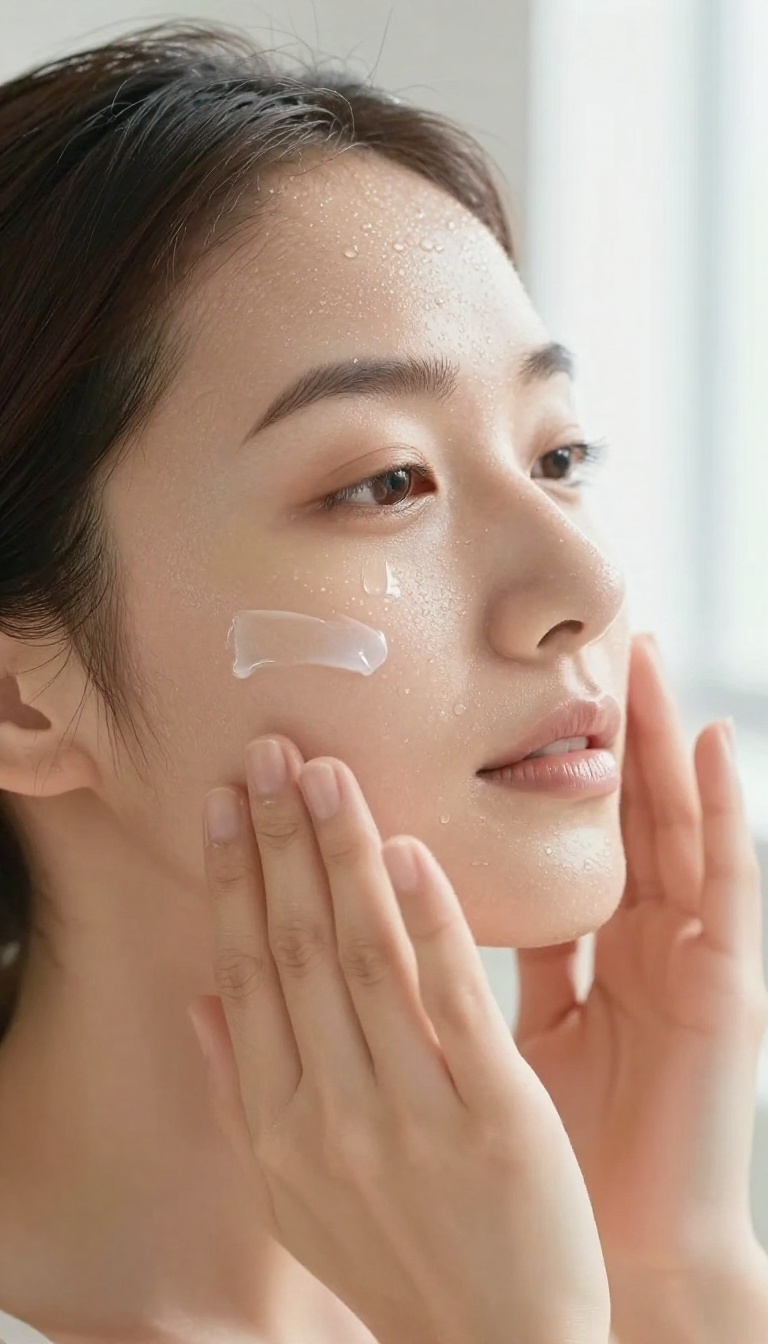
Timing your moisturizer might sound fussy, but it's actually one of the easiest ways to boost your glow. When you apply moisturizer to damp skin, you're trapping that extra water in your barrier, which means more hydration and a plumper look. It's a simple switch that takes zero extra time.
The first few minutes after cleansing are a golden window. Your skin is still slightly damp, and that's exactly when it's most receptive to moisture. Water acts like a magnet, pulling in the humectants from your moisturizer and helping them sink deeper.
Skipping this step means you're missing out on easy hydration.
Why Damp Skin Works
Damp skin is like a sponge that's ready to soak up everything you apply. When you moisturize on dry skin, the product sits on the surface instead of penetrating. But with a little water still on your face, the moisturizer spreads more easily and locks in that extra hydration, leaving your skin looking dewy and feeling soft.
How To Do It Right
After cleansing, gently pat your face with a towel, leaving it slightly damp. Then apply your moisturizer within 60 seconds. Use a pea-sized amount and massage it in upward strokes.
If your skin is very dry, you can even spritz a bit of facial mist before moisturizing. The key is not to wait until your skin is completely dry.
Best Moisturizers For Damp Skin
Look for moisturizers with humectants like hyaluronic acid or glycerin. These ingredients draw water into the skin and work even better when applied to damp skin. Gel-based or lightweight lotions are great for daytime, while richer creams can seal everything in at night.
Avoid heavy oils or balms on damp skin, as they can create a barrier that blocks water absorption.
7. Sleep on a Silk Pillowcase
Your pillowcase might be undoing all your nighttime skincare efforts. Cotton can be rough on skin, creating friction that leads to sleep lines and absorbing the products you just applied. Switching to silk is a simple swap that pays off while you snooze.
Silk's smooth surface lets your skin glide instead of tug, which means fewer creases and less irritation. It also won't drink up your serums and moisturizers, so they stay where they belong—on your face. Plus, silk is naturally breathable and gentle on hair, reducing frizz and breakage.
Prevents Sleep Lines
Cotton can press creases into your face overnight, especially if you sleep on your side or stomach. Silk's low-friction texture allows skin to move freely, so those temporary lines don't have a chance to form. Over time, this helps keep your complexion smoother and more even.
Keeps Skincare On Your Skin
Cotton fibers are thirsty and can absorb a good chunk of your nighttime serums and creams. Silk, on the other hand, is non-absorbent, so your products stay put and work their magic through the night. You'll wake up to skin that looks more hydrated and glowy.
Gentler On Hair And Skin
Silk is softer and smoother than cotton, making it a gentler surface for both your face and hair. It reduces friction, which can help prevent split ends and hair breakage. For skin, it means less irritation, especially if you have sensitive or acne-prone skin.
8. Use a Humidifier at Night

Dry indoor air is a sneaky culprit behind flaky, tight, and dull-looking skin. When you sleep, your skin loses moisture to the environment, especially if you run the heat in winter or blast the AC in summer. A humidifier adds water vapor back into the air, so your skin doesn't have to work as hard to stay hydrated.
It's a simple, low-effort fix that can make a noticeable difference by morning.
Your skin repairs itself while you sleep, but it needs adequate moisture to do that effectively. A humidifier keeps the air from pulling water out of your skin, which means your overnight moisturizer and serums can actually do their job. You wake up with a softer, plumper complexion instead of that parched, tight feeling.
Plus, it helps with dry eyes and sinuses, so you breathe easier too.
Why Dry Air Wrecks Your Skin
When humidity drops, moisture evaporates faster from your skin's surface. That weakens your skin barrier, leading to transepidermal water loss. You end up with rough patches, fine lines that look deeper, and a dull finish.
Even if you slather on heavy creams, the dry air can undo your efforts overnight.
How To Pick The Right Humidifier
You don't need a fancy one—just a cool-mist or ultrasonic model works well for bedrooms. Look for one that's quiet and has an auto shut-off. Aim for a humidity level between 40% and 60%.
Too much moisture can encourage mold, so keep it in that sweet spot. Clean it regularly to avoid bacteria buildup.
A Quick Nighttime Routine Boost
Place the humidifier near your bed, but not so close that it wets your bedding. Turn it on about 30 minutes before you sleep. Pair it with your usual moisturizer, and you'll lock in extra hydration.
In the morning, your skin should feel softer and look more refreshed—no extra products needed.
9. Incorporate a Weekly Face Mask
Sometimes your skin needs a little extra attention beyond your daily routine. That's where a weekly face mask comes in. It's like a mini spa session at home that targets specific concerns, whether you're dealing with excess oil, dryness, or just want an instant pick-me-up.
The key is choosing the right mask for your skin type and using it consistently.
A weekly mask can give your skin a noticeable boost, especially before a big event or when you're feeling a bit dull. It's not about piling on products; it's about giving your skin a concentrated dose of what it needs. For oily or acne-prone areas, a clay mask helps draw out impurities and control shine.
For dry or dehydrated skin, a hydrating sheet mask floods your skin with moisture and leaves it looking plump and radiant.
Match The Mask To Your Skin's Needs
Not all masks are created equal. Clay masks are great for absorbing excess oil and tightening pores, especially on your T-zone. If your skin feels tight or flaky, reach for a hydrating mask with ingredients like hyaluronic acid or glycerin.
Combination skin? Use a clay mask on your oily areas and a hydrating one on your cheeks.
Don't Overdo It
Once a week is enough for most people. Over-masking can strip your skin of natural oils or cause irritation. If you have sensitive skin, start with a gentle mask and see how your skin reacts.
Pay attention to the instructions—leave it on for the recommended time, and rinse off with lukewarm water.
Make It A Ritual
Set aside a specific day and time for your mask, like Sunday evening. Pair it with a warm shower or a relaxing bath to let the steam open your pores. This turns a simple step into a self-care moment, making it easier to stick with.
Plus, the consistency will give you better results over time.
10. Don't Forget Your Neck and Chest

Your face gets all the love, but your neck and chest are just as exposed to the sun, pollution, and time. They often show signs of aging just as quickly, if not faster, than your face. Giving these areas the same care as your face is a simple way to keep your entire look smooth and glowing.
Extend your skincare routine to your neck and chest. These areas age just as fast as your face and need the same care. When you apply your serums and moisturizers, don't stop at your jawline—sweep them down to your collarbone.
This small habit can make a big difference in how even and radiant your skin looks overall.
Why These Areas Matter
The skin on your neck and chest is thinner and has fewer oil glands than your face, making it more prone to dryness and wrinkles. It's also constantly exposed to UV rays, especially if you wear low-cut tops or spend time outdoors. Over time, this can lead to crepey texture, dark spots, and fine lines that age you faster than any wrinkle on your forehead.
How To Care For Them
Treat your neck and chest like an extension of your face. After cleansing, apply your toner, serum, and moisturizer in upward strokes from your collarbone to your jaw. Don't forget sunscreen every morning—it's the most important step.
At night, you can even use a retinol or peptide cream to boost collagen and smooth texture, but start slowly to avoid irritation.
Quick Tips For A Smooth Finish
Exfoliate gently once or twice a week to keep the skin soft and bright. Use a soft cloth or a mild chemical exfoliant, and always follow with a rich moisturizer. Also, sleep on a silk pillowcase to reduce friction and prevent creases.
And if you're short on time, just remember: whatever you put on your face, put on your neck and chest too.
11. Eat Omega-3 Rich Foods
Your skin's glow often starts from the inside, and omega-3 fatty acids are a key player. These healthy fats help calm inflammation, which can reduce redness and puffiness. Plus, they support your skin's natural oil barrier, keeping it hydrated and smooth.
Adding omega-3s to your diet is easier than you think. Salmon, walnuts, and flaxseeds are all great sources. Try to include them in your meals a few times a week.
You'll not only help your skin but also boost your overall health.
Why Omega-3s Matter For Skin
Omega-3s help strengthen the skin barrier, locking in moisture and keeping out irritants. They also reduce inflammation, which can help with conditions like acne and eczema. A healthy barrier means a smoother, more even-looking complexion.
Easy Ways To Add Them To Your Diet
Grill a salmon fillet for dinner, toss walnuts into your morning oatmeal, or sprinkle ground flaxseeds on a smoothie. These simple swaps add up. Even a handful of walnuts as a snack can make a difference over time.
What To Keep In Mind
Consistency matters more than quantity. Aim for a few servings a week, not a giant dose all at once. Also, balance omega-3s with other nutrients like antioxidants for the best results.
Your skin will thank you for the steady support.
12. Manage Stress with Short Walks
Stress doesn't just mess with your mood—it can also show up on your skin. When you're stressed, your body releases cortisol, which can trigger breakouts and make your complexion look dull. The good news?
You don't need a spa day to fix it. A simple 10-minute walk each day can help lower stress and give your skin a healthier, more radiant look.
Walking is one of the easiest ways to hit the reset button. It gets your blood flowing, which delivers oxygen and nutrients to your skin cells, giving you a natural glow. Plus, the fresh air and change of scenery can do wonders for your mental state, breaking the cycle of stress that harms your skin.
Why Stress Hurts Your Skin
High stress levels raise cortisol, which increases oil production and inflammation. This can lead to breakouts, redness, and a tired appearance. By managing stress, you help keep your skin's natural balance in check.
Make It A Daily Habit
You don't need a long workout to see benefits. A brisk 10-minute walk after lunch or before bed is enough. Consistency matters more than intensity.
Over time, you'll notice calmer skin and a brighter complexion.
Extra Glow Boosters
Pair your walk with some deep breathing or listen to your favorite playlist. This doubles the relaxation effect. Also, try walking in the morning sunlight for a dose of vitamin D, which supports skin health.
13. Try a Facial Roller or Gua Sha
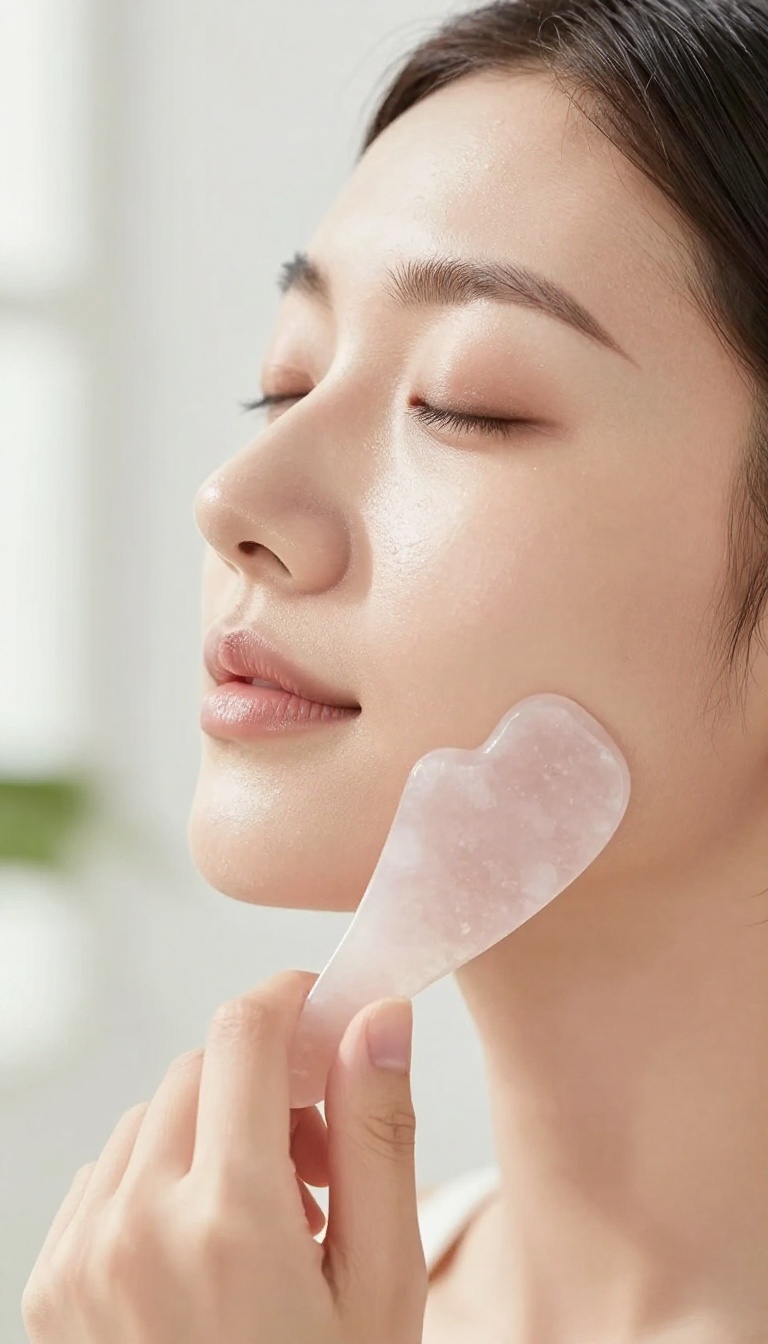
Your skin can look tired and puffy even when you've had enough sleep. A facial roller or gua sha tool is a simple way to wake up your complexion without adding extra products to your routine. The gentle massage helps move fluid that settles in your face overnight, so you look more refreshed in minutes.
Rolling or scraping your face isn't just a trendy spa move—it actually does something. The pressure helps stimulate blood flow, which brings oxygen to your skin cells and gives you that healthy flush. It also relaxes facial muscles, which can soften tension lines over time.
Plus, it feels amazing, especially if you keep your tool in the fridge for a cooling effect.
Why It Works
Your face has a network of lymph vessels that drain excess fluid. When you're dehydrated, sleep-deprived, or just woke up, that fluid can pool and cause puffiness. Using a roller or gua sha in upward, outward strokes encourages drainage and reduces swelling.
The improved circulation also delivers nutrients to your skin, making it look plumper and more even-toned.
How To Use It Right
Start with a clean face and apply a few drops of facial oil or serum so the tool glides smoothly. Use gentle pressure—you're not trying to sculpt a statue. Roll each section of your face for 30 seconds to a minute, moving from the center outward.
For gua sha, hold the tool at a 15-degree angle and sweep it along your jaw, cheeks, and forehead. Always finish with a light pat to help products absorb.
Make It A Ritual
The best results come from consistency. Try doing it every morning while your coffee brews or at night after cleansing. It only takes a few minutes, and it doubles as a mini self-care moment.
You'll notice your makeup goes on smoother, and your skin looks less puffy throughout the day.
14. Change Your Pillowcase Weekly
Your pillowcase is basically a sponge for everything your skin and hair leave behind overnight. Oil, sweat, dead skin cells, and product residue build up fast, creating a breeding ground for bacteria that can clog pores and cause breakouts. Washing it weekly is one of the simplest, most underrated habits for clearer skin.
Think about it: you spend about eight hours a night with your face pressed against that fabric. Every night, you're reapplying yesterday's grime to your skin. A quick switch to a clean pillowcase each week can make a noticeable difference, especially if you're prone to breakouts along your cheeks and jawline.
The 7-day Rule
Aim to swap your pillowcase every seven days. If you're sweaty, use heavy skincare products, or have acne-prone skin, consider doing it every three to four days. Set a reminder on your phone or tie it to a weekly chore, like laundry day, so it becomes automatic.
Choose The Right Fabric
Cotton is breathable and easy to wash, but silk or satin pillowcases can reduce friction and are gentler on skin and hair. They also absorb less moisture, which helps keep your skin's natural barrier intact. Just make sure to follow the care instructions so they stay in good shape.
Wash With A Gentle Detergent
Use a fragrance-free, hypoallergenic detergent to avoid irritating your skin. Hot water helps kill bacteria and dust mites, but check the label—some fabrics need cooler temps. Avoid fabric softeners, as they can leave a residue that may clog pores.
15. Get Enough Sleep (Yes, Really)

You've heard it a thousand times, but sleep is non-negotiable when it comes to your skin. While you're catching Z's, your body goes into repair mode, boosting collagen production and reducing the look of under-eye circles. Skimping on sleep doesn't just make you tired—it shows up on your face.
Aim for 7 to 9 hours of quality sleep each night. This isn't just about feeling rested; it's about giving your skin the time it needs to regenerate. If you struggle to get enough, try setting a consistent bedtime and creating a relaxing wind-down routine.
Why Sleep Matters For Your Skin
During deep sleep, your body increases blood flow to the skin, which helps it repair damage from UV exposure and pollution. It also regulates cortisol, a stress hormone that can break down collagen. Without enough sleep, your skin can look dull and tired, and fine lines become more noticeable.
Tips For Better Sleep
Keep your bedroom cool, dark, and quiet. Put away screens an hour before bed, and try a gentle skincare routine that signals your body it's time to wind down. A silk pillowcase can also reduce friction and help prevent sleep lines.
How To Make Up For Lost Sleep
If you've had a rough night, a quick 20-minute power nap can help, but don't rely on it. In the morning, use a cold compress or eye cream with caffeine to reduce puffiness. And try to get back on track with your sleep schedule as soon as possible.
FAQ
How long until I see results from these tips?
Most people notice a difference in 2-4 weeks, but it depends on your skin type and consistency. Stick with it for at least a month.
Can I use all these tips if I have sensitive skin?
Yes, but start slowly. Patch test new products and introduce one tip at a time. For exfoliation, choose gentle options like PHA.
Do I really need a separate sunscreen if my moisturizer has SPF?
It's better to use a dedicated sunscreen with SPF 30 or higher. Moisturizer with SPF often isn't applied in enough quantity to be effective.
What's the best way to apply vitamin C?
Apply a few drops to clean, dry skin in the morning before moisturizer. Wait a minute for it to absorb, then follow with sunscreen.
Can I over-exfoliate?
Yes. Over-exfoliating can damage your skin barrier, causing redness and irritation. Stick to 2-3 times a week and listen to your skin.
Conclusion
You don't need a 12-step routine or a cabinet full of fancy products to get that smooth, healthy glow—it's often the simple, consistent choices that add up. Start with one or two of these tips that feel doable for your lifestyle, and build from there. Your skin will thank you for the patience and the effort.
Remember, the goal isn't perfection; it's showing up for yourself every day. So pick your favorites, stick with them, and let your natural radiance do the talking.