
A radiant complexion isn't about perfection—it's about consistent, simple habits that make your skin feel as good as it looks. You don't need a 10-step routine or expensive products to see real changes. Small tweaks in how you cleanse, moisturize, and protect your skin can add up to a noticeable glow.
Think of this as your friendly guide to a skin reset. We're covering the essentials—hydration, exfoliation, sun protection, and more—with practical tips you can start using tonight. No fluff, just straightforward advice that fits into real life.
Ready to give your skin the attention it deserves? Let's dive into 23 glow-up tips that are easy to follow and actually work.
1. Double Cleanse at Night
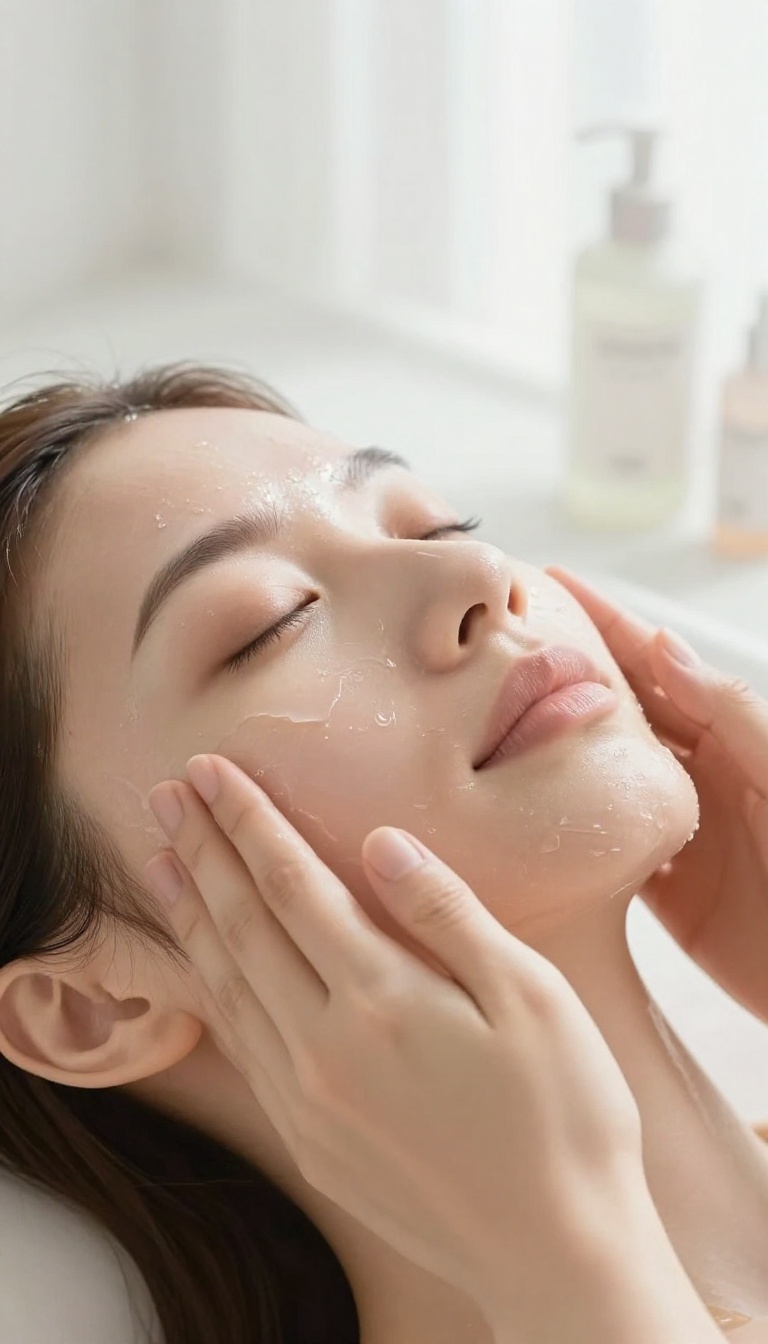
Your skin works hard all day, and by evening it's carrying a layer of makeup, sunscreen, sweat, and city grime. A single cleanser often can't remove everything, leaving residue that can clog pores and dull your glow. That's where double cleansing comes in—a simple two-step method that ensures your skin is truly clean and ready to absorb the good stuff you apply afterward.
Double cleansing is a game-changer for anyone who wears makeup or sunscreen regularly. It's not about scrubbing harder; it's about using the right cleansers in the right order. The first cleanse breaks down oil-based impurities, while the second cleanses away water-based debris.
The result? A fresh, balanced complexion that feels clean but never stripped.
Step 1: Oil-based Cleanser
Start with a cleansing oil or balm. Massage it gently over dry skin to dissolve makeup, sunscreen, and excess sebum. This step lifts the stubborn, oil-loving gunk that water alone can't budge.
Rinse thoroughly with lukewarm water—hot water can strip your skin's natural moisture.
Step 2: Water-based Cleanser
Follow up with a gentle foaming, gel, or cream cleanser suited to your skin type. Work it into damp skin, focusing on areas where sweat and dirt accumulate, like the T-zone. Rinse well and pat dry with a clean towel.
This second cleanse sweeps away any leftover residue and leaves your skin feeling fresh.
Why It Works
Double cleansing ensures your pores are truly clear, which helps your serums and moisturizers penetrate deeper. It also supports your skin's overnight repair process by giving it a clean canvas. Over time, you may notice fewer breakouts and a more even tone.
2. Exfoliate with AHAs or BHAs
Scrubbing your face with gritty beads might feel effective, but it can actually cause micro-tears and irritation. Chemical exfoliants like glycolic acid (an AHA) or salicylic acid (a BHA) work differently—they gently dissolve the bonds holding dead skin cells together, revealing the fresh, smooth skin underneath. This isn't about harsh resurfacing; it's about letting your skin renew itself naturally.
Unlike physical scrubs that rely on friction, AHAs and BHAs are acids that break down the "glue" between dead skin cells. AHAs are water-soluble and work on the skin's surface, making them great for dullness and fine lines. BHAs are oil-soluble, so they can penetrate deeper into pores to clear out excess oil and debris—perfect for blackheads and breakouts.
Incorporating these into your routine two to three times a week can dramatically improve your skin's texture and glow.
Pick The Right Acid For Your Skin
Glycolic acid is a powerhouse AHA for brightening and smoothing, but it can be strong for sensitive skin. Lactic acid is a gentler alternative that also hydrates. For BHA, salicylic acid is the go-to, especially if you have oily or acne-prone skin.
Start with a lower concentration (around 5-10% for AHAs, 1-2% for BHA) and patch test first.
How To Exfoliate Without Overdoing It
Begin with once a week to let your skin adjust, then gradually increase to two or three times. Apply the product to clean, dry skin in the evening, and always follow with a moisturizer. Avoid using other active ingredients like retinol on the same night to prevent irritation.
And never skip sunscreen the next day—chemical exfoliants can make your skin more sensitive to the sun.
Skip The Physical Scrubs
Walnut shells, sugar, and salt scrubs can feel satisfying but often cause invisible damage. They create tiny tears in the skin barrier, leading to redness and breakouts. If you love the feeling of exfoliation, try a gentle enzyme mask or a soft cloth with your cleanser instead.
Your skin will thank you for the kinder approach.
3. Hydrate with Hyaluronic Acid
If your skin feels tight or looks dull, it might be crying out for water, not oil. Hyaluronic acid is a hydration hero that works for every skin type, even oily ones. It's a molecule naturally found in your skin, and it acts like a sponge, pulling moisture from the air and deeper layers of your skin to the surface.
Applying it correctly makes all the difference. The trick is to put it on damp skin, not dry. This locks in that extra water and gives your complexion an instant plump, smooth look.
Fine lines appear softer, and your skin looks bouncier, like you just had a great night's sleep.
Hyaluronic acid is a powerhouse humectant that holds up to 1000 times its weight in water. When applied to damp skin, it draws moisture in and helps your skin retain it, giving you that dewy, smooth finish. It's lightweight, so it layers well under moisturizers and makeup, and it's gentle enough for daily use, morning and night.
You'll find hyaluronic acid in serums, creams, and even cleansers, but a dedicated serum gives the most noticeable results. For best absorption, apply it right after cleansing while your skin is still slightly wet. Follow with a moisturizer to seal everything in.
Over time, consistent use helps improve your skin's hydration levels, making it look healthier and more resilient.
Apply On Damp Skin
The biggest mistake is putting hyaluronic acid on dry skin. It needs water to grab onto. After washing your face, don't towel dry completely.
Leave your skin slightly damp, then apply a few drops of the serum. This helps the ingredient pull in that extra moisture and keeps it from dehydrating your skin instead.
Layer With A Moisturizer
Hyaluronic acid draws water in, but it needs a moisturizer to lock it there. After the serum sinks in, follow with a simple moisturizer that has ceramides or squalane. This creates a barrier that prevents water loss, so your skin stays plump and smooth for hours.
Use Daily, Morning And Night
Consistency is key. Use hyaluronic acid twice a day for the best results. In the morning, it preps your skin for makeup and gives a dewy base.
At night, it works with your skin's natural repair process. Over time, your skin's hydration levels improve, and you'll notice a lasting glow.
4. Never Skip Sunscreen
Sunscreen is the closest thing we have to a time machine for your skin. It's the one step that does the heavy lifting when it comes to preventing premature aging, dark spots, and that leathery texture nobody wants. Yet it's often the easiest to skip, especially when you're in a rush or it's cloudy outside.
But here's the thing: UV rays don't take a day off, and neither should your SPF. Making sunscreen a non-negotiable part of your morning routine is a small habit with massive payoffs. Think of it as your daily shield against the sun's sneaky aging rays.
Daily SPF 30+ protects against UV damage that causes premature aging and dark spots. Apply it as the last step of your morning routine, even on cloudy days, and reapply every two hours if outdoors.
Why Spf 30 Is The Sweet Spot
SPF 30 blocks about 97% of UVB rays, which is plenty for everyday wear. Higher SPFs offer only marginal extra protection, so don't stress about hitting 50 or 100. The key is using enough—about a nickel-sized dollop for your face—and reapplying regularly.
Make It A Morning Habit
Slip sunscreen into your routine right after moisturizer and before makeup. If you're using a moisturizer with SPF, that's fine, but make sure it's at least SPF 30 and you're applying the right amount. For extra convenience, try a sunscreen that doubles as a primer or has a tinted finish.
Don't Forget Your Neck And Hands
Your face gets all the attention, but your neck and hands show age just as quickly. Apply sunscreen down to your collarbone and over the backs of your hands every morning. It's a simple step that keeps your skin looking consistent and youthful all over.
5. Use Vitamin C in the Morning

Morning is when your skin needs the most protection, and vitamin C is your best ally. This antioxidant brightens dullness, fades dark spots, and shields against environmental damage. Adding it to your AM routine is one of the simplest ways to see a visible glow.
Vitamin C works best in the morning because it neutralizes free radicals from UV rays and pollution before they can cause oxidative stress. It also boosts collagen production, which keeps skin firm and smooth. Over time, it helps even out skin tone and reduce the look of dark spots.
Pick The Right Formula
Look for a serum with 10–20% vitamin C, ideally in the form of ascorbic acid. Check the packaging—it should be dark or opaque to protect the ingredient from light. Start with a lower concentration if you have sensitive skin, and patch test first.
Layer It Correctly
Apply vitamin C on clean, dry skin before moisturizer. Wait a minute for it to absorb, then follow with a hydrating moisturizer and sunscreen. This order ensures the vitamin C penetrates effectively and stays protected.
Be Consistent
Use it every morning for at least 8–12 weeks to see noticeable changes. Don't mix it with niacinamide at the same time unless your skin tolerates it—some people experience flushing. If that happens, use one in the morning and the other at night.
6. Moisturize While Skin Is Damp
The order of your skincare routine matters more than you think. If you wait too long after cleansing to apply moisturizer, you're missing out on a simple way to boost hydration. Applying moisturizer to damp skin helps lock in that extra moisture, leaving your face softer and more supple.
When your skin is still slightly damp, it acts like a sponge, absorbing the moisturizer more effectively. This technique is especially helpful if you have dry or dehydrated skin, but it works for all skin types. It's a small timing tweak that can make a big difference in how your skin feels.
Why Damp Skin Works Better
Your skin naturally contains water, and when you apply moisturizer on top of dampness, you're trapping that water in. This helps strengthen your skin barrier and keeps it hydrated for longer. On dry skin, the moisturizer has to pull water from deeper layers, which isn't as effective.
How To Do It Right
After cleansing or toning, gently pat your face with a towel so it's not dripping but still damp. Then apply your moisturizer within 60 seconds. Use gentle upward strokes, and let it absorb for a minute before moving on to sunscreen or makeup.
When To Skip This Step
If you use active ingredients like retinol or acids, apply them to dry skin first and wait a few minutes before moisturizing. This prevents irritation. Also, if your skin is very oily, you might prefer a lighter gel moisturizer on damp skin to avoid feeling heavy.
7. Add a Facial Oil for Extra Glow
If your skin still looks dull after moisturizing, a facial oil might be the missing step. Oils help lock in hydration and give your complexion a lit-from-within look. The trick is picking the right texture and using it correctly.
Lightweight oils like squalane or rosehip seed oil are fantastic for adding a natural sheen without feeling heavy. They mimic your skin's own oils, so they absorb quickly and don't clog pores. A few drops pressed into your skin at night can work wonders, or you can mix a drop or two with your moisturizer for an instant dewy finish.
Why Lightweight Oils Work
Squalane and rosehip seed oil are packed with fatty acids that strengthen your skin barrier. They seal in moisture and keep your skin soft and supple. Unlike heavier oils, they won't leave a greasy residue, making them perfect for most skin types.
How To Apply For Best Results
Warm a few drops between your fingertips, then gently press them onto your face and neck. Do this after your moisturizer at night to lock everything in. In the morning, mix a drop with your moisturizer to boost your glow without looking oily.
Choosing The Right Oil For Your Skin
If you're oily or acne-prone, go for squalane—it's non-comedogenic and balances oil production. For dry or mature skin, rosehip seed oil is richer and helps with elasticity. Start with a small amount and adjust based on how your skin feels.
8. Sleep on a Silk Pillowcase

Your pillowcase might be undoing all your hard work while you sleep. Cotton, while soft, creates friction that can tug at your skin and hair throughout the night. Switching to silk is a simple swap that pays off in smoother skin and fewer sleep creases.
Silk's smooth surface lets your skin glide instead of drag, which means less chance of waking up with those temporary lines that can eventually etch in. It's also gentler on hair, reducing breakage and frizz. Plus, silk is less absorbent than cotton, so your skin keeps more of its natural moisture and your nighttime skincare stays where it belongs—on your face.
Why Silk Beats Cotton
Cotton fibers are rough on a microscopic level, creating friction that can irritate skin and cause sleep lines. Silk's tightly woven, smooth fibers reduce that drag, making it a kinder surface for your delicate facial skin. Over time, less friction means fewer fine lines and less irritation.
Hydration Lock-in
Cotton absorbs moisture from your skin and your products, leaving you drier by morning. Silk, on the other hand, is less thirsty. It helps your skin retain its natural oils and keeps your serums and moisturizers working overnight, so you wake up with a plumper, more hydrated complexion.
Hair Benefits Too
It's not just your skin that benefits. Silk's smooth surface reduces hair breakage and split ends, and it helps prevent that dreaded bedhead. If you have curly or fragile hair, silk can be a game-changer, keeping your strands smoother and less tangled.
9. Stay Hydrated Inside Out
Your skin is mostly water, so it's no surprise that hydration plays a huge role in how it looks and feels. When you're dehydrated, your skin can look dull, tight, and more prone to fine lines. Drinking enough water is one of the simplest, most affordable ways to support a healthy glow.
But hydration isn't just about what you drink—it's also about what you eat. Water-rich foods can give your skin an extra boost, helping you stay hydrated from the inside out. Let's look at how to make hydration work for your skin.
Why Water Matters For Your Skin
Water helps maintain your skin's elasticity and suppleness. When you're well-hydrated, your skin cells are plump, which can reduce the appearance of fine lines and give you a more youthful look. It also helps flush out toxins that can contribute to breakouts and dullness.
Even mild dehydration can make your skin look tired and sallow. So, making sure you're drinking enough is a foundational step in any glow-up routine.
How Much Water Do You Really Need?
The classic advice is eight glasses a day, but that's a starting point, not a magic number. Your needs can vary based on your activity level, climate, and diet. A good rule of thumb is to drink when you're thirsty and check that your urine is light yellow.
If you find plain water boring, try infusing it with fruits or herbs for a refreshing twist. You can also set reminders on your phone to sip throughout the day.
Eat Your Water With Hydrating Foods
Foods with high water content can contribute significantly to your daily intake. Cucumbers, watermelon, oranges, and strawberries are all over 90% water. Adding these to your meals and snacks is a tasty way to boost hydration.
These foods also bring vitamins and antioxidants that support skin health. For example, watermelon has lycopene, which can help protect your skin from sun damage. So, snack smart and let your skin reap the benefits.
10. Eat Antioxidant-Rich Foods
What you put on your plate shows up on your face. Antioxidants are like your skin's personal repair crew, neutralizing the free radicals that cause premature aging and dullness. By loading up on colorful fruits, veggies, and nuts, you're giving your skin the tools it needs to stay smooth and glowing from the inside out.
Berries: Tiny But Mighty
Blueberries, strawberries, and raspberries are packed with vitamin C and anthocyanins, which help boost collagen production and protect against UV damage. A handful a day is an easy win—toss them into your oatmeal or blend them into a smoothie.
Leafy Greens: The Skin Superstars
Spinach, kale, and Swiss chard are rich in vitamins A, C, and E, plus lutein, which keeps skin hydrated and elastic. Add a handful to your salad or sauté them with garlic for a tasty side dish.
Nuts And Seeds: Healthy Fats For A Healthy Glow
Almonds, walnuts, and sunflower seeds deliver vitamin E and omega-3s that strengthen your skin barrier and lock in moisture. A small handful as a snack or sprinkled over yogurt is all you need.
11. Get Enough Sleep
Your skin does its best repair work while you're catching Zzz's. When you're sleep-deprived, your body pumps out more cortisol, which can break down collagen and lead to dullness, fine lines, and dark circles. Aim for 7-9 hours of quality shut-eye each night to wake up looking refreshed and glowing.
Sleep is your skin's natural reset button. During deep sleep, blood flow increases, and your skin cells regenerate faster. Plus, your body produces growth hormone, which helps repair daily damage.
Skimping on sleep not only shows up as puffy eyes and sallow skin but also makes your skin more prone to breakouts and irritation. Prioritizing rest is one of the simplest, most effective glow-up tips you can follow.
Stick To A Consistent Sleep Schedule
Going to bed and waking up at the same time every day—even on weekends—helps regulate your body's internal clock. This consistency improves sleep quality, so your skin gets the full benefit of its overnight repair cycle. Try setting a relaxing bedtime routine, like reading or taking a warm bath, to signal your body it's time to wind down.
Upgrade Your Sleep Environment
Your bedroom should be a sanctuary for sleep. Keep it cool, dark, and quiet. Consider blackout curtains, a white noise machine, or a comfortable pillow.
Also, invest in a silk pillowcase—it's gentler on your skin and reduces friction that can cause sleep lines and wrinkles. Plus, silk absorbs less moisture, helping your skin stay hydrated overnight.
Avoid Late-night Snacks And Screens
Eating heavy meals or snacking on sugary treats right before bed can spike your blood sugar and interfere with sleep. And the blue light from your phone or laptop can suppress melatonin, making it harder to fall asleep. Try to finish eating at least two hours before bed and put away screens 30 minutes before you hit the pillow.
Your skin—and your energy—will thank you.
12. Manage Stress Levels

Stress doesn't just mess with your mood—it shows up on your skin. When you're constantly on edge, your body pumps out cortisol, a hormone that can trigger breakouts, redness, and even premature aging. The good news?
You don't need a spa day to fight back. Simple stress-busting habits can calm your mind and your complexion.
Chronic stress is a silent saboteur for your skin. It disrupts your skin's barrier, making it more sensitive and prone to irritation. It also increases oil production, which can clog pores and lead to acne.
But when you actively manage stress, you help your skin stay balanced and resilient. Even a few minutes of daily relaxation can make a noticeable difference in how your skin looks and feels.
Try Box Breathing
When stress spikes, your body goes into fight-or-flight mode, which can worsen skin flare-ups. Box breathing—inhale for 4 counts, hold for 4, exhale for 4, hold for 4—can quickly lower cortisol levels. Do it for a few minutes in the morning or before bed to keep your skin calm.
Move Your Body
Exercise isn't just for your muscles—it's a natural stress reliever. Physical activity boosts endorphins and improves blood flow, which helps deliver oxygen and nutrients to your skin. Even a brisk 20-minute walk can help clear your mind and give your skin that post-workout glow.
Create A Wind-down Routine
Your evening routine can be a powerful stress reducer. Instead of scrolling on your phone, try reading, gentle stretching, or a warm bath. These activities signal your body to relax, which can improve sleep and reduce stress-related skin issues.
A consistent wind-down routine also helps your skin repair overnight.
13. Exercise Regularly
Breaking a sweat does more than boost your mood—it gives your skin a natural, healthy-looking flush. When you exercise, your heart rate climbs and blood flow increases, delivering oxygen and essential nutrients to your skin cells. That's why post-workout skin often looks brighter and more alive.
But here's the catch: sweat can mix with dirt and oil, leading to clogged pores if you don't rinse off afterward. A quick cleanse after your session keeps those benefits from backfiring. So, lace up those sneakers—your skin will thank you.
Regular exercise is a cornerstone of a healthy glow, but it's not just about the immediate flush. Over time, consistent physical activity supports collagen production, which keeps skin firm and elastic. It also helps reduce stress hormones that can trigger breakouts and dullness.
To get the most out of your workouts without compromising your skin, follow these simple habits before and after you hit the gym.
Pre-workout Prep
If you wear makeup, consider removing it before exercising. Sweat and makeup mix, which can trap bacteria in your pores. A quick cleanse or a micellar water swipe is enough.
Also, tie back your hair to keep it off your face, especially if you're using styling products.
Post-workout Cleanse
Sweat itself isn't the enemy—it's the lingering residue. Wash your face with a gentle cleanser within 20 minutes after your workout. This clears away sweat, oil, and any impurities before they settle in.
Follow with a lightweight moisturizer to keep your skin balanced.
Don't Skip The Shower
A full shower after exercise helps prevent body breakouts, especially on your back and chest. Use a mild body wash and avoid harsh scrubbing. Pat your skin dry and apply a non-comedogenic moisturizer to keep those areas smooth.
14. Use a Humidifier at Night
When the air in your bedroom turns dry, your skin pays the price. Cranking up the heat or cranking down the AC can strip moisture from the air—and from your face. A humidifier is a simple fix that works while you sleep, helping your skin hold onto the hydration it needs to look smooth and healthy.
Running a humidifier at night adds moisture back into the air, which means your skin doesn't have to fight to stay hydrated. Dry air can make your skin feel tight, flaky, or itchy, especially in winter or in air-conditioned rooms. By keeping the air moist, you reduce that moisture loss and wake up with a more supple, comfortable complexion.
Why Dry Air Wreaks Havoc On Skin
Low humidity pulls water from the outermost layer of your skin, leaving it dehydrated and more prone to irritation. Over time, this can make fine lines look more noticeable and dullness set in. A humidifier helps maintain a balanced environment so your skin barrier stays strong.
How To Get The Most From Your Humidifier
Place the humidifier near your bed but not directly facing you, and aim for a humidity level around 40–60%. Use distilled water to avoid mineral dust, and clean the unit regularly to prevent mold or bacteria. For an extra boost, add a few drops of a gentle essential oil like lavender—just make sure it's safe for your skin type.
Pair It With Your Night Routine
Apply your moisturizer or facial oil right before bed, then let the humidifier lock in that extra hydration. You can also keep a hydrating mist on your nightstand and spritz your face in the morning for a fresh start. The combo of topical moisture and ambient humidity works wonders.
15. Don't Overwash Your Face
It's tempting to wash your face every time it feels oily or sweaty, but more washing isn't better. Overwashing strips away your skin's natural protective oils, leaving it dry, tight, and prone to irritation. The result?
Your skin may actually produce more oil to compensate, creating a frustrating cycle.
Stick to washing your face twice a day—once in the morning and once at night. Use lukewarm water, as hot water can further dry out your skin. If you feel the need to freshen up midday, just splash with water or use a gentle toner instead of a full cleanse.
The Right Frequency
Two times a day is the sweet spot for most skin types. Overwashing can disrupt your skin barrier, leading to redness and sensitivity. If you have very dry skin, consider washing only at night and just rinsing with water in the morning.
Choose The Right Cleanser
Use a gentle, sulfate-free cleanser that won't strip your skin. Harsh soaps can leave your face feeling squeaky clean, but that's actually a sign of over-cleansing. Look for hydrating ingredients like glycerin or ceramides.
Listen To Your Skin
Pay attention to how your skin feels after washing. If it feels tight or itchy, you're likely washing too often or using a product that's too harsh. Adjust your routine accordingly—your skin will thank you.
16. Try a Weekly Face Mask
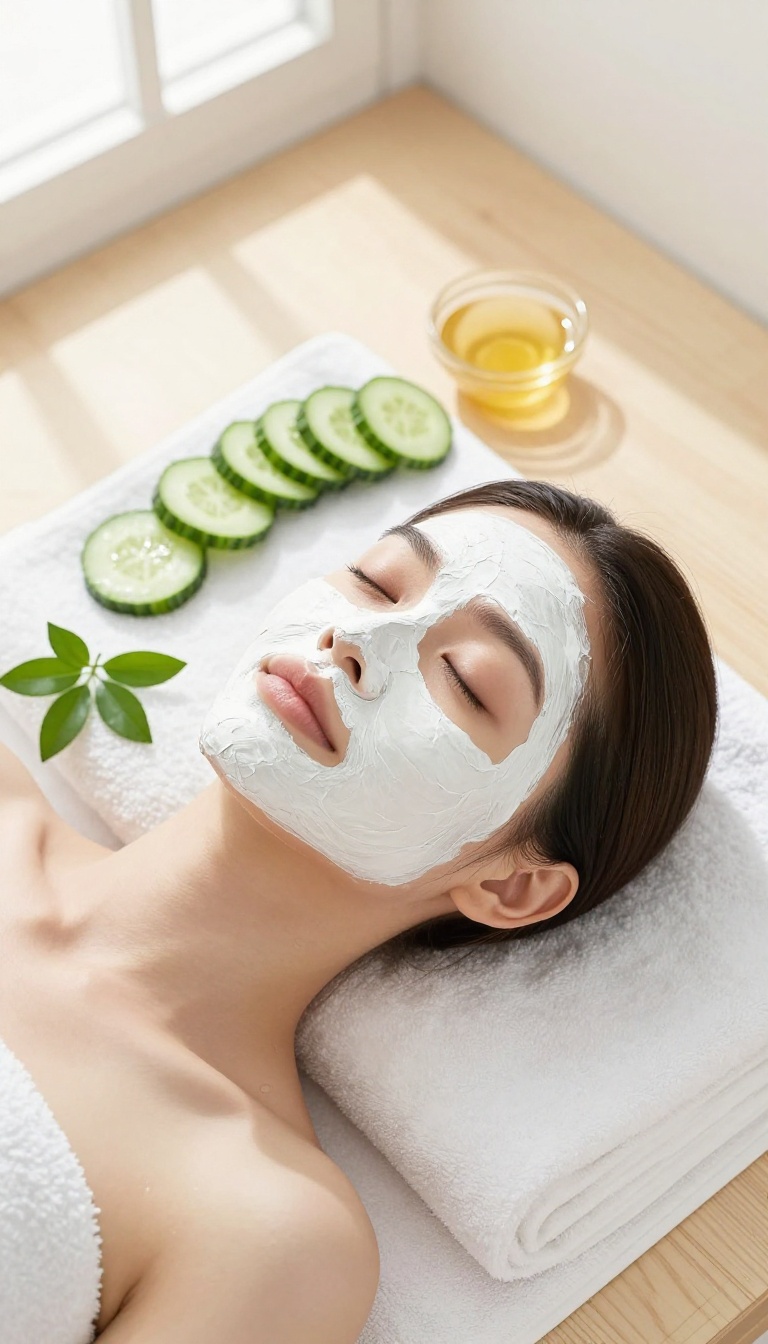
Face masks are like a quick spa session at home—they deliver a concentrated dose of actives exactly when your skin needs it. Whether you're dealing with clogged pores or a dull complexion, a weekly mask can target specific concerns without overhauling your routine. Think of it as a mini reset.
Clay masks pull out impurities, while hydrating sheet masks plump and soothe. The key is matching the mask to your skin's current mood, not just picking the trendiest option.
Clay masks are the go-to for oily or combination skin. They absorb excess oil and draw out the gunk that clogs pores, leaving your face feeling clean and refreshed. If your skin leans dry or sensitive, a hydrating sheet mask soaked in serums can calm and replenish without stripping.
Apply your mask after cleansing, when your pores are most receptive. Leave it on for the recommended time—usually 10 to 15 minutes—then rinse off with warm water. Follow with your usual moisturizer to lock in the benefits.
Choose The Right Mask For Your Skin
Not all masks are created equal. For oily skin, look for clay or charcoal masks that absorb excess oil and minimize the look of pores. Dry skin?
Go for hyaluronic acid or glycerin-based sheet masks that drench your skin in moisture. Sensitive skin types should stick to soothing ingredients like aloe vera or oatmeal to avoid irritation.
How To Get The Most Out Of Your Mask
Start with a clean face so the mask can actually penetrate. Apply an even layer, avoiding the eye area. While it works, relax—this isn't the time to multitask.
Rinse off thoroughly, then gently pat your skin dry. Finish with a moisturizer to seal in the benefits, especially if you used a clay mask that can be slightly drying.
17. Incorporate Retinol for Cell Turnover
Retinol is a skincare powerhouse that works behind the scenes to speed up cell renewal, revealing fresher, smoother skin. It's a go-to for tackling fine lines, uneven texture, and dullness. If you've been curious about adding it to your routine, here's how to do it right without irritating your skin.
Start slow and steady. Begin with a low concentration (like 0. 25% or 0.
3%) and apply it just two or three nights a week. This lets your skin adjust. Over time, you can increase frequency as your skin builds tolerance.
Always apply retinol to clean, dry skin, and follow with a moisturizer to lock in hydration.
Start Low And Slow
Don't jump into daily use. Begin with a pea-sized amount on alternate nights. If you notice redness or peeling, dial back.
Consistency beats intensity—your skin will thank you.
Pair With Moisturizer
Retinol can be drying, so layering it with a gentle, fragrance-free moisturizer helps maintain your skin barrier. You can even use the sandwich method: moisturizer, retinol, then more moisturizer to buffer irritation.
Never Skip Sunscreen
Retinol makes your skin more sensitive to UV rays. The next morning, apply a broad-spectrum SPF 30 or higher. This protects your skin and prevents the very damage you're trying to reverse.
18. Don't Forget Your Neck and Chest
Your face gets all the attention, but your neck and chest are just as exposed to the sun and time. These areas often show signs of aging before your face does, and they need the same care to stay smooth and firm. Extending your routine down a few inches can make a big difference in how youthful your skin looks overall.
Treat your neck and chest like an extension of your face. When you apply serum, moisturizer, or sunscreen, don't stop at your jawline—sweep it down to your collarbone and décolletage. This simple habit keeps the skin there hydrated and protected, preventing crepey texture and fine lines from forming.
Use The Same Products
Whatever you use on your face—cleanser, toner, moisturizer, or treatment—can work on your neck and chest. The skin there is slightly thinner and has fewer oil glands, so it benefits from the same hydrating and anti-aging ingredients. Just apply a little extra product to cover the area.
Don't Skip Sunscreen
The neck and chest are prime spots for sun damage, especially if you wear V-necks or open collars. Apply sunscreen every morning, and reapply if you're spending time outdoors. Look for a lightweight formula that won't feel sticky or leave white marks on clothing.
Massage And Stretch
Gentle massage can boost circulation and help products absorb better. Use upward strokes from your collarbone to your chin. Also, be mindful of your posture—looking down at your phone or hunching over can create 'tech neck' lines.
Stretching your neck and keeping your chin up helps prevent those creases.
19. Use a Clean Towel and Pillowcase

Your skin spends hours pressed against your pillowcase every night, and your towel touches your face right after cleansing. Both can become breeding grounds for bacteria, oil, and dead skin cells. If you're diligent about your skincare but still see breakouts, these everyday fabrics might be the culprit.
Switching to a fresh pillowcase every few days and using a clean towel each time you wash your face is a simple, zero-cost habit that can dramatically improve your skin. It reduces the transfer of dirt and bacteria, helping to prevent clogged pores and irritation. Make it part of your routine—keep a stack of clean pillowcases nearby and grab a fresh towel before you cleanse.
Why Pillowcases Matter
Your pillowcase collects oil, sweat, and product residue night after night. Sleeping on the same one for weeks means you're pressing all that buildup back into your pores. Changing it every two to three days keeps your skin's overnight environment cleaner and reduces the chance of waking up with new blemishes.
Towel Hygiene 101
Using the same towel for a week can harbor bacteria that lead to breakouts. Instead, use a fresh, clean towel every time you pat your face dry. Choose a soft cotton towel and gently blot—rubbing can irritate skin.
If you're prone to acne, consider using a disposable paper towel or a dedicated face towel that you wash frequently.
Quick Tips To Stay Consistent
Set a reminder on your phone to change your pillowcase every few days, or keep a stack of clean ones in your bedroom. For towels, designate a specific color for your face and toss it in the laundry after each use. These small habits become automatic with a little practice and make a big difference over time.
20. Avoid Touching Your Face
Your hands are busier than you think—they touch doorknobs, phones, keyboards, and countless other surfaces throughout the day. Each time you rest your chin on your palm or absentmindedly brush a stray hair, you're transferring dirt, oil, and bacteria onto your skin. That can clog pores, trigger breakouts, and even cause irritation, undoing the hard work of your skincare routine.
Breaking the habit of touching your face isn't easy, but it's one of the simplest ways to protect your skin. Start by noticing when you do it—many people touch their face without realizing it. Keep your hands busy with a stress ball or fidget toy, and always wash them before applying any skincare products.
If you need to itch or adjust your glasses, use a tissue or the back of your hand instead of your fingertips.
Why Hands Are A Problem
Your hands come into contact with countless surfaces throughout the day, picking up dirt, oil, and bacteria. When you touch your face, you transfer all of that directly onto your skin. This can clog pores, lead to breakouts, and even spread infections.
Think of your hands as the dirtiest part of your body—treat them accordingly.
How To Stop Touching
Breaking the habit takes awareness and a few tricks. Keep your hands busy with a stress ball or fidget toy, especially during times when you're likely to touch your face, like while watching TV or working. You can also place sticky notes as reminders.
If you need to itch or adjust your glasses, use a tissue or the back of your hand instead of your fingertips.
When You Must Touch
There are times when touching your face is unavoidable—like washing it or applying products. In those cases, always wash your hands thoroughly first. Use a gentle cleanser and warm water, and scrub for at least 20 seconds.
This removes most of the dirt and bacteria, so you're not introducing new problems to your skin.
21. Protect Your Skin from Pollution
City air isn't just hard on your lungs—it's tough on your skin too. Microscopic particles from exhaust, smoke, and even indoor pollutants can settle on your face and trigger oxidative stress. That's a fancy way of saying they can make your skin look dull and tired.
The good news? A few simple habits can build a barrier against the grime. By adding antioxidants to your routine and being thorough with your evening cleanse, you can keep your complexion looking fresh and clear.
Pollution particles are small enough to sneak into your pores and cause free radical damage. Over time, that can lead to premature fine lines and a loss of radiance. The fix isn't complicated: think of antioxidants as your skin's personal bodyguards, and your nightly cleanse as the cleanup crew.
Start Your Day With Antioxidants
Before you head out, apply a vitamin C serum or another antioxidant product. These ingredients neutralize free radicals before they can do harm. A few drops in the morning under your moisturizer and sunscreen is all it takes.
Double Cleanse In The Evening
One cleanse might not be enough to remove pollution, sunscreen, and makeup. Try a double cleanse: first with an oil-based cleanser to break down stubborn residue, then a gentle water-based cleanser to wash away the rest. Your skin will feel clean without feeling stripped.
Add A Barrier-boosting Moisturizer
A strong moisture barrier makes it harder for pollutants to penetrate. Look for ceramides or niacinamide in your moisturizer. These ingredients help reinforce your skin's natural defense, keeping irritants out and hydration in.
22. Consider a Healthy Diet for Skin
What you eat shows up on your face more than you might think. A diet rich in omega-3 fatty acids—found in salmon, walnuts, and flaxseeds—helps maintain your skin's lipid barrier, keeping it hydrated and resilient. Meanwhile, antioxidants from colorful fruits and veggies fight oxidative stress that can lead to dullness and fine lines.
Your skin is a reflection of your overall health, and nutrition plays a huge role. Processed foods and excess sugar can trigger inflammation and breakouts, while whole foods support a clear, glowing complexion. You don't need a strict diet—just focus on adding more nutrient-dense options to your meals.
Omega-3s For A Strong Barrier
Omega-3 fatty acids are essential for maintaining the skin's lipid barrier, which locks in moisture and keeps irritants out. Include fatty fish like salmon or mackerel twice a week, or snack on walnuts and chia seeds. If you're plant-based, consider an algae-based supplement.
Antioxidants To Fight Free Radicals
Free radicals from UV exposure and pollution accelerate aging. Antioxidants like vitamin C (citrus, berries) and vitamin E (nuts, seeds) neutralize these harmful molecules. A colorful plate—think leafy greens, bell peppers, and sweet potatoes—gives your skin a natural defense boost.
Hydrating Foods For Extra Glow
Water-rich foods like cucumber, watermelon, and celery contribute to your daily hydration and help plump the skin. Pair them with healthy fats like avocado to help your body absorb fat-soluble vitamins. These simple swaps can make a visible difference in your skin's radiance.
23. Be Consistent with Your Routine
Ever feel like you're doing everything right but your skin still isn't cooperating? That's often because we give up too soon. Skin cells need time to turn over, and products need weeks to show their true effects.
Think of your skincare routine like a workout plan—you wouldn't expect abs after one gym session. The same goes for your face. Stick with it for at least a month, and you'll start seeing the glow you've been chasing.
Consistency is the secret sauce in any skincare routine. When you use the same products daily, your skin learns to respond better. It balances oil production, repairs moisture barrier, and calms inflammation over time.
Skipping days confuses your skin and resets your progress. Set a simple morning and evening routine that takes less than five minutes. Place your products where you'll see them, like next to your toothbrush.
Make it a habit you don't have to think about—that's when real results happen.
Give It Time
Most skincare products need 4 to 6 weeks to show visible changes. That's one full skin cycle. If you switch products every week, you'll never know what actually works.
Pick a routine and commit to it for at least a month before judging the results.
Track Your Progress
Take a photo once a week in the same lighting. It's easy to miss small improvements when you look in the mirror daily. A side-by-side comparison after a month can be surprisingly motivating.
You might notice fewer breakouts, smoother texture, or a brighter tone.
Make It Easy
Keep your routine simple enough to stick with. If you have too many steps, you'll skip them on busy days. A cleanser, moisturizer, and sunscreen in the morning; a cleanser and night cream at night is enough for most people.
Once that feels automatic, you can add extras like serums or exfoliants.
FAQ
How long does it take to see results from a skincare routine?
Most people notice improvements in hydration and texture within 2-4 weeks, but significant changes like fading dark spots or smoothing fine lines can take 8-12 weeks. Consistency is key.
Can I use all these tips at once?
It's best to introduce new products gradually to avoid overwhelming your skin. Start with the basics like cleansing, moisturizing, and sunscreen, then add actives like vitamin C or retinol one at a time.
What's the best way to apply sunscreen?
Apply a generous amount (about a nickel-sized dollop for your face) as the last step of your morning routine. Reapply every two hours if you're outdoors or near windows.
Do I need to exfoliate if I use retinol?
Yes, but be gentle. Retinol already increases cell turnover, so you may not need to exfoliate as often. If you do, use a mild chemical exfoliant once a week and avoid over-exfoliating.
Can I skip moisturizer if I have oily skin?
No, even oily skin needs hydration. Use a lightweight, oil-free moisturizer to keep your skin balanced. Skipping it can actually cause your skin to produce more oil.
Conclusion
These 23 tips are your toolkit for a skin glow up. You don't need to do everything at once—pick a few that resonate with you and start there. Small, consistent steps will lead to smoother, healthier-looking skin over time.
Remember, your skin is unique, so listen to what it needs. With a little patience and care, you'll see the glow you've been aiming for. Here's to your best skin yet!