Walking into a new school year can feel like stepping onto a stage. You want to look put-together, but also feel ready for whatever gets thrown at you.
That's where a glow up comes in—not just a surface-level makeover, but a real reset that touches your habits, your space, and your mindset. A glow up isn't about becoming someone else.
It's about polishing the best parts of you and building routines that make everyday life smoother. Whether you're starting high school, college, or just want to feel more confident in your daily routine, these ideas are designed to be practical and doable.
1. Start Your Day with a 10-Minute Reset
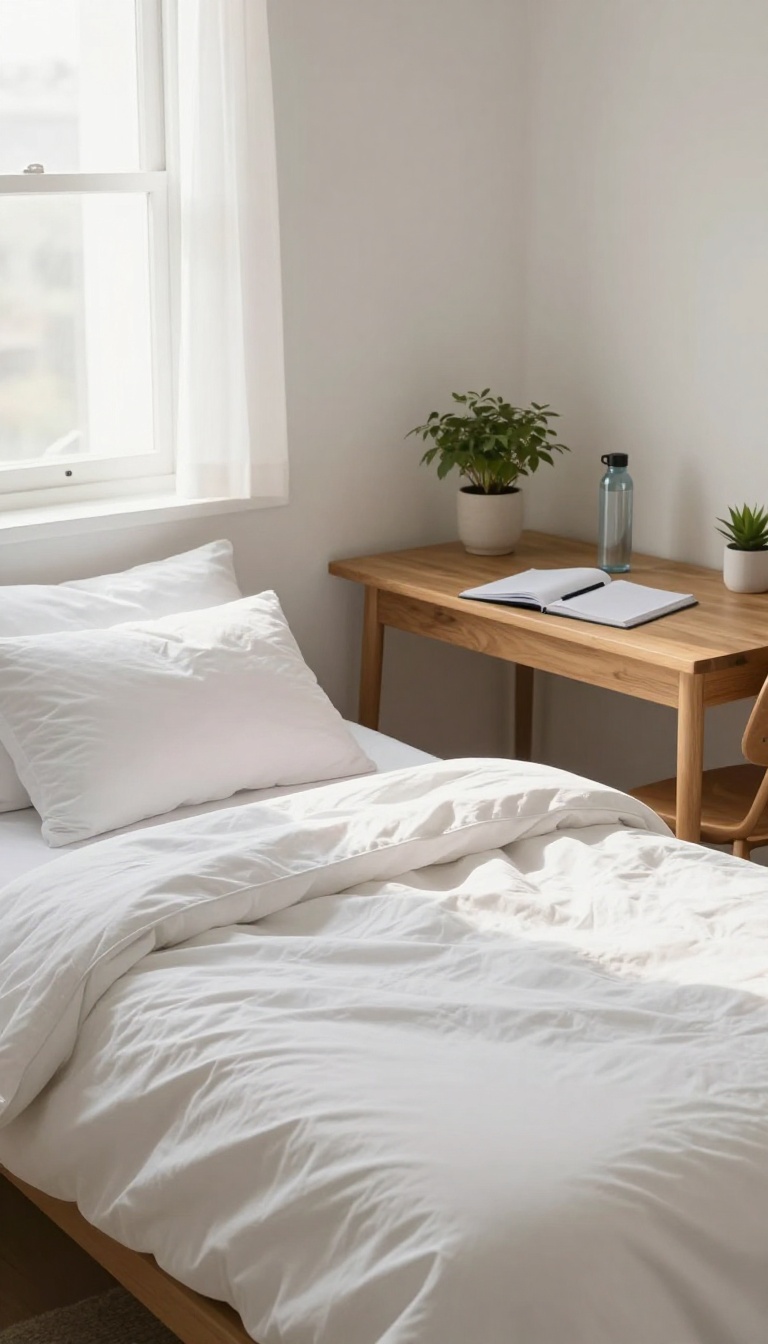
Mornings can set the tone for the entire day, but they don't have to be chaotic. A short, intentional reset can help you feel grounded and ready to tackle classes, projects, and social interactions. The goal isn't to add more to your plate—it's to create a simple ritual that calms your mind and organizes your thoughts.
A 10-minute reset doesn't mean overhauling your entire morning. It's about choosing a few small actions that make a big difference. Start by making your bed—it's a quick win that instantly makes your space feel neater.
Then, spend a few minutes stretching or doing deep breathing to wake up your body and clear your head. Finally, take a moment to review your schedule for the day, so you know exactly what's ahead.
Tidy Your Space
A cluttered room can lead to a cluttered mind. Spend two minutes clearing off your desk or organizing your backpack. Even just fluffing your pillows or putting away stray items can make your environment feel more controlled.
When your space looks ready, you'll feel more ready too.
Move Your Body
You don't need a full workout to feel energized. A few gentle stretches, a quick walk around the block, or even some jumping jacks can get your blood flowing. This helps shake off any morning grogginess and boosts your focus for the first class.
Set Your Intention
Before you head out, take a minute to think about what you want to achieve today. It could be something simple like 'I'll participate in class' or 'I'll stay focused during study hall. ' Having a clear intention gives you a sense of purpose and helps you stay on track when distractions pop up.
2. Upgrade Your Backpack Organization
Your backpack is basically your mobile command center. When it's a black hole of loose pens and crumpled papers, you waste time digging around and start the day feeling frazzled. A little structure goes a long way in making you feel calm and prepared.
Start by emptying everything out and sorting into piles: keep, toss, and relocate. Then, add a few simple organizers to give everything a home. You'll be amazed at how much lighter your bag feels—both physically and mentally.
Use Clear Pouches For Small Items
Clear cosmetic pouches or pencil cases are perfect for grouping similar items. Use one for chargers and cables, another for hygiene essentials like hand sanitizer and lip balm, and a third for stationery. Being able to see what's inside at a glance saves precious time between classes.
Designate A Spot For Papers
Instead of shoving handouts and notes into the main compartment, use a dedicated folder or accordion file. Color-code by subject or use labeled dividers. This way, you'll never lose an important assignment again, and you'll look super organized.
Keep Daily Essentials Within Reach
Your phone, keys, and ID should be in an easy-to-reach pocket, not buried at the bottom. Many backpacks have a front pocket or a hidden side pocket—use it. You'll avoid the frantic pat-down when you need to get into your locker or grab your lunch.
3. Create a Skincare Routine That Works for You
Your skin is the first thing people notice, and a solid routine can make you look and feel more awake, even on early mornings. You don't need a 10-step process or fancy products—just a few simple habits that fit your lifestyle. The goal is to keep things clear and healthy without turning skincare into a chore.
Start by figuring out your skin type—oily, dry, combination, or sensitive. This helps you pick the right cleanser and moisturizer. A basic routine includes cleansing, moisturizing, and sunscreen.
In the morning, wash your face and apply moisturizer with SPF. At night, remove makeup or dirt, then moisturize again. That's it.
Consistency matters more than the number of steps.
Know Your Skin Type
Not sure if you're oily or dry? Wash your face with a gentle cleanser, pat dry, and wait an hour. If your skin feels tight, you're likely dry.
If it looks shiny, you're oily. Combination skin means some areas are dry, others oily. This simple test helps you choose products that work, not just what's trendy.
Keep It Simple And Consistent
A routine with too many steps is hard to stick with. Start with a cleanser, moisturizer, and sunscreen. Use them every day, morning and night.
Once that feels normal, you can add a treatment like a salicylic acid spot treatment for breakouts. But don't overload your skin—more products can cause irritation.
Don't Forget Sunscreen
Sunscreen is the most important step for healthy skin. It prevents sunburn, premature aging, and reduces the risk of skin cancer. Choose a broad-spectrum SPF 30 or higher and apply it every morning, even on cloudy days.
If you're outdoors, reapply every two hours. It's a small habit with big payoff.
4. Plan Your Outfits for the Week
Deciding what to wear each morning can eat up precious time and add unnecessary stress. When you plan your outfits in advance, you free up mental energy for more important things—like acing that pop quiz or making it to class on time. Plus, a little prep can make you look more polished and put-together all week long.
Start by picking a day, like Sunday evening, to lay out your outfits for the next five days. Check the weather forecast and your schedule—if you have gym or a big presentation, plan accordingly. Mix and match pieces you already own to create fresh combinations, and don't forget accessories like jewelry, belts, or scarves to switch up the look.
Store each outfit together on a hanger or in a designated drawer spot, so you can grab it and go in the morning.
Pick A Planning Day
Choose a day that works for you, usually Sunday, to sit down and map out your week. Look at your calendar for any events or activities that might require a specific dress code, like a sports uniform or a presentation outfit. Having a set time each week makes it a habit, so you're less likely to skip it.
Mix And Match Basics
You don't need a huge wardrobe to have great outfits. Focus on versatile pieces like jeans, neutral tops, and a few statement items. Create a capsule collection in your mind, and pair them in different ways.
For example, the same black skirt can look casual with a tee and sneakers or dressier with a blouse and flats.
Prep For The Morning
Once your outfits are chosen, hang them together in your closet or lay them on a chair. You can also pack your bag the night before, including any accessories. This way, you just wake up, get dressed, and head out without any last-minute decisions.
It's a small step that makes a big difference in your morning flow.
5. Set Up a Study Space That Inspires Focus
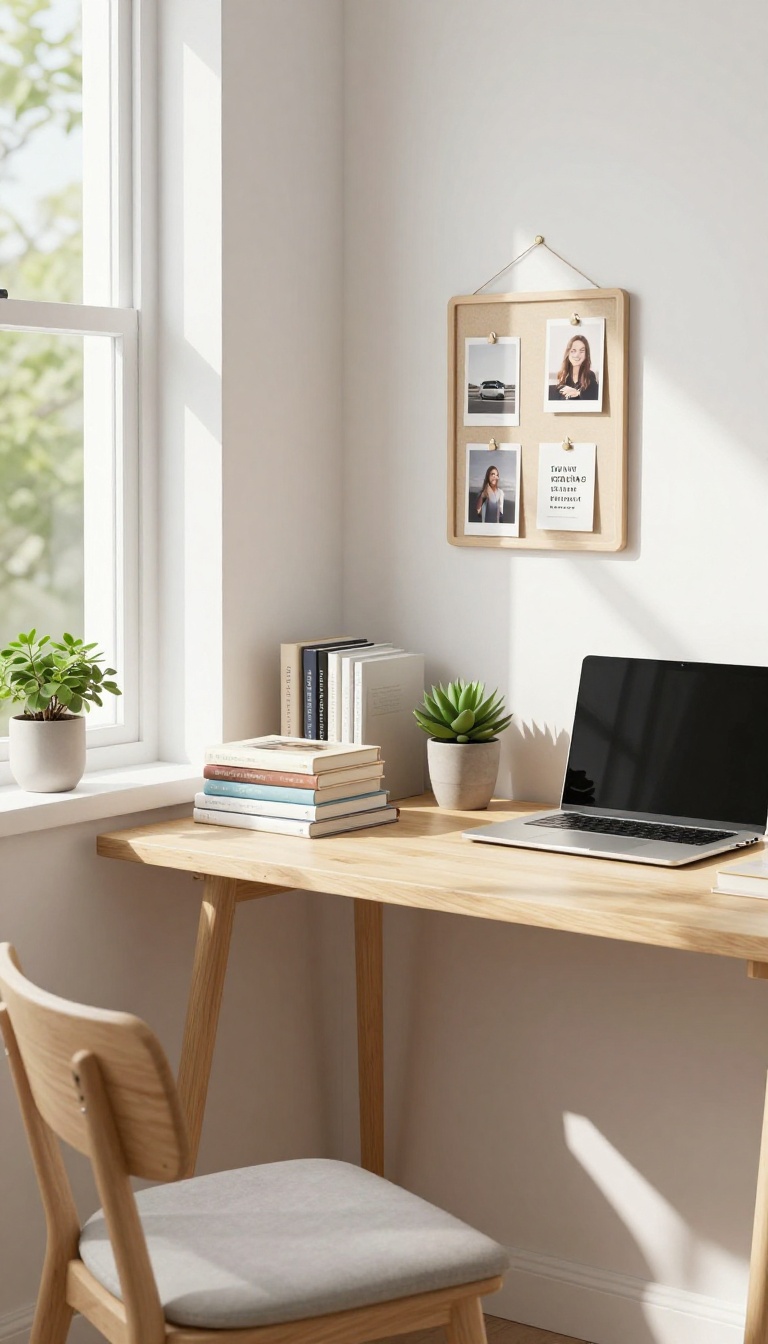
Your environment shapes your mindset more than you might think. If your desk is cluttered or your chair is uncomfortable, your brain gets the signal that it's time to procrastinate. But a well-designed study corner can make you feel like a pro before you even open a book.
Creating a study space isn't about buying expensive gear. It's about making a spot that feels like yours and supports the way you work. Start with the basics: good lighting, a comfortable chair, and a clear surface.
Then add a few personal touches that make you want to stay.
Light It Right
Natural light is a game changer. If you can, set up near a window. When that's not possible, use a warm desk lamp instead of harsh overhead lights.
Dim lighting makes you sleepy, and bright white light can feel like an interrogation. Aim for something soft but bright enough to keep you alert.
Declutter And Organize
A clean desk is a clear mind. Keep only what you need for the task at hand. Use a few organizers for pens, sticky notes, and chargers.
If you have papers, invest in a simple file folder or a tray. The goal is to reduce visual noise so you can focus on the work.
Make It Personal
Add a plant, a favorite quote, or a small photo. These little touches make the space feel inviting. But don't go overboard—too many decorations can be distracting.
Choose one or two items that motivate you without pulling your attention away.
6. Master a Simple, Polished Hairstyle
Your hair can make or break your whole look, but you don't need to spend hours on it. Learning one or two reliable styles that look neat and take minutes can save you time and stress every morning. A polished hairstyle doesn't mean complicated.
It means finding what works for your hair type and practicing until it feels automatic. Once you have that down, you'll walk into class feeling more put-together without even thinking about it.
Having a go-to hairstyle is like having a secret weapon. It cuts down your morning routine, keeps you looking sharp, and gives you one less thing to worry about. The key is to pick styles that are simple enough to do on autopilot, even on sleepy days.
Start by choosing two styles: one for regular days and one for when you need to look extra polished. Practice them a few times so they become muscle memory. Soon, you'll be able to do them without even looking in the mirror.
Pick A Style That Matches Your Hair Type
Not every hairstyle works for every hair type. If you have curly hair, a sleek ponytail might not be your best bet. Instead, try a low bun that tames frizz while showing off your natural texture.
Straight hair can handle a sleek high ponytail or a simple half-up twist. The goal is to find something that looks intentional and holds up through the day.
Practice Until It's Automatic
The first time you try a new hairstyle, it might take a while. That's okay. Practice it a few times when you're not in a rush.
Once you've done it three or four times, you'll know exactly how to section your hair, where to place the tie, and how to smooth down flyaways. It'll become second nature, and you'll be able to do it in under five minutes.
Keep A Few Essentials Handy
To make your go-to style work, keep a few basics in your bag or locker: a hair tie that won't snag, a few bobby pins, and a small brush or comb. If you have frizz, a tiny bit of hair oil or a travel-size spray can help. Having these on hand means you can fix your hair between classes or after gym, no problem.
7. Build a Digital Declutter Habit
Your phone and laptop are probably the most-used items you own, but they can also be the messiest. A cluttered home screen or a desktop full of random files adds mental noise, making it harder to focus when you need to study or get things done. Taking a little time to tidy up your digital spaces can make a huge difference in how clear-headed and prepared you feel.
Start by clearing your home screen. Remove apps you haven't used in months and group the rest into folders by category, like 'Social', 'Productivity', or 'School'. Turn off non-essential notifications so your phone stops buzzing every few minutes.
Next, tackle your computer: delete old downloads, organize files into folders, and empty your trash. Finally, set a weekly reminder to spend 10 minutes maintaining the order. This small habit keeps your digital life from getting chaotic again.
Clear Your Home Screen
Your home screen is the first thing you see every time you pick up your phone. If it's a jumble of apps, it can feel overwhelming. Delete apps you don't use, and put the ones you need into folders.
Keep only your most-used apps on the main page, like messaging, email, and a calendar. This makes everything easier to find and reduces the urge to mindlessly scroll.
Organize Your Files
A messy desktop or downloads folder makes it hard to find important documents when you need them. Create folders for each class or project, and move files into them. Use clear names like 'History Essay Draft' instead of 'doc (3). pdf'.
Once a week, go through your downloads and delete anything you don't need. This keeps your computer running smoothly and your stress levels low.
8. Invest in a Quality Water Bottle
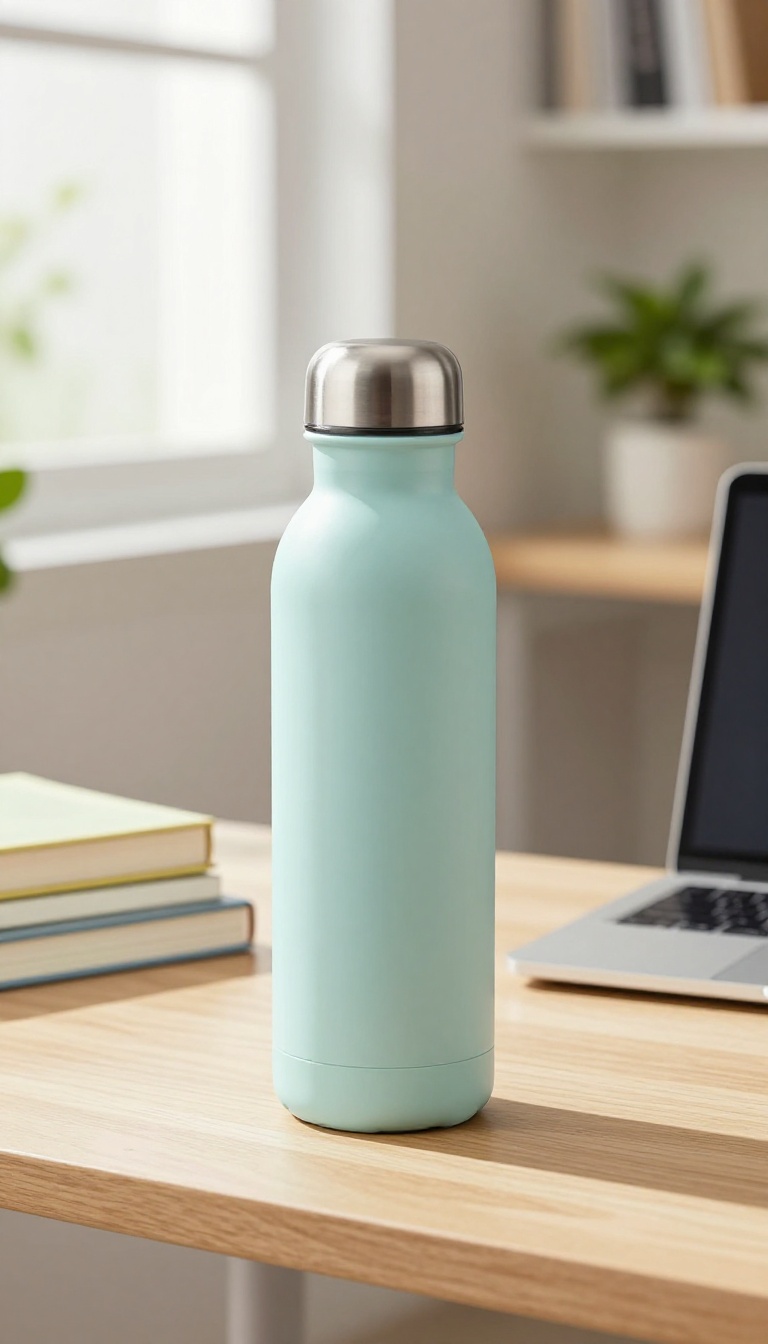
Hydration is one of those quiet glow-ups that shows up everywhere—clearer skin, steadier energy, and fewer headaches. But if you're still relying on single-use plastic or skipping water because it's inconvenient, a good bottle changes everything. A quality bottle makes it easy to sip throughout the day, whether you're in class, at the library, or rushing between activities.
It's a small investment that pays off in how you feel and look.
Staying hydrated is a glow up that shows in your skin and energy. When you carry a bottle you actually like, you're more likely to drink enough water. That means better focus, fewer cravings, and a natural glow that no product can fake.
Plus, a durable bottle saves money and reduces waste. You'll never be stuck buying overpriced drinks from vending machines again. Choose one that fits your style and your bag, and make it part of your daily carry.
Pick A Bottle You'll Actually Use
The best water bottle is the one you don't forget at home. Look for a size that fits your backpack or tote, and a material that keeps water cold (or hot) for hours. Insulated stainless steel is a favorite for a reason—it stays cold all day and doesn't sweat on your desk.
Also consider the mouth opening. A wide mouth makes it easy to add ice and clean, while a straw lid lets you sip without tilting your head. Test the lid one-handed to make sure it's easy to open during class.
Make Hydration A Habit
Having a bottle is only half the battle—you need to actually drink from it. Set a goal to refill it a certain number of times per day, or use a bottle with time markers on the side. Keep it on your desk, not buried in your bag.
If plain water gets boring, add a slice of lemon, cucumber, or a few berries. You can also try herbal tea or sparkling water for variety. The point is to make drinking water feel like a treat, not a chore.
Keep It Clean And Ready
A dirty bottle can harbor bacteria and smell funky, which kills your motivation to use it. Wash it daily with soap and warm water, or at least rinse it out. Many bottles are dishwasher-safe, but check the care instructions.
Let it dry completely with the lid off to prevent mold. Keep a spare bottle or a cleaning brush handy so you always have a fresh one ready to go. A clean bottle feels good to use, and that matters.
9. Learn to Meal Prep Easy Lunches
School days get busy, and lunch often becomes an afterthought. That's when you end up with a bag of chips and a soda from the vending machine. Meal prepping a few simple lunches ahead of time can save you money, time, and a midday energy crash.
Meal prepping doesn't have to mean spending hours in the kitchen every Sunday. You can start with just two or three lunches that you rotate. Pick foods that hold up well in a fridge or lunchbox, like grain bowls, wraps, or pasta salads.
Cook once, and you've got grab-and-go meals for the week.
Start With A Simple Formula
A balanced meal prep lunch can be as easy as picking a protein, a carb, and some veggies. For example, grilled chicken, quinoa, and roasted broccoli. Or chickpeas, rice, and bell peppers.
Mix and match to keep it interesting. You don't need fancy recipes—just stuff that tastes good cold or reheated.
Use The Right Containers
Invest in a few good containers that are leak-proof and microwave-safe. Glass or sturdy plastic works well. Having the right size helps keep portions reasonable.
You can also use small jars for dressings or sauces so things don't get soggy.
Prep On A Schedule
Pick a day that works for you, like Sunday afternoon or Wednesday evening. Set aside 30 to 45 minutes to chop veggies, cook grains, and portion everything out. Put the meals in the fridge so they're ready to grab.
You'll thank yourself on those hectic mornings.
10. Develop a Nightly Wind-Down Routine
A good glow up starts the night before. If you're scrolling until your eyes hurt, your brain stays wired, and morning hits like a truck. A simple wind-down routine tells your body it's time to slow down, which means better sleep and a fresher start.
Building a wind-down routine doesn't have to be complicated. Pick a few calming activities and do them in the same order each night. Over time, your brain will start associating these cues with sleep, making it easier to fall asleep and wake up feeling ready.
Set A Digital Curfew
Blue light from screens messes with your melatonin, the hormone that helps you sleep. Try putting your phone away 30 to 60 minutes before bed. Use that time to read, stretch, or journal instead.
If you need a white noise app, set it up before you unplug.
Create A Relaxing Pre-sleep Ritual
Keep it simple: wash your face, change into comfy clothes, and maybe sip some herbal tea. Some people like to write down tomorrow's top three tasks so they don't lie there worrying. A few minutes of deep breathing or gentle stretching can also help release tension.
Prep For Tomorrow, Tonight
Lay out your outfit, pack your bag, and charge your devices. When you know everything's ready, your mind can let go. This small step reduces morning chaos and helps you wake up feeling organized and calm.
11. Refresh Your School Supplies
Your backpack is the sidekick to your school day, but if it's full of dried-out pens and beat-up notebooks, it can drag your energy down. A simple refresh of your supplies isn't just about being organized—it's about setting yourself up to feel capable and ready. Small upgrades can make a big difference in how you approach your work.
Start by taking everything out of your backpack and sorting through it. Toss anything that's broken, dried out, or no longer useful. Then, make a list of what you actually need for your classes.
Replace worn-out items with ones that feel good to use—think smooth pens, fresh notebooks, and a sturdy binder. This small act of renewal can make your daily routine feel more intentional and polished.
Choose Tools You'll Actually Enjoy Using
When you pick supplies, go for ones that make you smile or feel comfortable. Maybe that's a pen with a nice grip, a notebook with your favorite color, or a planner that's easy to navigate. If you enjoy using your tools, you're more likely to stay organized and take pride in your work.
Keep It Simple And Functional
You don't need a ton of fancy gadgets. Focus on the basics: pens, pencils, highlighters, sticky notes, and a reliable folder system. A clutter-free pencil case and a well-organized backpack can save you time and reduce stress.
Remember, the goal is to feel prepared, not overwhelmed.
Add A Personal Touch
Make your supplies feel like yours by adding a small personal touch. That could be a keychain on your backpack, a sticker on your laptop, or a custom name label on your notebooks. These little details can boost your mood and make your school gear feel more like an extension of your style.
12. Practice Good Posture
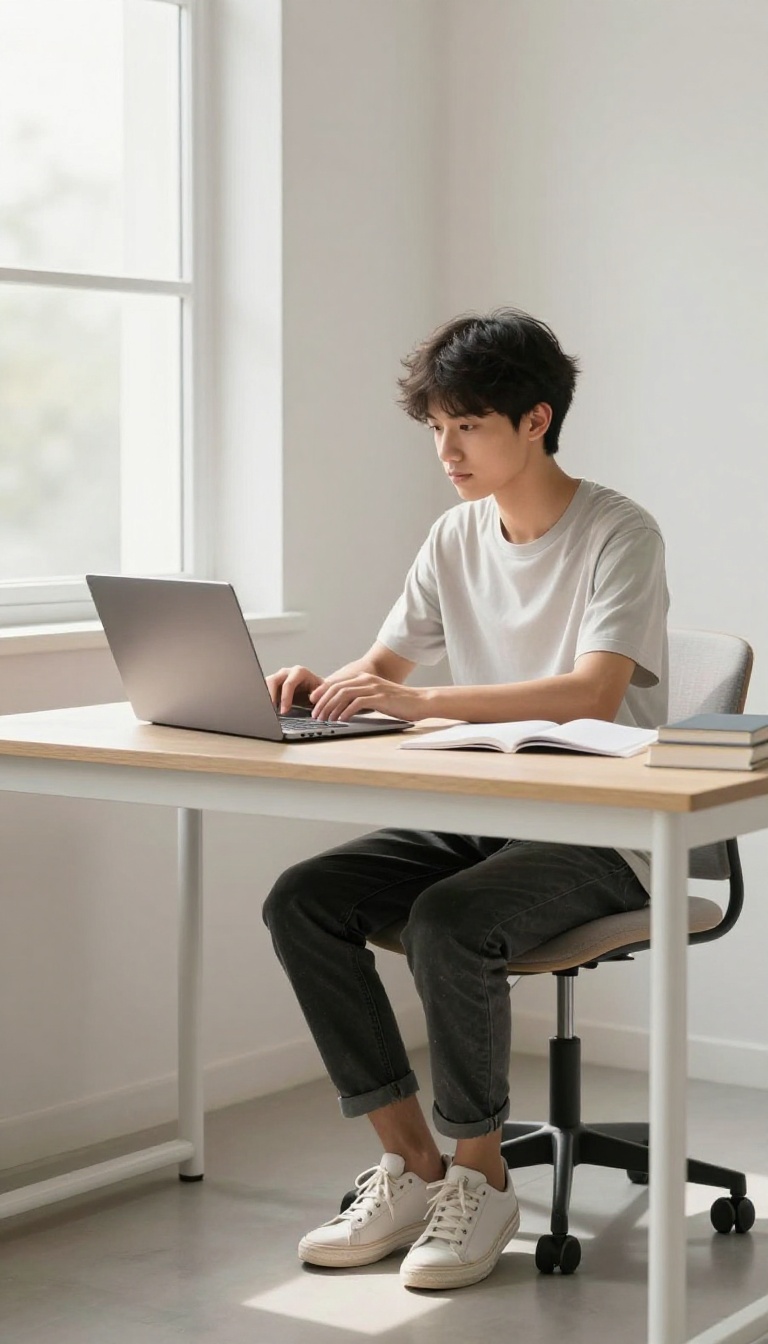
Slouching over a desk all day can make you feel tired and less confident. Good posture isn't just about standing tall—it's a simple way to boost your mood and energy. Plus, it's one of those habits that instantly makes you look more polished, even in a hoodie.
Your body follows your posture. When you sit up straight, you breathe better, focus more, and project confidence without saying a word. It's a small change that pays off all day long.
Stretch It Out
Take a few minutes between classes to roll your shoulders and stretch your neck. Simple moves like shoulder rolls or a gentle chest opener can undo the tightness from sitting. Try setting a timer on your phone to remind you to move.
Desk Setup Tricks
Position your screen at eye level and keep your feet flat on the floor. Use a small cushion or rolled-up sweater for lower back support. A quick check of your setup can make a big difference in how you sit without thinking.
Posture Reminders
Stick a sticky note on your laptop or set a daily reminder that says 'sit tall. ' You can also use apps that nudge you to straighten up. Eventually, good posture becomes second nature.
13. Set Up a Weekly Review Session
A weekly review session is a small time investment that pays off big. It’s like giving your brain a chance to catch its breath and sort through everything from the week. You don’t need hours—just 20 focused minutes to look back at what you learned, what’s due, and what’s coming up.
This simple habit can cut down on last-minute panic and make you feel more in control.
Pick a consistent day and time, like Sunday evening or Friday afternoon, and stick to it. Use that time to go through your notes, check your planner, and jot down any questions you want to ask. It’s not about studying hard—it’s about staying organized and spotting gaps early.
Over time, this becomes a rhythm that keeps you ahead without extra stress.
Review Your Notes Quickly
Skim through your notes from the week, but don’t try to memorize everything. Just highlight key points, mark anything confusing, and maybe rewrite a messy section. This helps your brain file the info away and makes studying later much easier.
Check Your Planner And Deadlines
Look at what’s coming up in the next week or two. Are there any tests, projects, or assignments you forgot about? Add them to your list and decide what to tackle first.
Seeing everything in one place takes away that nagging feeling of forgetting something.
Set Small Goals For The Week
Pick one or two things you want to improve or finish this week. Maybe it’s reading a chapter ahead or starting a paper early. Keeping it small and specific makes it easier to follow through, and you’ll feel a little win every time you check it off.
14. Find Your Signature Scent
A signature scent is like a quiet confidence booster you can wear all day. It can lift your mood, help you focus, and leave a subtle, pleasant impression without saying a word. Choosing one that feels like you is a simple glow up that adds a personal touch to your everyday routine.
Picking a scent isn't about following trends—it's about finding something that clicks with your personality and makes you feel good. Whether you prefer fresh, floral, or warm notes, the right fragrance can become a small ritual that sets a positive tone for the day. Plus, a familiar scent can become a comforting anchor during stressful moments.
Start With What You Love
Think about smells you already enjoy—like clean laundry, citrus, or vanilla. Test a few options at a store or with sample sizes to see how they wear on your skin. Don't rush; give each one a few hours to see how it develops.
Keep It Light
A little goes a long way. Spray on pulse points like wrists or neck, or spritz into the air and walk through it. You want a scent that's noticeable up close, not overwhelming from across the room.
Make It Last
Apply after a shower when your skin is clean, and moisturize first to help the scent hold longer. Reapply discreetly if needed, but avoid overdoing it. A signature scent should feel like a secret weapon, not a cloud.
15. Organize Your Digital Files
Digital clutter is real, and it can make you feel scattered before you even open a textbook. When your downloads folder is a mystery and your documents are scattered across apps, finding that one assignment becomes a stressful treasure hunt. A few minutes of setup now can save you hours later.
Start by creating a clear folder structure on your computer or cloud drive. Use broad categories like Classes, Personal, and Extracurriculars, then break them down further. For each class, make a folder and subfolders for notes, assignments, and study guides.
Give files consistent names, like 'History_Essay_Draft1' instead of 'untitled (3)'. This way, you can search and find anything in seconds.
Create A Simple Folder System
Open your main drive and create a few high-level folders. Name them by semester or school year, then inside, create a folder for each subject. This keeps everything in one place and makes it easy to archive old work.
Use clear labels and avoid nesting too deep—three levels max is usually enough.
Use Consistent Naming Conventions
Pick a format like 'Subject_Assignment_Date' or 'Subject_Assignment_Version'. Stick to it every time. This makes files sortable and searchable.
For example, 'Math_Homework_09-15' is clearer than 'math hw'. You can also add a version number if you revise drafts, like 'Essay_v2'.
Schedule A Weekly Cleanup
Set aside 10 minutes each week to sort new files into the right folders and delete anything you don't need. Move completed assignments to an 'Archive' folder. This prevents buildup and keeps your system working.
You can even set a reminder on your phone to make it a habit.
16. Incorporate Movement into Your Day
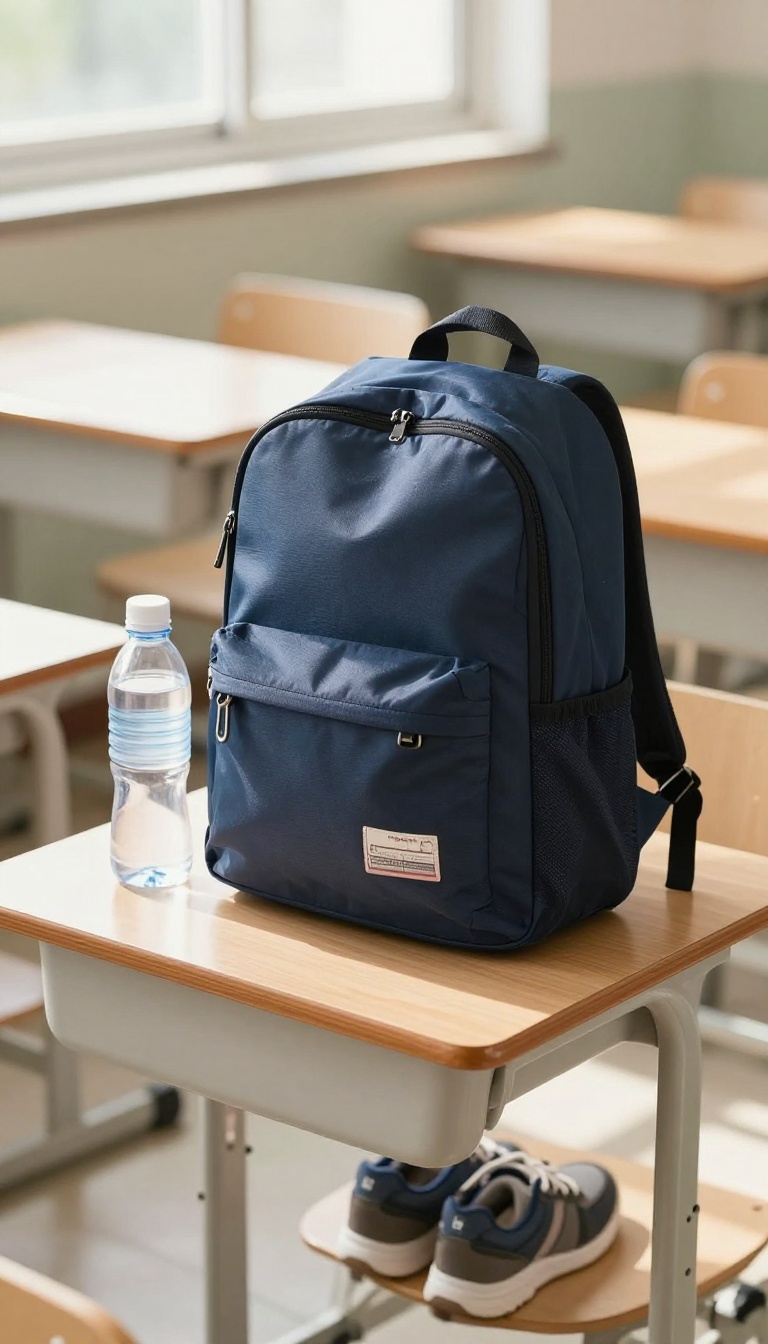
Sitting through back-to-back classes can leave you feeling stiff and drained. Adding small bursts of movement between periods is a simple way to recharge your body and mind. It doesn't require a gym or extra time—just a few minutes of intentional motion can make a big difference in your energy and focus.
You don't need to be an athlete to benefit from moving more during the school day. Short walks, stretches, or even a few jumping jacks can wake up your muscles and boost circulation. This helps you feel more alert and ready to learn, and it also gives your eyes a break from screens and books.
Take The Long Way
Instead of taking the shortest path to your next class, choose a slightly longer route. Use those extra minutes to walk briskly, swing your arms, and take deep breaths. This simple change adds up over the day and gets your heart pumping without cutting into your schedule.
Stretch At Your Desk
During breaks or even in class (when appropriate), do a few discreet stretches. Roll your shoulders, tilt your neck side to side, or stretch your legs under the desk. These moves release tension and prevent that stiff, hunched feeling that comes from sitting too long.
Use Tech As A Reminder
Set a timer on your phone or watch to vibrate every hour as a cue to get up and move. When it goes off, stand up, do a quick stretch, or walk to the water fountain. These micro-breaks keep your energy steady and stop you from getting too absorbed in one position.
17. Update Your Planner or Calendar
A planner is more than just a place to write down homework—it's your personal command center for the school year. When your schedule is scattered across apps, sticky notes, and your memory, it's easy to miss deadlines or double-book yourself. Updating your planner isn't just about buying a new one; it's about finding a system that clicks with how you think and work.
Take a few minutes to set up your planner for the semester. Start by entering all fixed dates like exams, project due dates, and school events. Then, add recurring blocks for study sessions, extracurriculars, and even downtime.
The goal is to see your week at a glance and feel in control, not overwhelmed.
Pick A Format That Fits Your Life
Some people swear by paper planners, while others prefer digital calendars that sync across devices. Think about what you actually use: if you're glued to your phone, a Google Calendar or a planning app might be more practical. If you like the tactile feel of writing things down, a bullet journal or a classic weekly planner could be your best bet.
Test a couple of options for a week and see which one you naturally stick with.
Color-code For Clarity
Color-coding your calendar can make it way easier to scan. Assign a different color to classes, homework, social events, and self-care. That way, you can instantly see where your time is going and spot any clashes.
It also makes your planner look more inviting, which might just motivate you to open it more often.
Set Weekly Reviews
Spend ten minutes every Sunday evening reviewing the upcoming week. Move any unfinished tasks, note any new deadlines, and adjust your schedule if needed. This simple habit keeps your planner accurate and helps you start each week with a clear head.
Plus, it's a great way to feel prepared and less anxious about what's ahead.
18. Declutter Your Makeup Bag
A makeup bag stuffed with half-used products and forgotten samples can slow you down on busy mornings. When you have to dig through clutter just to find your mascara, getting ready feels like a chore. Decluttering isn't about tossing everything—it's about keeping only what you actually use and love, so your routine becomes faster and more enjoyable.
Start by emptying your entire bag onto a clean surface. Wipe down the bag itself and give each product a quick look. Check expiration dates—mascara and liquid eyeliner typically last three to six months, while powders can last up to two years.
Toss anything that's dried out, separated, or smells off. Then, sort the rest into three piles: keep, toss, and maybe. Be honest with yourself: if you haven't touched a product in the past month, it's probably not worth keeping.
Once you've narrowed it down, group similar items together—lip products, eye products, face products—and decide on a storage system that works for your space. A few clear pouches or a small organizer can help you see everything at a glance. The goal is to have a bag that's easy to zip and grab, with only the products you reach for daily.
Sort And Assess
Empty everything out and check for expired or damaged products. Use the smell, texture, and consistency as clues—if it's changed, it's time to go. Keep only items that are in good condition and that you actually use.
Keep Only The Essentials
Think about your daily routine and what you truly need. A basic kit might include foundation, concealer, mascara, brow product, blush, and a lip color. If you're unsure, put the 'maybe' items in a separate box and see if you reach for them over the next week.
Organize For Visibility
Use clear containers or small pouches to group similar products. This way, you can see what you have without digging. Arrange items by how often you use them—everyday products at the top or in front, occasional ones tucked behind.
19. Learn to Say No to Overcommitment

The school year comes with endless opportunities—clubs, sports, social events, and side projects. It's tempting to say yes to everything, especially when you want to make a good impression. But overcommitting can drain your energy and leave you with little time for what truly matters.
Learning to say no is a skill that protects your time and your peace.
Saying no doesn't mean you're shutting doors. It means you're choosing the right ones. When you overcommit, you stretch yourself thin, and your grades, health, and relationships can suffer.
Start by recognizing your limits. Before you agree to something new, ask yourself if it aligns with your goals and if you have the bandwidth. A simple 'I can't commit to that right now' is enough.
You don't need to over-explain. Remember, every yes is a no to something else—so choose wisely.
Check Your Schedule Before You Say Yes
When someone asks for your time, don't feel pressured to answer on the spot. Say, 'Let me check my schedule and get back to you. ' This gives you breathing room to evaluate your existing commitments. Look at your week ahead.
If you already have deadlines, practices, or events, adding more might tip you over the edge. Prioritize the commitments that matter most to you.
Practice Saying No With Confidence
Saying no can feel awkward, especially if you're a people pleaser. Practice a few polite but firm responses. 'I appreciate you asking, but I can't take that on right now. ' Or, 'That sounds fun, but I have other commitments. ' The more you practice, the easier it gets. You'll also earn respect because people will see you value your time.
Set Clear Boundaries With Friends And Classmates
Friends might ask for help with homework, notes, or favors. It's okay to help sometimes, but not at the expense of your own work. Let them know your boundaries upfront.
For example, 'I can help you study for 20 minutes, but I need to finish my own project after. ' Clear boundaries prevent resentment and keep relationships healthy.
20. Create a Playlist for Focus or Motivation
Music can be a powerful tool for shaping your mood and productivity. A well-curated playlist can help you lock in during study sessions or give you an energy boost before a big presentation. Instead of scrolling through random tracks, take a few minutes to build playlists that match your needs.
Start by thinking about what you need music for—deep focus, quick motivation, or a calm wind-down. Then, gather songs that fit those moods. You can use streaming services like Spotify or Apple Music to create separate playlists for each purpose.
Label them clearly so you can grab the right one without thinking.
Pick The Right Vibe For Each Task
For deep work, choose instrumental or lo-fi tracks that don't have distracting lyrics. For workouts or getting pumped up, go with upbeat, high-energy songs. For studying, some people prefer classical or ambient music.
Experiment to see what actually helps you concentrate.
Update Your Playlists Regularly
Music fatigue is real. If you listen to the same songs over and over, they lose their effect. Refresh your playlists every few weeks by adding new tracks and removing ones you're tired of.
This keeps your playlists feeling fresh and effective.
Use Playlists As A Routine Trigger
Train your brain to associate a specific playlist with a specific activity. For example, play your focus playlist only when you sit down to study. Over time, just hearing the first notes can put you in the right mindset.
This is a simple but powerful habit.
21. Practice Mindfulness in Small Moments
The school day is packed with transitions—walking between classes, waiting for the bell, or standing in the lunch line. These tiny gaps are perfect for quick mindfulness resets. You don't need a meditation app or a quiet room; just a few conscious breaths can help you feel more centered and less frazzled.
It's a simple habit that makes a big difference in how you show up for your next class.
Mindfulness doesn't have to mean sitting still for twenty minutes. It's about bringing your attention back to the present, even for a few seconds. When you practice in small moments, you train your brain to stay calm and focused, which is super helpful during a hectic school day.
Plus, it's a skill you can use anywhere—before a test, during a group project, or when you're feeling overwhelmed.
Breathe Between Classes
As you walk from one class to another, take three slow, deep breaths. Inhale for four counts, hold for four, and exhale for four. This simple pattern sends a signal to your body to relax, lowering stress hormones and helping you arrive at your next class with a clear head.
You can even sync your steps with your breath to make it feel natural.
Use Your Senses To Anchor
Another quick trick is to notice five things you can see, four you can feel, three you can hear, two you can smell, and one you can taste. This sensory check pulls you out of your head and into the moment. It's especially useful if you're feeling anxious or distracted—it gives your brain a mini reset without anyone noticing.
Make It A Habit
Pick a regular trigger, like the moment you sit down in class or when you hear the bell, to practice a few mindful breaths. Over time, this becomes automatic, so you're not even thinking about it. You'll start to notice that you feel more grounded and less reactive to stress.
It's a small investment of time that pays off all day long.
22. Upgrade Your Sleep Environment
Your bedroom should be a sanctuary, not a stress zone. If your sleep is off, everything else feels harder—focus, mood, even your skin. A few simple tweaks can turn your room into a place that actually helps you recharge.
Start by clearing the clutter. A messy room can keep your brain buzzing when you're trying to wind down. Keep surfaces tidy and stash away school stuff so your space feels like a break from work.
Then, think about light—blackout curtains or a sleep mask can block out early morning sun and streetlights. Finally, invest in comfort: a supportive pillow, soft sheets, and a cozy blanket make a huge difference. Your bed should feel like a reward, not just a place to crash.
Declutter For Calm
A cluttered room can make your mind feel cluttered too. Take a few minutes each evening to put away books, papers, and random items. Use baskets or bins to stash things quickly.
When you walk into a clean room, you automatically feel more relaxed.
Block The Light
Light tells your brain it's time to be awake. Even a little glow from a streetlamp or your phone can mess with melatonin. Try blackout curtains or a comfortable sleep mask.
Also, keep your phone away from the bed and use a dim lamp instead of overhead lights before sleep.
Make It Cozy
Your bed should be the most inviting spot in your room. Choose sheets that feel good against your skin—cotton or bamboo are breathable. Add a plush blanket or a weighted blanket if you like pressure.
A good pillow that supports your neck is key. When your bed feels like a hug, you'll look forward to sleeping.
23. Celebrate Small Wins
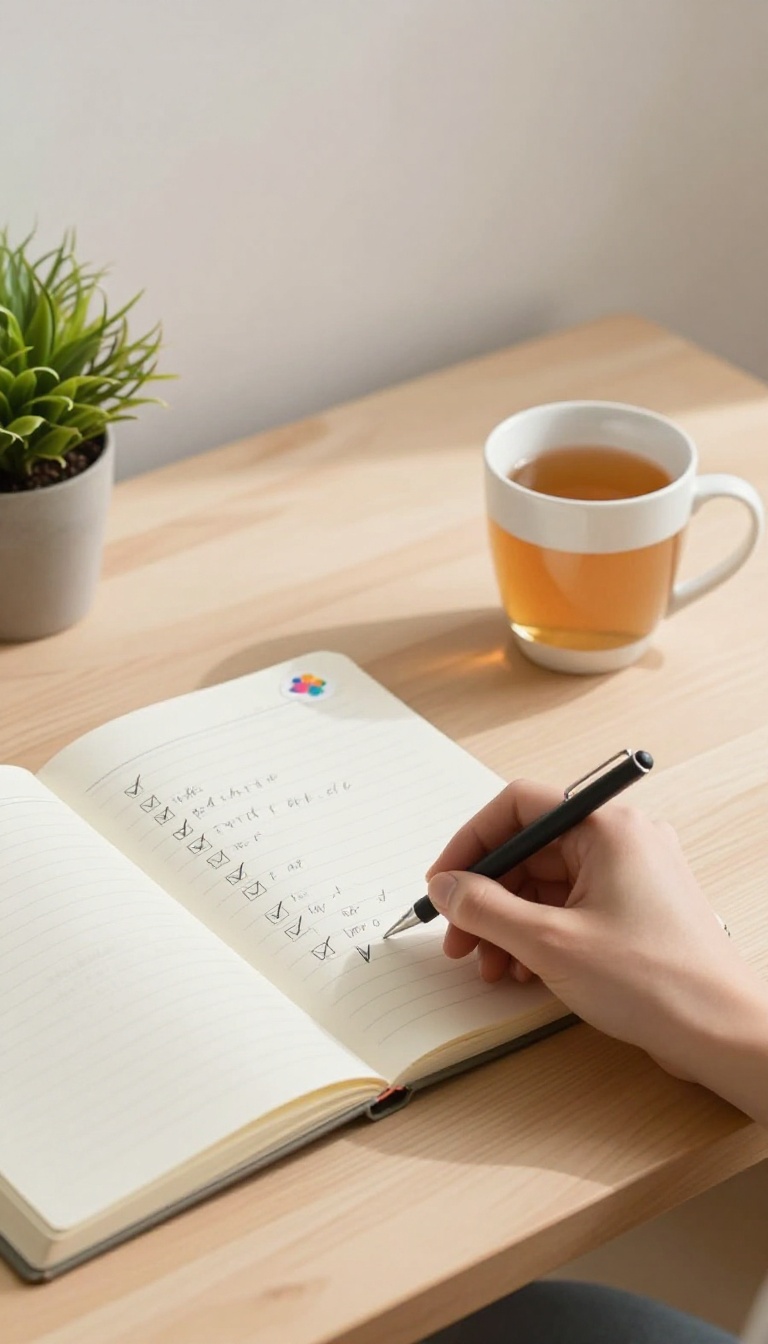
It's easy to get caught up in the big goals—like acing every test or landing a lead role—but the real magic happens in the small victories. Celebrating your progress, even the tiny steps, keeps your motivation high and your mindset positive. This isn't about throwing a party for every little thing; it's about acknowledging that you're moving forward, one step at a time.
When you celebrate small wins, you train your brain to notice progress instead of dwelling on what's left to do. This simple shift can make the school year feel less overwhelming and more rewarding. Here are a few ways to make celebrating a habit without it feeling forced.
Keep A Wins Journal
Grab a notebook or use a notes app and jot down one or two things you did well each day. It could be as simple as finishing a homework assignment early or speaking up in class. At the end of the week, read through your entries to see how much you've accomplished.
This practice builds confidence and gives you a tangible record of your growth.
Treat Yourself, Thoughtfully
Pair a small win with a small reward that doesn't derail your progress. Maybe it's a favorite snack, an episode of your favorite show, or a walk in the park. The key is to choose something that feels special but doesn't become a habit that works against you.
This way, you're reinforcing positive behavior without overindulging.
Share Your Wins With Someone
Tell a friend, family member, or mentor about your achievement. Sharing your progress not only makes it feel more real but also invites encouragement and support. It's a great way to stay accountable and remind yourself that your efforts are noticed.
Plus, celebrating together can strengthen your relationships.
FAQ
What is a glow up for school?
A glow up for school is a personal refresh that helps you feel more confident, organized, and prepared. It can include changes to your routine, style, study habits, and mindset.
How long does a glow up take?
It depends on the changes you want to make. Some ideas, like organizing your backpack, take minutes. Others, like building a skincare routine, might take a few weeks to see results.
Start small and build from there.
Do I need to buy new things for a glow up?
Not necessarily. Many glow up ideas are about using what you have more effectively. If you do buy something, focus on quality items that solve a real problem, like a good water bottle or planner.
Can a glow up help with school stress?
Yes. Many glow up ideas, like planning your week or creating a study space, reduce stress by making your day more predictable and manageable. Self-care routines also help you recharge.
How do I stay consistent with my glow up?
Pick a few ideas that feel doable and integrate them into your existing routine. Use reminders or habit trackers to stay on track. Remember, it's about progress, not perfection.
Conclusion
A glow up for school isn't about changing who you are—it's about making small, intentional improvements that help you feel more like the best version of yourself. Start with one or two ideas that speak to you, and build from there. Remember, consistency beats intensity.
Even small steps, when done regularly, can make a big difference in how you look, feel, and perform. Here's to a polished, prepared, and confident school year ahead.