A two-week glow-up isn't about perfection—it's about choosing a few small wins that make you feel noticeably better. The ideas here are designed to fit into real life, not overhaul it, so you can start slow and build momentum. Each one targets a different corner of your routine, from morning hydration to evening wind-downs.
You don't need to tackle all 23 at once. Pick two or three that feel doable this week, then add another when you're ready. The goal is to feel more energized, focused, and comfortable in your own skin—without the pressure.
Ready to reset? These simple shifts are your starting point.
1. Start Your Day with a Glass of Lemon Water

Mornings set the tone for everything that follows, and a simple glass of warm lemon water can be the gentle nudge your body needs. It's not a magic potion, but it's a refreshing way to rehydrate after hours of sleep and give your digestion a subtle kickstart. The ritual itself is calming—a quiet moment before the day gets loud.
The idea is straightforward: squeeze half a fresh lemon into a glass of warm water and drink it before anything else. It's a small habit that takes less than two minutes but can make you feel more awake and ready. Plus, it's a gentle way to remind yourself that you're prioritizing your health.
Why Warm Water And Lemon?
Warm water is easier on your stomach than cold, and it helps wake up your digestive system. Lemon adds a burst of vitamin C and antioxidants, which support your immune system. The combination is a classic for a reason—it's simple, effective, and feels like a mini spa moment at home.
How To Make It A Daily Habit
Keep a lemon on your counter or in the fridge so it's visible. Fill a glass with warm water (not boiling) and squeeze the lemon right in. If you're not a morning person, prep by slicing a few lemon wedges the night before.
Consistency beats intensity—even a few mornings a week make a difference.
What To Expect In Two Weeks
You might notice better hydration, a flatter stomach, or just a calmer start to your day. It's not a quick fix, but it's a foundation for other healthy choices. Pair it with a short stretch or a few deep breaths, and the benefits multiply.
2. Commit to a 10-Minute Morning Stretch
A quick stretch in the morning is like hitting a reset button for your body. It wakes up your muscles, gets your blood flowing, and sets a calm tone for the day. You don't need any equipment or special skills—just a few minutes and a little floor space.
Think of it as a gentle nudge to your system, helping you feel more limber and less stiff after a night of sleep. Plus, it's a great way to check in with yourself before the day's demands take over.
Morning stretching isn't just about flexibility—it's about giving your body a head start. Here's how to make it a habit that sticks.
Why It Works
Stretching in the morning helps release overnight tension in your neck, shoulders, and back. It also boosts circulation, which can improve your energy and focus. Over time, you'll notice better posture and fewer aches during the day.
Easy Moves To Start
You don't need a fancy routine. Try a few simple moves: neck rolls, shoulder shrugs, a standing forward fold, and a gentle cat-cow stretch. Hold each for about 20 seconds and breathe deeply.
That's it—no need to push into discomfort.
Making It A Habit
Link your stretch to something you already do, like right after you brush your teeth or before you make coffee. Keep a mat or towel nearby as a visual cue. Even five minutes is better than none, so don't stress if you're short on time.
3. Upgrade Your Skincare with a Vitamin C Serum
Your skin can look tired and dull when it's not getting enough antioxidants. A vitamin C serum is one of the simplest ways to wake it up. This powerhouse ingredient helps brighten your complexion and fade dark spots, and the best part?
You can see a real difference in just two weeks. It's not about piling on more products—just adding one step in the morning. With consistent use, vitamin C works with your skin's natural renewal cycle to boost radiance.
Here's how to make it work for you.
Adding a vitamin C serum to your morning routine is a game-changer for dull skin. It fights free radicals from sun and pollution, which speeds up aging. Over two weeks, you'll notice a more even tone and a healthy glow.
Why Vitamin C Works So Fast
Vitamin C is a potent antioxidant that neutralizes the damage caused by UV rays and environmental stressors. It also inhibits melanin production, which helps fade dark spots and hyperpigmentation. Because your skin cells turn over every 28 days, consistent use over two weeks can visibly brighten your complexion.
How To Pick The Right Serum
Look for a serum with 10-20% vitamin C (ascorbic acid) for effectiveness without irritation. Check the packaging—it should be in a dark, airtight bottle to protect the ingredient from light and air. Start with a lower concentration if you have sensitive skin, and patch test first.
Make It A Daily Habit
Apply a few drops to clean, dry skin in the morning, before moisturizer and sunscreen. Let it absorb for a minute. Use it every day for the best results—consistency is key.
Pair it with a broad-spectrum SPF 30+ to protect your skin and boost the serum's effects.
4. Try the 2-2-2 Hydration Rule
Water is the simplest reset button you have, but most of us are walking around slightly dehydrated without realizing it. That low-level thirst can show up as fatigue, brain fog, and even snack cravings. The 2-2-2 rule is a no-fuss way to build steady hydration into your day without tracking ounces or downloading an app.
Here's the deal: drink two glasses of water within two hours of waking up, then keep that rhythm going every two hours. It's not about chugging a gallon at once—it's about consistent sips that keep your energy steady. You'll likely notice fewer afternoon slumps and a clearer head by the end of week one.
Why The 2-2-2 Works
Your body loses water overnight, so starting with two glasses rehydrates you right away. Then, spacing drinks every two hours keeps your blood sugar stable and your metabolism humming. It's a gentle structure that fits into any schedule, whether you're at a desk or on the go.
Make It Stick
Pair your water breaks with existing habits—like after brushing your teeth, before each meal, or when you check your phone. Keep a reusable bottle visible as a visual cue. If plain water bores you, add a slice of lemon or cucumber for flavor without sugar.
Signs It's Working
By day three, you might notice clearer skin, fewer headaches, and more consistent energy. Your digestion may improve too. The best part?
You'll start craving water naturally, which makes the habit self-reinforcing.
5. Declutter Your Desk or Workspace

A cluttered desk can quietly drain your energy and focus. Even if you think you work fine in the mess, your brain is constantly processing the visual noise. Clearing your workspace for just 15 minutes can make you feel lighter and more in control.
You don't need to go full minimalist or buy fancy organizers. The goal is simple: create a surface that feels calm and inviting. When your space is tidy, it's easier to think clearly and get into a flow state.
Start by clearing everything off your desk. Sort items into three piles: keep, relocate, and trash. Wipe down the surface and put back only what you use daily.
Store the rest in drawers or shelves. This quick reset can instantly make your workspace feel more spacious and less overwhelming.
The 15-minute Surface Reset
Set a timer for 15 minutes and tackle just the top of your desk. Remove everything, then wipe it down. Put back only your essentials: laptop, a notebook, a pen, and maybe a plant or photo.
Everything else goes into a drawer or a box to sort later. You'll be surprised how much calmer a clear surface feels.
One-touch Paper Rule
Paper piles up fast. To keep your desk clear, adopt a one-touch rule: when you pick up a piece of paper, decide immediately—file it, act on it, or recycle it. This stops the stack from growing.
You can also go digital by scanning important documents and shredding the rest. Less paper means fewer distractions.
Digital Declutter Too
Your physical desk isn't the only thing that needs clearing. A cluttered desktop and browser tabs can be just as distracting. Spend a few minutes organizing your computer files into folders and closing unnecessary tabs.
This small digital tidy-up can make your workspace feel more focused and efficient.
6. Swap One Sugary Drink for Herbal Tea
That afternoon soda or juice might feel like a pick-me-up, but the sugar crash usually follows. Swapping just one sugary drink a day for herbal tea cuts the sugar load and adds a moment of calm. It's a small change that pays off in energy and focus.
Herbal teas come in a range of flavors, from mint to chamomile to fruity blends, so there's likely one you'll enjoy. The act of brewing a cup also forces a mini pause from your screen, which is a bonus.
Why Herbal Tea Works
Unlike soda or sweetened juice, herbal tea has zero added sugar and a fraction of the calories. Many herbs like chamomile and peppermint have natural calming properties, which can help ease that mid-afternoon slump without the jittery caffeine spike. The hydration boost also supports your skin and digestion.
How To Make The Swap Stick
Start by picking one time of day when you usually reach for something sweet—maybe 3 p. m. or after dinner. Keep a few tea bags at your desk or in your bag so it's easy. If you miss the sweetness, add a tiny drizzle of honey or a slice of orange.
Give it a week; your taste buds will adjust.
Best Teas For A Calm Energy Lift
For a gentle energy lift, try green tea or yerba mate—they have some caffeine but less than coffee. For pure relaxation, chamomile or lavender are great. Peppermint is refreshing and can help with digestion.
Rotate a couple of favorites to keep it interesting.
7. Practice 5 Minutes of Journaling Before Bed
Your mind can feel like a browser with too many tabs open by the end of the day. A quick journaling session helps you close those tabs and settle your thoughts. It’s a tiny habit that makes a big difference in how you sleep and how you wake up.
Journaling before bed doesn’t need to be a big production. Five minutes is plenty. Write down three things you’re grateful for, or just let your thoughts spill onto the page.
This simple act clears mental clutter and signals your brain that it’s time to wind down. You’ll likely fall asleep faster and wake up feeling more refreshed.
Why It Works
When you write things down, you stop holding them in your head. That reduces the mental noise that keeps you tossing and turning. Gratitude journaling also shifts your focus to the positive, which can lower stress and improve your mood.
How To Start
Keep a notebook and pen on your nightstand so it’s easy to grab. Set a timer for five minutes if you tend to overthink. Write whatever comes to mind—no need for perfect sentences.
The goal is to get your thoughts out, not to impress anyone.
Make It A Habit
Pair journaling with another bedtime cue, like brushing your teeth. After you’re in bed, pick up your notebook. After a few nights, it becomes part of your routine.
If you miss a day, that’s fine—just pick it up again the next night.
8. Add a Weekly Face Mask to Your Routine
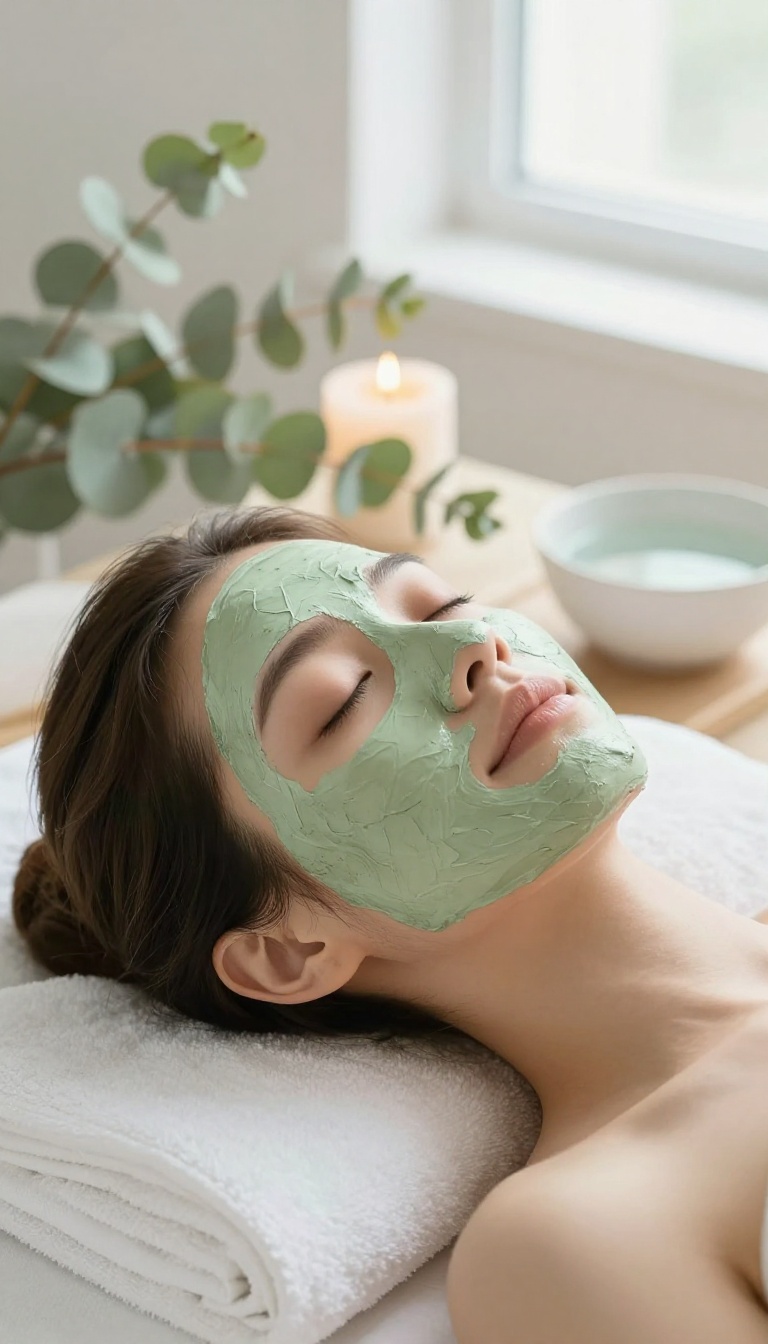
A face mask is one of the easiest ways to give your skin a quick boost. Whether you need extra hydration or a deep clean, a weekly mask can make a visible difference. Plus, it's a built-in excuse to slow down for 15 minutes.
Carving out time for a mask once a week is more than skincare—it's a mini ritual. It forces you to pause, breathe, and focus on yourself. The glow you get is just a bonus.
Pick The Right Mask For Your Skin
Not all masks are created equal. If your skin feels tight or flaky, go for a hydrating mask with ingredients like hyaluronic acid or aloe. If you're prone to breakouts, a clay mask with salicylic acid can help draw out impurities.
Choose based on what your skin needs right now, not what's trending.
Make It A Mini Self-care Session
Don't just slap it on and scroll through your phone. Use those 10-15 minutes to close your eyes, put on a calming playlist, or do a few deep breaths. This turns a simple mask into a relaxing ritual that resets your mind as much as your skin.
Don't Overdo It
Stick to once a week—more can irritate your skin. Follow the instructions on the package, and always rinse off with lukewarm water. Your skin will thank you for the consistency without the overload.
9. Take a 15-Minute Walk After Lunch
That post-lunch slump can hit hard, but a short walk is a gentle way to shake it off. It's not about intense exercise—just a casual stroll to get your blood moving and your head clear. You'll come back to your afternoon feeling more refreshed and ready to focus.
A 15-minute walk after eating helps with digestion and gives you a natural energy boost without the caffeine jitters. It also breaks up long periods of sitting, which is great for your posture and circulation. Plus, it's a chance to step away from screens and reset your mind for the rest of the day.
Why It Works
Walking after a meal supports your digestive system and can help regulate blood sugar levels. The gentle movement also triggers the release of endorphins, which improve your mood and reduce stress. It's a simple habit that pays off in both physical and mental benefits.
How To Fit It In
You don't need a fancy setup—just a comfortable pair of shoes and a few minutes. If you're at work, take a loop around the block or the parking lot. At home, you can walk around your yard or up and down the hallway.
The key is to make it a non-negotiable part of your routine, like brushing your teeth.
Make It A Habit
Try pairing your walk with something you already do, like after finishing your lunch. Set a reminder on your phone for the first week, and soon it'll feel automatic. You can also invite a coworker or friend to join you, which makes it more enjoyable and keeps you accountable.
10. Revamp Your Sleep Schedule with a Consistent Wind-Down
Sleep is the quiet superstar of any glow-up. When you're well-rested, your skin looks brighter, your mood lifts, and your focus sharpens. But if your bedtime is all over the place, your body never gets the chance to fully reset.
A consistent wind-down routine tells your brain it's time to switch off. It doesn't have to be complicated—just a few calming steps that you repeat every night. Within two weeks, you'll notice the difference in how you wake up.
Start by picking a fixed bedtime and wake-up time, even on weekends. This anchors your internal clock and makes falling asleep easier. Then, build a 30-minute pre-sleep ritual that signals relaxation.
Dim the lights, put away screens, and choose activities that soothe you—like reading, gentle stretching, or journaling. Keep your bedroom cool, dark, and quiet. Consider blackout curtains or a white noise machine if you need them.
Avoid caffeine and heavy meals in the evening, and try to stop drinking liquids an hour before bed to reduce nighttime wake-ups. Within a week, you'll likely fall asleep faster and wake up feeling more rested. By day 14, this new rhythm will feel natural, and you'll notice more energy throughout the day.
Set A Fixed Sleep Window
Decide on a bedtime and wake-up time that gives you 7-9 hours of sleep. Stick to it daily, even on weekends, to regulate your body's clock. Consistency is key—your body craves routine.
Create A Calming Pre-sleep Routine
Spend the last 30 minutes before bed winding down. Put away screens, dim the lights, and do something relaxing like reading or gentle stretching. Avoid stimulating activities that keep your mind racing.
Optimize Your Bedroom Environment
Make your bedroom a sleep sanctuary. Keep it cool, dark, and quiet. Use blackout curtains, earplugs, or a white noise machine if needed.
Invest in comfortable bedding that feels inviting.
11. Refresh Your Hair with a Deep Conditioning Treatment
Your hair works hard every day, and it shows. Between heat styling, sun exposure, and the general wear of life, strands can start to look dull and feel rough. A deep conditioning treatment is a simple way to hit the reset button and bring back that healthy, shiny look.
Once a week, swap your regular conditioner for a deep conditioner or hair mask. Focus on the mid-lengths and ends, where damage shows up most. Leave it on for the time recommended on the label—usually 5 to 10 minutes—then rinse with cool water to seal the cuticle and boost shine.
Pick The Right Mask For Your Hair Type
Not all masks are created equal. Fine hair needs a lightweight formula that won't weigh it down, while thick or curly hair benefits from richer, creamier options. Look for ingredients like argan oil, shea butter, or keratin, depending on what your hair craves.
Make It A Mini Ritual
Turn this into a relaxing self-care moment. Put on a shower cap, wrap a warm towel around your head, and let the mask sit while you shave or wash your face. The warmth helps the treatment penetrate deeper, and the extra few minutes feel like a treat.
Don't Overdo It
Once a week is plenty for most people. Over-conditioning can leave hair limp or greasy, especially if you have fine strands. If your hair feels heavy after a treatment, stretch it to every other week or switch to a lighter formula.
12. Update Your Playlist with Uplifting Tunes
Music has a sneaky way of setting the tone for your whole day. One song can flip your mood from meh to motivated in under three minutes. That's why curating a playlist of tracks that make you feel unstoppable is such a simple glow-up move.
You don't need to spend hours digging through new releases. Just gather the songs that already make you smile, dance, or stand a little taller. Then keep that playlist handy for mornings, workouts, or any moment you need a quick boost.
Start by listing songs that instantly lift your spirits. Think about the ones you always skip back to or that make you turn up the volume. Add them to a dedicated "glow up" playlist.
You can mix in a few new finds from genres you usually ignore—sometimes a surprise track becomes your new anthem. Once your playlist is ready, use it intentionally. Play it while you get ready in the morning, during a commute, or before a big meeting.
Let the music shift your energy so you walk into each situation feeling more confident.
How To Build Your Mood-boosting Mix
Aim for variety in tempo and vibe. Include a few high-energy tracks for when you need a kick, plus some calmer ones that still make you feel good. You can also search for curated playlists like "feel good" or "confidence boost" and cherry-pick songs that resonate.
Don't overthink it—just add what feels right.
When To Press Play For Maximum Effect
Use your playlist strategically. Play it first thing in the morning while you get ready, during a workout, or when you're feeling stuck. Even five minutes of upbeat music can change your posture and mood.
If you have a stressful task ahead, queue a few tracks to get you in the right headspace.
Keep It Fresh And Evolving
Your taste changes, and so should your playlist. Every week, swap out songs that no longer hit the same and add new ones you discover. This keeps the playlist feeling alive and personal.
You'll also build a library of go-to tracks that consistently lift you up.
13. Try a New Hairstyle or Hair Accessory
Sometimes the quickest way to feel like a new person is to switch up your hair. You don't need a dramatic cut or a risky color—just a small change can shift how you see yourself. A sleek ponytail or a silk scrunchie can add instant polish with zero effort.
Think of it as a low-stakes experiment. You can test a style for a day and go back to your usual routine if it doesn't feel right. The point is to have fun and notice how a tiny tweak can lift your mood.
Changing your hairstyle doesn't have to be a big commitment. A few simple adjustments can make your everyday look feel fresh and intentional. Here are some easy ways to switch things up without spending hours in front of the mirror.
Easy Styles To Try
A sleek low ponytail looks polished and takes less than two minutes. Or try a high bun with a few face-framing strands left out for a softer vibe. Braids are another quick win—a side braid or a crown braid can instantly elevate your look.
If you're feeling bolder, experiment with a deep side part or tuck your hair behind one ear for a subtle change.
Accessorize Smartly
Hair accessories are the easiest way to add personality. Silk scrunchies are gentle on your hair and look chic. Claw clips come in all sizes and can hold a half-up style or a messy bun.
Headbands can keep hair off your face while adding a touch of color or texture. Pick one or two that match your style and rotate them through the week.
Care For Your Hair
A new style won't look its best if your hair is dry or damaged. Use a heat protectant before styling, and give your hair a break from hot tools when you can. A quick overnight oil treatment or a deep conditioning mask can add shine and make your new style pop.
Healthy hair makes any look better.
14. Practice Good Posture Throughout the Day
Your posture is one of the fastest ways to change how you look and feel. Slouching can make you seem tired or less confident, even when you're not. A few simple reminders to sit and stand tall can make a big difference in your energy and presence.
Good posture isn't about being stiff or rigid—it's about finding a natural, aligned position that supports your body. Over time, this small habit can reduce back pain, improve breathing, and give you an instant confidence boost.
Here are a few easy ways to weave better posture into your day without overthinking it.
Set Gentle Reminders
Use your phone or computer to nudge yourself every hour. A simple alert can be enough to remind you to roll your shoulders back and lift your chest. You can also place a sticky note on your monitor with a tiny reminder to check your alignment.
Try The Wall Test
Stand with your back against a wall, heels a few inches away. Your head, upper back, and buttocks should touch the wall. If your head doesn't, gently tuck your chin and bring it closer.
This quick check helps you feel what proper alignment is like so you can recreate it throughout the day.
Move More Often
Sitting in one position for hours makes it harder to keep good posture. Aim to stand up, stretch, or take a short walk every 30 minutes. Even a few shoulder rolls or a gentle backbend can reset your posture and relieve tension.
15. Incorporate More Leafy Greens into Your Meals
Leafy greens are like the quiet workhorses of the produce aisle—they don't shout for attention, but they deliver. Adding a handful of spinach, kale, or arugula to your plate is one of the simplest ways to support your skin, energy, and overall glow. You don't need to become a salad fanatic; just slip them into meals you already enjoy.
Start by picking one meal a day where greens can sneak in without changing the flavor much. Toss a handful of spinach into a smoothie, layer arugula on a sandwich, or stir kale into a pasta sauce. The goal is consistency, not perfection.
Within a couple of weeks, you'll likely notice steadier energy and a clearer complexion.
Easy Ways To Add Greens
You can blend a cup of spinach into your morning smoothie without tasting it. Add a handful of arugula to your lunch wrap or top your dinner with a small side salad. For a warm option, wilt a few handfuls of kale into soups, stews, or stir-fries.
Why They Work
Leafy greens are packed with vitamins A, C, and K, plus antioxidants that help fight oxidative stress. They also provide iron and magnesium, which support energy production and muscle function. That's why a daily serving can make your skin look more radiant and your body feel more alive.
Keep It Simple
Don't overcomplicate it. Buy pre-washed bags or containers of greens to cut prep time. Keep them visible in your fridge as a reminder.
If you're not used to greens, start with milder ones like baby spinach and gradually mix in stronger flavors like arugula.
16. Do a Digital Detox for One Hour Before Bed

That last scroll before sleep feels harmless, but it's quietly messing with your rest. The blue light from your phone tricks your brain into thinking it's still daytime, which delays melatonin and makes it harder to drift off. Giving yourself one screen-free hour before bed is a simple way to signal that it's time to wind down.
You don't have to go full monk mode—just swap the screen for something calmer. Read a few pages, stretch, or write down tomorrow's to-dos. Your mind gets a chance to slow down, and you'll likely fall asleep faster and wake up feeling more refreshed.
A digital detox before bed isn't about willpower—it's about creating a buffer between the noise of the day and your rest. When you put the phone away, you're not just avoiding blue light; you're also giving your brain space to process and relax. It's a small habit that pays off in better sleep and a calmer mind.
Why It Works
Blue light suppresses melatonin, the hormone that regulates sleep. By cutting off screens an hour before bed, you let your body's natural sleep cues kick in. Plus, you avoid the mental stimulation of social media or news, which can keep your brain buzzing when it should be powering down.
What To Do Instead
Use that hour for something low-key: read a physical book, take a warm shower, do a few gentle stretches, or jot down a quick gratitude list. These activities don't just fill time—they actively help you transition into rest mode.
How To Make It Stick
Start small—try 30 minutes if an hour feels too long. Set a phone alarm as a reminder, and charge your phone outside the bedroom if you can. The key is consistency, not perfection.
Even a few nights a week can make a noticeable difference in how you feel.
17. Exfoliate Your Skin Twice a Week
Your skin sheds dead cells constantly, but sometimes they linger, leaving your complexion looking dull and tired. Exfoliating twice a week helps sweep those away, revealing fresher skin underneath. It also lets your moisturizer and serums sink in better, so you get more bang from your skincare routine.
Exfoliation is a simple step, but it's easy to get wrong. Overdoing it can strip your skin and cause irritation, while skipping it leaves buildup. The sweet spot is twice a week—enough to see a glow, not so much that your skin rebels.
Choose a gentle scrub or a chemical exfoliant like glycolic or salicylic acid, depending on your skin type.
Pick The Right Exfoliant
Physical scrubs with fine granules work well for normal or oily skin, but if you're sensitive, a chemical exfoliant is gentler. Look for labels like 'gentle' or 'daily' even if you're using it twice a week. Always patch test a new product on your jawline to avoid surprises.
Don't Overdo It
Twice a week is plenty. Exfoliating more often can damage your skin barrier, leading to redness and breakouts. Listen to your skin—if it feels tight or looks irritated, scale back to once a week and focus on hydration.
Follow Up With Moisture
After exfoliating, your skin is more receptive but also more vulnerable. Apply a hydrating moisturizer within a few minutes to lock in moisture. This helps maintain that fresh glow and keeps your skin happy between sessions.
18. Create a Simple Capsule Wardrobe for the Week
Clothes can make or break your mood. When you're staring at a full closet with nothing to wear, the stress adds up. A mini capsule wardrobe flips that script: you pick a few pieces you love, and suddenly getting dressed is a no-brainer.
Choose 5-7 items that mix and match easily. Stick to a color palette that works together, so every combination looks intentional. This isn't about throwing out your clothes—it's about giving your brain a break from decisions.
A capsule wardrobe for the week is a small set of versatile pieces you rotate. You'll save time, reduce decision fatigue, and always look put-together. Start with basics like a neutral top, a pair of jeans, a blazer, and a comfortable shoe.
Add one or two statement pieces to keep it interesting. Before the week starts, lay out your picks and plan a few outfits. You'll wake up knowing exactly what to wear, which frees up mental energy for other things.
Plus, fewer choices means less stress—and that shows in how you carry yourself.
Pick Your Core Pieces
Think about your week ahead. Do you have meetings, casual outings, or workouts? Choose items that cover those bases.
A good rule: 3 tops, 2 bottoms, and 1-2 outer layers. Make sure they all work together. For example, a white tee, a striped shirt, and a knit sweater can pair with jeans, trousers, or a skirt.
Stick To A Simple Color Palette
Limit your colors to 2-3 neutrals plus one accent. This makes mixing effortless. Neutrals like black, white, beige, or denim blue are easy.
Add a pop of color—like a red scarf or a mustard top—for personality. When everything coordinates, you can grab any two pieces and they'll look fine together.
Plan Outfits In Advance
Spend 10 minutes on Sunday evening to lay out 5 outfits. Mix and match so you don't wear the same combo twice. Take a photo of each outfit and save it to your phone.
Then, on busy mornings, just follow the plan. You'll feel more polished without any last-minute panic.
19. Practice Positive Affirmations in the Mirror

Talking to yourself might feel awkward at first, but a quick morning check-in with your reflection can set the tone for the whole day. Affirmations are simple, repeatable phrases that help rewire how you see yourself, and they only take a minute. You don't need to be a motivational speaker—just say something kind and true.
Start by choosing one or two affirmations that feel genuine, like 'I am capable' or 'I am worthy of rest. ' Stand in front of the mirror, make eye contact with yourself, and say them out loud. It might feel strange, but that's okay. The more you practice, the more natural it becomes.
Over two weeks, you'll notice a shift in how you talk to yourself internally.
Pick Phrases That Fit
Generic affirmations can fall flat if they don't resonate. Think about what you're struggling with—self-doubt, stress, or body image—and craft a phrase that addresses it. For example, if you often feel overwhelmed, try 'I handle challenges with calm. ' Keep it short and in the present tense.
Make It A Ritual
Tie your affirmation to an existing habit, like brushing your teeth or making coffee. That way, it becomes part of your routine without extra effort. You can also set a reminder on your phone for the first few days until it sticks.
Don't Force Positivity
If you're having a rough morning, it's okay to acknowledge that. You can modify your affirmation to something like 'I accept where I am right now. ' The goal isn't to fake happiness—it's to build a kinder inner voice.
20. Schedule a Digital Sunset for Your Phone
Your phone doesn't need to be on 24/7, and neither do you. A digital sunset is a set time each evening when your phone switches to grayscale or Do Not Disturb. This simple change cuts out the endless scrolling that eats into your wind-down time.
Think of it as a gentle boundary between your online world and your real one. When your screen loses its color, it becomes less tempting. You'll find yourself putting the phone down sooner and actually relaxing before bed.
Why Grayscale Works
Color is designed to grab your attention. Without it, apps like Instagram and TikTok lose their pull. Grayscale makes your phone feel less exciting, so you naturally check it less.
It's a small shift with a big impact on your evening habits.
Set It And Forget It
You don't have to remember to do this every night. Use your phone's built-in scheduling feature to turn on grayscale or Do Not Disturb at the same time each evening. Pick a time that works for you, like 9 PM or 30 minutes before bed.
Once it's set, your phone handles the rest.
What To Do With The Extra Time
When you're not glued to your screen, you'll suddenly have extra minutes. Use them to read a few pages, stretch, or just sit quietly. You might even find you sleep better without the blue light and mental noise.
21. Try a New Healthy Snack Each Day
Snacking often gets a bad rap, but it doesn't have to be a guilty pleasure. When you choose something nourishing, it can keep your energy steady and your cravings in check. The trick is to make it interesting so you don't feel deprived.
Trying a new healthy snack each day is like a mini adventure for your taste buds. It breaks the monotony of the same old chips or cookies and introduces your body to a variety of nutrients. Plus, it's a simple way to practice mindfulness around food, which is a key part of any glow-up.
A two-week snack challenge is easier than it sounds. You don't need to prep elaborate recipes—just swap one daily snack for something fresh and wholesome. Over time, you'll discover new favorites that make healthy eating feel exciting, not boring.
Why Variety Matters
Eating the same snack every day can lead to nutrient gaps and boredom. Different fruits, veggies, nuts, and seeds offer unique vitamins and minerals. Rotating your snacks keeps your diet balanced and your taste buds happy.
Easy Snack Ideas To Rotate
Start with simple options: apple slices with peanut butter, carrot sticks with hummus, Greek yogurt with berries, or a handful of almonds. Each day, pick one you haven't tried in a while. You can also explore roasted chickpeas, cottage cheese with pineapple, or a small smoothie.
Make It A Fun Habit
Turn this into a game by rating each snack out of 10. Keep a list of your favorites and repeat them when you need a reliable go-to. This small ritual adds a playful element to your routine and helps you stay consistent.
22. Give Yourself a Weekly At-Home Spa Night
Between work, social plans, and everything else, your nervous system rarely gets a true off switch. A dedicated at-home spa night changes that by giving you a few hours where the only goal is to feel good. It's not about fancy products—it's about ritual and consistency.
Set a recurring evening each week, dim the lights, and let your body and mind catch up. This is a low-cost, high-impact way to reset that you can actually stick to.
Start by clearing your space—tidy the bathroom or bedroom, light a candle, and put your phone on silent. Then layer in one or two simple treatments like a warm bath, a face mask, or a foot soak. The point isn't to do everything, but to create a sensory experience that signals relaxation.
Keep a small basket with your go-to items so you don't have to hunt for supplies each week. Over time, this becomes a habit your body starts to crave.
Set The Mood
Dim the lights, light a candle, and play a calming playlist. A few small changes to your environment tell your brain it's time to unwind. You can even use a diffuser with lavender or eucalyptus for an extra sensory cue.
Pick One Or Two Treatments
You don't need a full routine. Choose a bath, a face mask, or a scalp massage—whatever feels good that day. Keep it simple so it stays enjoyable, not another task.
Rotate treatments weekly to keep it fresh.
Make It A Habit
Schedule it like any other appointment. Put it in your calendar and treat it as non-negotiable. After a few weeks, you'll notice you look forward to it, and that anticipation is part of the glow-up.
23. Reflect on Your Progress Every Evening

A two-week glow-up moves fast, and it's easy to forget how far you've come. That's why a quick evening reflection is such a powerful habit. Taking just two minutes to note what went well keeps you grounded and motivated.
This isn't about journaling for an hour or listing everything you did wrong. It's a simple, positive check-in that helps you see your wins, no matter how small. Over time, this little practice builds momentum and makes the whole reset feel more real.
Reflecting on your progress every evening turns your glow-up from a vague goal into something you can see and feel. You'll notice patterns, appreciate your efforts, and stay on track without obsessing over perfection.
Why Evening Reflection Works
Your brain is wired to focus on what went wrong, a leftover survival instinct. By deliberately noting what went well, you train it to see the good. This simple shift boosts your mood and keeps you motivated.
Plus, reflecting at night helps you sleep better. You're not replaying worries; you're ending the day on a positive note.
How To Start In Two Minutes
Keep it simple. Grab a notebook or use a notes app on your phone. Ask yourself: 'What went well today? ' Write down one to three things.
They can be tiny, like drinking enough water or taking a walk. Don't overthink it. The goal is to acknowledge your effort, not to write a novel.
Two minutes is plenty.
Make It A Habit
Link your reflection to something you already do, like brushing your teeth or getting into bed. That way, it becomes part of your routine without extra effort. If you miss a day, don't stress.
Just pick it up the next evening. Consistency matters more than perfection.
FAQ
Can I really see a glow up in just 2 weeks?
Yes, while dramatic changes take longer, you can notice improvements in skin hydration, energy, and mood within 14 days if you're consistent with small habits.
How many of these ideas should I try at once?
Start with 3-5 ideas that feel manageable. Adding too many at once can be overwhelming. Once they become habits, add more.
Do I need to buy special products for a glow up?
Not necessarily. Many ideas are free or use items you already have. Focus on consistency and basic self-care first.
What if I miss a day or two?
Don't stress. A glow up is about progress, not perfection. Just pick up where you left off and keep going.
Can these ideas help with mental health too?
Absolutely. Many habits like journaling, walking, and digital detox reduce stress and improve mood, which are key parts of a balanced glow up.
Conclusion
A balanced reset doesn’t need to feel overwhelming. Pick a few glow-up ideas that genuinely fit your schedule and energy, then give them two weeks of steady effort. Small, consistent actions—like better sleep, hydration, or a 10-minute walk—tend to create the biggest visible shift.
Start with one habit tomorrow morning and let it snowball. Before long, you’ll notice more clarity, confidence, and a calmer routine that feels sustainable. That’s the real glow up.