
That lit-from-within glow isn't about luck—it's about the small habits you stack daily. These 23 skin rituals are the kind that quietly transform your complexion while you go about your life, no expensive treatments or complicated routines required.
Each one targets a different angle: hydration, protection, circulation, and even your pillowcase. Pick the ones that feel doable, and watch your skin start to reflect the effort.
Let's make radiance a habit, not a hope.
1. Hydrate Like It's Your Job

Your skin is about 30% water, so it makes sense that dehydration shows up as dullness and fine lines. When you're not drinking enough, your skin loses that bouncy, plump quality that makes it look healthy and alive. Think of water as the most basic, affordable skincare product you own—it works from the inside out.
Start your day with a glass of water before coffee, and keep a bottle on your desk as a visual cue. If plain water bores you, infuse it with lemon, cucumber, or mint for a subtle flavor boost. Aim for around 8 glasses a day, but adjust based on your activity level and climate—your skin will thank you.
Why Water Matters For Your Skin
Water helps maintain skin elasticity and flushes out toxins that can cause breakouts. When you're well-hydrated, your skin cells plump up, reducing the appearance of fine lines and giving you a natural dewy finish. It also helps your skin maintain its barrier, keeping irritants out and moisture in.
Easy Ways To Up Your Intake
Set reminders on your phone or use a marked water bottle to track your progress. Eat water-rich foods like watermelon, cucumber, and oranges—they count too. And if you're active, drink extra before and after workouts to replace lost fluids.
Signs You're Not Drinking Enough
Dry, flaky patches, a tight feeling after washing, and more visible fine lines are common clues. Your lips might chap easily, and your skin may look dull or tired. If you notice these, bump up your water intake for a few days and see the difference.
2. Double Cleanse Every Evening
Your skin works hard all day, and by evening it's carrying a layer of makeup, sunscreen, and city grime. A single cleanser often can't remove everything, leaving residue that clogs pores and dulls your glow. That's where the double cleanse comes in—a simple two-step ritual that ensures your skin is truly clean before it starts its overnight repair.
Double cleansing is about layering two different types of cleansers to tackle different kinds of dirt. The first, oil-based, melts away oil-based impurities like makeup and sunscreen. The second, water-based, then sweeps away sweat, dead skin, and any leftover grime.
This two-step process leaves your skin fresh, balanced, and ready to absorb all the good stuff from your serums and moisturizers.
Start With An Oil-based Cleanser
Massage a gentle oil cleanser onto dry skin to break down makeup, sunscreen, and excess sebum. Don't rush—spend about 30 seconds working it in, especially around your eyes and nose. Then add a splash of water to emulsify it into a milky texture, and rinse thoroughly.
Follow With A Water-based Cleanser
After rinsing off the oil cleanser, apply a water-based cleanser to damp skin. This second step removes any leftover impurities and preps your skin for better absorption of your night products. Choose one with a pH around 5.
5 to keep your skin barrier happy.
Make It A Non-negotiable Habit
If you're tired, it's tempting to skip straight to a makeup wipe. But double cleansing takes just two extra minutes and pays off with clearer pores and a more even tone. Keep your cleansers by the sink as a visual reminder, and soon it'll feel as natural as brushing your teeth.
3. Exfoliate, But Don't Overdo It
Dead skin cells can build up fast, leaving your complexion looking dull and rough. Exfoliating helps sweep them away, revealing the fresh, glowing skin underneath. But there's a fine line between smooth and irritated—the trick is to be consistent without going overboard.
Choose a gentle chemical exfoliant like an AHA or BHA instead of harsh physical scrubs. These work by dissolving the bonds between dead skin cells, so they slough off more easily. Use it two to three times a week, and always follow with moisturizer to keep your skin barrier happy.
Pick The Right Exfoliant
AHAs (like glycolic or lactic acid) are water-soluble and work on the surface to brighten and smooth. BHAs (like salicylic acid) are oil-soluble and dive into pores to clear out gunk. If you're dry or sun-damaged, lean toward AHAs; if you're oily or prone to breakouts, BHAs are your friend.
Listen To Your Skin
Your skin will tell you if you're overdoing it. If you notice redness, stinging, or flaking, dial back to once a week or take a break. The goal is a healthy glow, not a raw, irritated face.
Start slow and build up as your skin gets used to it.
Don't Forget Sunscreen
Exfoliating makes your skin more sensitive to the sun, so sunscreen isn't optional. Apply a broad-spectrum SPF 30 or higher every morning, even if it's cloudy. This protects the fresh new skin you've revealed and keeps your glow from turning into sun damage.
4. Never Skip Sunscreen
Think of sunscreen as your daily shield against time. UV rays are sneaky—they trigger premature aging, dark spots, and that dull, tired look even when you don't see a burn. A broad-spectrum SPF 30+ every morning is the simplest, most effective anti-aging step you can take.
Why Uv Rays Wreck Your Glow
UV exposure breaks down collagen and elastin, the proteins that keep skin plump and firm. Over time, this leads to fine lines, sagging, and a rough texture. Even on cloudy days, up to 80% of UV rays can penetrate, so skipping sunscreen is like leaving your skin unprotected.
How To Pick The Right Spf
Look for a broad-spectrum formula with SPF 30 or higher. If you're oily or acne-prone, choose a lightweight, non-comedogenic gel or fluid. For dry skin, a moisturizing sunscreen with hyaluronic acid works well.
Don't forget your neck, ears, and hands—they age just as fast.
Make It A Non-negotiable Habit
Apply sunscreen as the last step of your morning routine, right after moisturizer. Keep a travel-size bottle in your bag for midday touch-ups, especially if you're outdoors. Set a reminder on your phone for the first week—soon it'll feel as automatic as brushing your teeth.
5. Add Vitamin C to Your Morning Routine

Morning is when your skin is ready to absorb the good stuff, and vitamin C is one of the best investments you can make. A few drops of a stable vitamin C serum brightens your complexion and fights free radicals from sun and pollution. It helps fade dark spots and gives your skin an instant glow that builds over time.
Using it consistently can make your skin look more even and radiant, even on days you skip makeup. It's a simple step that pays off in a big way.
Vitamin C is a powerhouse antioxidant that neutralizes free radicals, which are unstable molecules that damage collagen and cause premature aging. It also inhibits melanin production, helping to fade hyperpigmentation and dark spots. When applied in the morning, it works alongside your sunscreen to boost protection against UV damage.
For best results, choose a serum with 10-20% vitamin C, like L-ascorbic acid, and store it in a cool, dark place to keep it stable. Apply it to clean, dry skin before moisturizer and sunscreen.
Why Morning Is The Right Time
Your skin repairs overnight, but during the day it's on the defensive. Vitamin C is a water-soluble antioxidant that works best when applied in the morning to neutralize the free radicals generated by UV rays and pollution. It also complements sunscreen, giving you an extra layer of protection.
Using it at night isn't harmful, but you'll miss out on its daytime protective benefits.
How To Pick The Right Vitamin C Serum
Look for serums with 10-20% L-ascorbic acid, the most researched form. Higher percentages can irritate sensitive skin, so start lower if you're new. Check the packaging—opaque or dark bottles protect it from light.
Also, look for formulations that include vitamin E and ferulic acid, which boost stability and effectiveness.
Simple Application Tips
Apply a few drops to clean, dry skin in the morning, gently pressing it in. Wait a minute for it to absorb before layering moisturizer and sunscreen. If you have sensitive skin, start every other day and gradually increase.
Store your serum in the fridge to extend its shelf life.
6. Sleep on a Silk Pillowcase
Your pillowcase might be undoing all your hard work while you sleep. Cotton, though soft, creates friction that can tug at your skin and hair all night long. Switching to silk is a simple swap with surprisingly visible benefits.
Silk’s smooth surface lets your skin glide instead of grip, which means fewer sleep lines and less irritation. It also doesn’t soak up your skincare products or natural oils the way cotton does, so your skin stays hydrated and your routine keeps working while you rest.
Less Friction, Fewer Wrinkles
Cotton fibers are rough on a microscopic level, and as you toss and turn, they crease your skin. Silk’s slippery texture reduces that pulling, so you wake up with fewer temporary lines—and over time, less chance of them sticking around.
Keeps Moisture Where It Belongs
Cotton absorbs moisture from your skin and hair, leaving them drier by morning. Silk is less absorbent, so it helps your natural oils and any night creams stay put. That means softer skin and less thirsty, frizzy hair.
A Gentler Touch For Sensitive Skin
If you’re prone to breakouts or irritation, silk is a kinder choice. It’s naturally hypoallergenic and resists dust mites and mold, which can trigger flare-ups. Plus, without the abrasive rubbing, existing blemishes are less likely to get aggravated.
7. Eat Your Way to Glow
You've probably heard the phrase 'you are what you eat, ' and when it comes to your skin, that's literally true. The foods you put on your plate can either support a radiant complexion or leave it looking tired and dull. The good news?
You don't need a fancy diet—just a few smart swaps and additions can make a noticeable difference.
Your skin is your largest organ, and it needs the right nutrients to repair, renew, and protect itself. Antioxidants fight off the free radicals that cause premature aging, while healthy fats keep your skin's barrier strong and hydrated. By focusing on whole, nutrient-dense foods, you're giving your skin the building blocks it craves.
Load Up On Antioxidant-rich Foods
Berries, leafy greens, and nuts are packed with vitamins A, C, and E, which help neutralize oxidative stress. Add a handful of blueberries to your oatmeal, toss spinach into your smoothie, or snack on almonds. These small changes add up to a brighter, more even-toned complexion.
Don't Skip Omega-3s
Omega-3 fatty acids, found in fish like salmon or plant sources like flaxseeds and walnuts, are essential for maintaining your skin's lipid barrier. This barrier locks in moisture and keeps irritants out. If your skin feels dry or tight, adding more omega-3s could be the fix.
Hydrate From Within
While drinking water is key, water-rich foods like cucumbers, watermelon, and oranges also contribute to your daily hydration. These foods provide both fluids and skin-loving vitamins, making them a double win for your glow.
8. Get Moving for Better Circulation

Your skin loves it when you get your heart rate up. Exercise boosts blood flow, which delivers oxygen and nutrients to skin cells while helping to flush out waste. That natural post-workout flush isn't just temporary—over time, regular movement can give your complexion a lasting, healthy glow.
You don't need to run a marathon to see the benefits. Even a brisk 20-minute walk most days can make a difference. The key is consistency, not intensity.
When you move, your blood carries oxygen and nutrients to your skin cells, which helps them function at their best. Plus, the increased circulation can give you that rosy, alive look that no blush can quite replicate.
Why Blood Flow Matters For Your Skin
Your skin is the largest organ, and it needs a steady supply of oxygen and nutrients to repair itself and stay plump. When you exercise, your heart pumps more blood, and that extra flow reaches your skin. This can help with cell turnover and collagen production, which are both key for a smooth, radiant complexion.
Easy Ways To Add More Movement
You don't have to hit the gym. Take a walk during your lunch break, dance while cooking, or do a quick yoga flow in the morning. The goal is to get your blood pumping for at least 20 minutes a day.
If you're short on time, break it into two 10-minute sessions—it still counts.
The Post-workout Glow
Ever notice how your skin looks brighter right after a workout? That's because exercise dilates your blood vessels, giving your face a temporary flush. Over time, regular exercise can improve your skin's overall tone and texture.
Just remember to cleanse gently after sweating to avoid clogged pores.
9. Master the Art of Facial Massage
Your face holds tension just like your shoulders, and that tightness can show up as puffiness and a dull complexion. A quick daily massage can change that. It's not about fancy tools—just your fingers or a simple gua sha stone can do the trick.
Spending two minutes massaging your face each morning or evening helps boost circulation and move lymphatic fluid that causes swelling. The result? A more sculpted look and a natural glow that doesn't come from a bottle.
Facial massage is more than a spa treat—it's a practical habit with visible benefits. By gently pressing and stroking your skin, you stimulate blood flow, which brings oxygen and nutrients to the surface. Over time, this can help reduce puffiness, ease tension, and even improve product absorption.
Plus, it feels amazing and gives you a moment of self-care in your busy day.
Why It Works
Your face has lymphatic vessels that drain fluid and waste. When they slow down, you get that puffy, tired look. Massage encourages lymph flow, helping to depuff and detoxify.
It also relaxes facial muscles, which can soften fine lines and give you a more rested appearance.
Simple Techniques
Start with clean hands and a few drops of facial oil or moisturizer to reduce friction. Use your ring fingers to gently press and sweep from the center of your face outward—along your jaw, cheeks, and forehead. For under-eye puffiness, tap lightly with your ring finger.
If you have a gua sha, use its flat edge to glide along your jawline and cheekbones in upward motions.
When To Do It
Morning is great for de-puffing and waking up your skin, while evening helps you unwind and boosts overnight repair. Try to make it a daily ritual, but even three or four times a week can make a difference. Keep it gentle—no need to press hard or tug at the skin.
10. Use a Humidifier at Night
When the air in your bedroom is dry, your skin pays the price. It pulls moisture from your skin's surface, leaving it tight, flaky, and lackluster by morning. A humidifier is a simple fix that keeps the air—and your skin—comfortably hydrated while you sleep.
Running a humidifier at night is one of the easiest ways to wake up with plumper, more radiant skin. It's especially helpful in winter or in air-conditioned rooms, where indoor air tends to be parched. By adding moisture to the air, you give your skin a chance to hold onto its natural water content, so you wake up looking refreshed rather than dried out.
Why Dry Air Is Your Skin's Enemy
When humidity drops, your skin's outer layer loses water faster than it can replenish. That leads to a compromised moisture barrier, which shows up as dullness, fine lines, and irritation. A humidifier keeps the environment from stealing your skin's moisture, so your overnight skincare can actually work instead of evaporating.
How To Use It For Best Results
Place the humidifier near your bed, but not so close that it mists directly onto your skin. Set it to a comfortable level—around 40-60% humidity is ideal. Clean it regularly to prevent mold and bacteria from circulating in the air.
For an extra boost, add a few drops of lavender or eucalyptus essential oil if your model allows.
Pair It With Your Nighttime Routine
Apply your usual moisturizer or sleeping mask before you turn on the humidifier. The extra moisture in the air helps those products absorb better and stay effective through the night. You'll wake up with a softer, smoother complexion that looks naturally glowing—no extra effort required.
11. Switch to a Gentle Cleanser
Your cleanser might be the biggest culprit behind a tight, flaky, or irritated complexion. Many foaming washes are packed with sulfates that strip away your skin's natural moisture barrier, leaving it vulnerable and dull. The fix isn't to wash less—it's to wash smarter.
A gentle, sulfate-free cleanser cleans without that squeaky-clean feeling, which is actually a sign your skin is being stripped.
When you switch to a gentler formula, you're not just avoiding dryness. You're helping your skin maintain its natural pH and protective oils, which keeps it resilient and glowing. Over time, you'll notice fewer breakouts, less redness, and a softer texture.
It's a small swap that makes a huge difference.
Look For These Ingredients
Scan the label for words like 'sulfate-free' and 'pH-balanced. ' Ingredients like glycerin, ceramides, and aloe vera are your friends—they cleanse while hydrating. Avoid anything with alcohol or fragrance if your skin is sensitive.
When To Wash
Twice a day is plenty for most skin types. Over-washing can backfire, so if you're dry, try just rinsing with water in the morning and using your gentle cleanser at night. If you're oily, stick to both sessions but keep the cleanser mild.
How To Tell It's Working
Your skin should feel clean but not tight or itchy. If it feels comfortable and looks calm after washing, you're on the right track. Give it a week or two to adjust—your skin might even look more hydrated and even-toned.
12. Don't Forget Your Neck and Chest

Your neck and chest are often the first places to show signs of aging, yet they're the easiest to overlook. The skin there is thinner and has fewer oil glands, making it prone to dryness and fine lines. Extending your skincare routine down to these areas is a simple way to keep them smooth and even-toned.
Think of your neck and chest as an extension of your face. They're exposed to the same sun, wind, and environmental stressors, so they need the same care. When you apply your serums and moisturizers, don't stop at your jawline—sweep them downward.
This small habit can make a big difference over time.
Apply Products With Upward Strokes
When applying skincare to your neck and chest, use upward strokes to help lift and firm the skin. This also encourages better absorption. Start from your collarbone and work your way up to your jaw, using gentle pressure.
Don't Skip Sunscreen
Your neck and chest are constantly exposed to the sun, which can lead to sunspots and premature aging. Apply a broad-spectrum sunscreen with at least SPF 30 every morning, just like you do on your face. Reapply if you're spending time outdoors.
Use A Separate Moisturizer If Needed
If your face moisturizer feels too heavy for your neck and chest, switch to a lighter lotion or a formula specifically designed for the décolletage. Look for ingredients like hyaluronic acid, peptides, or ceramides to keep the area hydrated and plump.
13. Take Omega-3 Supplements
If your diet lacks fatty fish, your skin might be missing out on essential omega-3s. These healthy fats are known for their anti-inflammatory powers, which can calm redness and support a smooth, even complexion. Adding a supplement is a simple way to fill that gap and keep your skin supple from within.
Omega-3s help maintain the skin's lipid barrier, locking in moisture and keeping irritants out. They also reduce inflammation, which can help with conditions like acne and eczema. If you're not a fish fan, a high-quality algae-based supplement is a great plant-friendly option.
Why Omega-3s Matter For Skin
Omega-3 fatty acids, especially EPA and DHA, are structural components of cell membranes. They keep skin cells flexible and hydrated, which translates to a plumper, smoother look. They also help regulate oil production and can reduce the appearance of fine lines.
How To Choose The Right Supplement
Look for a supplement that lists EPA and DHA content clearly. Aim for a total of 1, 000–2, 000 mg per day, but check with your healthcare provider first. Choose brands that test for purity and are certified by third-party organizations.
Simple Ways To Add More Omega-3s To Your Diet
Beyond supplements, you can boost your intake with foods like walnuts, chia seeds, flaxseeds, and hemp seeds. If you do eat fish, salmon, mackerel, and sardines are excellent sources. Pair these with leafy greens for a skin-loving meal.
14. Practice Stress Management
Your skin and your mind are more connected than you might think. When stress levels spike, your body releases cortisol, which can trigger breakouts, increase oil production, and leave your complexion looking tired and dull. The good news is that managing stress doesn't require a spa day—simple daily practices can make a real difference.
Start by finding small moments of calm throughout your day. Even five minutes of deep breathing can lower cortisol and help your skin recover its natural glow. Journaling is another powerful tool—it helps you process emotions and reduces the mental load that shows up on your face.
Quick De-stress Rituals
You don't need an hour to unwind. Try box breathing: inhale for four counts, hold for four, exhale for four, and pause for four. Repeat for a few minutes.
Or step outside for a short walk—fresh air and movement can reset your mood and your skin.
Make It A Daily Habit
Consistency beats intensity. Pick one stress-relief practice and attach it to an existing habit, like deep breathing right after brushing your teeth or journaling before bed. Over time, these small actions add up to a calmer mind and a clearer complexion.
Sleep: Your Skin's Best Friend
Stress often steals sleep, and that's a double whammy for your skin. Prioritize seven to nine hours of quality rest. A consistent bedtime routine—dim lights, no screens, maybe some gentle stretching—signals your body to wind down and lets your skin repair overnight.
15. Use a Jade Roller for a Quick Pick-Me-Up
Some mornings your skin just looks tired—puffy, dull, and a little blah. That's when a jade roller earns its keep. This little tool has been around for centuries, and for good reason: it's a fast, relaxing way to wake up your face.
Rolling your skin for a few minutes cools and depuffs, while also helping your serums sink in deeper. The result? A fresher, more radiant look that doesn't require a full spa day.
A jade roller is more than a pretty accessory. The stone stays cool naturally, which helps constrict blood vessels and reduce puffiness. When you roll it over your face, you're also giving your lymph system a gentle nudge, helping to drain excess fluid that makes your face look tired.
Plus, the rolling motion boosts circulation, which brings oxygen and nutrients to your skin cells. That means a natural glow that shows up right after you roll. And if you keep your roller in the fridge, the cooling effect is even stronger.
How To Use It Right
Start with clean skin and apply a few drops of your favorite serum or facial oil. The roller glides better and helps the product absorb. Roll upward and outward, from the center of your face to the edges, and always use light pressure.
Spend extra time on your jawline and under your eyes where puffiness tends to hang out.
Why It Boosts Glow
The gentle massage stimulates blood flow, which gives your skin that healthy flush. It also helps your skincare ingredients penetrate more deeply, so they work better. Over time, regular rolling can help keep your skin looking firm and dewy, especially when combined with a consistent routine.
Make It Part Of Your Routine
You don't need to spend a lot of time—two to three minutes in the morning is enough. Keep your jade roller on your nightstand or bathroom counter as a visual reminder. Use it after cleansing or before applying makeup for a quick pick-me-up that never fails.
16. Cut Down on Sugar and Dairy

Your skin reacts to what you eat, and sugar and dairy are two of the biggest triggers for inflammation and breakouts. When you cut back, you might notice fewer red spots and a more even tone. It's not about going cold turkey—just being mindful of how much you consume.
High sugar intake spikes insulin, which can increase oil production and lead to clogged pores. Dairy, especially milk, contains hormones that may stimulate sebum. Reducing both can calm your skin and reduce those stubborn flare-ups.
Swap Sweets For Fruit
Instead of reaching for a candy bar or pastry, grab a piece of fruit. Natural sugars in fruit come with fiber and vitamins that help your skin. Your sweet tooth gets satisfied, and your skin gets a boost of antioxidants.
Choose Dairy Alternatives
Try almond, oat, or coconut milk in your coffee or cereal. Many people find their skin clears up just by making this simple swap. If you love cheese, start with softer options like goat cheese, which some find easier on the skin.
Watch Hidden Sugars
Sugar hides in sauces, dressings, and even bread. Check labels for added sugars and try to keep your daily intake under 25 grams. Cooking more at home with fresh ingredients makes it easier to control what goes into your meals.
17. Get Your Beauty Sleep
Sleep is when your skin does its deepest repair work, swapping out damaged cells and boosting collagen production. Skimp on it, and you'll see the fallout in dullness, puffiness, and fine lines. Aim for 7 to 9 hours of quality shut-eye to wake up looking genuinely refreshed.
Beauty sleep isn't a myth—it's biology. During deep sleep, your body releases growth hormone, which helps repair skin and build new collagen. Your skin's blood flow increases, giving you that rosy morning glow.
Plus, your skin's barrier recovers overnight, so it holds onto moisture better the next day.
Why Your Skin Loves Deep Sleep
Deep sleep triggers a spike in growth hormone, which repairs skin cells and boosts collagen production. Blood flow to your skin increases, giving you that rosy morning glow. Your skin's barrier also recovers overnight, so it holds onto moisture better the next day.
How Much Sleep Do You Actually Need?
Most adults need 7 to 9 hours per night. If you're consistently getting less, your skin will show it—dullness, dark circles, and more visible fine lines. Try to keep a consistent sleep schedule, even on weekends, to support your skin's natural repair cycle.
Simple Ways To Upgrade Your Sleep Routine
Create a wind-down ritual: dim the lights, put away screens an hour before bed, and keep your bedroom cool and dark. Invest in a silk pillowcase to reduce friction and prevent sleep lines. A consistent bedtime signals your body to produce melatonin, which helps you fall asleep faster and stay asleep longer.
18. Incorporate Retinol into Your Night Routine
Retinol is one of the most proven ingredients for smooth, glowing skin because it speeds up cell turnover. That means fresh new cells rise to the surface faster, which helps fade dark spots and soften fine lines over time. If you've been hesitant to try it, you're not alone—but starting slow makes all the difference.
Begin with a low-strength retinol (like 0. 25% or 0. 3%) and apply it just two or three nights a week.
This lets your skin adjust without irritation. Always apply it to clean, dry skin, and follow with a moisturizer. Over time, you can gradually increase frequency as your skin builds tolerance.
Start Low And Slow
Don't jump into nightly use right away. Start with a pea-sized amount on alternate nights, then build up over a few weeks. This reduces the risk of redness and peeling while still giving your skin time to adapt.
Pair It With Moisture
Retinol can be drying, so layering a hydrating moisturizer right after helps lock in moisture and keep your skin barrier healthy. Look for ceramides or hyaluronic acid to support your skin while it adjusts.
Never Skip Sunscreen
Retinol makes your skin more sensitive to UV rays, so sunscreen every morning is non-negotiable. This protects your progress and prevents new dark spots from forming—otherwise, you're undoing all the good work at night.
19. Keep Your Hands Off Your Face
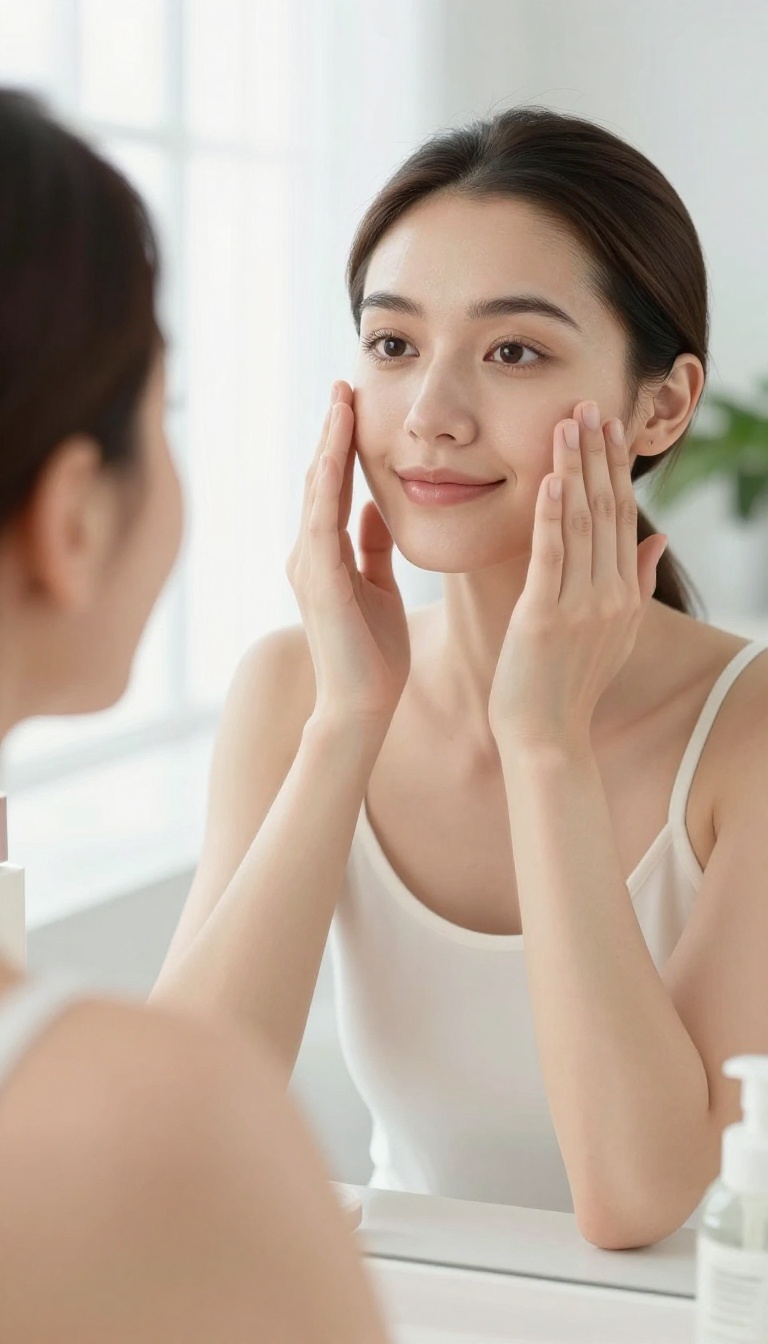
Your hands are the dirtiest part of your body—they touch doorknobs, phones, keyboards, and just about everything else. Every time you rest your chin on your palm or absentmindedly scratch a cheek, you're transferring that grime directly onto your skin. Over time, this can clog pores, trigger breakouts, and dull your natural glow.
It's a small habit, but breaking it can make a real difference.
Touching your face is often an unconscious habit, so the first step is simply noticing when you do it. You might be surprised how often your hands wander up there—while reading, working, or waiting in line. Once you're aware, you can gently redirect your hands.
Keep them busy with a stress ball or a pen, or just let them rest in your lap. The goal isn't perfection; it's building awareness and reducing the frequency.
Why It Matters
Your hands pick up bacteria, oil, and dirt throughout the day. When you touch your face, you're introducing these impurities into your pores. This can lead to blackheads, whiteheads, and inflamed acne, especially if you're prone to breakouts.
Even if you don't break out easily, constant touching can irritate your skin and make it look tired and uneven.
Break The Habit
Start by identifying your triggers. Do you touch your face when you're stressed, bored, or concentrating? Once you know your patterns, you can create alternatives.
For example, if you tend to rest your chin on your hand while working, try placing a small cushion or a sticky note as a reminder. You can also keep a fidget toy nearby to keep your hands occupied.
Extra Tips
If you must touch your face—say, to apply skincare or adjust your glasses—make sure your hands are clean. Wash them thoroughly with soap and water for at least 20 seconds. Alternatively, use a tissue or the back of your wrist to avoid direct contact.
And don't forget to regularly wipe down your phone screen, since it's a hotspot for germs that end up on your hands.
20. Use a Clay Mask Once a Week
Clay masks are like a deep-cleaning session for your face. They pull out the gunk that regular cleansers miss, leaving your pores looking smaller and your skin feeling refreshed. Once a week is all it takes to see a visible difference in clarity and brightness.
Clay masks work by absorbing excess oil and drawing out impurities from deep within your pores. They’re especially helpful if you have oily or combination skin, but even dry skin types can benefit from a gentle clay mask applied only to the T-zone. The key is to choose the right clay for your skin type and not overdo it—once a week is plenty.
Pick The Right Clay For Your Skin
Not all clays are the same. Kaolin clay is gentle and great for sensitive or dry skin. Bentonite clay is stronger and better for oily, acne-prone skin.
French green clay is a good middle ground, detoxifying without stripping. Check the label and start with a small patch test if you’re unsure.
Apply Thin, Don’t Slather
A common mistake is applying a thick layer of clay mask. You only need a thin, even coat that covers your face without being cakey. Thick layers take forever to dry and can pull at your skin when you rinse.
A thin layer dries evenly and works just as well.
Don’t Let It Crack
If you feel the mask tightening to the point of cracking, it’s time to rinse. Leaving it on too long can strip your skin of natural oils and cause irritation. Set a timer for 10–15 minutes, and if it feels uncomfortable, wash it off sooner.
Your skin should feel clean, not tight and dry.
Follow Up With Hydration
After rinsing off the mask, your skin is primed to absorb moisture. Apply a hydrating serum or moisturizer right away to lock in the benefits. This step prevents any dryness and leaves your skin looking plump and dewy, not stripped.
21. Apply Skincare in the Right Order
Ever feel like your serums just sit on top of your skin? The culprit might not be the product—it's the order. When you layer skincare from thinnest to thickest, each formula absorbs properly and does its job.
This simple tweak can make your whole routine more effective.
The basic rule is to go from watery to creamy. Start with cleanser to remove dirt, then toner to prep and balance. Follow with serum (the active ingredient), then moisturizer to lock everything in.
If you use facial oil, apply it after moisturizer to seal the moisture. Sunscreen always goes last, as the final protective layer.
Why Order Matters
Your skin absorbs lightweight formulas first. If you put a heavy cream on before a watery serum, the serum can't penetrate. The right order ensures each product reaches the layer where it works best, maximizing benefits and reducing waste.
The Golden Rule
Think of it like dressing: a thin t-shirt before a thick jacket. Cleanser, toner, serum, moisturizer, oil, sunscreen. That's the sequence that lets each step do its thing without fighting the next.
Quick Memory Trick
Remember 'CTSSOS'—Cleanser, Toner, Serum, Oil, Sunscreen. Or just think 'light to heavy. ' Once you get the hang of it, it becomes second nature, and your skin will show the difference.
22. Stay Consistent with Your Routine
Here's the thing about skincare: results don't happen overnight, and they definitely don't happen if you're constantly switching products or skipping days. Your skin cells need time to turn over, and your skin barrier needs time to strengthen. That's why consistency matters more than any single miracle ingredient.
When you stick to a routine for at least 4–6 weeks, you give your skin a chance to actually respond. You'll start to notice fewer breakouts, a more even tone, and that subtle glow that comes from a balanced barrier. Skipping days here and there resets the clock, so you're always starting from zero.
Commit to your habits like you commit to brushing your teeth—non-negotiable, even when you're tired.
Why 4–6 Weeks?
Your skin's natural renewal cycle takes about 28 days, but it can slow down with age or stress. That means a full month is the bare minimum to see real changes. Give it six weeks, and you'll have a clearer picture of what's working and what isn't.
Patience isn't just a virtue here—it's a requirement.
Track Your Progress
Take a photo every week in the same lighting. You'll be surprised at the subtle shifts that your eyes miss day to day. Keeping a simple journal of what you used and how your skin felt can also help you spot patterns.
This isn't about perfection—it's about noticing what your skin loves and doing more of that.
Make It Effortless
If your routine feels like a chore, you'll skip it. Keep your products visible, set a reminder on your phone, or pair your routine with something you already do, like brushing your teeth. The easier you make it, the more likely you'll stick with it.
Consistency isn't about willpower; it's about building a habit that fits your life.
23. Listen to Your Skin

Your skin is a living organ, and it changes with the seasons, your hormones, and your age. What worked in summer might not cut it in winter, and what your skin loved in your twenties could be too heavy now. The trick is to stay flexible and adjust your routine based on what your skin is telling you—not what a calendar says.
Pay attention to how your skin feels and looks. If it feels tight or looks flaky, it's begging for more hydration. If it's shiny by midday or breaking out, it might need lighter products.
Don't be afraid to swap out a heavy cream for a gel moisturizer or add a hydrating serum when the air gets dry. Your skin's needs are your best guide.
Seasonal Shifts
When the weather turns cold, your skin loses moisture faster. Switch to richer creams and consider a humidifier at night. In humid summer months, lighter gels and water-based products keep pores clear without feeling greasy.
Hormonal Fluctuations
Your cycle can make your skin oilier or more sensitive at different times. Keep a simple routine during breakouts, and add soothing ingredients like niacinamide or aloe when your skin feels reactive. Don't overhaul everything—just tweak what's needed.
Age-related Changes
As you get older, your skin produces less oil and collagen. That means you may need richer moisturizers and more antioxidants. But don't assume you need heavy anti-aging products just because of a number—let your skin's actual condition decide.
FAQ
How long does it take to see results from these habits?
Most people notice a difference in 4-6 weeks, but it can vary. Consistency is key, and some habits like hydration and sleep show benefits almost immediately.
Can I do all 23 habits at once?
It's best to introduce new habits gradually. Start with a few that feel easy, then add more as you get comfortable. Overwhelming yourself can lead to giving up.
Do I need expensive products for glowing skin?
No. Many habits are free or low-cost, like drinking water, sleeping well, and using sunscreen. Focus on basics first, then consider targeted treatments if needed.
What's the most important habit for glowing skin?
Sunscreen is non-negotiable. Without it, other efforts are undermined by UV damage. Hydration and sleep are also crucial for a healthy glow.
Can these habits help with acne-prone skin?
Yes, many habits like double cleansing, exfoliating, and reducing sugar can help acne. However, consult a dermatologist for severe acne.
Conclusion
That lit-from-within look isn't about chasing perfection—it's about stacking small, repeatable wins that your skin actually feels. Pick two or three habits that fit your mornings or evenings, and give them a solid two weeks before judging the results. Consistency beats intensity every time.
Start tonight with one simple swap, like a silk pillowcase or an extra glass of water before bed. Notice how that tiny choice sets the tone. Before you know it, that smooth, natural radiance becomes your everyday baseline.