
You don't need a full skincare overhaul to see a real change in your complexion. Sometimes the most effective glow up comes from small, consistent habits that work with your body, not against it. Think of it as a reset for your skin, using simple tools and natural ingredients you probably already have at home.
These tips are designed to fit into your daily life, not add more stress. Whether it's learning to massage your face or choosing the right foods, each step is a gentle nudge toward that lit-from-within look.
No need for expensive treatments or complicated routines—just practical, everyday self-care that shows up in your reflection. Ready to see what a difference a few tweaks can make?
1. Hydrate from the Inside Out

Water is the original beauty treatment. When you're even slightly dehydrated, your skin looks dull and tired, and fine lines stand out more. But staying properly hydrated is like giving your cells a drink of life, plumping them up from within.
You don't have to chug gallons to see a difference. Simple habits like starting your day with a glass of water and snacking on water-rich foods can transform your skin's natural glow. It's the easiest, cheapest, and most effective step in any glow-up routine.
Your skin is your largest organ, and it needs water to function well. When you're hydrated, your skin cells are fuller, making your complexion look smoother and more radiant. Dehydration, on the other hand, can make your skin look dry, flaky, and lackluster.
Aim for at least eight glasses of water a day, but adjust based on your activity level and climate. If plain water bores you, infuse it with lemon, cucumber, or mint for a refreshing twist. Remember, caffeinated drinks and alcohol can dehydrate you, so balance them with extra water.
Make Water Your First Ritual
Start your morning with a glass of water before anything else. This kickstarts your hydration after a night of fasting. Keep a water bottle on your desk or in your bag as a visual reminder to sip throughout the day.
You can also set reminders on your phone to take a few sips every hour.
Eat Your Water
Foods with high water content are just as important as drinking water. Cucumber, watermelon, oranges, and strawberries are over 90% water and packed with vitamins and antioxidants. Add them to salads, smoothies, or just snack on them.
These foods also provide electrolytes and nutrients that help your skin stay plump and healthy.
Watch The Hidden Dehydrators
Some drinks and foods can pull moisture out of your skin. Salty snacks, processed foods, and too much caffeine can leave you dehydrated. If you enjoy coffee or tea, make sure to pair each cup with an extra glass of water.
Alcohol is another culprit—it's a diuretic that can leave your skin looking puffy and dull the next day.
2. Double Cleanse Every Evening
Think about everything your skin picks up in a day—sunscreen, sweat, city grime, maybe a bit of makeup. A single cleanser often can't lift all of that away, leaving residue that can clog pores and dull your glow. That's where the double cleanse comes in: a two-step ritual that's simple, effective, and feels like a mini spa moment each night.
Start with an oil-based cleanser to melt away the day's buildup, then follow with a gentle water-based cleanser to sweep away the rest. This one-two punch leaves your skin truly clean, so your overnight repair process can work its magic. It's not about harsh scrubbing—it's about giving your skin the clean slate it needs to wake up looking fresh.
Why Oil First?
Oil attracts oil, so an oil-based cleanser is perfect for breaking down sunscreen, sebum, and makeup. It dissolves the stubborn stuff without stripping your skin's natural moisture barrier. Even if you're oily, this step helps balance things out by removing excess without over-drying.
Follow With A Gentle Water-based Cleanser
After you rinse off the oil, go in with a creamy or foaming cleanser that matches your skin type. This second pass clears away any leftover residue and water-based impurities like sweat and pollution. It's the final rinse that preps your skin for serums and moisturizers, so they can actually sink in.
Make It A Habit, Not A Chore
Double cleansing doesn't have to be time-consuming. Keep your cleansers by the sink and make it part of your wind-down routine. You can even do it while your conditioner sits in your hair.
The key is consistency—doing it every night, even on lazy days, keeps your pores clear and your glow steady.
3. Exfoliate Gently, Not Harshly

Scrubbing your face like you're trying to erase a bad day is a one-way ticket to redness and irritation. Your skin's barrier is delicate, and aggressive exfoliation can do more harm than good. The goal is to reveal fresh, glowing skin, not to strip it bare.
Instead, think of exfoliation as a gentle polish, not a deep scrub. By choosing the right method and frequency, you can encourage cell turnover without the backlash. Your skin will thank you with a smoother, brighter appearance.
Over-exfoliating can strip your skin's natural barrier, leading to dryness, sensitivity, and even breakouts. The fix? Switch to a gentle chemical exfoliant like lactic acid, which dissolves dead skin cells without the need for harsh scrubbing.
Use it once or twice a week to reveal fresh, glowing skin without irritation.
Why Harsh Scrubs Backfire
Physical scrubs with large, irregular particles can create micro-tears in your skin. This triggers inflammation and can actually accelerate aging. Your skin's barrier gets compromised, making it harder to retain moisture and fend off irritants.
The Lactic Acid Advantage
Lactic acid is a gentle alpha-hydroxy acid (AHA) that works by loosening the bonds between dead skin cells. It's naturally found in milk and has a larger molecule size, so it penetrates slowly and is less likely to cause stinging. Plus, it's a humectant, meaning it draws moisture into the skin, leaving it plump and dewy.
How To Exfoliate The Right Way
Start with a low concentration (around 5-10%) and apply a thin layer to clean, dry skin. Leave it on for a few minutes, then rinse with lukewarm water. Always follow up with a moisturizer and SPF the next morning, as AHAs can increase sun sensitivity.
If you're new to chemical exfoliants, begin with once a week and gradually build up.
Listen To Your Skin
Your skin will tell you if you're overdoing it. If you notice redness, stinging, or flakiness, cut back to every other week or take a break entirely. The goal is a healthy glow, not an inflamed one.
Pair your exfoliation with soothing ingredients like aloe or ceramides to keep your barrier happy.
4. Facial Massage for Lymphatic Drainage
Your face holds tension just like your shoulders, and that tightness can show up as puffiness and a dull complexion. A quick facial massage, especially one that targets your lymph nodes, can change that. It’s a simple ritual that boosts circulation, helps your skin look brighter, and gives you a natural lift without any products.
Think of your lymphatic system as your body's cleanup crew. It moves fluid and waste out of your tissues, but it doesn't have a pump like your heart—it relies on movement and massage. By gently working your face in upward strokes, you help that fluid drain, which reduces puffiness and leaves your skin looking more defined and awake.
Why Lymphatic Drainage Works
Your face can hold onto excess fluid, especially in the morning or after a salty meal. This makes you look tired and puffy. Lymphatic drainage massage encourages that fluid to move toward your lymph nodes, where it gets processed and removed.
The result is a slimmer, more sculpted look and a natural glow.
How To Do It: Hands Or Gua Sha
You can use your fingers or a gua sha tool—both work well. Start at the center of your face and move outward, always in upward strokes. Use light to medium pressure, and follow the natural contours of your face: from your nose to your ears, from your chin to your jaw, and from your forehead down to your temples.
Repeat each stroke 5-10 times.
Make It A Daily Ritual
For best results, do this for 2-3 minutes every morning or evening. You can use a few drops of facial oil or a moisturizer to help your fingers glide smoothly. It’s a relaxing way to start or end your day, and the benefits add up over time—less puffiness, better circulation, and a healthy, lit-from-within glow.
5. Use Vitamin C in the Morning
Morning is when your skin is ready to absorb the good stuff, and a few drops of vitamin C serum can make a noticeable difference. It's a powerhouse antioxidant that helps brighten your complexion and fade dark spots over time. Plus, it adds a layer of protection against daily environmental stressors like pollution and UV rays.
Vitamin C works best when applied right after cleansing and before moisturizer or sunscreen. It pairs perfectly with your SPF, giving you double defense. Consistency is key—use it every morning and you'll start to see a more even tone and a natural glow within a few weeks.
Why Morning Works Best
Your skin repairs itself at night, but during the day it's on the defensive. Vitamin C steps in as an antioxidant, neutralizing free radicals from sun exposure and pollution. That's why morning application is ideal—it's like sending your skin to battle with a shield.
How To Pick The Right Serum
Look for a serum with ascorbic acid (the most effective form) at a concentration between 10% and 20%. Start with a lower percentage if you have sensitive skin. Also check the packaging—vitamin C degrades with light and air, so choose a dark, airtight bottle.
Simple Morning Routine
Cleanse gently, pat your face dry, then apply a few drops of vitamin C serum. Wait a minute for it to absorb, then follow with moisturizer and sunscreen. That's it—no need for a complicated 10-step process.
6. Don't Skip Sunscreen
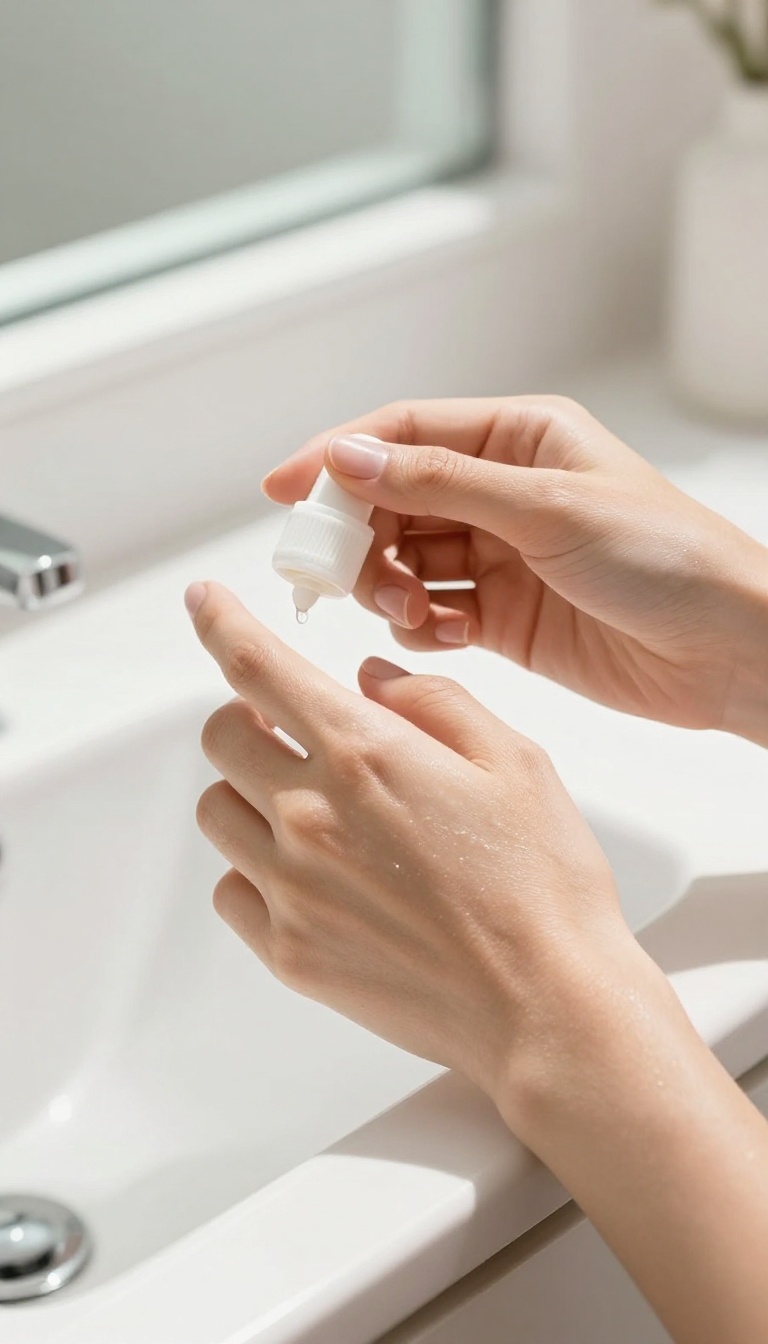
Sunscreen is the closest thing we have to a time machine for your skin. Skipping it is like leaving your car out in a hailstorm—you might get away with it for a while, but the damage adds up. Here's why daily SPF is the ultimate glow-up hack.
Daily SPF 30+ prevents premature aging, dark spots, and loss of elasticity, keeping your skin looking youthful and radiant. It's the one step that pays off in the long run, and it's easier than you think to make it a habit.
Why Spf Is Non-negotiable
UV rays are the main culprit behind fine lines, hyperpigmentation, and sagging. Even on cloudy days, up to 80% of UV rays can reach your skin. So if you're serious about a glow up, sunscreen is your best friend.
How To Pick The Right Formula
Look for a broad-spectrum SPF 30 or higher. If you have oily skin, go for a gel or matte finish. Dry skin?
A moisturizing sunscreen with hyaluronic acid works wonders. And don't forget your neck and hands—they age too.
Make It A Daily Habit
Keep a bottle next to your toothpaste. Apply it after your moisturizer, before makeup. Set a reminder on your phone if you need to.
Once it's part of your routine, it becomes second nature—and your future self will thank you.
7. Sleep on a Silk Pillowcase
Your pillowcase might be sabotaging your glow while you sleep. Cotton can tug at your skin and absorb your nighttime moisturizer, leaving you with creases and dryness come morning. Switching to silk is a simple swap that pays off in softer, smoother skin.
Silk’s smooth surface lets your skin glide instead of drag, so you wake up with fewer sleep lines and less irritation. It also helps your skin hold onto moisture, which is key for that fresh, dewy look. Plus, silk is gentler on your hair, reducing frizz and breakage—so you get a beauty boost from head to toe.
Why Cotton Can Work Against You
Cotton fibers are rough and absorbent. They can soak up the products you apply before bed, leaving your skin parched. The friction from tossing and turning can also cause micro-tears and contribute to fine lines over time.
The Silk Difference
Silk has a smooth, tightly woven surface that minimizes friction. It doesn’t pull at your skin or hair, and it won’t steal your moisturizer. This helps your skin stay hydrated and reduces the chances of waking up with pillow marks.
How To Choose And Care For Silk
Look for 100% mulberry silk with a high momme count (around 19-25) for durability. Wash it in cold water with a gentle detergent and let it air dry to keep it soft and long-lasting. It’s an investment, but your skin will thank you.
8. Incorporate a Weekly Face Mask

Sometimes your skin just needs a little extra TLC, and a weekly face mask is the perfect way to give it that. It's like a mini spa day at home, a chance to slow down and let nourishing ingredients work their magic. You don't need anything fancy—just a few natural staples from your kitchen can transform your complexion.
Adding a mask to your routine doesn't have to be complicated. Pick one day a week, maybe Sunday evening, to unwind and treat your skin. Choose a mask based on what your skin craves—hydration, brightness, or a little detox.
The key is to listen to your skin and have fun with it.
Hydrating Honey Mask
Honey is a natural humectant, meaning it draws moisture into your skin. Mix a tablespoon of raw honey with a few drops of water, apply it to a clean face, and leave it on for 15 minutes. Rinse with warm water to reveal a soft, dewy glow.
It's especially great for dry or dull skin.
Brightening Turmeric Mask
Turmeric has been used for centuries to brighten skin. Combine a pinch of turmeric with a tablespoon of yogurt and a teaspoon of honey. Apply the mixture evenly, let it sit for 10-15 minutes, then rinse off.
The yogurt adds gentle exfoliation while turmeric helps even out your skin tone. Just be careful—turmeric can stain, so rinse thoroughly.
Detoxifying Clay Mask
If your skin feels congested or oily, a clay mask can help draw out impurities. You can buy a natural clay powder (like bentonite or kaolin) and mix it with water or apple cider vinegar to form a paste. Apply a thin layer, avoid the eye area, and let it dry for about 10 minutes.
Rinse off before it fully hardens to prevent over-drying.
9. Eat Foods Rich in Antioxidants
You've probably heard that antioxidants are good for you, but did you know they're also a secret weapon for your skin? These powerful compounds help neutralize free radicals—unstable molecules that can damage skin cells and speed up aging. By loading up on antioxidant-rich foods, you're giving your skin the tools it needs to repair itself and glow from the inside out.
Antioxidants are like your skin's personal bodyguards. They fight off the environmental stressors you face every day, from pollution to UV rays. When you eat foods packed with these nutrients, you're not just nourishing your body—you're actively supporting your skin's health and radiance.
Berries: Nature's Sweet Glow Boosters
Blueberries, strawberries, and raspberries are loaded with vitamin C and anthocyanins, which help protect skin from oxidative stress. A handful of berries in your morning oatmeal or yogurt is an easy way to start your day with a skin-loving punch.
Leafy Greens: The Ultimate Skin Superfood
Spinach, kale, and Swiss chard are rich in vitamins A, C, and E, plus lutein and zeaxanthin. These nutrients help maintain skin elasticity and hydration. Toss a handful into your smoothie or sauté them as a side dish to get your daily dose.
Nuts And Seeds: Tiny But Mighty
Almonds, walnuts, and sunflower seeds are excellent sources of vitamin E, a powerful antioxidant that protects your skin's lipid barrier. A small handful as a snack or sprinkled over salads can make a big difference in keeping your skin supple and smooth.
10. Get Your Beauty Sleep

There's a reason they call it beauty sleep—it's not just a saying. While you're catching Zzz's, your skin goes into repair mode, boosting blood flow and rebuilding collagen. Skimp on sleep and you'll see the fallout in the mirror: dullness, puffiness, and those stubborn dark circles.
Aim for 7-9 hours of quality rest each night. It's not just about quantity, though—consistency matters. Going to bed and waking up at the same time helps regulate your body's internal clock, making your sleep more restorative.
If you struggle to wind down, try a relaxing bedtime routine like reading or gentle stretching.
Why Sleep Is A Skin Superpower
During deep sleep, your body increases blood flow to the skin, which helps repair damage from UV exposure and pollution. Growth hormone also kicks in, aiding in cell turnover and collagen production. That means fewer fine lines and a plumper, more radiant complexion.
How To Maximize Your Beauty Rest
Keep your bedroom cool and dark, and invest in a silk pillowcase to reduce friction and absorb less moisture from your skin. Avoid caffeine and screens an hour before bed. A consistent wind-down routine signals your body it's time to recharge, so you wake up looking refreshed.
11. Try Facial Steaming at Home
Facial steaming is one of those spa treatments that feels indulgent but is actually super easy to recreate at home. All you need is hot water and a few minutes of quiet time. The steam works by opening up your pores and boosting blood flow, which gives your skin that fresh, dewy look we all crave.
Steaming once a week can make a noticeable difference in how your skin looks and feels. It helps soften blackheads and makes your skincare products absorb better. Plus, it's a lovely ritual to unwind with after a long day.
How To Steam Your Face Safely
Fill a large bowl with hot water—not boiling, just steaming. Lean over the bowl with a towel draped over your head to trap the steam, and keep your face about 10 inches away. Steam for 5 to 10 minutes, then pat your skin dry and follow with a moisturizer.
Boost The Experience With Essential Oils
Add a drop or two of lavender or chamomile essential oil to the water for a calming aroma that turns your bathroom into a mini spa. Just make sure the oil is skin-safe and you're not sensitive to it. The scent alone can help melt away stress.
When To Skip The Steam
If you have very sensitive skin, rosacea, or active breakouts, steaming might irritate things. In that case, skip it or keep it super short. Always listen to your skin—if it feels too hot or uncomfortable, stop.
12. Use a Jade Roller for a Quick Pick-Me-Up
A jade roller is like a mini spa treatment you can do in your own bathroom. The cool stone feels amazing on tired skin and instantly wakes up your face. It's not just about the sensation—rolling helps reduce puffiness and boosts circulation, which gives you that fresh, dewy look.
Using a jade roller is simple, but a few techniques make it even more effective. Start with a clean face and apply a few drops of your favorite facial oil or serum—the roller glides better and helps the product sink in. Then, gently roll upward and outward, starting from the center of your face.
Spend extra time on your jawline and under your eyes, where puffiness tends to show. A few minutes each morning can make a noticeable difference.
Why It Works
The cooling effect of jade helps constrict blood vessels, which reduces swelling and redness. The rolling motion also encourages lymphatic drainage, helping your body flush out excess fluid and toxins. Plus, it gives your skin a gentle massage that stimulates collagen production, keeping you looking plump and youthful.
How To Use It Right
Keep your roller in the fridge for an extra cooling boost. Use light pressure—you don't want to stretch your skin. Roll each area about five times, moving upward and outward.
Focus on your cheekbones, forehead, and jawline. Clean your roller after each use with a gentle soap or alcohol wipe to keep it hygienic.
When To Roll
Morning is the best time to de-puff and wake up your skin. You can also use it at night to help your skincare products absorb better. If you're feeling stressed, a quick roll can be a calming ritual—just a few minutes of self-care that makes you look and feel more refreshed.
13. Cut Back on Sugar and Dairy
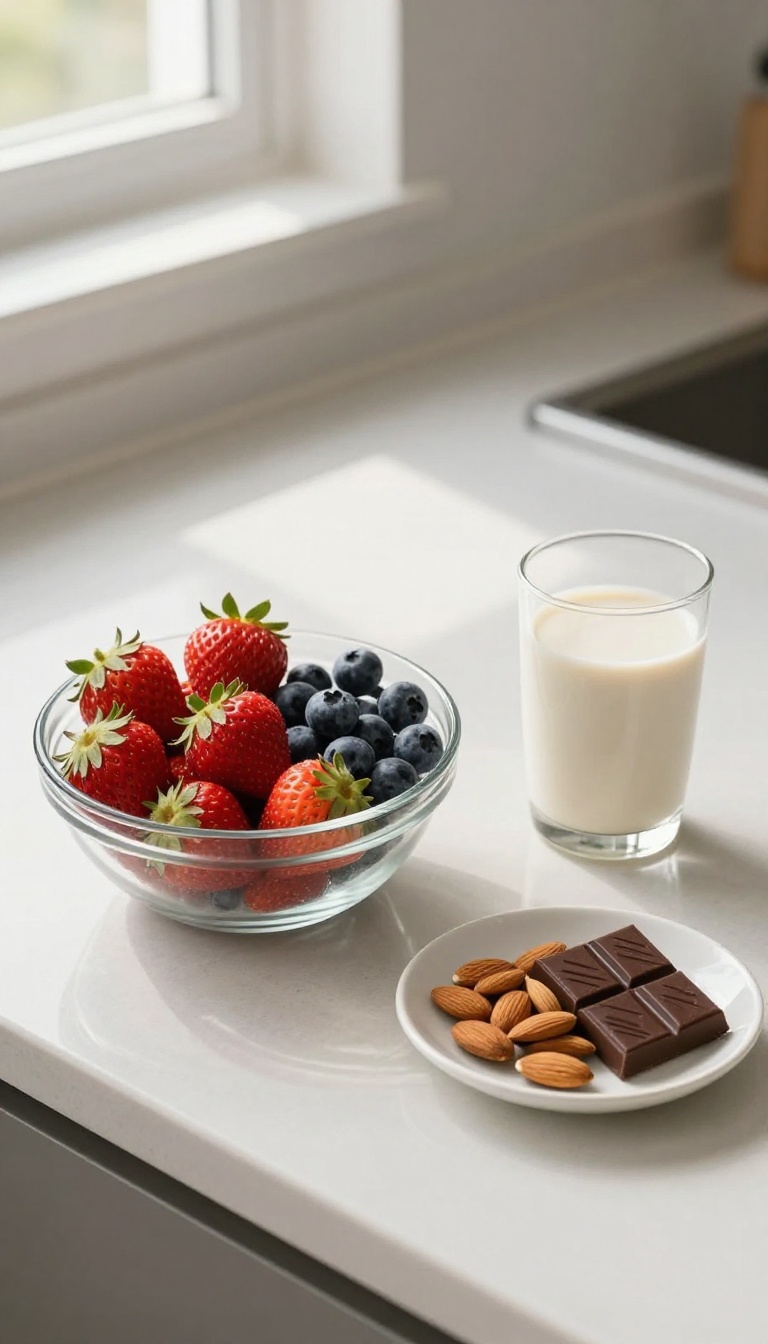
Your skin often mirrors what you eat, and sugar and dairy are two big culprits behind dullness and breakouts. When you overdo sugar, it spikes insulin, which can lead to inflammation and excess oil. Dairy, especially milk, can trigger hormones that make skin more prone to acne.
Cutting back doesn't mean going cold turkey—just being more mindful can make a visible difference.
Reducing sugar and dairy can help clear up your complexion and reduce redness. You don't have to eliminate them entirely; even cutting down by half can improve your skin's tone and texture. Swap sugary snacks for fruit or nuts, and try plant-based milk alternatives like almond or oat milk.
Give it a few weeks, and you'll likely notice fewer breakouts and a more even glow.
Why Sugar Affects Your Skin
Sugar causes your insulin levels to spike, which triggers inflammation and increases oil production. That can lead to clogged pores and breakouts. High sugar intake also speeds up glycation, which damages collagen and elastin, making skin look less firm and more tired.
Cutting back on refined sugar helps keep your skin calm and clear.
Dairy And Breakouts
Dairy contains hormones that can overstimulate your oil glands and lead to acne, especially around your chin and jawline. Even if you don't have a full-blown dairy allergy, sensitivity can show up as redness and bumps. Trying a dairy-free week can help you see if it's a trigger for your skin.
Simple Swaps That Work
You don't need to overhaul your diet overnight. Start by swapping your morning cereal milk for oat milk, and choose dark chocolate over milk chocolate. For sweet cravings, reach for berries or dates instead of candy.
These small changes add up and help your skin without making you feel deprived.
14. Stay Consistent with Your Routine
You've probably heard that consistency is key, but when it comes to your skin, it's the real deal. Your skin cells turn over roughly every 28 days, so giving a new routine at least a month is the only way to judge if it's working. Skipping days or switching products constantly just confuses your skin and delays results.
Think of your skincare routine like a workout plan—you wouldn't expect abs after one gym session. The same goes for your glow. Stick with your chosen products and habits for 4 to 6 weeks, and pay attention to how your skin feels, not just how it looks.
If you're consistent, you'll notice small improvements that build into a lasting glow.
Set A Simple Routine You Can Stick To
Don't overload yourself with a 10-step routine if you're just starting. Pick a few basics—cleanser, moisturizer, and sunscreen—and do them every day. When it feels easy, you're more likely to keep it up.
You can always add more steps later, but consistency beats complexity every time.
Track Your Progress
Take a photo of your bare skin in natural light every week. Looking back at these photos after a month can show you subtle changes you might miss day to day. It's also a great motivator to keep going, especially when you're tempted to skip a night.
Don't Get Discouraged By Setbacks
Maybe you break out right before your period or your skin gets dry in winter. That's normal. If you have a bad week, don't throw out your whole routine.
Just get back on track the next day. Consistency isn't about being perfect—it's about showing up for your skin most of the time.
15. Manage Stress with Mindfulness

Stress doesn't just mess with your mood—it shows up on your face. When cortisol spikes, your skin produces more oil, leading to breakouts and a tired, dull look. The good news?
You can flip that switch with simple mindfulness practices that calm your mind and your skin.
Mindfulness doesn't require a meditation cushion or an hour of silence. It's about small, intentional moments that lower stress hormones and help your skin recover. Here are a few easy ways to build it into your day.
Breathwork For Instant Calm
Deep breathing activates your parasympathetic nervous system, which tells your body to relax. Try the 4-7-8 method: inhale for 4 seconds, hold for 7, exhale for 8. Even a few rounds can reduce cortisol and improve blood flow, giving your skin a natural flush.
Mindful Skincare Rituals
Turn your skincare routine into a meditation. Instead of rushing through cleansing and moisturizing, focus on the sensations—the warmth of the water, the texture of the product. This not only lowers stress but also helps you notice what your skin needs.
Stress-busting Habits
Incorporate short mindful pauses throughout the day. Step away from your screen, take a walk, or just sit quietly for a minute. These micro-breaks keep stress from building up, which means fewer stress-induced breakouts and a steadier glow.
FAQ
How long does it take to see results from these natural glow up tips?
Most people notice a difference in their skin's texture and radiance within 2 to 4 weeks of consistent practice. However, deeper changes like fading dark spots may take a few months.
Can I do all these tips every day?
Not all of them are meant for daily use. Exfoliating, face masks, and steaming should be done once or twice a week, while hydration, sunscreen, and cleansing are daily essentials.
Are these tips suitable for all skin types?
Yes, these tips are generally gentle and can be adapted for any skin type. If you have sensitive skin, patch-test new products and adjust frequency based on how your skin reacts.
Do I need to buy expensive products for a glow up?
No, many of these tips rely on natural ingredients and simple tools like a jade roller or gua sha. You can achieve a glow with budget-friendly options and pantry staples.
What is the most important tip for a natural glow?
Sunscreen is arguably the most important because it protects your skin from damage that causes dullness and premature aging. Pair it with hydration and consistent cleansing for best results.
Conclusion
Adding even a few of these natural glow up tips to your daily routine can make a noticeable difference in how your skin looks and feels. The key is to be consistent and patient, letting your skin adjust to the new habits.
Remember, a glow up is not about perfection—it's about feeling confident in your own skin. Pick the tips that resonate with you, start small, and enjoy the process of caring for yourself every day.