That fresh, clean look isn't about a 10-step routine or pricey products—it's about smart, simple choices that fit your real life. These 15 face glow up ideas focus on practical tweaks you can actually stick with, from washing techniques to the little extras that make a visible difference.
No fluff, no perfectionism—just straightforward steps to help your skin look brighter and healthier.
Pick a few that feel doable, start there, and let the rest follow naturally.
1. Double Cleanse Without the Fuss
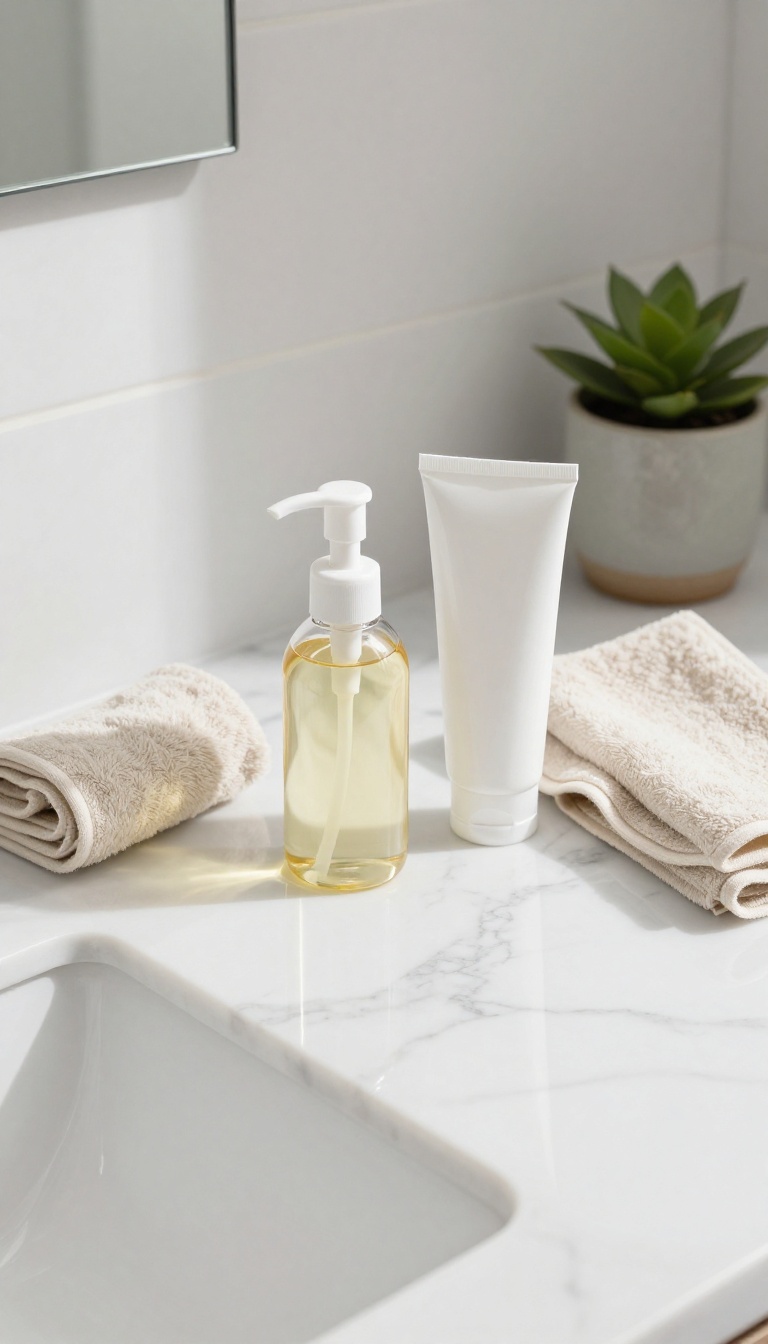
You've probably heard about double cleansing from skincare enthusiasts, but it's simpler than it sounds. The idea is to use two different cleansers in one session: an oil-based one first, then a water-based one. This two-step approach ensures your skin is truly clean without feeling tight or stripped.
Start with an oil-based cleanser to dissolve sunscreen, makeup, and excess sebum. Massage it on dry skin, then rinse off. Follow with a gentle water-based cleanser to remove any residue and give your skin a fresh base.
This method works for all skin types, even oily ones, because it doesn't over-strip.
Why Oil First?
Oil attracts oil. The oil-based cleanser binds to the oils in your sunscreen and makeup, lifting them off your skin easily. Water alone can't remove these stubborn products, which is why a single cleanse often leaves residue behind.
Choosing The Right Cleansers
Pick an oil cleanser that rinses clean without leaving a film. For the second step, look for a gentle foaming or gel cleanser with no harsh sulfates. Avoid anything that makes your skin feel squeaky clean—that's a sign it's too drying.
When To Skip It
If you don't wear sunscreen or makeup, a single cleanse is enough. Double cleansing is most beneficial in the evening. In the morning, just splash with water or use a mild cleanser to keep your skin's natural barrier intact.
2. Exfoliate, But Don't Overdo It
Exfoliation is like giving your skin a gentle reset—it sweeps away the dull, dead cells that make your complexion look tired. The trick is to treat it like a weekly ritual, not a daily chore. Done right, it reveals fresher, brighter skin underneath.
Done too often, it can leave you red, irritated, and worse off than before.
Think of exfoliation as a way to speed up your skin's natural renewal process. When dead cells pile up, your face can look flat and lackluster. By removing them, you let the newer, healthier cells shine through.
But here's the catch: your skin barrier is delicate. Over-scrubbing or using harsh acids daily can strip away protective oils, leading to dryness and sensitivity. The goal is to polish, not punish.
Pick The Right Exfoliant
Not all exfoliants are created equal. For most skin types, a gentle chemical exfoliant like lactic acid or salicylic acid works better than physical scrubs. Lactic acid is hydrating and mild, perfect for beginners.
Salicylic acid dives into pores to clear out oil, making it great for acne-prone skin. Start with a low concentration (around 5-10%) and patch test first.
Set A Realistic Schedule
Two to three times a week is the sweet spot for most people. If you're new to exfoliating, begin with once a week and see how your skin reacts. Pay attention to any tightness or flaking—those are signs you're overdoing it.
On off days, just cleanse and moisturize. Your skin needs time to recover and rebuild.
Listen To Your Skin
Your skin will tell you what it needs. If it feels smooth and looks radiant, you're on track. If it stings, turns red, or feels rough, pull back.
It's also smart to skip exfoliation on days when you're using strong active ingredients like retinol. And always follow up with a moisturizer to lock in hydration.
3. Hydrate With a Humectant Serum
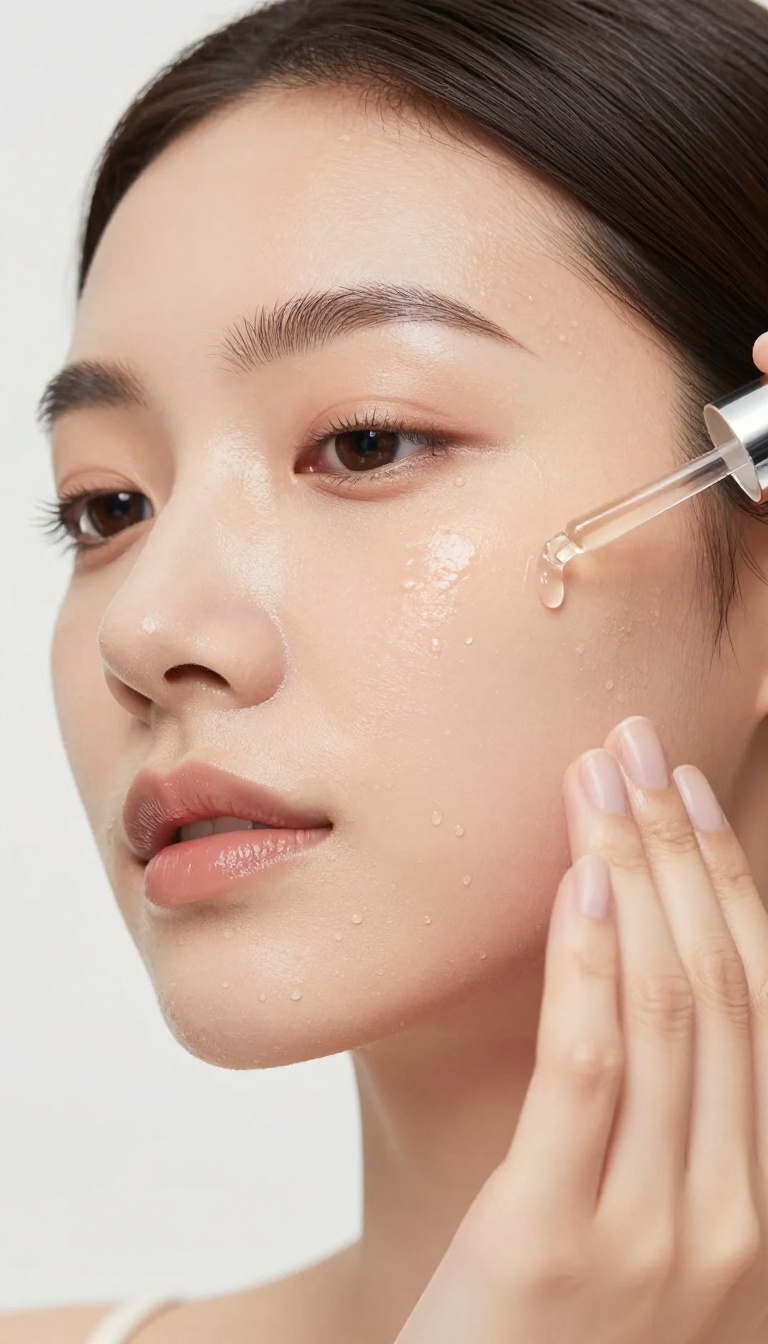
Your skin can look dull and tired when it's lacking water, not just oil. A humectant serum is like a drink of water for your face—it pulls moisture from the air and deeper layers of your skin into the top layer, giving you that plump, dewy glow. The trick is applying it the right way, and that's easier than you think.
Humectants are ingredients that attract water. Hyaluronic acid and glycerin are the most common, and they work by drawing moisture into your skin's outer layer. This helps smooth fine lines and gives your face a fresh, bouncy look.
The best part? You don't need a fancy routine—just a good serum and a simple habit.
Why Damp Skin Matters
Applying serum on damp skin is a game-changer. When your skin is already wet, the humectant has more water to grab onto, so it can hold that moisture in. Think of it like a sponge—it works better when it's already soaked.
So after cleansing, don't towel-dry completely. Leave your face slightly damp, then apply your serum.
How To Layer It Right
A few drops are enough. Press the serum gently into your skin with your palms, rather than rubbing. Then, follow with a moisturizer to seal everything in.
If you're using other products, apply the serum before heavier creams or oils. This way, the humectant can do its job without being blocked.
When To Use It
Morning and night both work, but consistency matters more than timing. If your skin feels tight or dry by midday, a quick reapplication can help. Just make sure your hands are clean.
For extra hydration, you can also mix a drop with your moisturizer for a boost.
4. Never Skip Sunscreen
Sunscreen is the closest thing we have to a time machine for your skin. It's not just for beach days—daily use is what keeps your glow from fading into dullness and dark spots. Think of it as the foundation of every other glow-up step you take.
The sun's UV rays are responsible for most visible skin aging, from fine lines to uneven tone. Even on cloudy days, up to 80% of UV rays can reach your skin. That's why a lightweight SPF 30+ formula, applied every morning, is non-negotiable if you want a lasting, healthy glow.
Why Spf 30+ Matters
SPF 30 blocks about 97% of UVB rays, and when used consistently, it prevents the breakdown of collagen and elastin—the proteins that keep skin firm and bouncy. Over time, this means fewer wrinkles and less sagging, so your skin looks naturally radiant instead of tired.
Choosing A Formula You'll Actually Wear
The best sunscreen is the one you use every day. Look for a gel, fluid, or moisturizer-like texture that absorbs quickly and doesn't leave a white cast. Many modern formulas feel like nothing at all, so you can layer them under makeup or wear them alone without that sticky, heavy feeling.
Make It A Non-negotiable Habit
Keep your sunscreen next to your toothpaste or on your bathroom counter as a visual reminder. Apply it after your moisturizer and before makeup, and don't forget your neck and ears. Reapply every two hours if you're outdoors, but for daily indoor wear, a morning application is usually enough.
5. Add a Vitamin C Boost
Morning dullness is a real thing, and vitamin C is like a splash of cold water for your face. It’s a powerhouse antioxidant that brightens your skin, fades dark spots, and gives you that lit-from-within look. The trick is starting slow and letting your skin adjust—no need to dive into a 20% formula on day one.
Vitamin C works best when used consistently, so make it part of your morning routine. Apply a few drops after cleansing and before moisturizer, and always follow with sunscreen—this combo doubles the protection and boosts the glow.
Pick The Right Strength
If you're new to vitamin C, start with a 5% to 8% concentration. That's enough to see benefits without overwhelming your skin. Once your skin builds tolerance, you can move up to 10% or even 15% for more noticeable brightening.
Layer It Correctly
For best results, apply vitamin C on clean, dry skin. Wait a minute for it to sink in, then follow with a moisturizer. If you use other serums, use vitamin C first—it works best when it's closest to your skin.
Watch For Irritation
A little tingling is normal at first, but if you see redness or peeling, dial back the frequency. Try using it every other day until your skin adjusts. And always patch test a new product on your jawline before going all in.
6. Sleep on Silk or Satin

Your pillowcase might be sabotaging your glow while you sleep. Cotton can tug at your skin and hair, leaving creases and irritation by morning. Switching to silk or satin is a small swap with noticeable benefits.
Silk and satin have smooth, slippery surfaces that reduce friction. That means fewer sleep lines, less irritation, and a softer landing for your skin every night. Plus, your hair will thank you too—less frizz and fewer tangles.
Sleeping on silk or satin isn't just a luxury—it's a practical skincare move. The smooth fabric allows your skin to glide instead of pressing into the pillow, which helps prevent those temporary creases that can turn into fine lines over time. It also absorbs less moisture and product, so your skincare stays on your face where it belongs.
For acne-prone skin, silk and satin are also less absorbent than cotton, meaning they won't soak up your nighttime serums or leave your face feeling dry. And since they're gentler, they're less likely to cause friction-related breakouts or irritation. If you're not ready to invest in a full set, start with just a pillowcase.
It's an easy, low-commitment change that can make a real difference in how your skin looks and feels in the morning.
Why Silk Beats Cotton For Your Skin
Cotton fibers can be rough on the delicate skin on your face, especially when you move around during sleep. Silk and satin have a much smoother surface, which means less friction and less stress on your skin. Over time, this can help reduce the appearance of sleep lines and keep your skin looking more rested.
The Bonus For Your Hair
It's not just your skin that benefits. The slippery texture of silk and satin also reduces hair breakage and frizz. You'll wake up with fewer tangles and less bedhead, which means less styling damage and a smoother overall look.
It's a win-win for your morning routine.
How To Choose And Care For Your Pillowcase
Look for 100% mulberry silk or a high-quality satin with a smooth finish. Make sure it's breathable and gentle on your skin. To keep it in good shape, wash it on a gentle cycle with a mild detergent and let it air dry.
With proper care, it can last for years and keep giving you that glow.
7. Use a Facial Roller or Gua Sha
Facial rollers and gua sha tools have become staples in skincare routines for good reason—they're simple, effective, and feel amazing. These tools help de-puff and improve circulation, giving you a quick glow. Plus, they're a relaxing way to end your day or start your morning.
Using a facial roller or gua sha is like giving your face a mini massage. The cool stone or metal helps reduce puffiness, especially around the eyes, while the gentle pressure stimulates blood flow. That increased circulation brings oxygen and nutrients to your skin cells, which can brighten your complexion almost instantly.
The key is to use them with a facial oil or serum to reduce friction and let the tool glide smoothly.
Why It Works
The lymphatic system in your face can get sluggish, leading to fluid retention and that morning puffiness. Rolling or scraping in upward, outward motions helps drain that excess fluid. It also relaxes facial muscles, which can soften tension lines.
Over time, regular use can help your skincare products absorb better and give your skin a firmer look.
How To Choose And Use
You don't need anything fancy—a simple jade roller or a stainless steel gua sha stone works great. If you want an extra de-puffing effect, pop your tool in the fridge for a few minutes before use. Apply a few drops of your favorite facial oil or serum, then gently roll or scrape each area for about 30 seconds.
Focus on your jawline, cheekbones, and under your eyes. Just be gentle—no need to press hard.
When To Do It
Morning is a great time because it can wake up your skin and reduce any overnight puffiness. But it's also perfect at night as part of your wind-down routine. Aim for a few times a week, but if you enjoy it, daily use is fine.
Just make sure to clean your tool regularly to avoid transferring bacteria to your face.
8. Try a Weekly Clay Mask
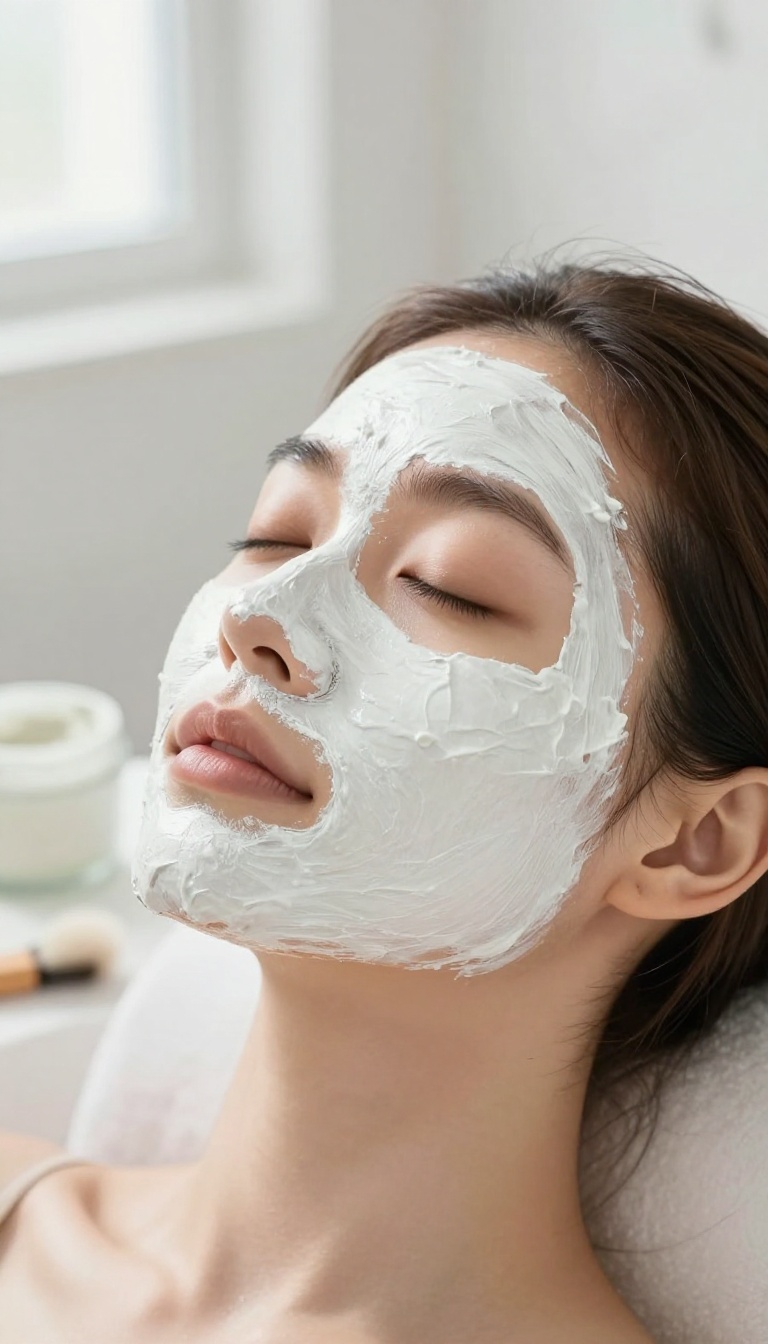
Clay masks are like a deep clean for your face, pulling out the gunk that builds up in pores over the week. They're especially great if you're oily or prone to breakouts, but even normal skin can benefit from a weekly reset. The key is not to overdo it—leave it on too long and you'll strip away the good stuff, leaving your skin tight and dry.
Why Clay Works
Clay is naturally absorbent, so it soaks up excess oil and lifts away dead skin cells and impurities. That's why your face feels so clean after rinsing it off. It also helps tighten the look of pores, which can make your skin appear smoother and more even.
How To Apply It Right
Start with a clean face, then apply a thin, even layer—avoid the eye area. Relax for 10 to 15 minutes, or until the mask feels dry but not cracked. Rinse with warm water using gentle circular motions, then pat your skin dry and follow up with a moisturizer to lock in hydration.
Don't Overdo It
Once a week is plenty for most people. If you have sensitive or dry skin, cut it to every other week or use a gentler formula. Watch for signs of irritation like redness or tightness, and adjust accordingly.
Your skin should feel refreshed, not stripped.
9. Eat Your Way to Glow
You've heard it before, but the link between food and skin is real. Your diet shows up on your face, whether it's a dull complexion or a fresh, even tone. The right foods can give you that lit-from-within look without any extra product.
Think of your skin as a reflection of what you eat. Antioxidants and healthy fats work from the inside out, helping your skin stay supple and radiant. It's not about strict diets—just adding a few key foods to your plate.
Antioxidant-rich Foods
Berries, leafy greens, and colorful veggies are packed with antioxidants that fight free radicals—those unstable molecules that cause premature aging. Free radicals come from sun exposure, pollution, and stress, and they can make your skin look tired and dull. By eating a rainbow of fruits and vegetables, you give your skin the tools to repair and protect itself.
Try adding a handful of blueberries to your morning oats, or swap your usual side salad for spinach or kale. Small changes like these add up over time.
Omega-3 Fatty Acids
Omega-3s are healthy fats that help maintain your skin's lipid barrier, keeping it hydrated and plump. Found in fatty fish like salmon, as well as walnuts and flaxseeds, these fats also have anti-inflammatory properties that can calm redness and breakouts. If you're not a fish fan, a handful of walnuts or a sprinkle of chia seeds on your yogurt works just as well.
Your skin will thank you for the extra moisture and glow.
Hydrating Foods
Hydration isn't just about drinking water—eating water-rich foods helps too. Cucumbers, watermelon, and oranges are full of water and vitamins that keep your skin looking fresh and dewy. These foods also provide vitamin C, which is key for collagen production.
Next time you're reaching for a snack, grab a juicy orange or some cucumber slices. Your skin will feel more supple and look more luminous.
10. Stay Hydrated (Yes, Really)

Water isn't a magic potion, but it's the closest thing to it for your skin. When you're dehydrated, your skin loses that natural bounce and can look dull or tired. Drinking enough water helps your skin stay plump and supports your body's natural detox process.
Aim for about 8 glasses a day, but adjust based on your activity level and climate. If you're active or live somewhere hot, you'll need more. Keep a water bottle nearby as a reminder, and don't wait until you're thirsty—thirst is already a sign you're behind.
How Much Water Do You Really Need?
The old 8-glasses rule is a good starting point, but it's not one-size-fits-all. Your weight, sweat rate, and even your diet play a role. A simple trick: check your urine color.
Pale yellow means you're good; dark yellow means you need to drink up.
Easy Ways To Drink More
If plain water bores you, add slices of lemon, cucumber, or berries for a hint of flavor. Set a timer on your phone as a reminder, or use a marked bottle to track your intake. Small changes like swapping one sugary drink for water can add up quickly.
11. Get Moving for Circulation
Your skin loves movement. When you exercise, your heart pumps faster, sending oxygen-rich blood to your face. That flush isn't just temporary—it's a sign your skin is getting the nutrients it needs to look healthy and bright.
You don't need a grueling workout to see the benefits. A quick walk, a dance break, or some stretching can get your blood flowing and give you that natural, post-workout glow.
Regular movement supports your skin in more ways than one. It helps reduce stress, which can trigger breakouts, and it encourages your lymphatic system to flush out toxins. Plus, the sweat can help clear pores—just make sure to cleanse afterward.
Aim for at least 20 minutes of moderate activity most days. You'll notice your skin looking more vibrant, and you'll feel more energized too.
Why Circulation Matters
Good circulation means your skin cells get the oxygen and nutrients they need to repair and renew. It also helps carry away waste products, which can make your complexion look dull. When you move, you're essentially giving your skin a natural boost from the inside out.
Easy Ways To Get Moving
You don't need a gym membership. Try a brisk 15-minute walk during lunch, take the stairs instead of the elevator, or do a quick yoga flow in the morning. Even dancing in your kitchen counts.
The key is to find something you enjoy so it becomes a habit.
Post-workout Skin Care
After you exercise, wash your face with a gentle cleanser to remove sweat and dirt. Follow up with a light moisturizer to keep your skin hydrated. Avoid touching your face during workouts, and if you wear makeup, try to remove it before you sweat to prevent clogged pores.
12. Master the Art of Skin Tints
Heavy foundation can feel like a mask, hiding the very glow you're trying to achieve. Skin tints and tinted moisturizers offer a lighter touch, letting your real skin peek through while still smoothing out imperfections. It's the effortless, no-makeup makeup vibe that looks fresh and natural.
Swapping your full-coverage base for a skin tint is a game-changer for a clean, fresh appearance. These lightweight formulas hydrate, even out tone, and give a subtle radiance without the cakey finish. Perfect for everyday wear, they let your skin breathe and look like skin—just better.
Why Skin Tints Beat Foundation
Skin tints are all about flexibility. They provide sheer to light coverage that evens out redness and dullness while letting your natural texture show. Unlike heavy foundations that can settle into fine lines, tints blend seamlessly and feel like nothing on your skin.
Plus, they're quicker to apply—just use your fingers or a damp sponge.
How To Choose The Right Shade
The key is to match your skin's undertone, not just the surface color. Test a few shades on your jawline in natural light. The right tint should disappear into your skin, leaving only a healthy glow.
If you're between shades, go lighter—it's easier to add warmth with a touch of bronzer.
Application Tips For A Natural Finish
Start with well-moisturized skin. Warm a pea-sized amount between your fingers and press it into your face, focusing on the center where you need more coverage. Blend outward for a seamless finish.
Use a stippling brush for a more airbrushed look, or just your hands for that 'my skin but better' effect.
13. Highlight the Right Places

A little shimmer in the right spots can make your whole face look awake and fresh. It's not about glitter—just a soft, dewy glow that catches the light naturally. The trick is knowing exactly where to place it and picking a formula that melts into your skin.
Highlighter is one of those products that can go from subtle to disco-ball in seconds. The key is to use a light hand and focus on the areas where light naturally hits your face. When you get it right, it looks like your skin is just healthy and glowing, not like you've applied anything at all.
Where To Apply
Stick to the high points of your face: the tops of your cheekbones, the arch of your brow bone, and the inner corners of your eyes. A tiny dab on the bridge of your nose and a touch above your cupid's bow can also add a subtle lift. Avoid the T-zone if you're oily—you want glow, not grease.
Cream Vs. Powder
Cream highlighters are your best bet for a natural, skin-like finish. They blend easily and look like your skin is just hydrated. Powders can work, but they're easier to overdo and can settle into fine lines.
If you do use powder, apply it with a fluffy brush and tap off the excess.
Application Tips
Use your ring finger or a damp sponge to pat the product in—never rub. Rubbing can disturb your base and make the highlighter look patchy. Start with a tiny amount and build up slowly.
You can always add more, but it's hard to take away without messing up your makeup.
14. Don't Forget Your Lips
Your lips are a key part of that clean, fresh look, but they're often overlooked. Dry, flaky lips can make even the best skin feel off. A quick lip care routine takes minutes and makes a huge difference.
Start by gently exfoliating your lips with a simple sugar scrub. You can buy one or make your own with sugar and honey. This removes dead skin and smooths the surface.
Then, apply a nourishing balm to lock in moisture. For a healthy flush, finish with a tinted lip oil—it adds color without looking heavy.
Exfoliate Gently
Use a soft toothbrush or your fingertip to massage a sugar scrub onto your lips in circular motions. Do this once or twice a week. Avoid over-scrubbing, as that can irritate.
Rinse with warm water and pat dry.
Hydrate And Protect
After exfoliating, apply a balm with ingredients like shea butter, beeswax, or hyaluronic acid. This seals in moisture and keeps lips soft. Reapply throughout the day, especially before bed.
For daytime, choose a balm with SPF to protect against sun damage.
Add A Hint Of Color
A tinted lip oil or a sheer lipstick can give your lips a natural, healthy tint. It brightens your face without looking heavy. Choose shades that match your natural lip color or go slightly deeper.
Glossy finishes also make lips look fuller and more hydrated.
15. Prioritize Sleep and Stress Management

Your skin does its best repair work while you sleep, but that only happens if you actually clock enough rest. Stress, on the other hand, pumps your body with cortisol, which can mess with your skin's natural balance and make it look dull. Getting sleep and stress under control isn't just about feeling better—it's a direct line to that glow.
When you're sleep-deprived, your body produces more cortisol, a stress hormone that can increase oil production and lead to breakouts. High stress also triggers inflammation, which can make your skin look red or puffy. Prioritizing sleep and finding ways to unwind are not optional extras—they're core to a clean, fresh appearance.
How Sleep Boosts Your Glow
During deep sleep, your body increases blood flow to the skin, which helps repair damage from UV exposure and pollution. It also produces collagen, the protein that keeps skin firm and elastic. Skimping on sleep means your skin misses out on this nightly renewal, leading to a tired, sallow look.
Stress Management Techniques That Work
You don't need a spa day to lower stress. Simple practices like deep breathing, a short walk, or journaling for five minutes can make a big difference. Even a few minutes of mindfulness each day can lower cortisol levels and help your skin look calmer and more even-toned.
Building A Sleep Routine For Better Skin
Try to go to bed and wake up at the same time every day, even on weekends. Create a wind-down routine that signals your body it's time to rest—like reading, stretching, or taking a warm shower. Keep your bedroom cool, dark, and quiet to improve sleep quality, and avoid screens at least an hour before bed.
FAQ
How long does it take to see results from these glow up ideas?
Most people notice a difference in skin texture and hydration within a week, but significant changes take about 4-6 weeks as your skin cell turnover cycle completes.
Can I do all these steps if I have sensitive skin?
Yes, but introduce new products gradually and patch test first. Focus on gentle hydration and skip harsh exfoliants or strong actives if they cause irritation.
What's the most budget-friendly glow up tip?
Drinking enough water and getting enough sleep are free and have a huge impact on your skin's appearance. Sunscreen is also a low-cost investment with long-term benefits.
Do I need to use all 15 ideas to get a glow?
No, pick a few that fit your lifestyle and skin type. Consistency matters more than doing everything. Start with the basics like cleansing, moisturizing, and SPF.
Are these tips suitable for men?
Absolutely. Skincare is gender-neutral. Men can benefit from the same principles of cleansing, moisturizing, and sun protection.
Conclusion
A face glow up doesn't need a big budget or a complicated routine—just a few small tweaks that fit your lifestyle. Start with one or two ideas that feel doable, like drinking more water or switching to a gentler cleanser, and build from there. Over a few weeks, you'll see a real difference in your skin's clarity and overall freshness.
The best part? These habits are easy to keep up, so the glow sticks around. Pick what works for you, stay consistent, and enjoy the natural radiance that follows.