A truly resetting shower doesn't happen by accident—it's built step by step. This 17-step routine turns your bathroom into a personal spa, tackling everything from dry brushing to cold rinses for skin that glows and hair that shines.
Each move is intentional, helping you unwind while getting genuinely clean. Ready to transform your daily rinse into a full-body reset?
Let's walk through the sequence that makes every shower feel like a fresh start.
1. Set the Mood with Lighting and Music
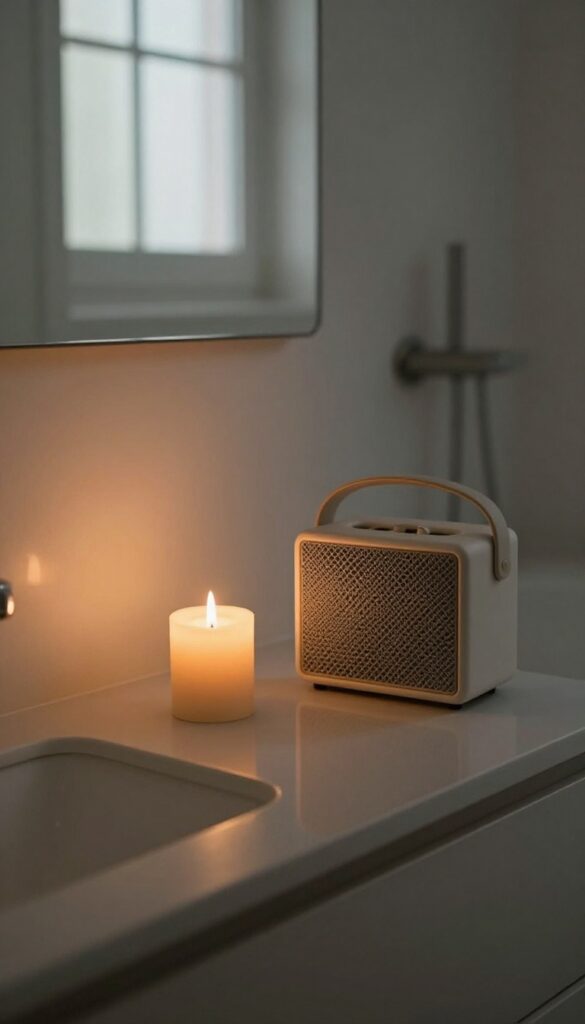
Before you even turn on the water, take a moment to transform your bathroom into a sanctuary. The right lighting and sound can shift your mindset from rushed to relaxed in seconds. This isn't just about ambiance—it's a signal to your nervous system that it's time to slow down and reset.
Dim the overhead lights and switch to a candle or a soft lamp. The warm, flickering glow instantly calms the mind. Pair that with a playlist of slow, instrumental tracks or nature sounds.
Your brain will start associating these cues with deep relaxation, making the whole routine more effective.
Why Lighting Matters
Bright, harsh lights keep you alert. For an everything shower, you want the opposite. Soft, warm lighting lowers cortisol and helps your muscles unwind.
A single candle is enough—just place it safely away from water.
Choosing The Right Music
Skip upbeat pop or podcasts. Instead, go for ambient, lo-fi, or classical. The goal is to create a steady, soothing background that doesn't demand your attention.
Let the music fade into the background as you focus on the experience.
Quick Setup Tips
Use a waterproof speaker or a phone stand outside the shower. Queue a 30-minute playlist so you don't have to touch anything once you're in. Test the volume before stepping in—loud enough to hear, quiet enough to feel.
2. Dry Brush Before You Step In
Dry brushing might look like a spa trend, but it's actually a simple technique that preps your skin for everything that follows. By gently exfoliating before you get wet, you slough off dead cells and stimulate blood flow, which can make your skin feel smoother and more alive. It only takes a minute, and it sets the tone for a truly thorough reset.
Start with a natural-bristle brush and work from your feet upward, always moving toward your heart. Use long, gentle strokes on your legs and arms, and switch to circular motions on your stomach and back. Avoid sensitive areas and any broken skin.
Once you're done, step into the warm water and let the steam open your pores—your skin is now ready to absorb all the good stuff from your cleanser and body oil.
Why Dry Brushing First?
Brushing dry skin before water hits it gives you a more effective exfoliation. The friction loosens dead cells without the slip of soap or water, so you get a deeper polish. Plus, the increased circulation can help reduce the appearance of cellulite over time and gives your skin a natural, healthy glow.
The Right Technique
Always brush toward your heart to support lymphatic drainage. Start at your feet, moving up each leg in long strokes. Then do your arms from hands to shoulders.
For your torso, use gentle circular motions. Keep the pressure light—you're not trying to scrub off a layer, just buff away the dullness.
When To Skip It
If you have eczema, psoriasis, sunburn, or any open wounds, skip the dry brush. It can irritate already sensitive skin. Also, avoid brushing right after shaving or waxing—your skin needs time to calm down.
On days you do brush, follow up with a rich moisturizer to lock in the benefits.
3. Start with a Scalp Treatment
Your scalp deserves just as much attention as your hair. A good treatment removes product buildup, excess oil, and dead skin cells that can clog follicles and slow growth. Plus, the massage feels amazing and instantly relaxes you.
Before you shampoo, apply a scalp scrub or a nourishing oil treatment. Work it into your roots with your fingertips, using circular motions for about two to three minutes. This boosts circulation and preps your scalp for a deeper clean.
Choose Your Treatment
For buildup, go with a physical scrub containing fine granules like salt or sugar. If your scalp is dry or flaky, opt for a pre-wash oil with tea tree or peppermint. Both options help reset your scalp's balance.
Massage Technique
Use your pads, not nails, to avoid irritation. Start at your hairline and work toward the crown, then down to the nape. A few minutes of consistent pressure makes a big difference in relaxation and scalp health.
Let It Sit
After massaging, leave the treatment on for five to ten minutes while you do other shower steps. This gives active ingredients time to work. Rinse thoroughly before moving on to shampoo.
4. Shampoo Twice for a Deep Clean
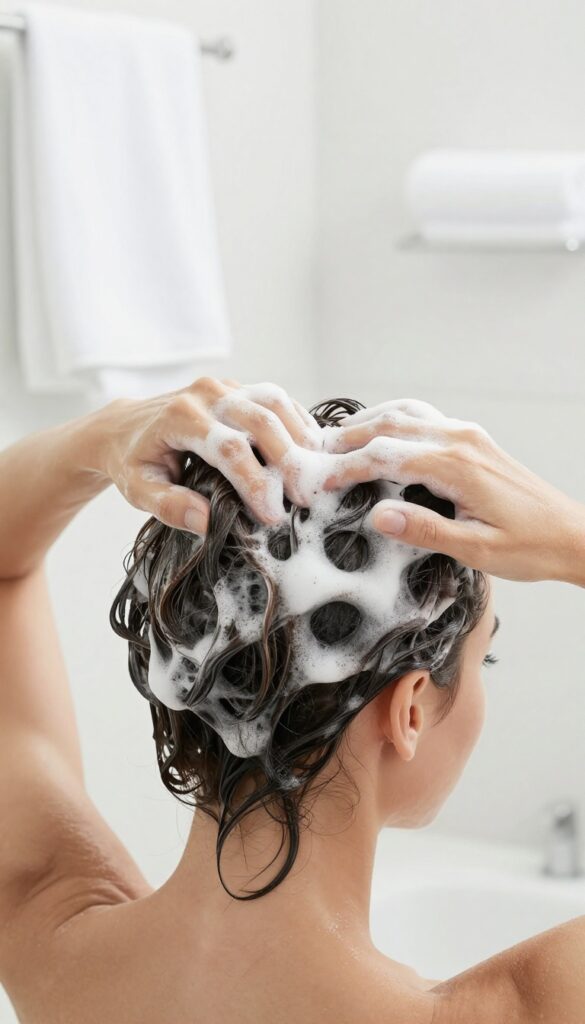
You might think one round of shampoo is enough, but a true reset calls for a double cleanse. The first wash breaks down surface buildup—think hair products, sweat, and daily grime. The second wash really gets into your scalp, lifting any lingering oil or flakes.
This two-step method leaves your hair feeling lighter, cleaner, and ready to absorb conditioner.
Why Two Washes Work Better
Think of it like washing a dirty pan: the first pass removes the big stuff, and the second gets it truly clean. Your scalp produces sebum that can trap dirt and product residue. A single wash often doesn't cut through it all, especially if you use dry shampoo or styling products.
Doubling up ensures your scalp is fully prepped for the steps to come.
Focus On The Roots
Concentrate shampoo on your scalp and roots—the lengths don't need as much direct scrubbing. Use your fingertips (not nails) to massage in circular motions. This stimulates circulation and helps dislodge dead skin cells.
The second lather should feel richer and foamier, a sign that your hair is truly clean.
5. Apply a Hair Mask
After shampooing, your hair is primed to soak up moisture. A hair mask is the deep-conditioning step that transforms dry, tired strands into something silky and manageable. It's like a drink of water for your hair, and it only takes a few minutes.
Squeeze out excess water from your hair—this helps the mask absorb better, not just slide off. Then apply a generous amount from mid-lengths to ends, avoiding the roots to prevent greasiness. Let it sit while you continue with the rest of your shower routine; the steam will help it penetrate deeper.
Choose The Right Mask
Not all masks are equal. Pick one that targets your hair's needs: hydration for dryness, protein for damage, or a balancing formula for oily scalps. Look for ingredients like shea butter, argan oil, or keratin.
Application Technique Matters
Use a wide-tooth comb to distribute the mask evenly after applying. This ensures every strand gets coated without tangling. Focus on the ends, which are oldest and most damaged.
Timing Is Flexible
Most masks work in 3–5 minutes, but leaving it on for 10–15 minutes won't hurt. Use this time to shave, scrub, or just relax under the warm water. Just don't let it dry on your hair—rinse while the shower is still steamy.
6. Use a Gentle Exfoliating Body Scrub
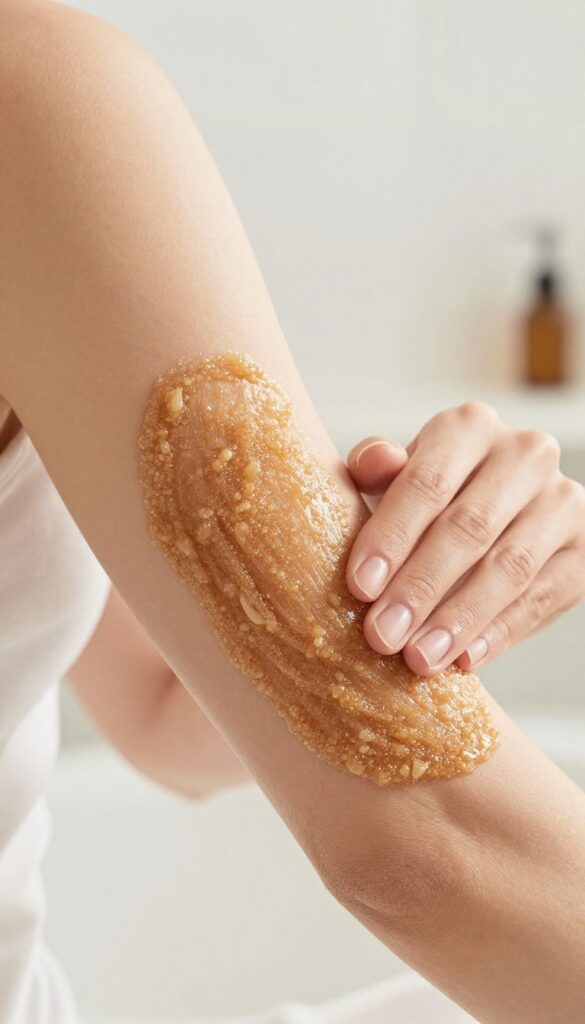
Exfoliating is the step that makes your skin feel brand new. After you've cleansed and prepped, grab a gentle body scrub and focus on the areas that tend to get rough—elbows, knees, and heels. The key is to use circular motions and not press too hard; you're sloughing off dead skin, not scrubbing raw.
This leaves your skin smooth and ready to absorb all the moisture from later steps.
A good body scrub does more than just smooth—it boosts circulation and helps your skin look brighter. Stick to a gentle formula with fine particles to avoid micro-tears. Spend extra time on dry patches, but keep it to once or twice a week so you don't overdo it.
Why Focus On Rough Spots
Your elbows, knees, and heels naturally have thicker skin and less oil. They need a little extra attention to stay soft. Scrubbing these areas in circles helps break down calluses and leaves them feeling noticeably smoother.
Circular Motions, Not Back-and-forth
Always exfoliate in gentle circles. This motion lifts dead cells without tugging or irritating your skin. Back-and-forth scrubbing can cause friction and redness, so stick to small, steady circles for the best results.
Rinse Thoroughly After
After scrubbing, rinse off all residue with warm water. Leftover scrub particles can clog pores or dry on your skin, so make sure you're completely clean before moving to the next step.
7. Shave with a Fresh Razor and Cream
Shaving in the shower is a game-changer when done right. The steam softens hair and opens pores, making for a smoother glide. But the real trick is using a fresh razor and a thick, moisturizing cream—not that foamy stuff from a can.
This step turns a chore into a mini ritual. Your legs (or wherever you shave) will feel silky, not irritated. Plus, it's a moment of mindfulness before you rinse off.
Why Fresh Matters
A dull razor tugs and pulls, leading to razor burn and ingrown hairs. A fresh blade glides effortlessly, cutting hair cleanly at the surface. Swap your razor head every 5–7 shaves, or sooner if it feels rough.
Cream Over Foam
Shave cream is thicker and more lubricating than foam. It creates a barrier between the blade and your skin, reducing friction. Look for one with soothing ingredients like aloe or shea butter.
Apply it generously and let it sit for a minute to soften hair.
Direction Matters
Shaving against the grain gives a closer shave but often causes irritation. For sensitive areas, shave in the direction of hair growth. Rinse the blade after every stroke to keep it clean.
Go slow—no need to rush this step.
8. Wash Your Face with a Double Cleanse
Your face goes through a lot—makeup, sunscreen, sweat, and daily grime. A single cleanser can't always handle it all. That's where the double cleanse comes in, a two-step method that leaves your skin truly clean without stripping it.
Start with an oil-based cleanser to dissolve makeup and sunscreen, then follow with a water-based cleanser to remove sweat and impurities. This ensures every trace is gone, leaving your skin fresh and ready for the rest of your routine.
Why Double Cleanse?
Oil attracts oil, so an oil-based cleanser breaks down stubborn products like waterproof mascara and SPF without harsh rubbing. The water-based cleanser then sweeps away any leftover residue, dirt, and bacteria. Together, they prevent clogged pores and breakouts.
How To Do It In The Shower
Apply the oil cleanser to dry skin before stepping into the water, massaging gently for 30 seconds. Then rinse and follow with your water-based cleanser, lathering and rinsing thoroughly. The steam helps open pores, making the second cleanse even more effective.
Choosing Your Cleansers
For the oil step, look for non-comedogenic options like jojoba or grapeseed oil. For the water step, a gentle foaming or gel cleanser works for most skin types. Avoid anything too harsh that could disrupt your skin barrier.
9. Apply a Face Mask
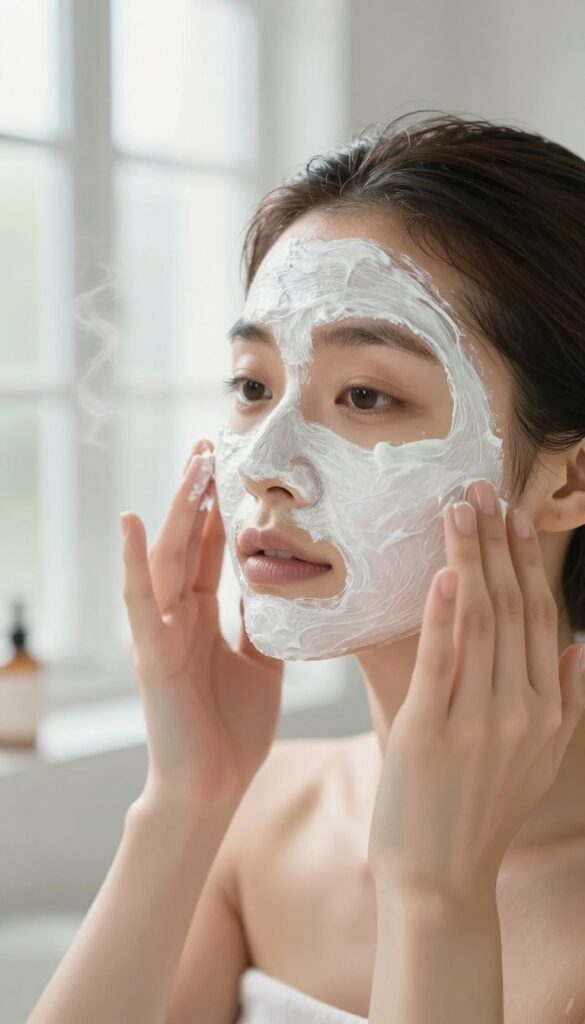
While your body soaks up the steam, your face deserves some targeted attention. A face mask turns this shower moment into a mini facial, targeting whatever your skin needs most. Whether you're battling clogged pores or just want a hydration boost, there's a mask for that.
Choose a clay mask if your pores feel congested or you tend to get oily. Clay draws out impurities and tightens pores, leaving skin matte and refreshed. For dry or tired skin, a hydrating sheet mask soaked in hyaluronic acid or ceramides plumps and soothes.
Apply the mask to clean, damp skin after your face wash step. Then relax for 10–15 minutes while it works its magic. Let the warm steam help ingredients sink in deeper.
Rinse off with lukewarm water before moving on.
Clay Vs. Hydrating: Pick Your Fighter
Clay masks are your go-to for deep cleansing. They absorb excess oil and unclog pores, perfect for combination or oily skin. Hydrating masks, on the other hand, are all about moisture.
Sheet masks or gel-based formulas deliver a surge of hydration without stripping. If you're unsure, keep both on hand and rotate based on how your skin feels.
How To Apply For Best Results
Start with a freshly washed face. Use clean fingers or a brush to spread an even layer, avoiding the eye area. For clay masks, don't let them dry completely—rinse when they feel tight but still slightly damp.
Sheet masks go on smoothly; press gently to release air bubbles. Set a timer so you don't overdo it.
Multitask While The Mask Sets
This is your cue to lean back and breathe. Close your eyes, listen to a short guided meditation, or simply enjoy the quiet. You could also apply a hair mask or body scrub while you wait—just keep the face mask undisturbed.
When time's up, rinse with lukewarm water and pat dry.
10. Rinse Everything Thoroughly
After all that scrubbing, shaving, and conditioning, the final rinse is your last chance to make sure nothing is left behind. Leftover product can weigh down hair, clog pores, or leave a filmy residue on skin. A thorough rinse sets the stage for that fresh, clean feeling you're after.
Start From The Top
Begin rinsing at your scalp and work your way down. This ensures conditioner and any hair treatments are fully washed out before they can run onto your body. Let the water run for at least 30 seconds, massaging your scalp with your fingertips to lift any lingering product.
Cool It Down
In the last 30 seconds of your rinse, turn the temperature down to cool or cold. This helps seal hair cuticles, locking in moisture and adding shine. On skin, cool water tightens pores and reduces redness, leaving you with a smoother, more even complexion.
Check For Residue
Run your hands over your arms, legs, and back to feel for any slippery spots. If you find any, give those areas an extra rinse. Pay special attention to behind your ears, under your arms, and between your toes—places where product can hide.
11. Finish with a Cold Rinse
You've scrubbed, shaved, and conditioned—now it's time for the grand finale. Turning the water to cool for the last 30 seconds might feel shocking, but your skin and hair will thank you. This quick blast seals in all the benefits from your routine and leaves you feeling wide awake.
A cold rinse isn't just a trend—it's a simple way to boost circulation, tighten pores, and add instant shine to your hair. The cool water helps reduce inflammation and can even improve your mood by triggering a rush of endorphins. Think of it as a mini cryotherapy session right in your shower.
Why Cold Works
Cold water constricts blood vessels, which reduces puffiness and gives your skin a firmer look. For hair, it flattens the cuticles, making strands smoother and more reflective. It also helps lock in moisture from your conditioner.
How To Do It Right
Start with lukewarm water, then gradually turn the dial to cool—not freezing. Aim for 30 seconds, focusing on your legs, arms, and face. If you can't handle full cold, try a quick 10-second blast and work your way up.
The Wake-up Effect
That jolt of cold isn't just for skin—it wakes up your entire nervous system. Many people find it helps them feel more alert and energized for the day ahead. It's the perfect way to end a resetting shower.
12. Pat Dry, Don’t Rub

The way you dry off after a shower matters more than you think. Vigorous rubbing with a towel can rough up your hair cuticles, leading to frizz and breakage, and it can irritate freshly exfoliated skin. A gentle pat-down preserves all the work you just put in.
Gently pat your skin and hair with a soft towel. Rubbing can cause frizz and irritation.
Why Rubbing Is A No-go
When you rub wet hair with a towel, you're essentially scrubbing the cuticles open, which invites frizz and damage. On skin, especially after exfoliation or shaving, rubbing can cause micro-tears and redness. A soft touch keeps everything calm.
How To Pat Dry Properly
Use a clean, soft microfiber or cotton towel. For hair, gently squeeze sections from roots to ends, then wrap in a towel turban. For skin, press the towel against your body and lift—no back-and-forth motion.
Let your skin air-dry for a minute before applying lotion.
The Best Towels For The Job
Microfiber towels are ideal for hair because they reduce friction and absorb water quickly. For skin, a thick, plush cotton towel works well. Avoid rough or old towels that feel scratchy—they defeat the purpose of patting.
13. Apply Leave-In Conditioner and Hair Oil
Your hair just went through a lot—double cleansing, a mask, and maybe even a cold rinse. Now it's time to lock in all that goodness. A leave-in conditioner adds moisture back while you detangle, and a lightweight oil seals the ends to prevent split ends and boost shine.
This two-step finish makes your hair look healthy and feel silky without weighing it down.
After your final rinse, gently squeeze excess water from your hair—don't rub. Apply a quarter-sized amount of leave-in conditioner from mid-lengths to ends, then comb through with a wide-tooth detangler. Follow with a few drops of hair oil (argan, jojoba, or a lightweight blend) focused on the ends.
This seals the cuticle and locks in moisture, reducing frizz and adding a glossy finish.
Why Leave-in Matters
A leave-in conditioner provides ongoing hydration and protection throughout the day. It also makes detangling easier, which means less breakage when you brush. Look for formulas with ingredients like aloe vera, glycerin, or shea butter for extra slip and moisture.
Choosing The Right Oil
Not all oils are created equal. For fine hair, go with argan or grapeseed oil—they're light and won't weigh you down. For thick or curly hair, try jojoba or coconut oil for deeper sealing.
Apply sparingly; a little goes a long way.
Application Tips
Always apply leave-in to damp (not soaking wet) hair. Section your hair if it's thick to ensure even distribution. For the oil, warm a drop or two between your palms and gently pat onto ends—avoid the roots unless your hair is very dry.
14. Layer Your Skincare While Skin Is Damp

Right after you step out of the shower, your skin is still holding onto moisture—and that's the perfect time to lock it in. Applying products on damp skin helps them absorb deeper and work more effectively. It's a small timing tweak that makes a big difference in how your skin feels and looks.
Damp skin is more permeable, meaning your serums and moisturizers can penetrate better. This is especially true for humectant ingredients like hyaluronic acid and glycerin, which draw water into the skin. By layering while damp, you're essentially giving your products a boost.
The Right Order Matters
Start with the thinnest consistency: toner or essence. Pat it onto slightly damp skin, then follow with a serum. Finish with a moisturizer to seal everything in.
This sandwich approach maximizes absorption and hydration.
Don't Wait Too Long
You have about 60 seconds after patting dry before your skin starts to lose that surface moisture. So have your products ready and apply them in quick succession. If your skin feels tight before you finish, spritz with a facial mist to re-dampen.
Adjust For Your Skin Type
Oily skin can still benefit from damp layering—just use a lightweight gel moisturizer. Dry skin might need a richer cream. The key is to apply while skin is still slightly tacky, not dripping wet.
15. Don’t Forget Body Lotion or Oil
After all that scrubbing and rinsing, your skin is clean and primed to absorb moisture. This is the moment to seal everything in with a rich lotion or a nourishing body oil. Don't rush through it—take a few extra seconds to work the product into your legs, arms, elbows, and any other dry patches.
Locking in moisture right after you towel-dry (while skin is still slightly damp) helps hydration last all day. A good body lotion or oil creates a protective barrier that keeps your skin soft, smooth, and comfortable. Pay extra attention to areas that tend to get dry, like knees, shins, and elbows.
Choose The Right Texture
Lotions are lighter and absorb quickly—great for everyday use. Body oils are richer and provide a dewy finish, perfect for very dry skin or a post-shower glow. Pick whichever feels best on your skin.
Apply While Damp
For maximum absorption, apply lotion or oil within three minutes of stepping out. Your skin is still holding moisture, and the product will lock it in rather than just sit on top. Work in sections: legs first, then arms, torso, and back.
Don’t Skip The Feet
Your feet work hard and often get neglected. Rub any leftover product into your heels and soles—it keeps them soft and prevents cracks. If you have time, put on cotton socks afterward for an extra-deep treatment.
16. Put on Cozy, Clean Loungewear
The final step in your shower reset isn't in the bathroom—it's what you put on after. Slipping into soft, breathable loungewear locks in that fresh, relaxed feeling and keeps your skin happy. This small ritual signals to your brain that the reset is complete, helping you transition into a calm, cozy state.
After all that scrubbing, masking, and moisturizing, your skin needs to breathe. Tight or rough fabrics can undo the soothing effects of your routine. Choose loungewear made from natural fibers like cotton, bamboo, or modal.
These materials allow your skin to stay cool and comfortable while your body temperature regulates post-shower. Plus, clean clothes prevent any lingering bacteria from transferring back onto your freshly washed skin.
Why Fabric Matters
Your skin is extra sensitive right after a shower—pores are open and moisture is still settling in. Rough synthetics can cause irritation, while soft, breathable fabrics help maintain hydration and prevent overheating. Think cotton joggers, a loose tee, or a cozy robe.
Avoid anything too tight or non-breathable.
The Mental Reset
Changing into clean, comfortable clothes is a psychological cue that self-care time is over. It helps you shift from 'pampering mode' to relaxation or sleep. Keep a designated set of post-shower loungewear ready—something that makes you feel good and signals your body to unwind.
17. Hydrate from the Inside Out

Your body just went through a warm, steamy session—sweat, heat, and all that scrubbing can leave you a little dehydrated. That's why the very last step of your shower reset isn't about what you put on your skin, but what you put in your body. A full glass of water (or herbal tea) helps replenish lost fluids and supports that post-shower glow from the inside.
Think of it as the final seal on your fresh start.
After all the steam and scrubbing, your body has lost moisture through sweat and evaporation. Drinking water right after your shower helps rehydrate your cells, supports circulation, and can even make your skin look plumper. Herbal tea works too—chamomile or peppermint add a calming ritual to your reset.
Why Water First?
Your skin barrier just got a deep clean, and hydration starts from within. Water helps flush out toxins released during your shower and keeps your complexion clear. Plus, it's a simple way to feel refreshed without adding any extra products.
Herbal Tea As An Alternative
If plain water feels boring, a warm cup of herbal tea can be just as hydrating. Caffeine-free options like rooibos or ginger tea also provide antioxidants that support skin health. Sip slowly while you moisturize for a mini spa moment.
Make It A Habit
Keep a glass or bottle in your bathroom or right outside the door. Seeing it will remind you to drink up before you get dressed. Over time, this small step becomes an automatic part of your reset routine.
FAQ
How often should I do an everything shower?
Once a week is ideal. Doing it too often can strip natural oils from your hair and skin.
Can I skip the dry brushing step?
Yes, but it enhances exfoliation and circulation. If you have sensitive skin, use a soft brush and gentle pressure.
What if I don't have a hair mask?
You can use coconut oil or a deep conditioner as a substitute. Apply it the same way and leave it on for 10 minutes.
Is a cold rinse necessary?
Not mandatory, but it offers benefits like improved circulation and shinier hair. If you can't tolerate cold, lukewarm is fine.
How long should an everything shower take?
Plan for 30 to 45 minutes. The key is to not rush—enjoy the process.
Conclusion
That full reset feeling doesn't come from just washing up—it comes from taking your time and being intentional with each step. Once you make this routine your own, your skin will feel smoother, your hair healthier, and your mind clearer. Start with just a few of these steps and build from there.
The goal isn't perfection; it's that refreshed, put-together energy that carries you through the rest of your day. Consistency turns the ordinary into something restorative.