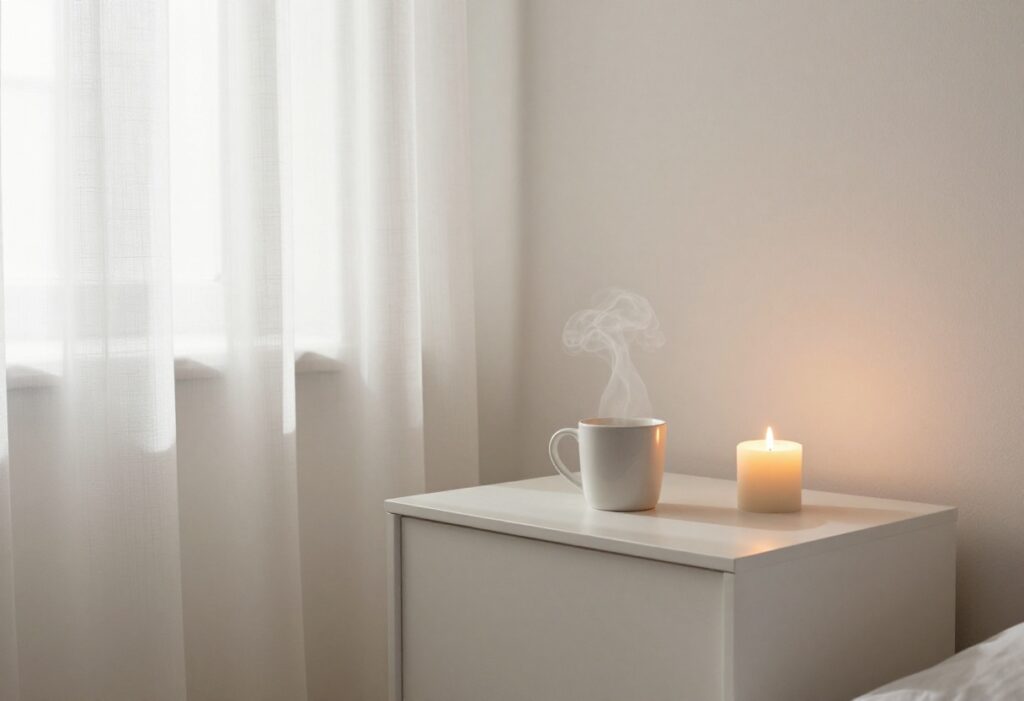
You don't need a full spa day to reset your mind. Small, intentional actions throughout the day can make a huge difference in how in control you feel. The trick is knowing which habits actually move the needle.
A daily self-care checklist isn't about adding more to your plate. It's about choosing a few simple practices that ground you, protect your energy, and remind you that you matter. These 25 ideas are designed to fit into real life, not a perfect Instagram feed.
Pick one or two to start. See how they change your mood and your sense of agency. You might be surprised how much power a five-minute habit can give you.
1. Start with a glass of water before coffee

Your body loses water while you sleep, so the first thing it needs is hydration, not caffeine. Drinking a full glass of water before your morning coffee rehydrates your cells, kickstarts your metabolism, and helps you feel more alert naturally. It's a tiny shift that sets a positive tone for the day.
Keep a glass or reusable bottle on your nightstand as a visual reminder. If plain water feels boring, add a squeeze of lemon or a pinch of salt for electrolytes. Make it a non-negotiable first step before you even walk to the kitchen.
Why It Works
After hours of sleep, your body is mildly dehydrated. Water first thing improves brain function, mood, and energy levels. It also helps your skin look better and supports digestion.
How To Make It Stick
Prep the night before. Fill your water vessel and place it where you'll see it immediately upon waking. Pair it with another habit, like stretching in bed, to build a routine.
Pro Tip For Coffee Lovers
Wait 30 minutes after your water before having coffee. This gives your hydration a head start and reduces the chance of jitters or an upset stomach.
2. Make your bed within five minutes of waking
This small win sets a productive tone for the day. It takes less than two minutes and gives you an immediate sense of accomplishment. Think of it as the first domino that makes everything else easier.
Why It Works
Psychologists call this the "broken window theory" applied to habits. A tidy bed signals order, which nudges your brain to keep the momentum going. Plus, coming back to a made bed at night is a mini reward.
How To Make It Stick
Keep your bedding simple so making it feels effortless. No hospital corners required. Just pull up the duvet, fluff the pillows, and smooth the wrinkles.
That's it.
What If You Share A Bed?
Agree on a quick system with your partner. You can each take a side or alternate days. The goal isn't perfection, it's the shared win of starting the day together.
3. Write down three things you're grateful for
Gratitude is like a reset button for your brain. When you deliberately list what's going right, you interrupt the spiral of stress and worry. It's not about pretending everything is perfect—it's about training your mind to notice the good that's already there.
This practice takes less than two minutes. Grab a notebook, a sticky note, or open your phone's notes app. Write down three specific things you're grateful for today.
They can be tiny: the taste of your morning coffee, a text from a friend, or the fact that your car started. The key is to be specific and avoid generic entries like "my family. " Instead, try "my sister made me laugh this morning.
"
Keep It Fresh
Avoid repeating the same items every day. Challenge yourself to notice new things. This keeps your brain actively scanning for positives, which builds a lasting gratitude habit.
Pair It With A Trigger
Attach your gratitude list to an existing habit—like brushing your teeth or waiting for your coffee to brew. This makes it easier to remember and stick with it long-term.
4. Do a two-minute breathing exercise

Your breath is one of the fastest ways to shift your state. A simple two-minute breathing exercise can quiet your mind and lower stress hormones. It's a tool you always have with you, no app or equipment needed.
The 4-4-4 Technique
Inhale through your nose for four counts. Hold for four. Exhale through your mouth for four.
This pattern activates your parasympathetic nervous system, telling your body it's safe. Repeat for two minutes.
Why Before Your Phone Matters
Checking your phone first thing floods your brain with cortisol and information overload. Doing this breathing exercise first sets a calm baseline. You'll respond to messages with a clearer head.
Make It A Trigger Habit
Link the exercise to an existing habit, like after you turn off your alarm or after you brush your teeth. This makes it automatic. Soon you won't even think about it.
5. Stretch for five minutes
Your body holds tension from sleep, stress, and poor posture. A quick five-minute stretch in the morning loosens tight muscles and wakes up your body. It also signals to your brain that it's time to shift into a more active, present mode.
Focus on areas that get stiff overnight: neck, shoulders, and back. Gentle movement improves blood flow and prevents aches later. You don't need to be flexible—just move slowly and breathe.
Neck And Shoulder Release
Slowly roll your shoulders forward and backward. Tilt your ear toward each shoulder, holding for a few breaths. This releases tension from sleeping in one position.
Spinal Twist
Sit on the edge of your bed or a chair. Twist your torso gently to one side, using your opposite hand on your knee for leverage. Hold for 20 seconds, then switch.
This helps your lower back and improves mobility.
Forward Fold
Stand and slowly bend forward, letting your arms hang. Keep your knees slightly bent. This stretches your hamstrings and lower back, and it calms your nervous system.
6. Eat a balanced breakfast with protein
Breakfast sets the tone for your whole day, both mentally and physically. When you skip protein or grab something sugary, your blood sugar spikes and crashes, leaving you irritable and hungry by mid-morning. A protein-rich breakfast keeps your energy steady and your mind clear.
Why Protein Matters
Protein slows down digestion, which means glucose enters your bloodstream gradually. That prevents the energy rollercoaster. It also boosts dopamine and norepinephrine, helping you feel focused and motivated.
Aim for at least 20 grams of protein at breakfast.
Easy Protein Combos
Scrambled eggs with spinach and a slice of whole-grain toast. Greek yogurt with berries and a handful of almonds. A smoothie with protein powder, banana, and peanut butter.
Leftover grilled chicken with avocado. Keep it simple and satisfying.
What To Skip
Sugary cereals, pastries, and white toast with jam. These cause a quick energy spike followed by a crash. Even “healthy” granola can be loaded with sugar.
Read labels or make your own. Your body will thank you.
7. Plan your top three priorities for the day
Mornings can feel overwhelming when you're staring at a long to-do list. Instead of trying to do everything, narrow your focus to just three key tasks. This simple shift reduces mental clutter and gives you a clear direction.
Each morning, take two minutes to write down three things that truly matter for the day. These should be tasks that move you closer to your goals or reduce stress. Once they're done, you can relax knowing the most important work is complete.
Why Three Works
Limiting yourself to three priorities prevents decision fatigue. Your brain can handle a small list without feeling overwhelmed. Plus, finishing three tasks gives you a sense of accomplishment that fuels momentum.
How To Choose Your Three
Ask yourself: What will make today feel successful? Pick one task that's urgent, one that's important but not urgent, and one that's for your well-being. This balance keeps you productive without burning out.
Make It A Ritual
Pair this habit with something you already do, like drinking coffee or brushing your teeth. Write your three priorities on a sticky note or in a notes app. Keep it visible so you stay on track throughout the day.
8. Take a five-minute walk outside

Stepping outside for just five minutes can shift your entire mood. The combination of fresh air, natural light, and movement works faster than any app or playlist. It's a mini reset that costs nothing and delivers immediate calm.
Don't overthink it. Slip on your shoes, leave your phone on the counter, and walk around the block or just stand in the sun. Let your mind wander or focus on the sounds around you.
This tiny break breaks the cycle of stress and gives your brain a fresh start.
Why It Works
Sunlight triggers vitamin D production, which supports mood and immune function. The change of scenery interrupts rumination, and the gentle movement loosens tension. Even a few minutes outdoors lowers cortisol and improves focus.
Make It A Habit
Tie this walk to an existing routine, like after lunch or when you finish a task. Keep comfortable shoes by the door. If weather is bad, stand on a balcony or open a window and take deep breaths.
Consistency matters more than distance.
9. Set a timer for focused work (Pomodoro)
Ever feel like you're busy all day but not getting anything done? The Pomodoro Technique is a simple time management method that helps you work in short, focused bursts. It's especially useful when you're feeling overwhelmed or distracted.
Work for 25 minutes, then break for five. This cycle trains your brain to focus deeply and then rest intentionally. Over time, it reduces mental fatigue and helps you maintain a steady pace without burning out.
How To Start
Pick one task. Set a timer for 25 minutes. Work only on that task until the timer rings.
Then take a five-minute break—stand up, stretch, or grab water. After four cycles, take a longer break of 15–30 minutes.
Why It Works
Short deadlines create urgency without panic. Knowing a break is coming keeps you from procrastinating. The built-in breaks prevent mental overload and help you sustain focus throughout the day.
Tools To Try
You don't need fancy apps. A simple kitchen timer or your phone's stopwatch works fine. If you prefer something digital, try Pomodone, Focus Booster, or the built-in timer on Forest app.
10. Drink a full glass of water mid-morning
By late morning, your energy often dips, and dehydration could be the hidden culprit. A full glass of water can rehydrate you, sharpen focus, and prevent that sluggish feeling. Keep a water bottle on your desk as a visual reminder to sip regularly.
Hydration is a simple but powerful self-care act. Mid-morning is a common slump time, so drinking water then can boost your alertness and mood. Add lemon, cucumber, or mint for flavor if plain water feels boring.
Why Mid-morning Matters
Your body loses water overnight and through morning activities. By 10 or 11 a. m. , mild dehydration can set in, causing fatigue and brain fog. A glass of water at this time recharges you without caffeine.
Make It A Habit
Pair it with an existing routine, like after checking emails or finishing a meeting. Keep a reusable bottle on your desk with a time marker. Even a small sip every 15 minutes adds up.
Flavor It Up
If plain water doesn't appeal, infuse it with sliced lemon, cucumber, or berries. Herbal tea or sparkling water also count. The goal is to make hydration enjoyable so you stick with it.
11. Practice a digital detox for 15 minutes

Your phone is a constant source of notifications, updates, and mental clutter. Even a short break from screens can lower stress and help you refocus. A 15-minute digital detox is a simple way to reclaim your attention and give your brain some breathing room.
Set a timer for 15 minutes and put your phone on silent, face down. Step away from all screens—no TV, laptop, or tablet. Use this time to do something that doesn't involve pixels.
Read a few pages of a book, doodle in a notebook, or just sit quietly and look out the window. Your brain processes information all day long; this small pause helps it reset. You'll likely feel calmer and more present afterward.
Why 15 Minutes Works
Fifteen minutes is short enough to fit into any schedule but long enough to break the cycle of constant checking. It's a manageable chunk of time that doesn't feel overwhelming. Studies show that even brief breaks from screens can reduce eye strain and improve focus.
What To Do Instead
Pick a low-stimulation activity that you enjoy. Stretch, breathe deeply, or write down a few thoughts. The goal isn't to be productive—it's to let your mind wander without digital input.
A simple walk around the room or some light stretching works wonders.
Make It A Habit
Try scheduling your digital detox at the same time each day, like after lunch or before bed. Consistency makes it easier to remember and stick with. Over time, those 15 minutes become a cherished part of your routine.
12. Eat lunch away from your desk
It's tempting to power through lunch while answering emails, but that habit robs you of a real break. Eating at your desk blurs the line between work and rest, leaving you feeling more drained by mid-afternoon. Even a short separation can reset your focus and improve digestion.
When you eat at your desk, your brain stays in work mode, and you barely notice what you're consuming. That leads to mindless overeating or skipping meals entirely. By physically moving to another spot, you signal your body that it's time to rest and refuel.
Why It Matters
Your brain needs a true pause to process information and recharge. Eating away from your desk reduces stress hormones and helps you return to tasks with clearer thinking. It also prevents the afternoon slump that hits when you never actually stopped working.
How To Make It Happen
Find a different room, a bench outside, or even a quiet corner. Set a timer for 10 to 15 minutes and focus only on your food. No phone, no laptop, no work talk.
Just chew, taste, and breathe.
Small Tweaks, Big Impact
If you can't leave your desk, at least turn your chair away from the screen. Close your email tab and put your phone face down. The key is to create a mental boundary, even if the physical one is small.
13. Do a quick posture check
Your body language doesn't just affect how others see you—it shapes how you feel inside. Slouching can trigger stress and fatigue, while an aligned spine signals confidence and calm. A quick posture check takes seconds but pays off all day.
Roll your shoulders back and align your spine. Good posture reduces headaches and boosts confidence. Set a reminder if needed.
Why Posture Matters For Self-care
Poor posture can cause chronic pain, shallow breathing, and even low mood. Correcting it releases tension in your neck and shoulders, improves circulation, and helps you feel more grounded. It's a simple physical reset that supports mental clarity.
How To Do A Quick Check
Sit or stand tall, pull your shoulders down and back, and tuck your chin slightly. Imagine a string pulling the top of your head upward. Hold for a few deep breaths.
Repeat whenever you remember—especially after long periods of sitting.
Make It A Habit
Use a sticky note on your monitor or a gentle phone alert. Pair it with another routine, like after checking your phone or before a meal. Over time, it becomes automatic and your body will thank you.
14. Listen to one song you love without multitasking
When was the last time you truly listened to a song, not just heard it in the background? Most of us treat music as noise filler while we work, drive, or scroll. But a single track, played with full attention, can become a tiny anchor of calm in a chaotic day.
This isn't about adding another task. It's about swapping three minutes of autopilot for three minutes of intentional presence. The result?
Lower stress, a mood boost, and a small win against the urge to multitask.
Pick The Right Track
Choose a song that genuinely lifts you or soothes you. It could be an old favorite or a new discovery. Avoid anything that triggers negative memories or anxiety.
The goal is joy or peace, not emotional excavation.
Set The Scene
Find a quiet spot, put on headphones if possible, and close your eyes. Take a few deep breaths before you press play. Let the music fill your awareness—notice the instruments, the vocals, the rhythm.
If your mind wanders, gently bring it back to the sound.
Feel The Afterglow
When the song ends, take one more deep breath. Notice how your body feels. You might feel lighter, calmer, or more energized.
That's the power of focused listening. Carry that feeling into your next activity.
15. Tidy your workspace for two minutes

Your environment shapes your mental state more than you realize. A cluttered desk can trigger low-level stress and make it harder to focus. The fix is surprisingly simple: just two minutes of tidying.
Set a timer for two minutes and tackle the most visible mess. Put away stray pens, file loose papers, wipe down your keyboard. You're not deep cleaning—you're resetting your visual field.
When your workspace looks calm, your brain follows suit.
Why Two Minutes Works
Two minutes is short enough to avoid resistance but long enough to make a noticeable difference. It lowers the barrier to starting, and once you begin, you often keep going. Even if you stop at two minutes, the improvement is real.
What To Focus On
Target high-visibility zones: your immediate desk surface, the area around your monitor, and any pile of papers or cords. Clear horizontal surfaces first—they have the biggest impact on your sense of order.
Make It A Trigger Habit
Link your tidy-up to an existing routine, like after finishing a call or before starting a new task. Soon it becomes automatic, and you'll enjoy the mental reset without even thinking about it.
16. Connect with a friend or family member
Social connection is a core human need, yet it's often the first thing we sacrifice when life gets busy. A quick check-in with someone you care about can shift your entire mood. It doesn't have to be a long conversation—just a few genuine words can remind you that you're not alone.
Loneliness can creep in even when you're surrounded by people. A brief, intentional connection releases oxytocin, the bonding hormone, which helps reduce stress and increase feelings of safety. Keep it light and genuine; you're not looking to solve problems, just to share a moment.
Keep It Short And Sweet
A text that says, "Thinking of you, hope you're having a good day" can mean a lot. You don't need a full phone call if you're short on time. Even a voice note or a funny meme can create a sense of closeness.
Make It A Ritual
Pick one person you check in with daily or weekly. It could be a sibling, a parent, or a close friend. Having a regular touchpoint builds a reliable support system and gives you both something to look forward to.
Be Present During The Interaction
When you do connect, give that person your full attention for a few minutes. Put your phone down, make eye contact if you're in person, or just listen without multitasking. Quality matters more than quantity.
17. Do a body scan for tension
Your body holds onto stress even when your mind thinks everything is fine. A body scan is a simple way to check in with yourself and release that hidden tension. It takes just a few minutes and can be done anywhere.
Close your eyes and mentally scan from head to toe. Notice where you're holding stress. Breathe into those areas to release it.
Start At The Top
Begin with your scalp and forehead. Are you furrowing your brows or clenching your jaw? Soften those muscles.
Let your face relax completely.
Work Down Slowly
Move through your neck, shoulders, arms, chest, back, abdomen, hips, legs, and feet. At each stop, notice any tightness or discomfort. Imagine your breath flowing directly into that spot, loosening it up.
End With A Deep Breath
Once you've scanned your entire body, take a final deep breath in and out. Notice how different you feel. Even a 60-second scan can reset your nervous system.
18. Have a healthy afternoon snack

The mid-afternoon slump is real, and it often hits when your energy and focus are already fading. Instead of reaching for something sugary that will spike your blood sugar and crash, try a snack that actually fuels you. A well-chosen snack can be a simple act of self-care that keeps you steady through the rest of the day.
Why Fiber And Protein Matter
Fiber slows down digestion, keeping you full longer, while protein provides steady energy. Together, they prevent the blood sugar rollercoaster that leads to irritability and fatigue. Think apple slices with almond butter, a handful of nuts with a piece of fruit, or Greek yogurt with berries.
Keep It Simple And Accessible
The best snack is one you actually have on hand. Pre-portion nuts or cut veggies in the morning so you're not tempted by the vending machine. Even a hard-boiled egg and a banana can do the trick.
No need for elaborate prep—just smart choices.
Listen To Your Body's Cues
Pay attention to when you usually feel that energy dip. For many, it's between 2 and 4 PM. Have your snack ready around that time, before you're starving.
This proactive approach keeps your mood stable and prevents overeating later.
19. Step away from work for a real break
You know that feeling when you've been staring at the same screen for hours, and your productivity has flatlined? That's your brain begging for a real pause. A genuine break isn't just scrolling social media or checking emails—it's a deliberate shift away from work mode.
Taking a short, intentional break can reset your focus and prevent burnout. Here's how to make those 10 minutes count.
Stretch It Out
Stand up and reach for the sky. Roll your shoulders, tilt your neck side to side, and maybe touch your toes. Your body holds tension from sitting, and a quick stretch releases it, improving circulation and mental clarity.
Step Outside
Even a two-minute walk around the block or standing on your porch can do wonders. Fresh air and natural light reset your circadian rhythm and give your eyes a break from screens. Bonus points if you leave your phone behind.
Chat With A Human
Call a friend or coworker for a quick, non-work conversation. Laughing or sharing a story lowers cortisol and reminds you there's life beyond your to-do list. Keep it brief and positive.
20. Write down one thing you accomplished today
It's easy to focus on what you didn't get done. But acknowledging what you did complete, even something tiny, shifts your mindset. This simple act builds momentum and reminds you that you're making progress.
Each evening, grab a notebook or open a notes app. Write down one thing you accomplished today. It could be finishing a work task, having a tough conversation, or just taking a shower when you felt low.
Over time, this list becomes proof of your resilience.
Why It Works
Your brain naturally dwells on unfinished tasks. By actively noting a win, you rewire your attention toward progress. This boosts dopamine and reinforces a sense of capability.
How To Make It Stick
Keep it simple. Don't overthink what counts as an accomplishment. If you brushed your teeth when you were exhausted, that counts.
Pair it with another habit, like after your nightly skincare routine, to remember.
What To Do With The List
Review it on tough days. Seeing a string of small wins reminds you that you are moving forward, even when it doesn't feel like it. You can also use it as material for gratitude journaling.
21. Prepare your outfit for tomorrow
There's something quietly powerful about setting out your clothes the night before. It's a small act of kindness to your future self, saving you from the morning scramble of staring blankly into your closet. This simple habit can shave off precious minutes and mental energy, leaving you feeling more composed and ready to face the day.
Choosing your outfit in advance eliminates one of the first decisions you'd otherwise have to make in the morning. Decision fatigue is real, and by removing this small choice, you preserve your mental bandwidth for more important things. Plus, getting dressed becomes a seamless, almost automatic part of your routine.
Beyond practicality, there's a comforting ritual to it. Laying out your clothes can be a quiet moment of self-care, a way to signal to your brain that you're prepared and in control. It also ensures you actually wear the pieces you love, rather than defaulting to the same comfortable but uninspired combo.
How To Make It Stick
Start small: pick just the top and bottom for the next day. Once that feels easy, add accessories, shoes, or even jewelry. Keep a designated spot in your closet or a hook on your door so the habit has a natural home.
The Unexpected Bonus
When you prepare your outfit, you're also giving yourself a few extra minutes in the morning. Use that time for something you enjoy, like sipping your coffee slowly, stretching, or reading a few pages of a book. It's a ripple effect of calm.
What About Weather Changes?
Check the forecast before you choose. If the weather is unpredictable, lay out a backup option or a versatile layer. That way, you're covered no matter what, and you won't have to rush back to your closet.
22. Do a gentle evening yoga flow

After a long day, your body deserves a moment to let go. A gentle yoga flow signals to your nervous system that it's safe to relax. You don't need to be flexible or experienced—just a few minutes on the mat can shift your entire evening.
Why Hips And Hamstrings?
These areas hold a lot of tension from sitting and stress. Stretching them releases physical tightness and helps calm your mind. Even a simple forward fold or pigeon pose can make a difference.
Keep It Short And Simple
Five to ten minutes is enough. Follow a free video on YouTube or just move intuitively with your breath. The goal is unwinding, not perfecting poses.
Make It A Ritual
Light a candle, put on soft music, or use the same mat each time. Consistency builds a cue that tells your brain: time to rest.
23. Write down any lingering thoughts
Ever lie in bed with your mind racing about tomorrow's to-do list or that awkward conversation you had? That mental clutter can keep you awake and stressed. A quick brain dump before sleep can clear your head and help you relax.
Grab a notebook and pen, then spend five minutes writing down anything on your mind—worries, reminders, ideas, or random thoughts. Don't filter or organize; just let it flow onto the paper. This simple act transfers the burden from your brain to a page, making it easier to let go and sleep peacefully.
Keep the notebook by your bed so it becomes a natural part of your wind-down routine.
Why It Works
Writing down thoughts reduces cognitive load and stops the brain from trying to remember everything. It's like closing open tabs in your mind, which lowers anxiety and promotes relaxation.
How To Make It A Habit
Place a small notebook and pen on your nightstand. Set a reminder on your phone for 10 minutes before bed. Start with just a few sentences—no pressure to write a lot.
Consistency matters more than length.
What To Write
Anything that's on your mind: tasks for tomorrow, worries, creative ideas, or even things you're grateful for. The key is to get it out of your head and onto paper without judgment.
24. Dim the lights an hour before bed
Your body craves darkness to wind down. Bright lights, especially blue light from screens, trick your brain into thinking it's still daytime. That makes it harder to fall asleep and stay asleep.
Dimming the lights about an hour before bed sends a clear signal to your body: it's time to produce melatonin, the sleep hormone. This simple shift can improve your sleep quality and help you feel more rested.
Start by switching off overhead lights and using lamps or dimmer switches instead. If you don't have dimmers, try using lower-wattage bulbs in the evening. Keep screens off during this hour—no phone, tablet, or TV.
If you need something to do, read a physical book, listen to calm music, or do some gentle stretching. Your bedroom should be the darkest room in the house. Blackout curtains can help if streetlights or early morning sun bother you.
Even small changes, like covering LED lights on electronics, can make a difference.
Why It Works
Melatonin is your body's natural sleep hormone. Light exposure at night suppresses its production, making it harder to fall asleep. Dim lighting allows melatonin to rise, helping you drift off more easily and stay asleep longer.
How To Dim Without Losing Function
Use lamps with warm-toned bulbs (2700K or lower). Install dimmer switches on key lights, or use smart bulbs that you can control with your phone. If you must use a screen, enable night mode and reduce brightness to the lowest comfortable level.
What To Do During The Dim Hour
This is a great time for wind-down activities: gentle yoga, journaling, listening to a podcast, or sipping herbal tea. Avoid anything stimulating or stressful. Keep the atmosphere calm and quiet.
25. Read a few pages of a fiction book

Fiction isn't just entertainment. It's a proven way to lower stress and build empathy. When you dive into a story, your brain gets a break from your own worries.
Even five pages can shift your mood and help you unwind.
Pick something light and enjoyable. A thriller, a romance, or a fantasy novel. The goal isn't to finish the book—it's to escape for a few minutes.
Keep a book on your nightstand or in your bag so it's easy to grab.
Why Fiction Works
Reading fiction activates parts of your brain that handle empathy and perspective-taking. It also lowers cortisol levels, making it a great tool for stress relief. Unlike scrolling social media, fiction gives your mind a focused, calming activity.
How To Make It A Habit
Set a timer for five minutes. Read just one chapter or a few pages. You don't need to read every day—aim for a few times a week.
Keep a list of books you're excited about so you always have something to pick up.
FAQ
How many self-care checklist items should I do each day?
Start with one or two that feel easiest. The goal is consistency, not quantity. Gradually add more as they become habits.
Can I customize this checklist for my own needs?
Absolutely. Swap out any idea that doesn't resonate. The best self-care is what works for you, not a rigid list.
What if I miss a day?
No big deal. Self-care isn't about perfection. Just pick it back up the next day.
One missed day doesn't erase your progress.
How long does it take to see results from daily self-care?
Many people notice a shift in mood and energy within a week. Deeper changes, like reduced anxiety, may take a few weeks of consistent practice.
Should I do all 25 items every day?
That would be overwhelming. Instead, pick 3-5 that fit your schedule. Rotate different ideas throughout the week to keep it fresh.
Conclusion
You don't have to overhaul your entire routine overnight. Even one small self-care act can shift your whole day. The key is to start where you are and build from there.
Pick one idea from this list and try it tomorrow.
Notice how it makes you feel. Then, when you're ready, add another. Before you know it, you'll have a personalized toolkit that keeps you grounded, focused, and in control.