
Last updated on March 22nd, 2026 at 02:10 pm
Consistency beats complexity when it comes to meals people actually cook again and again. The dishes that survive busy weeks are the ones that balance comfort, flavor, and practicality without turning dinner into a project. Italian pasta recipes quietly master this formula better than almost anything else.
Simple ingredients do heavy lifting, techniques stay approachable, and the results feel far more impressive than the effort involved.
Over time, these recipes become muscle memory, the kind you cook without checking measurements because you already know they work.
1. Spaghetti Aglio e Olio
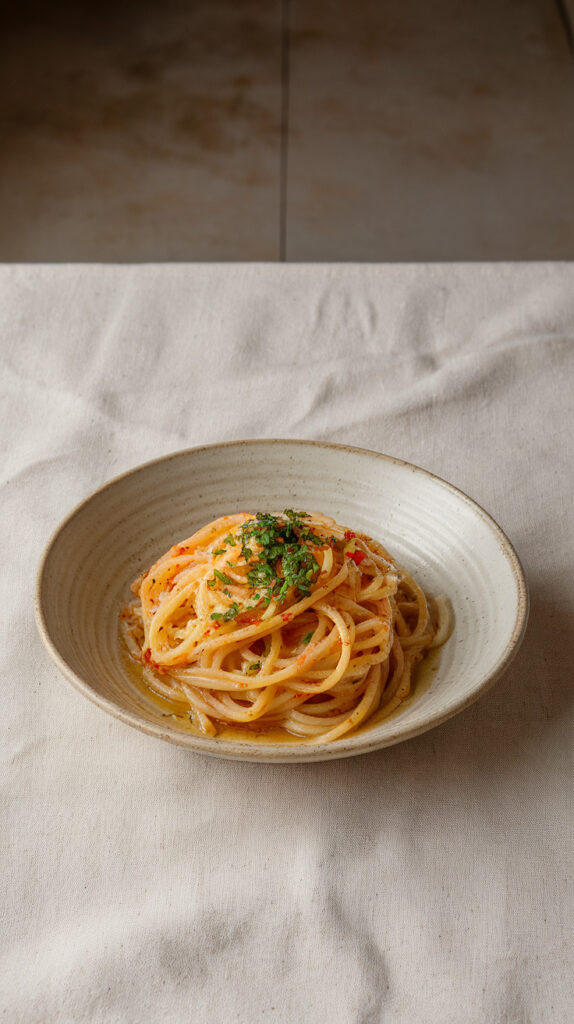
The magic comes from gently infusing oil with garlic instead of rushing it. When done right, the sauce coats every strand without feeling greasy, delivering bold flavor that somehow stays light.
Ingredients
- 400g spaghetti
- 6 cloves garlic, thinly sliced
- 1/3 cup extra virgin olive oil
- 1 tsp red pepper flakes
- Salt, to taste
- Fresh parsley, chopped
- Grated Parmesan cheese (optional)
Step-by-Step Instructions
- Bring a large pot of salted water to a boil and cook spaghetti until just al dente because the pasta will finish cooking in the sauce.
- Heat olive oil over medium-low heat and add garlic slices slowly so they soften and turn lightly golden without burning.
- Add red pepper flakes and stir briefly to release flavor into the oil.
- Reserve one cup of pasta water, then transfer cooked spaghetti directly into the pan.
- Toss continuously while adding small splashes of pasta water to create a silky coating instead of dry noodles.
- Finish with parsley and optional Parmesan, tossing again so everything blends evenly.
Why You’ll Love It
It tastes bold despite using pantry staples. The recipe comes together faster than takeout but feels intentionally cooked.
Tips
Use low heat for garlic to avoid bitterness, and serve with a crisp green salad or roasted vegetables for balance.
2. Fettuccine Alfredo (Traditional Style)
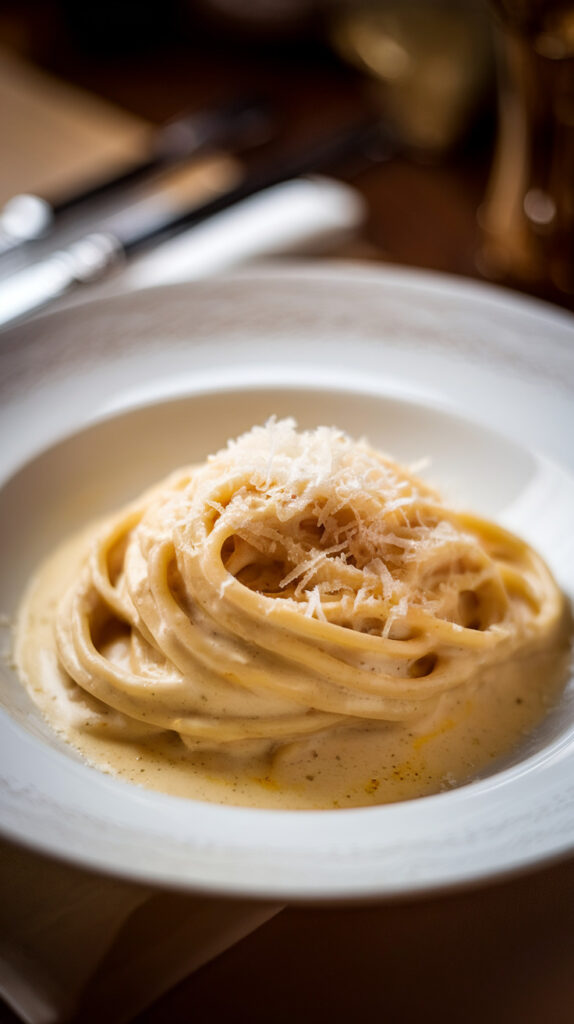
Real Alfredo sauce surprises people because it doesn’t involve cream at all. The original Roman version relies on butter, cheese, and pasta water to form a naturally creamy texture. The first time I tried it this way, I realized most restaurant versions overcomplicate something beautifully simple.
The sauce forms through emulsification, which sounds fancy but just means stirring patiently. When done correctly, it clings smoothly without feeling heavy.
Ingredients
- 400g fettuccine
- 4 tbsp unsalted butter
- 1 cup finely grated Parmesan cheese
- Salt and black pepper
- Pasta cooking water
Step-by-Step Instructions
- Cook fettuccine in well-salted water until al dente so the pasta retains structure.
- Melt butter gently in a wide pan over low heat without browning it.
- Transfer hot pasta directly into the butter and toss thoroughly.
- Add Parmesan gradually while stirring constantly to prevent clumping.
- Pour small amounts of pasta water while tossing until a creamy sauce forms naturally.
- Season with black pepper and serve immediately before the sauce tightens.
Why You’ll Love It
The texture feels luxurious without heaviness. It proves that technique matters more than extra ingredients.
Tips
Use freshly grated cheese only for smooth melting, and pair with grilled chicken or sautéed mushrooms if you want extra substance.
3. Penne Arrabbiata
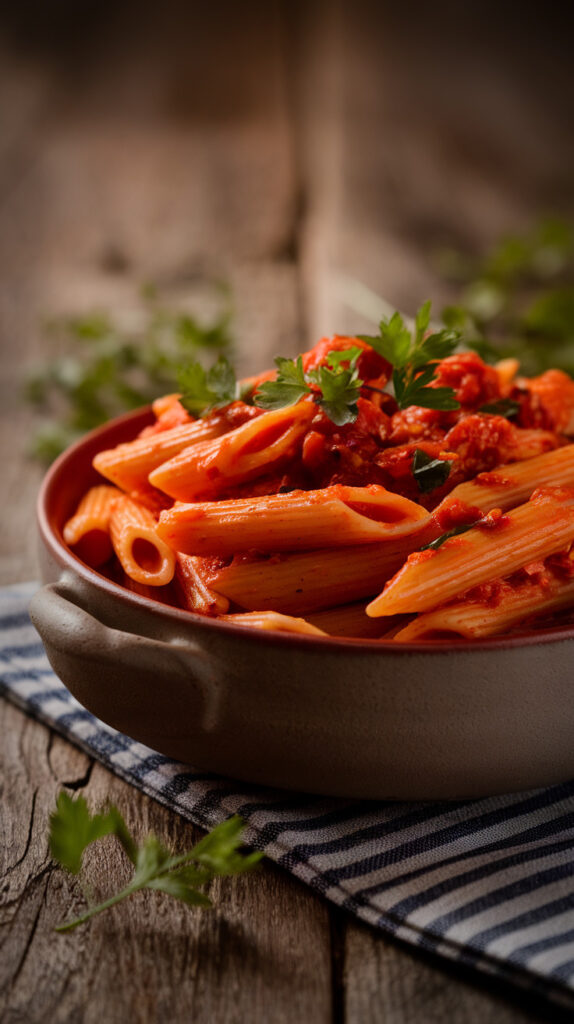
Sometimes dinner needs attitude, not subtlety. Penne arrabbiata delivers heat, acidity, and deep tomato flavor that wakes up your appetite instantly. I make this when regular tomato sauce feels boring and I want something sharper without extra effort.
The chili heat balances sweetness from tomatoes, creating a sauce that tastes bold but still comforting. It also reheats incredibly well, which makes leftovers surprisingly exciting.
Ingredients
- 400g penne pasta
- 3 tbsp olive oil
- 4 cloves garlic, minced
- 1 tsp red chili flakes
- 1 can crushed tomatoes
- Salt and pepper
- Fresh parsley
- Grated Pecorino Romano or Parmesan
Step-by-Step Instructions
- Cook penne in salted boiling water until al dente and reserve pasta water.
- Heat olive oil and sauté garlic briefly until fragrant but not browned.
- Add chili flakes and stir for a few seconds to release spice into the oil.
- Pour in crushed tomatoes and simmer for 10–12 minutes until slightly thickened.
- Add cooked pasta with a splash of pasta water and toss until coated evenly.
- Finish with parsley and cheese before serving.
Why You’ll Love It
It brings restaurant-level flavor using minimal ingredients. The spice level stays adjustable depending on preference.
Tips
Add a pinch of sugar only if tomatoes taste acidic, and serve with garlic bread or roasted zucchini.
4. Classic Spaghetti Carbonara
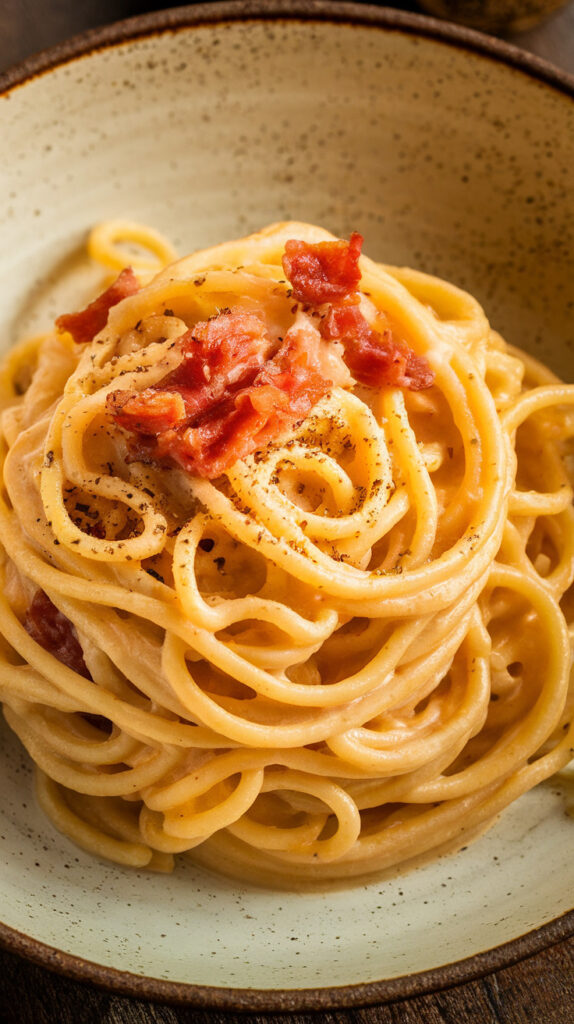
Carbonara often gets misunderstood because cream sneaks into versions that don’t need it. Authentic carbonara relies on eggs, cheese, and pasta heat to create a glossy sauce. The first successful attempt feels like unlocking a cooking achievement.
Timing matters more than skill here. The goal is creamy coating without scrambling the eggs, which becomes easy once you understand temperature control.
Ingredients
- 400g spaghetti
- 150g pancetta or guanciale, diced
- 2 whole eggs
- 2 egg yolks
- 1 cup grated Pecorino Romano
- Black pepper
- Salt
Step-by-Step Instructions
- Cook spaghetti in salted water and reserve plenty of pasta water.
- Cook pancetta in a pan until crispy and rendered, then remove from heat.
- Whisk eggs, yolks, cheese, and black pepper in a bowl until smooth.
- Add hot pasta to the pancetta pan and toss quickly.
- Remove pan from heat before adding egg mixture to prevent scrambling.
- Stir vigorously while adding pasta water gradually to form a creamy sauce.
Why You’ll Love It
The sauce feels rich without heaviness. Every bite delivers savory depth with minimal ingredients.
Tips
Work off the heat when adding eggs, and serve with a simple arugula salad to cut richness.
5. Lasagna alla Bolognese
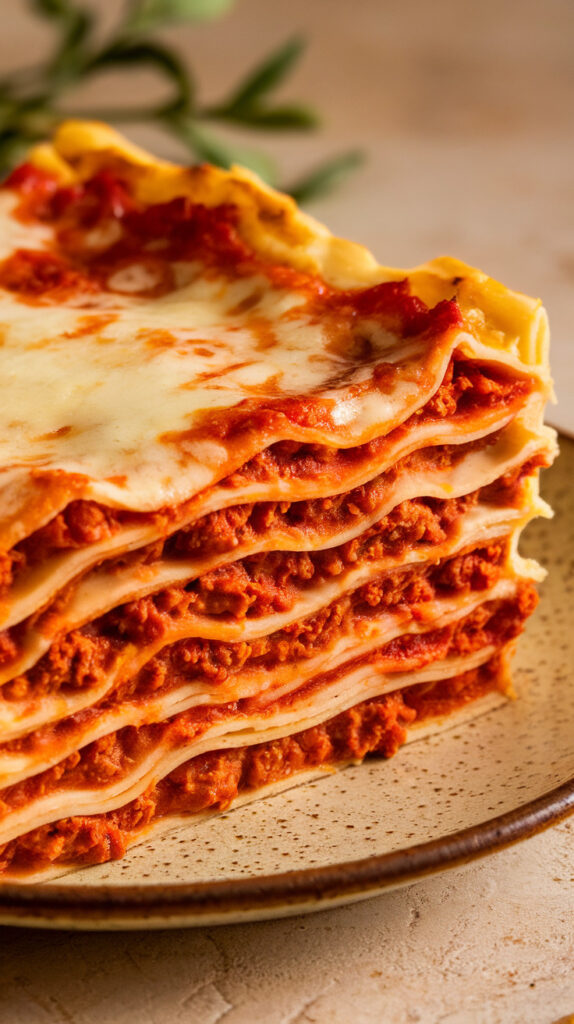
Lasagna succeeds because layers build flavor slowly rather than all at once. This traditional version uses meat sauce, béchamel, and pasta sheets to create balance instead of overload. I usually make it on weekends because leftovers solve weekday dinners effortlessly.
The secret lies in patience while simmering the sauce. A slow cook develops sweetness and depth that shortcuts simply cannot match.
Ingredients
- 12 sheets lasagna pasta
- 500g ground beef
- 1 small onion, diced
- 1 carrot, finely chopped
- 2 cloves garlic
- 2 cups tomato sauce
- 2 tbsp butter
- 2 tbsp flour
- 2 cups milk
- Parmesan cheese
- Olive oil, salt, pepper
Step-by-Step Instructions
- Sauté onion, carrot, and garlic in olive oil until softened.
- Add ground beef and cook until browned while breaking it apart evenly.
- Stir in tomato sauce and simmer gently for at least 30 minutes.
- Make béchamel by melting butter, whisking flour, then slowly adding milk until smooth.
- Layer pasta sheets, meat sauce, béchamel, and Parmesan repeatedly in a baking dish.
- Bake at 180°C (350°F) for 35–40 minutes until bubbling and golden.
Why You’ll Love It
Each layer contributes texture and flavor without overwhelming the palate. It reheats beautifully, making it practical despite effort.
Tips
Let it rest 15 minutes before slicing, and serve with a light tomato salad for freshness.
6. Pesto Genovese Pasta
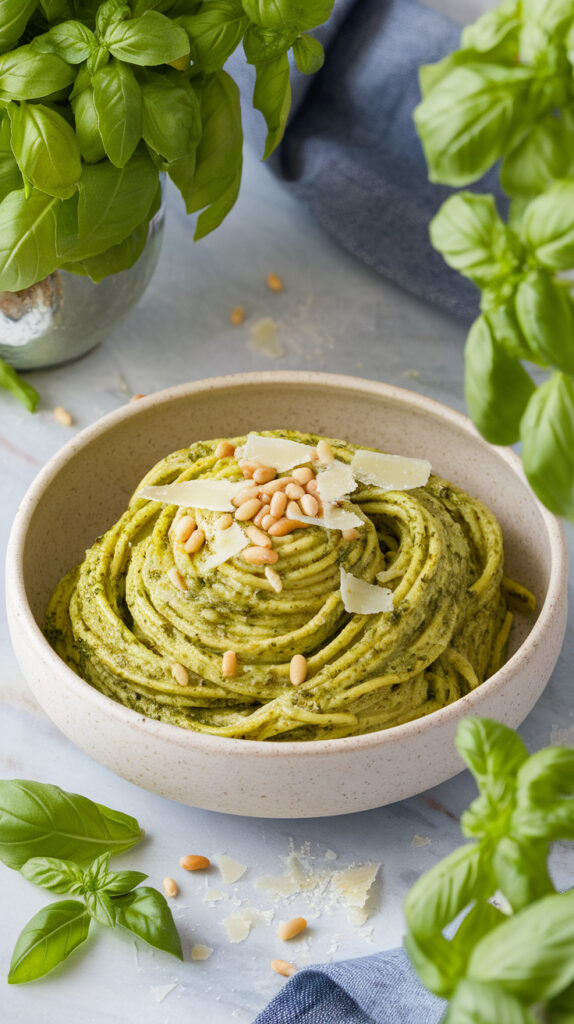
Fresh basil pesto changes how people think about pasta sauces. Instead of heaviness, it brings brightness and herbaceous flavor that feels instantly refreshing. I like making extra because it upgrades sandwiches and roasted vegetables later.
The key is avoiding heat while blending so basil keeps its vibrant color. Good olive oil and nuts turn simple herbs into something surprisingly luxurious.
Ingredients
- 400g trofie or spaghetti
- 2 cups fresh basil leaves
- 1/3 cup pine nuts
- 2 cloves garlic
- 1/2 cup Parmesan cheese
- 1/2 cup olive oil
- Salt
Step-by-Step Instructions
- Blend basil, pine nuts, garlic, and cheese until roughly combined.
- Slowly drizzle olive oil while blending to create a smooth paste.
- Cook pasta until al dente and reserve pasta water.
- Toss pasta with pesto off heat to preserve freshness.
- Add pasta water gradually to loosen sauce.
- Taste and adjust salt before serving immediately.
Why You’ll Love It
It tastes fresh and vibrant compared to cooked sauces. The flavor feels bright yet comforting.
Tips
Add a squeeze of lemon juice for brightness, and pair with grilled shrimp or cherry tomatoes.
7. Pasta alla Norma
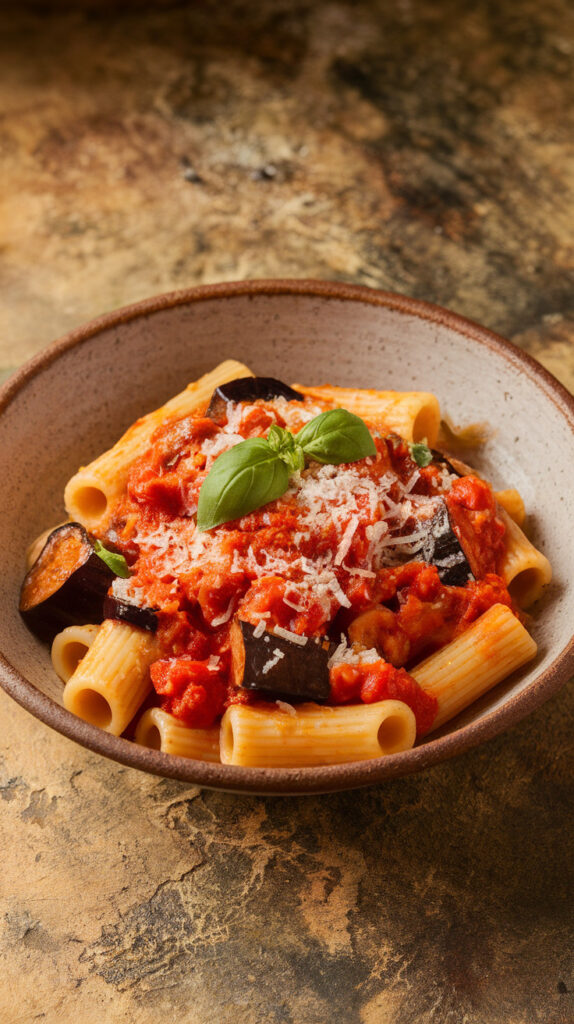
Eggplant transforms completely when cooked properly. Pasta alla Norma combines fried eggplant, tomato sauce, and salty cheese into a dish that tastes richer than expected without meat. I ignored eggplant for years until this recipe completely changed my opinion.
The contrast between creamy eggplant and acidic tomatoes makes every bite balanced. It feels hearty while still vegetarian-friendly.
Ingredients
- 400g rigatoni
- 1 large eggplant, cubed
- Olive oil
- 2 cups tomato sauce
- 2 cloves garlic
- Fresh basil
- Grated ricotta salata or Parmesan
- Salt and pepper
Step-by-Step Instructions
- Salt eggplant cubes lightly and let them sit to remove bitterness.
- Fry or roast eggplant until golden and tender.
- Cook garlic briefly in olive oil before adding tomato sauce.
- Simmer sauce for 10 minutes to deepen flavor.
- Toss cooked pasta with sauce and eggplant gently.
- Finish with basil and grated cheese before serving.
Why You’ll Love It
It delivers satisfying texture without needing meat. The flavors feel bold yet balanced.
Tips
Roast eggplant for less oil absorption, and serve with crusty bread to soak up sauce.
8. Linguine alle Vongole
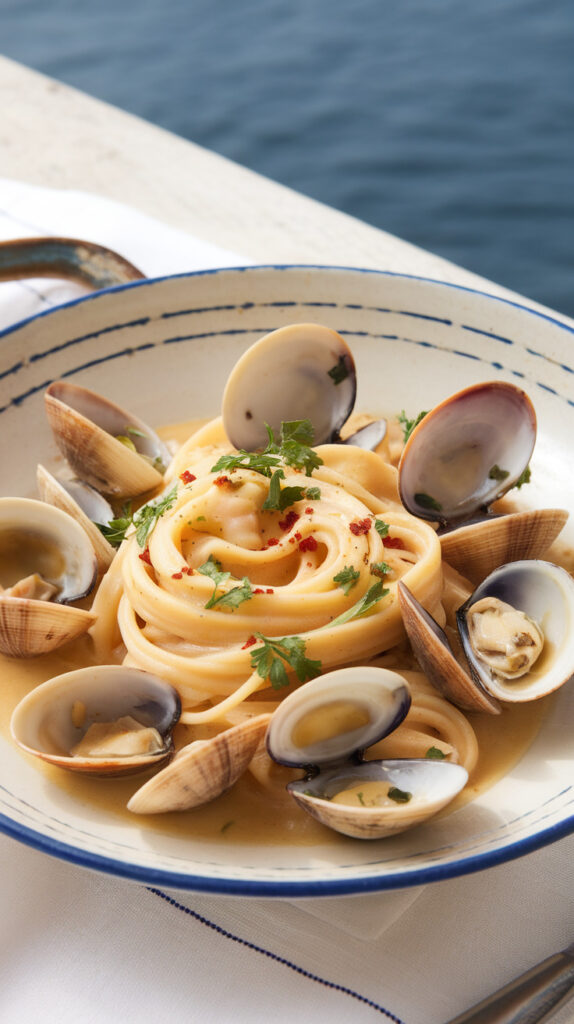
Seafood pasta often intimidates people unnecessarily. Linguine alle vongole stays surprisingly simple while delivering restaurant-quality flavor. The briny clam juices naturally create sauce without heavy additions.
Freshness matters more than complexity here. The combination of garlic, white wine, and seafood creates elegance with minimal effort.
Ingredients
- 400g linguine
- 500g fresh clams
- 3 tbsp olive oil
- 3 cloves garlic
- 1/2 cup white wine
- Red pepper flakes
- Fresh parsley
- Salt
Step-by-Step Instructions
- Soak clams in salted water to remove sand.
- Cook linguine until just al dente and reserve pasta water.
- Sauté garlic gently in olive oil.
- Add clams and white wine, then cover until clams open.
- Transfer pasta into the pan and toss with clam juices.
- Finish with parsley and chili flakes before serving.
Why You’ll Love It
The sauce forms naturally without cream or butter. It tastes elegant yet feels surprisingly light.
Tips
Discard any unopened clams, and serve with a chilled white wine or lemon wedges.
9. Baked Ziti
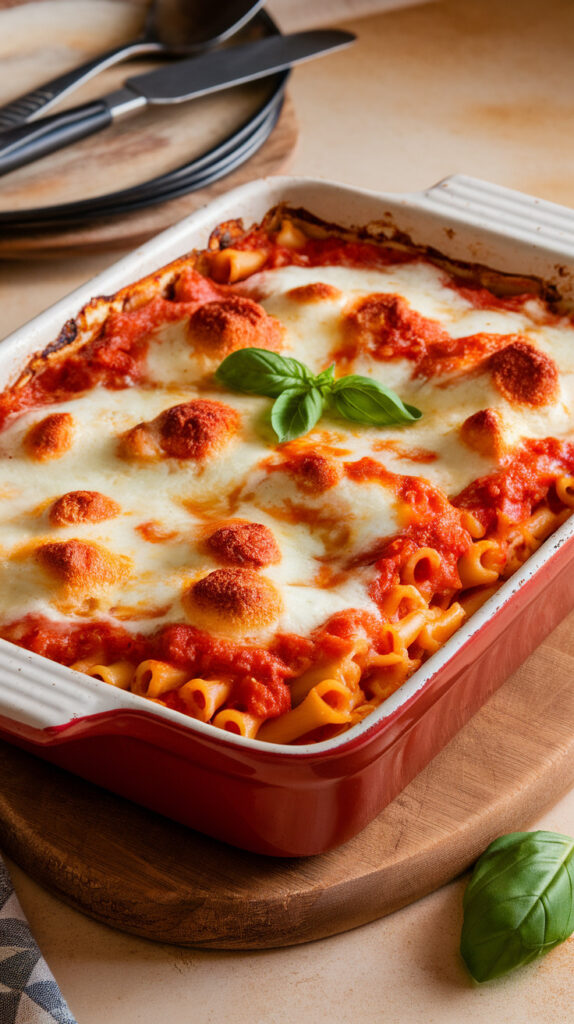
Baked ziti feels like comfort food designed for sharing. Pasta, tomato sauce, and melted cheese combine into something reliably satisfying without complicated prep. I usually make this when feeding a group because it scales easily.
The oven transforms simple ingredients into crispy edges and creamy centers. Every scoop delivers contrast between textures, which makes it hard to stop at one serving.
Ingredients
- 400g ziti pasta
- 2 cups marinara sauce
- 1 cup ricotta cheese
- 2 cups shredded mozzarella
- 1/2 cup Parmesan
- 1 egg
- Olive oil
- Salt and pepper
Step-by-Step Instructions
- Cook ziti until slightly underdone so it finishes cooking while baking.
- Mix ricotta, egg, Parmesan, salt, and pepper in a bowl.
- Combine pasta with marinara sauce evenly.
- Layer pasta mixture and ricotta mixture in a baking dish.
- Top with mozzarella generously.
- Bake at 180°C (350°F) for 25–30 minutes until bubbly and golden.
Why You’ll Love It
It combines ease and comfort perfectly. The leftovers taste even better the next day.
Tips
Add Italian sausage or sautéed spinach for variation, and serve with a simple Caesar salad.
FAQ
Can I substitute dried pasta with fresh pasta?
Yes, but reduce cooking time significantly because fresh pasta cooks faster and absorbs sauce differently.
Why is pasta water important?
It contains starch that helps sauces cling to noodles and creates a silky texture naturally.
How salty should pasta water be?
Aim for water that tastes lightly salty like soup since this seasons pasta from the inside.
Can these recipes be made vegetarian?
Most already are or adapt easily by removing meat or using vegetable-based alternatives.
How do I prevent pasta from sticking together?
Stir during the first minute of cooking and use enough boiling water for movement.
Is olive oil necessary for all sauces?
Not always, but high-quality olive oil adds depth and helps emulsify many classic sauces.
How do I reheat pasta without drying it out?
Add a splash of water or sauce before reheating gently over low heat.
Final Thoughts
Reliable recipes earn their place by working repeatedly without stress or guesswork. These pasta dishes prove that good cooking depends more on understanding ingredients than chasing complicated techniques.
Once you cook these a few times, adjustments start happening naturally and confidence grows without effort. Keep experimenting, trust your taste, and dinner will rarely feel like a chore again.

Dr. Pallab Kishore, MS in Orthodontics and owner of Orthodontic Braces Care, shares expert tips on braces, aligners, and oral health from 10+ years of experience.