
Last updated on March 22nd, 2026 at 01:51 pm
Consistency matters more than complexity when it comes to baking desserts people actually crave again. Many cakes fail because they chase trends instead of flavor balance, texture, and comfort. Italian baking quietly solves that problem by focusing on simple ingredients treated with care.
These cakes feel familiar without being boring, rich without being heavy, and impressive without demanding professional skills. I keep coming back to them whenever I want something reliable that still feels special.
Once you understand how Italians approach cake, baking starts to feel less stressful and way more enjoyable.
1. Torta della Nonna (Italian Grandma’s Custard Cake)
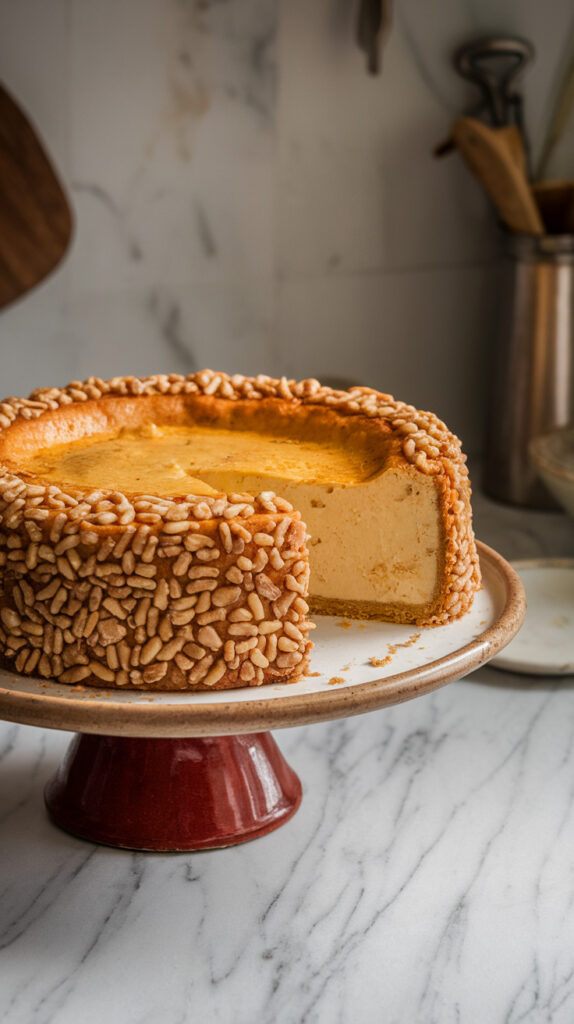
Some desserts exist because people refused to overcomplicate what already worked perfectly. Torta della Nonna proves that creamy custard and buttery pastry can carry an entire cake without fancy decorations. The contrast between soft filling and lightly crisp crust makes every bite feel intentional.
I first made this expecting something overly sweet, but it surprised me with restraint. Italians don’t overload sugar here, which lets the vanilla and lemon shine naturally. That balance is exactly why this cake never feels tiring to eat.
Ingredients
- All-purpose flour
- Unsalted butter, cold and cubed
- Granulated sugar
- Eggs
- Whole milk
- Cornstarch
- Vanilla extract
- Lemon zest
- Pine nuts
- Baking powder
- Salt
- Powdered sugar for dusting
Step-by-Step Instructions
- Mix flour, sugar, baking powder, and salt in a bowl, then rub cold butter into the mixture until it resembles coarse crumbs. This creates a tender crust instead of a tough one.
- Add eggs and gently form a dough without overworking it, because excess handling activates gluten and makes pastry dense.
- Chill the dough for 30 minutes so the butter firms up and bakes into flaky layers.
- Heat milk with lemon zest until warm but not boiling to avoid curdling later.
- Whisk eggs, sugar, cornstarch, and vanilla together, then slowly pour in warm milk while stirring constantly to temper the eggs.
- Cook the mixture over medium heat until thick and creamy, stirring nonstop to prevent lumps.
- Roll out half the dough and press it into a cake pan, then spread the custard evenly across the base.
- Cover with remaining dough, seal edges gently, and sprinkle pine nuts on top.
- Bake at 350°F (175°C) for about 35–40 minutes until golden.
- Cool completely before dusting with powdered sugar so the custard sets properly.
Why You’ll Love It
The texture combination alone makes this unforgettable, especially if you like desserts that aren’t aggressively sweet. It feels comforting and elegant at the same time.
Tips
Shortcut: Use store-bought pastry dough if you’re short on time; the custard still carries the flavor.
Serving idea: Pair with espresso or lightly sweetened cappuccino for the most authentic experience.
2. Italian Ricotta Cake
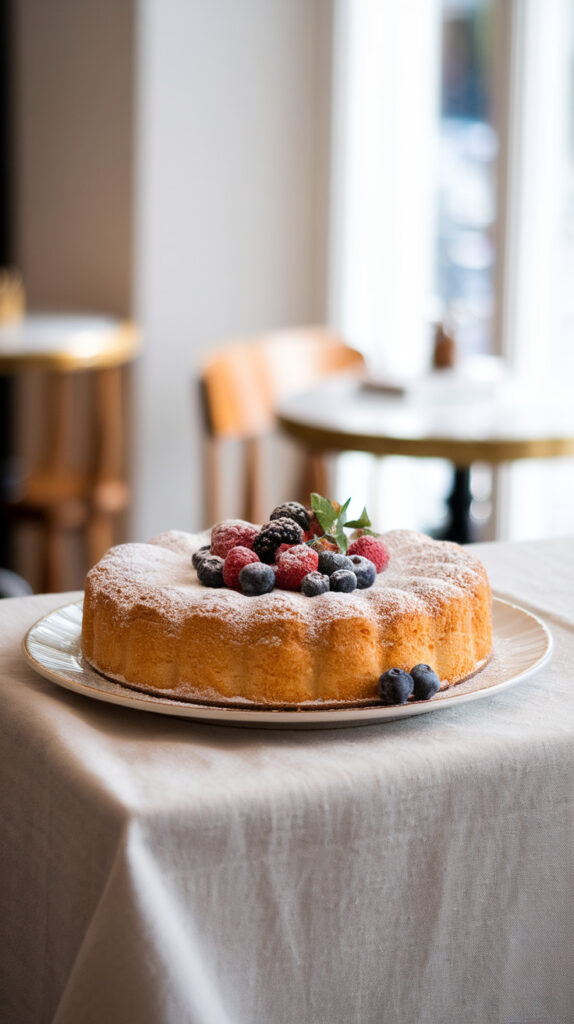
Dry cake disappoints everyone, yet it happens constantly because many recipes rely only on butter for moisture. Ricotta quietly fixes that issue by adding richness without heaviness. This cake stays soft for days, which honestly feels like baking magic.
I started baking this when I needed something forgiving, and now it’s my fallback dessert for gatherings. People always assume it took more effort than it actually did.
Ingredients
- Whole milk ricotta cheese
- Eggs
- Granulated sugar
- All-purpose flour
- Unsalted butter, melted
- Lemon zest
- Vanilla extract
- Baking powder
- Salt
- Powdered sugar
Step-by-Step Instructions
- Beat eggs and sugar until pale and slightly fluffy, which builds structure without heaviness.
- Mix in ricotta until smooth, breaking up any lumps for an even texture.
- Add melted butter, vanilla, and lemon zest to deepen flavor.
- Combine flour, baking powder, and salt separately to distribute leavening evenly.
- Fold dry ingredients into the batter gently so the cake stays tender.
- Pour batter into a greased springform pan and smooth the top lightly.
- Bake at 340°F (170°C) for 45–50 minutes until the center sets and edges turn golden.
- Let the cake cool fully before slicing so it holds its shape.
Why You’ll Love It
It tastes rich without feeling heavy, which makes it perfect for both dessert and afternoon coffee. The texture stays soft even the next day.
Tips
Shortcut: Blend ricotta briefly if it looks grainy for an ultra-smooth crumb.
Serving idea: Add fresh berries or a drizzle of honey for contrast.
3. Torta Caprese (Chocolate Almond Cake)
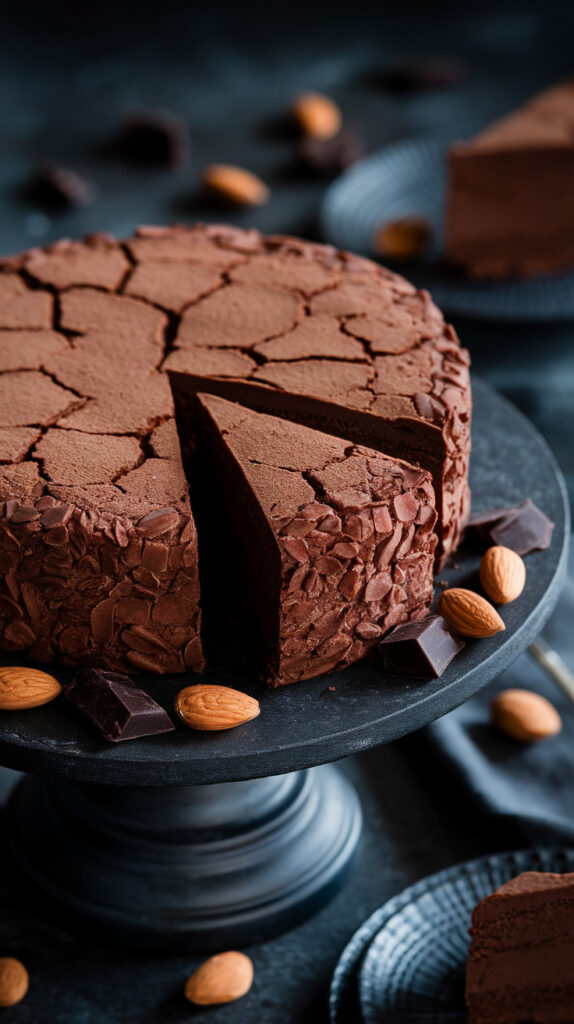
Flourless cakes often sound complicated, but this one keeps things shockingly simple. Torta Caprese relies on almonds and chocolate instead of flour, creating a dense yet delicate texture. The result feels indulgent without being overwhelming.
The first time I baked it, I worried about structure, but almonds provide enough body naturally. It’s one of those desserts that feels fancy while secretly being beginner-friendly.
Ingredients
- Dark chocolate
- Unsalted butter
- Almond flour
- Eggs, separated
- Granulated sugar
- Cocoa powder
- Vanilla extract
- Salt
- Powdered sugar
Step-by-Step Instructions
- Melt chocolate and butter together slowly using a double boiler to avoid burning.
- Whisk egg yolks with half the sugar until thick and pale for richness.
- Stir melted chocolate into yolks gently until combined.
- Mix almond flour, cocoa powder, and salt into the batter evenly.
- Beat egg whites with remaining sugar until soft peaks form, adding lightness.
- Fold whites into the batter carefully to keep air inside.
- Pour into a lined cake pan and level the surface gently.
- Bake at 325°F (165°C) for 35–40 minutes until the center barely sets.
- Cool completely before removing from the pan.
Why You’ll Love It
It delivers deep chocolate flavor without heaviness or dryness. The naturally gluten-free texture feels luxurious.
Tips
Shortcut: Use high-quality chocolate chips if chopping bars feels tedious.
Serving idea: Serve with whipped cream or orange zest for brightness.
4. Italian Lemon Olive Oil Cake
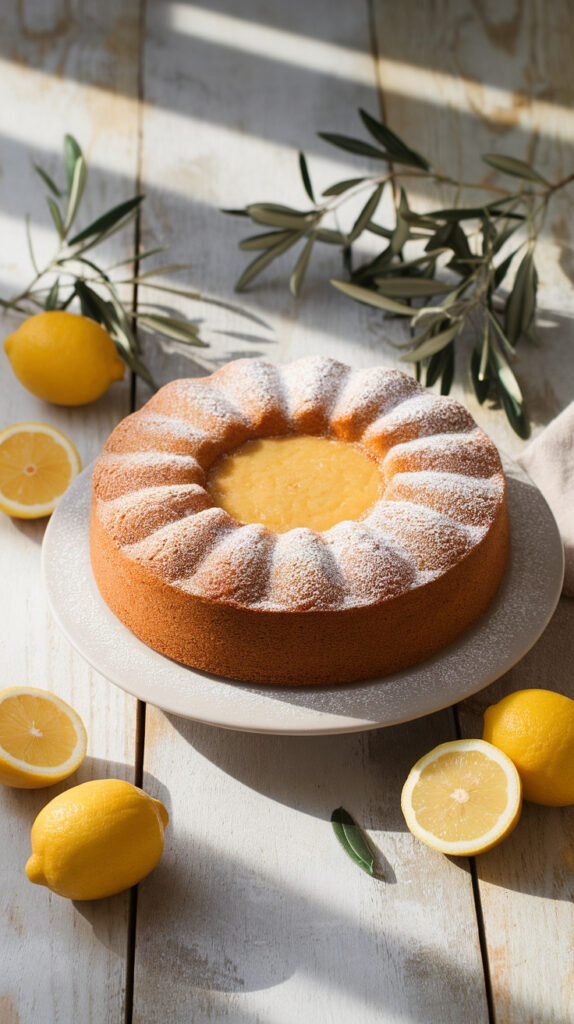
Butter gets most of the credit in baking, but olive oil creates a softer crumb and brighter flavor. This cake proves that simplicity often wins over richness. Lemon and olive oil together taste clean, fresh, and surprisingly addictive.
I started baking this during warmer months because it never feels too rich. Somehow it works equally well after dinner or with morning coffee.
Ingredients
- Extra virgin olive oil
- All-purpose flour
- Eggs
- Granulated sugar
- Fresh lemon juice
- Lemon zest
- Whole milk
- Baking powder
- Salt
- Vanilla extract
Step-by-Step Instructions
- Whisk eggs and sugar until smooth and slightly thickened.
- Add olive oil slowly while mixing to emulsify the batter properly.
- Stir in lemon juice, zest, milk, and vanilla for balanced flavor.
- Combine flour, baking powder, and salt separately.
- Fold dry ingredients into wet ingredients gently until just combined.
- Pour batter into a lined cake pan and tap lightly to remove air bubbles.
- Bake at 350°F (175°C) for 35–40 minutes until golden and springy.
- Cool before slicing so flavors settle and texture improves.
Why You’ll Love It
The flavor feels light yet satisfying, making it easy to serve anytime. It stays moist longer than butter cakes.
Tips
Shortcut: Use mild olive oil if strong varieties taste too intense.
Serving idea: Dust with powdered sugar or add a simple lemon glaze.
5. Pan di Spagna (Italian Sponge Cake)
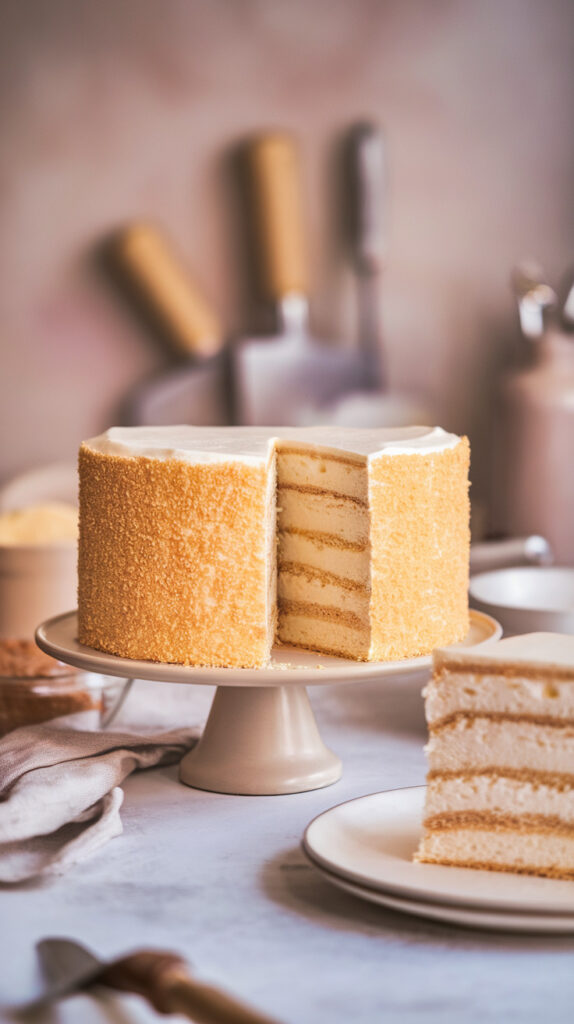
Many layered desserts depend on a solid sponge, and Pan di Spagna delivers exactly that. It uses no butter or oil, relying entirely on whipped eggs for structure. That technique sounds intimidating but becomes easy once you understand the rhythm.
I used to rush this cake and always regretted it. Slow whisking changes everything, giving you a soft, airy base perfect for fillings.
Ingredients
- Eggs, room temperature
- Granulated sugar
- All-purpose flour
- Cornstarch
- Vanilla extract
- Salt
- Lemon zest (optional)
Step-by-Step Instructions
- Beat eggs and sugar together for 10–12 minutes until very pale and tripled in volume. Air creates the entire structure here.
- Add vanilla and zest gently without deflating the mixture.
- Sift flour and cornstarch together to prevent lumps.
- Fold dry ingredients slowly using a spatula with upward motions.
- Pour batter into an ungreased pan so it climbs the sides while baking.
- Bake at 340°F (170°C) for 30–35 minutes until lightly golden.
- Cool upside down or on a rack to preserve height.
Why You’ll Love It
It becomes the foundation for countless desserts while tasting delicate on its own. The texture feels impossibly light.
Tips
Shortcut: Use an electric mixer to save arm strength during whipping.
Serving idea: Slice and layer with pastry cream or fruit preserves.
6. Italian Apple Cake (Torta di Mele)
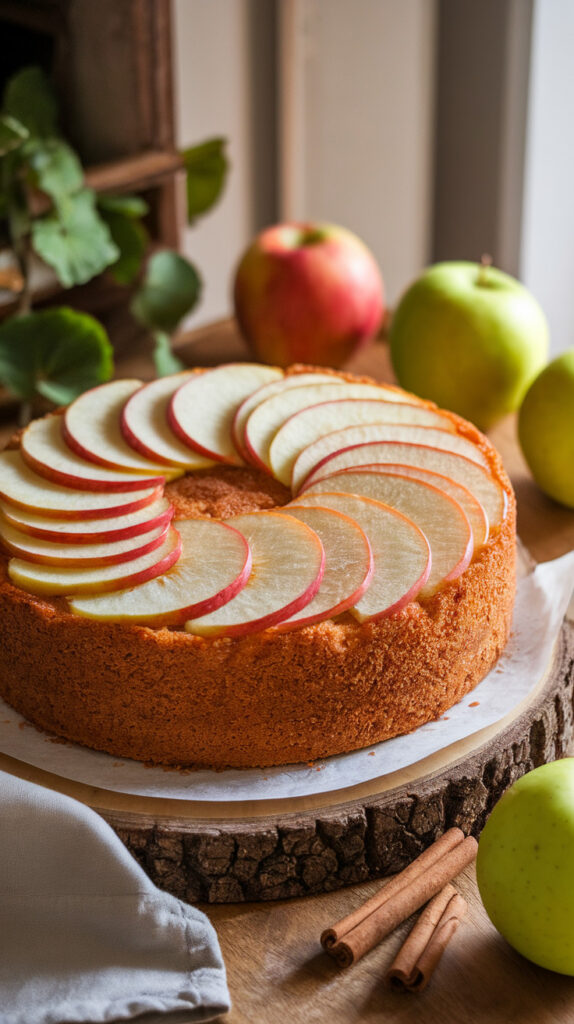
Apple cake exists in many cultures, but the Italian version leans softer and less sugary. Thin apple slices melt into the batter, creating natural sweetness instead of relying on extra sugar. The result tastes comforting without feeling heavy.
I like this cake because it feels homemade in the best way possible. Nothing about it tries too hard, yet people always go back for seconds.
Ingredients
- Apples, thinly sliced
- All-purpose flour
- Eggs
- Granulated sugar
- Unsalted butter, melted
- Milk
- Lemon juice
- Baking powder
- Cinnamon
- Salt
Step-by-Step Instructions
- Toss apple slices with lemon juice to prevent browning and add brightness.
- Beat eggs and sugar until slightly thickened.
- Mix in melted butter and milk for moisture.
- Combine flour, baking powder, cinnamon, and salt separately.
- Fold dry ingredients into wet ingredients gently.
- Stir in most apple slices, saving some for topping.
- Pour batter into a pan and arrange remaining apples on top.
- Bake at 350°F (175°C) for 40–45 minutes until golden and fragrant.
- Cool slightly before slicing so apples settle into the crumb.
Why You’ll Love It
It tastes cozy without being overly sweet. The apples keep every bite moist and flavorful.
Tips
Shortcut: Use a mandoline for evenly thin apple slices.
Serving idea: Serve warm with a spoon of lightly whipped cream.
7. Chocolate Espresso Italian Cake
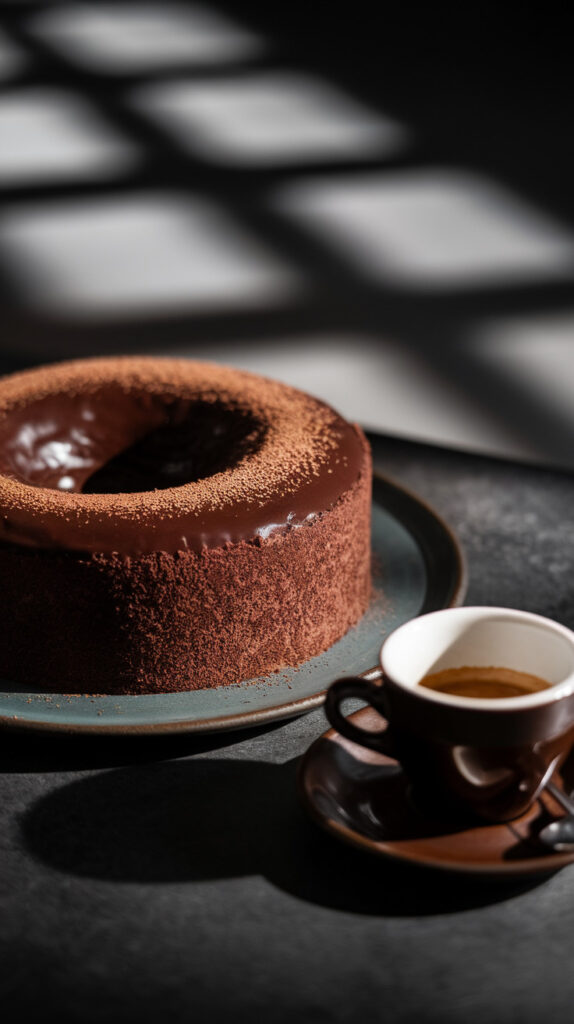
Chocolate tastes deeper when paired with coffee, and Italians understand that instinctively. Espresso enhances cocoa flavor rather than making the cake taste like coffee. The result feels bold but balanced.
I started adding espresso after realizing chocolate alone sometimes tastes flat. That small adjustment turns an ordinary cake into something memorable.
Ingredients
- Dark cocoa powder
- All-purpose flour
- Eggs
- Granulated sugar
- Brewed espresso, cooled
- Unsalted butter, melted
- Baking powder
- Vanilla extract
- Salt
- Milk
Step-by-Step Instructions
- Whisk eggs and sugar until smooth and slightly airy.
- Add melted butter and espresso slowly while mixing evenly.
- Stir in vanilla and milk for balance.
- Combine flour, cocoa powder, baking powder, and salt separately.
- Fold dry ingredients into wet ingredients gently to avoid toughness.
- Pour batter into a greased cake pan and smooth the surface.
- Bake at 350°F (175°C) for 35–40 minutes until a toothpick comes out mostly clean.
- Cool completely before slicing to deepen flavor.
Why You’ll Love It
The espresso intensifies chocolate without overpowering it. It feels rich yet surprisingly smooth.
Tips
Shortcut: Instant espresso powder works perfectly if brewed coffee isn’t available.
Serving idea: Add mascarpone cream or fresh strawberries for contrast.
FAQ
Can I substitute olive oil with regular vegetable oil?
Yes, but you’ll lose some flavor depth. Olive oil adds subtle fruitiness that defines many Italian cakes.
Why are Italian cakes less sweet than American cakes?
Italian baking prioritizes ingredient flavor over sugar intensity. The goal is balance rather than sweetness alone.
Can these cakes be made ahead of time?
Most of them actually taste better the next day because moisture redistributes and flavors settle.
What flour works best for Italian cakes?
Standard all-purpose flour works perfectly unless the recipe specifies almond flour or a flourless style.
How do I keep cakes moist longer?
Store them tightly wrapped at room temperature and avoid refrigeration unless the cake contains custard or cream.
Are Italian cakes beginner-friendly?
Yes, because many rely on technique instead of complicated decoration or equipment.
Can I freeze these cakes?
Most freeze well when wrapped tightly, especially sponge and chocolate-based cakes.
Final Thoughts
Italian cakes succeed because they respect simplicity instead of fighting it. Each recipe focuses on texture, balance, and real flavor rather than decoration or excess sweetness.
Once you bake a few of these, you start trusting instinct more than strict rules. That confidence changes how baking feels, and honestly, that’s when desserts become genuinely fun again.

Dr. Pallab Kishore, MS in Orthodontics and owner of Orthodontic Braces Care, shares expert tips on braces, aligners, and oral health from 10+ years of experience.