
Your shower can do more than just clean you. With a few small upgrades, it becomes a ritual that leaves your skin smooth, hydrated, and glowing. The best part?
You don't need fancy products or hours of time.
Most of us rush through showers without thinking about how water temperature, pressure, or timing affects our skin. But these little details matter. A few intentional changes can transform how your skin feels and looks.
Ready to upgrade your routine? These 15 ideas are simple, effective, and easy to add to your daily shower. Your skin will thank you.
1. Start with a Lukewarm Rinse
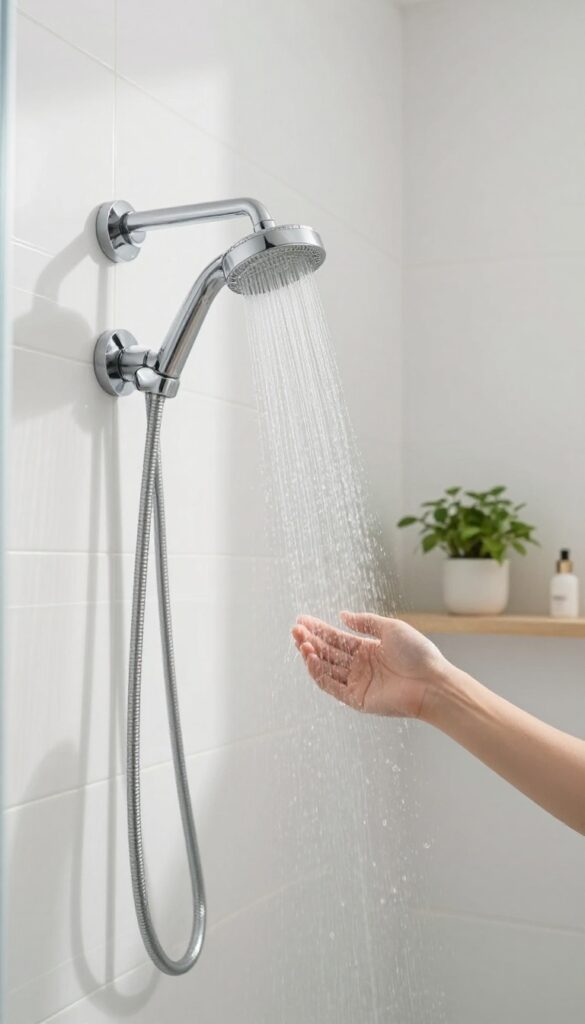
It's tempting to crank up the heat, especially on chilly mornings. But hot water is a sneaky culprit behind dry, irritated skin. A lukewarm rinse cleans just as well without stripping your skin's natural moisture barrier.
This simple switch sets the foundation for everything else you do in the shower.
Dermatologists agree: lukewarm water is the sweet spot for cleansing. It effectively removes dirt and sweat while preserving the oils that keep your skin soft. Aim for water around 98°F to 100°F—if it feels neutral against your wrist, you're good.
Your skin will feel clean, not tight or itchy.
Why Temperature Matters
Hot water dissolves natural lipids, leaving skin dry and prone to irritation. Lukewarm water maintains the acid mantle, a protective barrier that locks in moisture. This is especially important if you have sensitive or eczema-prone skin.
How To Find Your Ideal Temp
Test the water on your inner wrist—it should feel warm but not hot. If your skin turns pink or red, it's too hot. You can also install a shower thermometer to dial in the perfect temperature every time.
2. Use a Gentle, Sulfate-Free Body Wash
Not all body washes are created equal. Many popular options rely on sulfates to create that satisfying lather, but those suds come at a cost. Sulfates strip away natural oils, leaving your skin tight, dry, and irritated.
Switching to a sulfate-free formula is one of the simplest swaps you can make for a noticeably softer feel. Look for ingredients like glycerin, aloe vera, or oat extract. These cleanse without disrupting your skin's moisture barrier.
Your skin will feel clean, not squeaky—and that's a good thing.
A gentle body wash makes a difference you can feel immediately. After just a few washes, you'll notice less tightness and more comfort. It's especially helpful if you have sensitive skin or deal with dryness year-round.
What To Look For
Check the label for "sulfate-free" and scan for nourishing ingredients. Glycerin attracts moisture, aloe soothes, and oat extract calms irritation. Avoid anything with sodium lauryl sulfate (SLS) or sodium laureth sulfate (SLES).
How To Use It
You don't need much—a quarter-sized amount is plenty. Work it into a light lather with your hands or a soft cloth. Rinse thoroughly and pat dry.
No need to scrub aggressively; gentle cleansing is the goal.
When To Upgrade
If your skin feels tight or itchy after showering, it's time to switch. Also consider changing if you notice flakiness or redness. A sulfate-free wash can improve these issues within a week.
3. Exfoliate with a Soft Mitt or Scrub
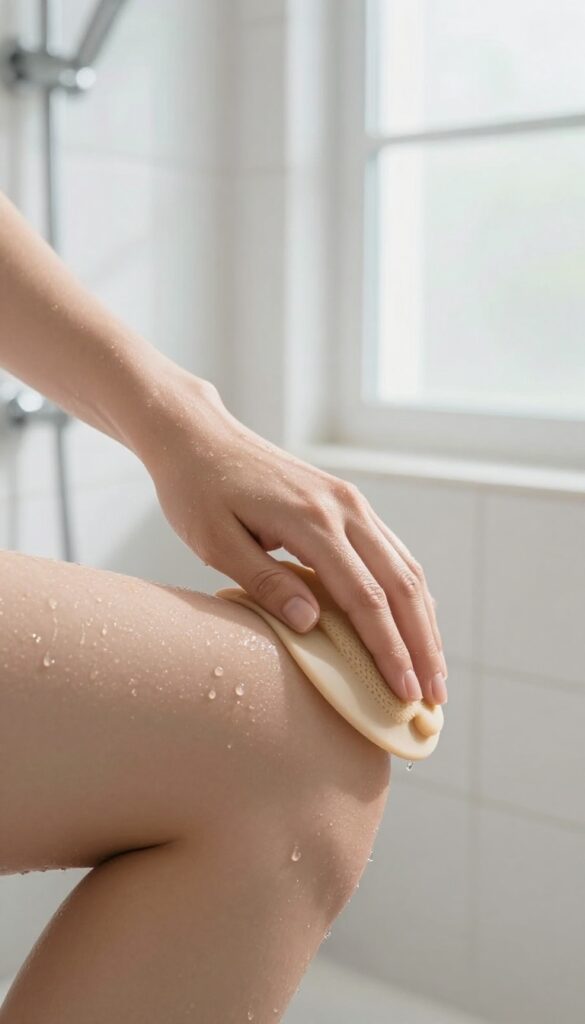
Dead skin cells can make your complexion look dull and feel rough. Exfoliating helps slough them away, revealing the fresh, smooth skin underneath. The key is doing it gently—no harsh scrubbing that leaves you red or irritated.
A soft mitt or a fine scrub used 2-3 times a week is all you need.
Exfoliation is a game-changer for a smooth, glowing body. It boosts circulation, helps prevent ingrown hairs, and allows your moisturizer to absorb better. But overdoing it can strip your skin's natural barrier.
Stick to a gentle routine, and your skin will thank you.
Choose The Right Tool
A soft silicone mitt or a gentle exfoliating glove works well for most skin types. They're easy to use in the shower and provide just enough texture without being abrasive. Avoid rough loofahs or harsh brushes that can cause micro-tears.
Pick A Gentle Scrub
If you prefer a scrub, look for fine, round particles like jojoba beads or sugar. Avoid crushed nutshells or large crystals that can scratch your skin. A creamy formula with nourishing oils will exfoliate while keeping your skin hydrated.
Master The Technique
Exfoliate in circular motions, focusing on rough areas like elbows, knees, and heels. Spend about 30 seconds per area, and don't press too hard. Rinse thoroughly and follow with a rich moisturizer while your skin is still slightly damp.
4. Try a Pre-Shower Body Oil
Applying oil before you even step into the shower might sound counterintuitive, but it's a game-changer for dry skin. A lightweight body oil creates a protective barrier that locks in moisture as you wash. When the warm water hits, the oil helps seal hydration into your skin instead of stripping it away.
The result is a silky, smooth feel without any greasy residue.
The trick is to apply the oil to damp skin right before turning on the water. Focus on driest areas like elbows, knees, and legs. Let it sit for a minute, then shower as usual.
The oil won't rinse off completely—it stays on your skin to keep it soft.
Choose The Right Oil
Look for non-comedogenic oils like jojoba, grapeseed, or squalane. Avoid heavy oils like coconut if you're prone to breakouts. A few drops go a long way, so start small and add more if needed.
Best Time To Apply
Apply the oil right after you undress, while your skin is still dry. This allows the oil to absorb slightly before the water hits. If your skin is already wet, the oil won't adhere as well.
Don't Overdo It
Too much oil can make your shower floor slippery. Use just enough to feel a light film on your skin. You can always add more next time if your skin still feels dry after drying off.
5. Install a Shower Filter
Ever wonder why your skin feels tight or itchy after a shower, even with a good body wash? The culprit might be your water. Hard water minerals like calcium and magnesium, plus chlorine used for disinfection, can strip your skin's natural oils and cause irritation.
A shower filter is a simple fix that removes these impurities, letting your skin hold onto moisture better. It's one upgrade that pays off with every shower.
A shower filter attaches to your existing showerhead and works by trapping sediment, chlorine, and heavy metals before the water hits your skin. The result is softer water that feels gentler and leaves your skin less prone to dryness and flakiness. Many people notice less itching and redness within a week or two.
Plus, filtered water can also help your hair look shinier and feel smoother.
What A Filter Removes
Most shower filters use activated carbon or vitamin C to neutralize chlorine. Some also contain KDF media that reduces heavy metals like lead and mercury. Sediment filters catch rust and sand particles that can clog pores.
Together, these layers make tap water much kinder to your skin.
Installation Is Easy
You don't need a plumber. Most filters screw directly onto your shower arm, then the showerhead attaches to the filter. It takes about five minutes.
Just make sure to check the filter's lifespan—usually 6 to 12 months—and replace the cartridge when it's time.
Look For These Features
Choose a filter with a high flow rate so water pressure stays strong. Some models come with a built-in water softener or add minerals like zinc for extra skin benefits. Also consider a filter that's easy to refill or swap out—some have a clear housing so you can see when it's dirty.
6. Use a Body Brush for Dry Brushing
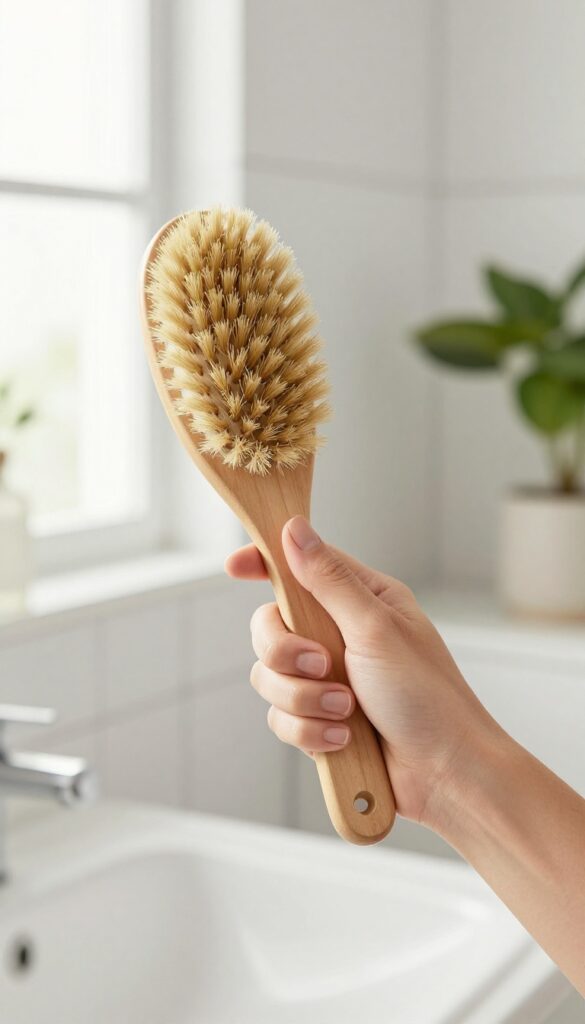
Dry brushing might sound like a spa-only thing, but it's actually super easy to do at home. All you need is a natural bristle brush and a few minutes before you hop in the shower. The gentle friction wakes up your skin and gets your blood moving, which can make a big difference in how your skin looks and feels.
Grab a dry brush with firm but not scratchy bristles. Starting at your feet, use long, upward strokes toward your heart. Focus on areas like your legs, arms, and back, but skip sensitive spots like your face or any broken skin.
Do this for about 3 to 5 minutes before your shower, and rinse off the loosened dead skin cells once you're in.
Why It Works
Dry brushing exfoliates by physically sloughing off dead skin cells, which can make your skin feel smoother and look brighter. The brushing motion also stimulates blood flow and encourages lymphatic drainage, helping your body flush out toxins. Over time, this can reduce the appearance of cellulite and improve skin texture.
How To Choose A Brush
Look for a brush with natural bristles—synthetic ones can be too harsh. A long-handled brush helps you reach your back easily, while a smaller one is good for arms and legs. Make sure the bristles feel firm but not painful on your skin.
You can find good options online or at drugstores for under $15.
When And How Often
The best time is right before your shower, when your skin is dry and clean. Start with 2 to 3 times a week, then gradually increase to daily if your skin tolerates it. Always brush in gentle, sweeping motions—never scrub back and forth.
After your shower, follow up with a moisturizer to lock in hydration.
7. Keep Your Shower Short
Long, steamy showers feel amazing in the moment, but they’re not doing your skin any favors. Hot water strips away natural oils, leaving your moisture barrier compromised. The result?
Dry, tight, or even itchy skin after you towel off. Shortening your shower to 5–10 minutes is one of the simplest upgrades you can make. It’s enough time to get clean without over-drying.
Your skin will feel more balanced, and you’ll save water too.
Why Time Matters
Prolonged exposure to water, especially hot water, breaks down the lipids that keep your skin hydrated. Even if you use a gentle body wash, a 20-minute shower can undo its benefits. Keeping it under 10 minutes helps preserve your skin’s natural barrier.
How To Make It Work
Use a timer or play a short song to keep yourself on track. Focus on the areas that need soap—underarms, groin, feet—and let water rinse the rest. Save deep cleansing or exfoliating for days when you have a bit more time, but still aim to finish within the window.
The Bonus Benefits
Shorter showers mean less hot water exposure for your hair too, which can reduce frizz and dryness. Plus, you’ll lower your energy bill and reduce water waste. It’s a win for your skin, your schedule, and the planet.
8. Apply a Hydrating Mask While You Shower
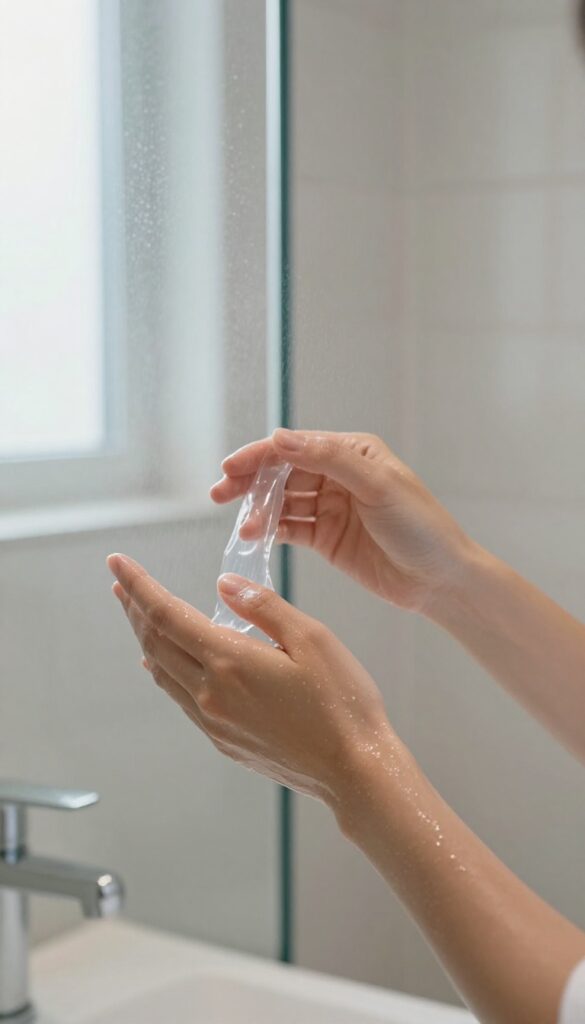
Steam and warm water open up your pores and help ingredients sink in deeper. That makes the shower the perfect place to use a hydrating mask—whether it's for your face or body. You get all the benefits without adding extra steps to your routine.
Choose a mask that works with heat and moisture. Gel-based or cream masks with ingredients like hyaluronic acid, aloe, or glycerin are ideal. Apply after you've been in the shower for a few minutes so your skin is warm and receptive.
Leave it on while you wash or shave, then rinse off before you step out. Your skin will feel plump, soft, and deeply hydrated.
Best Mask Types For The Shower
Look for masks labeled as hydrating, moisturizing, or soothing. Sheet masks work too, but they can slip in the steam. A cream or gel mask stays put and won't drip.
Avoid clay or charcoal masks—they can dry out when exposed to steam.
How To Time It Right
Apply your mask after you've been in the shower for about 2–3 minutes. Let it sit for 5–10 minutes while you do the rest of your routine. Rinse with cool water at the end to seal in moisture.
Body Mask Vs. Face Mask
You can use a body-specific hydrating mask or just a rich lotion. For the face, stick to a gentle hydrating formula. Avoid anything with strong actives like retinol or acids—steam can increase absorption and cause irritation.
9. Rinse with Cool Water at the End
That final blast of cool water might feel shocking, but it's one of the simplest ways to lock in your glow. A quick cool rinse tightens pores and improves circulation, which helps your skin look firmer and more even. It also seals in the moisture from your body wash or oil, so you stay hydrated longer.
You don't need an ice-cold shower—just 30 seconds of cool water after your warm rinse is enough. Your skin will feel smoother and look more radiant, and you'll step out feeling refreshed and energized.
Why Cool Water Works
Warm water opens pores and helps cleansers work, but cool water does the opposite—it constricts pores and tightens the skin. This temporary tightening reduces the appearance of pores and gives your skin a smoother texture. The improved circulation also brings oxygen and nutrients to the surface, boosting that natural glow.
How To Add A Cool Rinse
At the end of your shower, gradually turn the temperature down until it's cool but not uncomfortable. Focus the water on your legs, arms, and torso for about 30 seconds. If you can't handle a full-body cool rinse, just do your face and neck—those areas benefit the most.
Extra Tips For Best Results
For an even bigger glow boost, apply a lightweight body oil right after your cool rinse while your skin is still slightly damp. The cool water helps seal in the oil, locking in moisture without feeling greasy. Avoid hot water afterward, as it will undo the benefits.
10. Pat Dry, Don't Rub

How you dry off after a shower matters just as much as what you use in the shower. Rubbing your skin with a towel might feel efficient, but it can cause irritation, redness, and even flaking. The friction strips away natural oils and disrupts your skin's moisture barrier, leaving it dry and angry.
A gentler approach helps keep that smooth, fresh glow you just worked for.
Patting dry is a simple switch that makes a big difference. Instead of grabbing a towel and scrubbing, press the towel gently against your skin to absorb water. This leaves a thin layer of moisture on your skin, which is perfect for locking in with lotion or body oil right after.
Your skin stays hydrated, calm, and less prone to irritation.
Why Rubbing Hurts
Rubbing creates micro-tears in the skin's surface, especially if you're using a rough towel. Over time, this weakens your skin barrier and leads to dryness, sensitivity, and even breakouts. The redness you see after a vigorous towel dry is a sign of inflammation.
The Right Towel Matters
Use a soft, clean towel made of microfiber or high-quality cotton. These materials are gentle and absorbent, so you need less pressure. Avoid sharing towels to prevent bacteria transfer, and wash your towels weekly to keep them fresh.
When To Moisturize
The best time to apply moisturizer is within three minutes of patting dry, while your skin is still slightly damp. This traps water in your skin and helps ingredients absorb better. Patting dry prepares your skin for that step without stripping it first.
11. Moisturize Within Three Minutes
You've just stepped out of the shower, skin still damp and warm. That's the golden window for locking in moisture. Applying your body lotion or butter within three minutes of patting dry makes a huge difference.
The residual water helps the product absorb deeper, leaving your skin softer for longer.
The three-minute rule isn't just a beauty myth—it's backed by science. When your skin is still slightly damp, it's more permeable, allowing moisturizers to penetrate better. Waiting longer lets water evaporate, taking natural oils with it.
So grab your lotion right after drying off.
Why Timing Matters
Your skin's moisture level peaks right after a shower. As it dries, that moisture evaporates, and if you wait too long, you're just sealing in dryness. Applying moisturizer within three minutes traps water in the outer layer, maximizing hydration.
Best Products For Damp Skin
Lightweight lotions and gel-creams work well, but richer body butters are also great if you massage them in thoroughly. Look for ingredients like glycerin, hyaluronic acid, or shea butter—they pull water into the skin and lock it there.
How To Apply For Best Results
Start with your legs and arms, working upward. Use long, upward strokes to boost circulation. Don't forget your back and shoulders.
A little product goes a long way on damp skin, so you'll use less than you think.
12. Choose a Body Lotion with Ceramides
Your skin barrier works hard to keep moisture in and irritants out. Ceramides are the lipids that make up a big part of that barrier, and when they're depleted, skin can feel dry, tight, or itchy. A lotion with ceramides helps replenish those natural fats, so your skin stays hydrated and resilient long after you towel off.
Not all lotions are created equal. Look for formulas that list ceramides near the top of the ingredients—they're more effective when they're concentrated. Apply right after your shower while skin is still slightly damp to lock in extra moisture.
This simple swap can make a noticeable difference in how smooth and comfortable your skin feels throughout the day.
Why Ceramides Matter
Think of ceramides as the mortar between brick-like skin cells. When that mortar is strong, your barrier holds water and keeps out pollution, bacteria, and other stressors. A lotion with ceramides reinforces that structure, reducing transepidermal water loss and calming sensitivity.
It's especially helpful if you live in a dry climate or have naturally dry skin.
How To Pick The Right One
Not all ceramide lotions are heavy. Many are lightweight and absorb quickly, so you don't have to feel greasy. Look for a formula with multiple ceramides (like ceramide NP, AP, or EOP) plus supporting ingredients like niacinamide or fatty acids.
Avoid fragrances if your skin is reactive—unscented options work just as well.
When And How To Apply
Timing matters. Apply your ceramide lotion within three minutes of stepping out of the shower, while your skin is still damp. This helps seal in the water your skin just absorbed.
Use gentle upward strokes, and don't forget often-neglected areas like elbows, knees, and heels. Consistency is key—use it daily for the best results.
13. Use a Microfiber Towel for Softer Skin

The towel you grab after a shower can make a real difference in how your skin feels. Microfiber towels are much gentler than traditional cotton ones, and they come with a few extra perks that help your skin stay smooth and healthy.
Microfiber towels are made from ultra-fine synthetic fibers that are soft and non-abrasive. When you pat or gently rub your skin dry, these fibers provide a light exfoliation that helps remove dead skin cells without irritation. Plus, microfiber dries much faster than cotton, which means less bacteria and mildew growth over time.
Gentle Exfoliation As You Dry
Unlike rough cotton terry cloth, microfiber has a smooth texture that lifts away dead skin cells while absorbing moisture. This gentle exfoliation helps reveal a smoother, more even skin surface without the need for extra scrubbing.
Faster Drying Means Less Bacteria
Cotton towels can stay damp for hours, creating a breeding ground for bacteria. Microfiber towels dry in about half the time, so they stay fresher longer. That means fewer breakouts and less irritation from dirty towels touching your clean skin.
How To Use Microfiber Towels
Use a separate microfiber towel for your body and face to avoid transferring bacteria. Wash them on a gentle cycle with mild detergent and skip fabric softener, which can clog the fibers and reduce effectiveness.
14. Add a Few Drops of Body Oil to Your Lotion
Your moisturizer is doing its job, but it could use a little boost. Mixing in a few drops of body oil takes hydration to the next level, giving you that dewy, smooth finish that lasts all day. It's a simple hack that makes a big difference, especially in colder months or after a long, hot shower.
When you add a high-quality oil like jojoba or argan to your lotion, you're creating a custom blend that locks in moisture more effectively. The oil helps seal the hydration from the lotion, while also nourishing your skin with essential fatty acids and vitamins. This combo leaves your skin feeling silky, not greasy, and gives it a natural glow that looks healthy and fresh.
Why It Works
Lotions are water-based and evaporate quickly, but oils are occlusive, meaning they form a barrier that keeps moisture in. By combining them, you get the best of both worlds: the lightweight hydration of lotion plus the sealing power of oil. Jojoba oil closely mimics your skin's natural sebum, so it absorbs easily without clogging pores.
Argan oil is rich in vitamin E and antioxidants, which help repair and protect your skin barrier.
How To Do It Right
Start with your usual amount of lotion in your palm. Add 1-2 drops of body oil—any more might feel too heavy. Rub your hands together to blend, then apply to damp skin right after your shower.
This locks in extra moisture and helps the mixture spread evenly. You can also warm the oil between your fingers before mixing for a more luxurious feel.
Best Oils To Try
Jojoba and argan are top choices because they're non-comedogenic and absorb quickly. Other great options include squalane, which is lightweight and hydrating, or almond oil for extra nourishment. Avoid mineral oil or heavy fragranced oils that might irritate sensitive skin.
A little goes a long way, so start with a single drop and adjust as needed.
15. Finish with a Fragrance-Free Mist
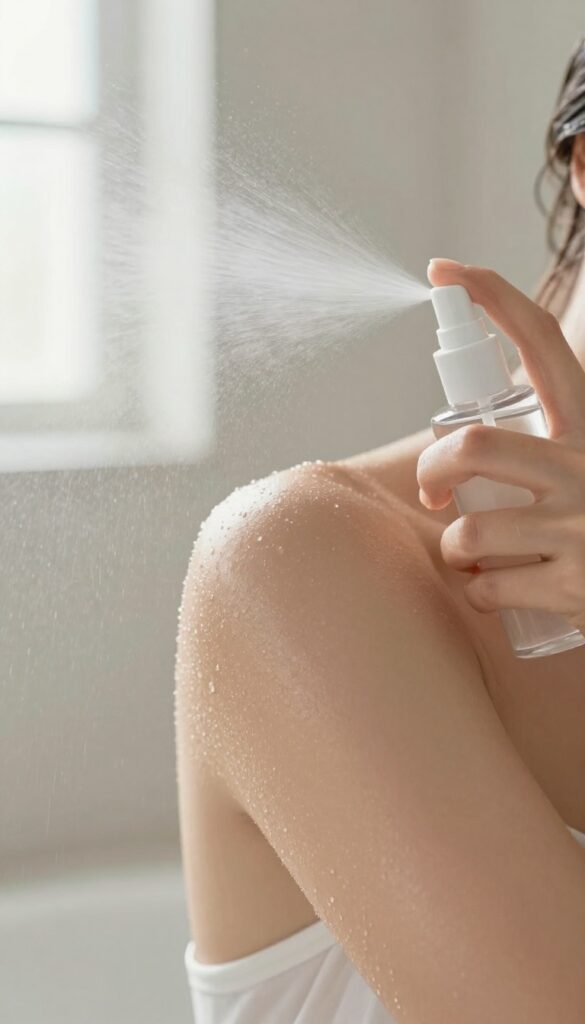
The final step in your shower routine can be as simple as a spritz. A light, alcohol-free mist locks in hydration and calms your skin right after you pat dry. It's a gentle way to refresh without layering on heavy products.
A fragrance-free mist is ideal for sensitive skin or anyone who prefers a neutral scent. Look for formulas with rose water, aloe vera, or glycerin to soothe and hydrate. Spray it on while your skin is still slightly damp for best absorption.
Why Fragrance-free?
Fragrances can irritate freshly cleansed skin, especially after exfoliation or shaving. A fragrance-free mist avoids that risk while still delivering hydration. It's also perfect if you layer scented lotions or perfumes afterward.
How To Apply
Hold the bottle about six inches from your skin and spritz in a light, even layer. Don't rub it in—let it air-dry or gently pat with your hands. Focus on drier areas like arms and legs.
FAQ
How often should I exfoliate my body in the shower?
2-3 times per week is ideal for most skin types. Over-exfoliating can cause irritation, so listen to your skin and adjust if needed.
Is hot water really bad for my skin?
Yes, hot water strips natural oils and can lead to dryness and irritation. Lukewarm water is best for maintaining a healthy moisture barrier.
Can a shower filter improve my skin?
Absolutely. Shower filters remove chlorine and heavy metals that can dry out and irritate skin, leading to a smoother, more hydrated complexion.
What's the best way to moisturize after a shower?
Apply your moisturizer within three minutes of patting dry, while your skin is still slightly damp. This locks in moisture more effectively.
Do I need a separate body oil if I already use lotion?
Not necessarily. You can mix a few drops of body oil into your lotion for extra hydration. It's a simple way to boost moisture without buying another product.
Conclusion
A smooth, fresh glow starts with small, intentional upgrades to your shower routine. Pick one or two changes—like a gentle scrub or a cool rinse—and build from there. Consistency matters more than perfection.
Over time, these simple tweaks will leave your skin feeling softer and your whole body refreshed. Step out of the shower already glowing.