
Your shower can do more than just get you clean—it can be the secret to the softest, healthiest skin of your life. Most people rush through it without thinking, but a few small tweaks can turn that daily rinse into a game-changer for your body.
Imagine stepping out with skin that feels silky, looks radiant, and stays hydrated all day long. No more dry patches, rough elbows, or that tight, uncomfortable feeling post-shower.
These 17 habits are practical, easy to adopt, and backed by what actually works. Whether you're a skincare newbie or a routine pro, there's something here to elevate your daily shower into a mini spa experience.
1. Start with a Lukewarm Rinse
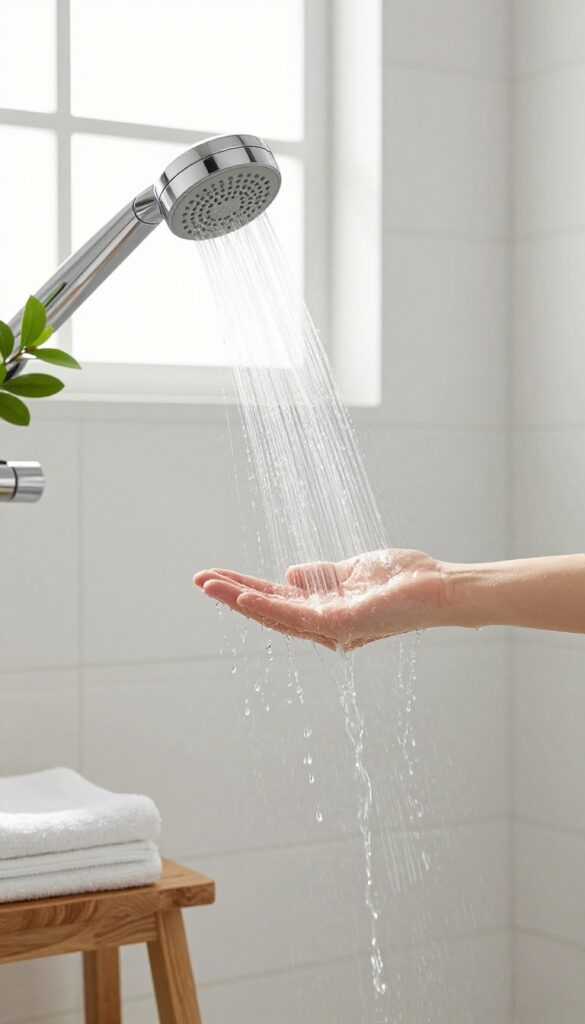
You might love a steaming hot shower, but your skin doesn't. Hot water strips away natural oils, leaving your moisture barrier compromised and your skin dry and irritated. Lukewarm water is the sweet spot—it cleanses effectively without causing damage.
Think of your skin's moisture barrier as a protective shield. When you blast it with hot water, that shield weakens, and moisture escapes. Lukewarm water (around 98-100°F) is warm enough to open pores and lift dirt, but not so hot that it strips essential lipids.
Your skin stays hydrated and happy.
Why Temperature Matters
Hot water dissolves natural sebum faster, which can lead to dryness and even eczema flare-ups. Lukewarm water preserves the skin's pH balance and keeps the microbiome intact. It's a simple switch that makes a huge difference for softness.
How To Get The Right Temp
Test the water with your wrist or forearm—it should feel comfortably warm, not scalding. If your skin turns red or feels tight after a shower, you're probably using water that's too hot. Dial it down and notice the change in your skin's feel.
2. Use a Gentle, Sulfate-Free Body Wash
Not all body washes are created equal. Many mainstream options rely on sulfates like sodium lauryl sulfate (SLS) to create that satisfying lather, but they can strip your skin of its natural oils. That squeaky-clean feeling?
It's actually a sign of dryness and irritation waiting to happen. Switching to a sulfate-free body wash is one of the easiest swaps you can make. These cleansers use milder surfactants that remove dirt and sweat without compromising your skin barrier.
Your skin will feel clean, soft, and hydrated—never tight or parched. Look for formulas with nourishing ingredients like glycerin, ceramides, or aloe vera. They'll keep your skin's moisture intact while still getting the job done.
Harsh detergents can irritate and dry out skin. Opt for a sulfate-free formula that cleanses without stripping.
Why Sulfates Are A Problem
Sulfates are strong detergents that create foam but can disrupt your skin's moisture barrier. Over time, this leads to dryness, redness, and even itchiness. If you have sensitive skin or conditions like eczema, sulfates can make things worse.
What To Look For Instead
Check the label for sulfate-free claims and look for gentle cleansers like coco-glucoside, decyl glucoside, or sodium cocoyl isethionate. Bonus points if the wash contains moisturizing ingredients like shea butter, oat milk, or vitamin E.
How To Make The Switch
Start by replacing your current body wash with a sulfate-free option. Use it as you normally would—you'll notice less foam, but your skin will thank you. Give it a week, and you'll see a real difference in softness and hydration.
3. Exfoliate 2-3 Times a Week
Exfoliating is like hitting the reset button for your skin. It sweeps away dead cells that can make your complexion look dull and clog your pores. Plus, it helps your moisturizer sink in deeper, so you get more bang for your buck.
Choose The Right Exfoliator
Not all scrubs are skin-friendly. Avoid harsh particles like crushed walnut shells that can cause micro-tears. Instead, go for gentle physical exfoliants with fine, round beads or a chemical exfoliant with AHAs or BHAs.
Your skin will thank you.
Don't Overdo It
Exfoliating every day is a recipe for irritation. Stick to 2-3 times a week, and listen to your skin. If it feels red or sensitive, scale back.
The goal is smooth, not raw.
Focus On Rough Areas
Your elbows, knees, and heels tend to build up more dead skin. Give them a little extra attention while exfoliating. A few extra seconds on these spots can make a big difference in overall softness.
4. Invest in a Quality Loofah or Silicone Scrubber
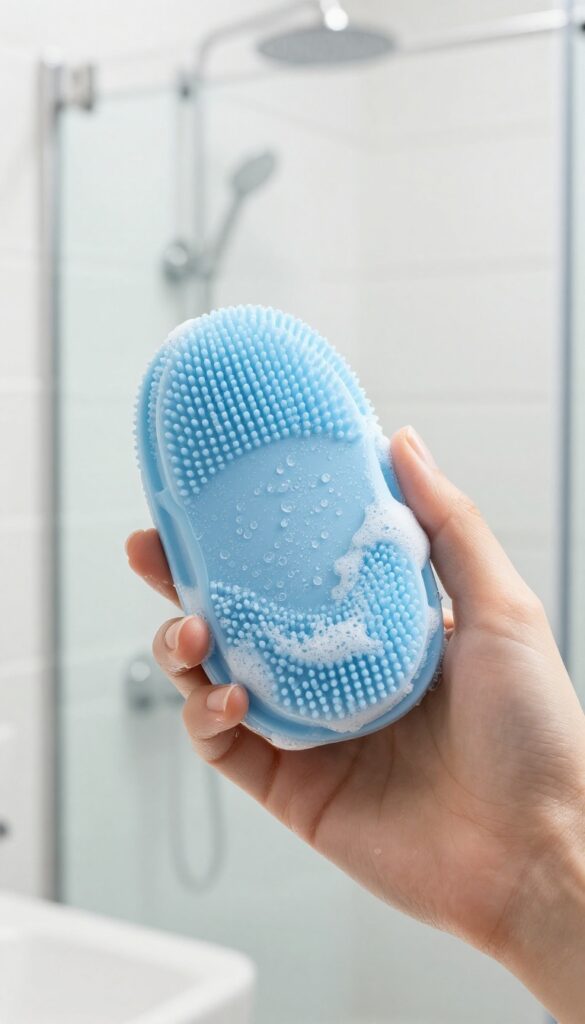
Your hands alone can only do so much. A good scrubber lifts soap into a rich lather and gently sloughs off dead skin, leaving you smoother. But not all tools are created equal—and some can turn into bacteria traps if you're not careful.
Choosing the right scrubber and caring for it properly makes a real difference in how your skin feels post-shower.
Loofah Vs. Silicone: Which One Wins?
Natural loofahs are great for gentle exfoliation, but they hold moisture and can breed bacteria quickly. Silicone scrubbers dry fast, resist mold, and are easy to clean—perfect for sensitive skin. If you prefer a loofah, just remember to replace it every month.
How To Keep Your Scrubber Clean
Rinse your scrubber thoroughly after each use and hang it in a dry spot away from the shower stream. Once a week, sanitize it by soaking in diluted vinegar or running it through the dishwasher. This simple habit prevents breakouts and keeps your tool working well.
5. Don't Over-Scrub—Let the Product Work
It's tempting to think that scrubbing harder means cleaner skin, but that's a fast track to irritation. Your cleanser and tools are designed to do the heavy lifting—you just need to guide them gently. Think of it like brushing your teeth: aggressive scrubbing doesn't get you cleaner, it just wears down enamel.
Same goes for your skin. Gentle, circular motions allow the product to lift dirt and oil without damaging your moisture barrier.
Why Pressure Doesn't Equal Clean
Your skin isn't a dirty pan that needs elbow grease. Modern cleansers contain surfactants that bind to oil and rinse it away. Scrubbing hard only disrupts your skin's protective layer, leading to redness, dryness, and even breakouts.
Trust the chemistry.
The Right Motion For Every Tool
Whether you're using a loofah, a silicone scrubber, or just your hands, always move in small, circular motions. This lifts dead cells without dragging or pulling. For exfoliating gloves or brushes, let the texture do the work—just glide, don't grind.
How To Know You're Overdoing It
If your skin feels tight, looks red, or stings after your shower, you're probably scrubbing too hard. Another sign: if your loofah or brush wears out quickly, you're applying too much force. Ease up and your skin will thank you.
6. Wash Your Body in the Right Order
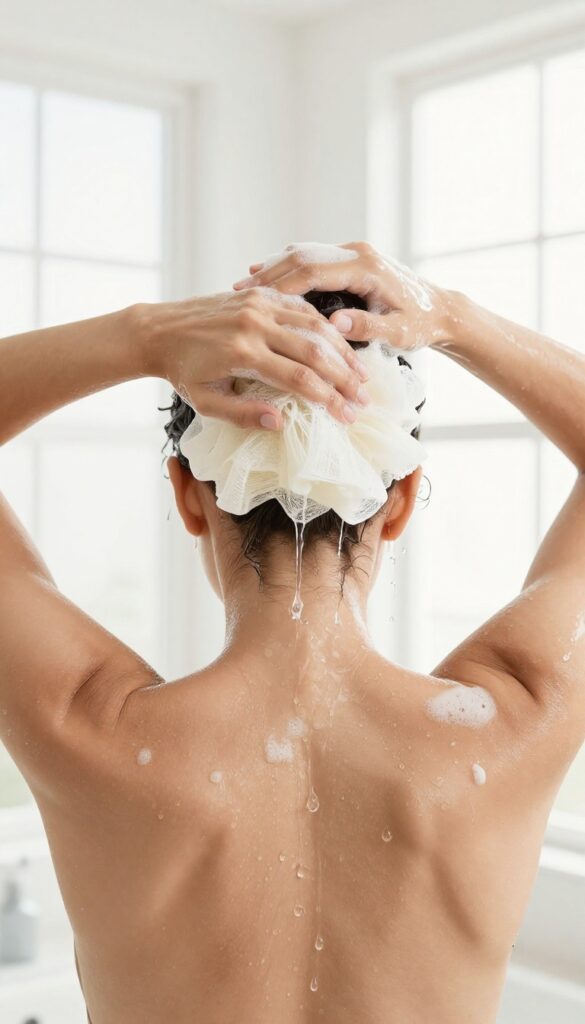
The order you wash in matters more than you think. If you shampoo and condition first, then wash your body, you're likely leaving residue on your back and chest that can clog pores and cause breakouts. A simple top-to-bottom approach keeps everything clean and clear.
Start With Shampoo And Conditioner
Wash your hair first, then apply conditioner and leave it in while you move on to the rest of your body. This gives the conditioner time to work without sitting on your skin.
Rinse Conditioner Before Body Wash
Rinse out your conditioner thoroughly before you start washing your body. This prevents any slippery residue from mixing with your body wash and spreading onto your skin.
Wash From Shoulders Down
Once your hair is rinsed, wash your body starting at your shoulders and working downward. This ensures any remaining product or dirt is carried away from your face and back.
Save Feet For Last
Leave your feet for the very end. Washing them earlier can spread bacteria to other areas, and doing them last keeps your entire body clean.
7. Rinse Thoroughly to Remove All Product
You might think rinsing is the easiest part of the shower, but it's often the most rushed. Leftover soap, shampoo, or conditioner clinging to your skin can lead to irritation, dryness, and even breakouts. Taking an extra minute to ensure every trace is gone makes a real difference for soft, healthy skin.
Rinsing thoroughly removes residue that can clog pores and strip natural oils. Pay special attention to areas where product tends to hide, like behind the ears, under the arms, and between toes. A quick rinse isn't enough—let the water run for a few extra seconds to wash everything away.
Why Residue Is A Problem
Soap and shampoo are designed to lift dirt and oil, but if they're not fully rinsed, they can sit on your skin and cause irritation. This is especially true for sensitive skin types. Over time, buildup can lead to dryness, itchiness, or even contact dermatitis.
How To Rinse Properly
Start from the top and work your way down. Let water run over each body part for at least 10 seconds. Use your hands to gently sweep away any remaining suds.
If you have long hair, tilt your head back to ensure conditioner doesn't run down your back and clog pores.
Signs You Didn't Rinse Enough
If your skin feels slippery or slightly sticky after drying, that's a sign of leftover product. A tight, filmy feeling or white residue on dark towels are other clues. If you notice these, extend your rinse time next shower.
8. Pat Dry, Don't Rub
How you dry off matters just as much as how you wash. Rubbing your skin with a towel might feel efficient, but it can strip away moisture and cause tiny tears in the skin barrier. Switching to a gentle patting motion helps lock in hydration and keeps your skin soft and smooth.
Why Rubbing Hurts
When you rub vigorously, you're essentially exfoliating your skin without control. This can lead to micro-tears, irritation, and increased dryness. The friction also removes the natural oils that help keep your skin supple.
The Patting Technique
After your shower, gently press a soft towel against your skin and lift. Repeat until you're mostly dry, but leave a bit of moisture behind. This helps your moisturizer absorb better and prevents that tight, stretched feeling.
Best Towels For The Job
Not all towels are created equal. Choose a towel made from microfiber or bamboo—they're gentler and more absorbent. Avoid rough terry cloth or old, scratchy towels that can aggravate sensitive skin.
9. Apply Moisturizer Within 3 Minutes of Drying
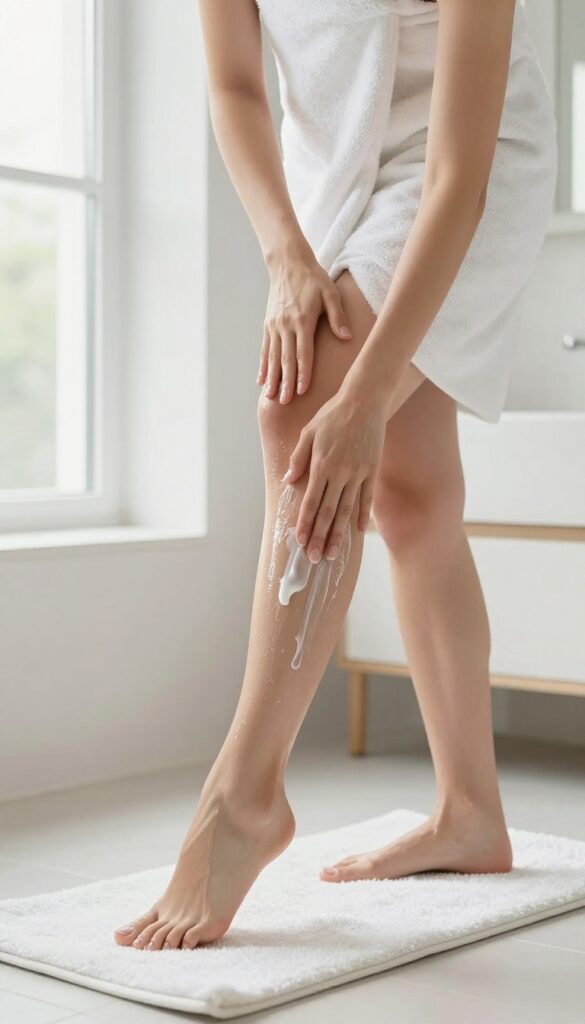
Timing is everything when it comes to locking in moisture. That post-shower window is your skin's prime time to absorb hydration, and missing it means letting all that dampness evaporate into thin air. The secret is simple: moisturize while your skin is still slightly damp.
This traps water on the surface and helps ingredients penetrate better, giving you that soft, bouncy feel that lasts all day.
The three-minute rule isn't just a gimmick—it's backed by how your skin barrier works. After a warm shower, your pores are open and your stratum corneum is hydrated. Applying lotion right after patting dry seals in that moisture before it escapes.
Waiting even ten minutes can reduce absorption significantly, leaving your skin drier than before. Keep a bottle of your favorite body lotion or oil right next to your towel. That way, you won't forget or get distracted.
A lightweight formula works well for daytime, while a richer cream can be a nighttime treat.
Why Damp Skin Works Better
When your skin is damp, it's more permeable. The water acts as a carrier, helping moisturizing ingredients glide deeper into the epidermis. Dry skin, on the other hand, repels lotion—it just sits on top and may feel greasy without actually hydrating.
How To Make It A Habit
Set a timer on your phone or keep your moisturizer in the shower caddy. After drying off with a few pats (not rubs), apply lotion immediately. Focus on driest areas like elbows, knees, and heels.
Doing this consistently for a week will make it feel automatic.
Product Tips For Best Results
Look for ingredients like glycerin, hyaluronic acid, or ceramides—they attract and lock in moisture. If you use a body oil, apply it before your lotion to seal everything in. And don't forget your hands and feet; they often get neglected but benefit hugely from this timing trick.
10. Choose a Body Lotion with Ceramides or Hyaluronic Acid
Not all body lotions are created equal, especially when you want lasting softness. Ceramides and hyaluronic acid are two powerhouse ingredients that work differently but complement each other perfectly. Ceramides help rebuild your skin's natural barrier, locking in moisture and keeping irritants out.
Hyaluronic acid draws water into the skin like a sponge, giving you that plump, dewy feel. Together, they're a dream team for smooth, resilient skin.
Why Ceramides Matter
Your skin's barrier is made up of lipids, and ceramides are a key part of that structure. When you shower, hot water and harsh soaps can strip these lipids away. Applying a lotion with ceramides helps patch up those gaps, so moisture stays in and dryness stays out.
Over time, your skin feels less reactive and looks healthier.
Hyaluronic Acid For Hydration
Hyaluronic acid is a humectant, meaning it pulls moisture from the air and deeper layers of your skin to the surface. That's why it's amazing for giving a quick hydration boost right after a shower, when your skin is still damp. Look for it in lightweight lotions or gel-creams if you dislike heavy textures.
How To Apply For Best Results
The golden rule: apply your lotion within three minutes of stepping out of the shower, while your skin is still slightly damp. This traps water on your skin and lets the ceramides and hyaluronic acid work more effectively. Don't rub vigorously—gently press or smooth the product in to avoid irritating your freshly cleansed skin.
11. Don't Forget Your Feet and Hands
Your feet and hands work hard all day, yet they're often the most neglected parts of a shower routine. They get dry, rough, and cracked easily because they have fewer oil glands. Giving them a little extra love in the shower and right after can make a huge difference in how soft they feel.
Exfoliate While You Wash
Use a gentle scrub or a pumice stone on your feet once or twice a week to slough off dead skin, especially on heels. For hands, a soft body scrub or even a washcloth can help smooth rough patches. Don't overdo it—you want to soften, not irritate.
Moisturize Immediately After Drying
Right after you pat your feet and hands dry, apply a rich cream or balm while the skin is still slightly damp. This locks in moisture better. For feet, focus on heels and any calloused areas.
For hands, don't forget cuticles—massage the cream into your nail beds to prevent hangnails.
Extra Care For Overnight Softness
For an intensive treatment, apply a thick layer of balm to your feet and hands before bed, then cover with cotton socks or gloves. This helps the product absorb deeply while you sleep. You'll wake up with noticeably softer, smoother skin.
12. Use a Separate Towel for Your Face and Body

That fluffy towel you use to dry your whole body might be sabotaging your face. Body towels harbor bacteria, dead skin cells, and leftover product residue that can easily transfer to your face, leading to clogged pores and breakouts. Keeping a separate towel for your face is a simple swap that protects your skin without any extra effort.
Using the same towel for face and body is like rubbing yesterday's dirt back into clean skin. Body towels collect more bacteria because they dry larger areas with more oil and sweat. When you pat your face with that towel, you're inviting those impurities onto freshly washed skin.
A separate face towel, washed frequently, keeps your complexion clear and reduces irritation.
Why Body Towels Break You Out
Your body has different bacteria and oil levels than your face. Towels used on the body pick up these microbes and can transfer them to facial skin, which is more sensitive and prone to breakouts. Even if you wash your body towel regularly, it's still riskier than using a dedicated face towel.
How To Set Up The Towel System
Designate one small towel just for your face and change it every two to three days. Hang it separately from your body towel to avoid cross-contamination. Use a different color or pattern so you never grab the wrong one.
Wash face towels with a gentle, fragrance-free detergent to avoid irritation.
Bonus: Pat, Don't Rub
When drying your face, gently pat the towel against your skin instead of rubbing. Rubbing can cause micro-tears and irritation, especially if your towel is rough. Patting preserves your skin barrier and helps keep moisture locked in.
13. Clean Your Shower Tools Regularly
Your loofah, razor, and shower brush might be doing more harm than good if you never clean them. Bacteria, mold, and dead skin cells build up fast in warm, damp conditions. That grime gets rubbed right back onto your skin, causing breakouts, irritation, or even infections.
Loofahs And Poufs
Replace natural loofahs every 3–4 weeks and synthetic poufs every 2 months. Rinse them thoroughly after each use and hang to dry away from moisture. Once a week, soak in a diluted bleach solution or run through the washing machine on hot.
Shower Brushes
Bristle brushes collect soap scum and dead skin. Rinse after every use and deep clean monthly by soaking in warm water with a few drops of tea tree oil or antibacterial soap. Let dry completely before storing.
Razors
Rinse blades after each stroke and store in a dry spot. Swap cartridges every 5–7 shaves or sooner if they feel dull. Disinfect the handle with rubbing alcohol once a week to prevent bacteria buildup.
14. Try a Cool Rinse at the End

You've probably heard that a cold rinse can wake you up, but it also does wonders for your skin. A quick blast of cool water at the end of your shower tightens pores, reduces inflammation, and gives your circulation a boost. That extra rush of blood brings oxygen and nutrients to the surface, leaving you with a healthy, natural glow.
It doesn't have to be icy—just cooler than your usual shower temperature. Aim for 30 to 60 seconds, focusing on areas where you tend to get redness or irritation. Your skin will feel firmer and look more even-toned almost immediately.
Why It Works
Cold water causes your blood vessels to constrict, which reduces puffiness and calms inflammation. When you step out, they dilate again, improving circulation and giving your skin that fresh, rosy look. It also helps seal in moisture by closing pores, so your post-shower products absorb better.
How To Make It Comfortable
Start with a warm shower as usual, then gradually lower the temperature in the last minute. You don't have to stand under a freezing stream—just let the cool water run over your body for a few seconds. If that's too intense, try a cold splash on your face and neck only.
Best For Oily Or Acne-prone Skin
If you struggle with body breakouts or excess oil, a cool rinse can help balance sebum production without stripping your skin. It also soothes razor burn and redness after shaving. Just remember to pat dry gently afterward—no vigorous rubbing.
15. Shower at the Right Time of Day
Believe it or not, when you shower can make a real difference in how your skin feels. Evening showers wash away the day's dirt, oil, and allergens, letting your skin breathe overnight. Morning showers can jolt you awake and kickstart circulation.
The best choice depends on your skin type and lifestyle.
Evening Showers For Deep Clean
If you commute, exercise, or spend time outdoors, an evening shower removes pollutants and sweat that can clog pores and cause irritation. Your skin gets a chance to recover while you sleep, especially if you follow up with a moisturizer. Plus, you'll keep your sheets cleaner.
Morning Showers For A Fresh Start
A morning rinse can wake you up and boost blood flow, giving your skin a natural glow. It's also great if you have oily skin, as it clears overnight buildup. Just keep the water lukewarm—hot water can strip natural oils and leave you dry before the day even starts.
Your Skin Type Matters
Dry or sensitive skin often does better with evening showers because they avoid stripping moisture right before you face the elements. Oily or acne-prone skin might prefer morning showers to control shine. Listen to your skin and adjust as needed.
16. Keep Your Shower Short—Under 10 Minutes
Long, hot showers might feel relaxing, but they're actually one of the fastest ways to strip your skin of its natural moisture barrier. When you linger under the spray, water temperature and duration work together to break down the lipids that keep your skin soft and supple. The result?
Dryness, irritation, and that uncomfortable tight feeling after you step out.
Aim for 5 to 10 minutes max. That's plenty of time to cleanse, exfoliate, and rinse without overdoing it. If you're someone who loves a long shower, try setting a timer or playing a short song to keep yourself on track.
Your skin will thank you with a healthier, more hydrated appearance.
Why Short Showers Work
Your skin's natural oils are its first line of defense. Prolonged exposure to water, especially hot water, emulsifies these oils and washes them away. A shorter shower limits the damage, preserving your skin's barrier and keeping moisture locked in.
How To Make The Most Of A Quick Shower
Be efficient: wet your body, apply cleanser, exfoliate if needed, and rinse. Use a timer if you tend to lose track. If you want to relax, save the longer soak for a weekly bath with added oils or colloidal oatmeal to counteract dryness.
17. Listen to Your Skin and Adjust Seasonally
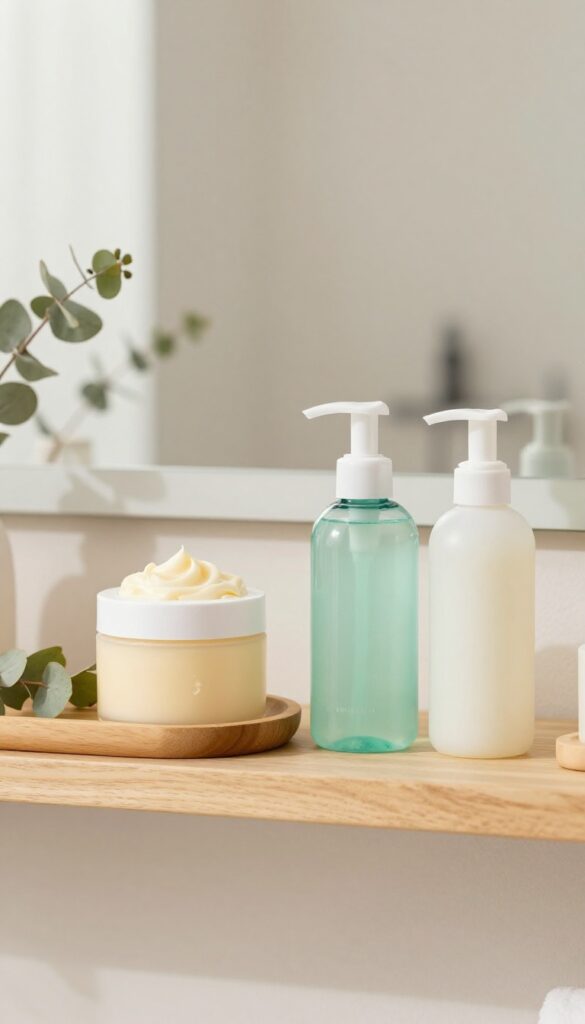
Your skin isn't the same in July as it is in January, so why treat it the same way? Just like you switch your wardrobe for the weather, your shower routine should shift with the seasons. Paying attention to how your skin feels—tight after a wash, or greasy by midday—tells you exactly what it needs.
When the air gets cold and dry, your skin craves richer, more nourishing products. In humid summer months, it prefers lightweight hydration that won't clog pores. This isn't complicated—it's just about being observant and flexible.
Winter: Go Rich And Creamy
Cold air and indoor heating strip moisture fast. Swap your lightweight body wash for a creamy, oil-based formula. Follow up with a thick body butter or balm while your skin is still damp to lock in hydration.
Your elbows and knees will thank you.
Summer: Keep It Light And Fresh
Heat and humidity mean your skin produces more oil naturally. Switch to a gentle, sulfate-free gel cleanser that won't strip your barrier. A lightweight lotion or gel moisturizer is enough—heavy creams can feel sticky and may lead to breakouts.
Watch For Transition Signs
Your skin will give you clues. If it feels tight after drying, you need more moisture. If your usual moisturizer sits on top instead of absorbing, it's time to lighten up.
Adjust gradually—don't overhaul everything overnight.
FAQ
How often should I exfoliate my body?
Exfoliate 2-3 times per week. Over-exfoliating can irritate skin, while too little leaves dead cells that cause dullness.
Is hot water bad for your skin?
Yes, hot water strips natural oils, leading to dryness and irritation. Stick to lukewarm water for a gentle clean.
Should I moisturize right after shower?
Absolutely. Apply lotion within 3 minutes of patting dry to lock in moisture and keep skin soft.
Can I use bar soap on my body?
Bar soaps can be drying due to high pH. If you prefer bars, choose a moisturizing, glycerin-based option.
How do I prevent dry skin in winter?
Use a cream-based moisturizer, avoid long hot showers, and consider a humidifier to add moisture to the air.
Conclusion
Transforming your shower routine doesn't mean adding a dozen new steps overnight. Start with just two or three habits that feel manageable—maybe a gentle exfoliating mitt or a quick cool rinse—and build from there. Your skin will respond to the consistency, not the complexity.
These small rituals quickly become second nature, turning your daily shower into a moment of genuine self-care. Smooth, soft skin is simply the reward for showing up consistently, one shower at a time.