Imagine stepping out of a tropical shower, your skin feeling like silk, thanks to a centuries-old secret. In Indonesia, body care isn't just a routine—it's a way of life, passed down through generations. These habits, rooted in natural ingredients and mindful practices, are the reason many Indonesians enjoy smooth, glowing skin.
From the famous lulur scrub to the humble coconut oil, these rituals are simple yet powerful. They focus on nourishing the skin from the outside in, using what nature provides.
You don't need fancy products or expensive treatments; just a willingness to embrace these time-tested methods. Ready to transform your body care routine?
1. Start with a Warm Shower, Not Hot

A hot shower might feel relaxing, but it's secretly stealing your skin's moisture. In Indonesia, where the climate is already warm, people keep the water temperature mild. This simple switch helps your skin hold onto its natural oils, leaving it softer and less prone to dryness.
The idea is straightforward: turn down the heat. Hot water breaks down the lipid barrier on your skin, which acts like a shield to keep moisture in. Once that barrier is compromised, water escapes and your skin feels tight and itchy.
A warm shower cleanses just as well without the damage.
Why Hot Water Is A Moisture Thief
When you shower with very hot water, it strips away the natural oils that keep your skin supple. Over time, this leads to dryness, flakiness, and even irritation. Warm water, on the other hand, opens pores just enough to wash away dirt without disturbing the skin's protective layer.
The Indonesian Approach To Bathing
In Indonesia, bathing is often done with a small bucket and dipper, which naturally encourages shorter, cooler showers. Water is usually at room temperature or slightly warm. This habit not only saves energy but also preserves skin moisture.
It's a practical way to keep skin healthy in a hot, humid climate.
How To Adjust Your Shower Temperature
Aim for lukewarm water—just above body temperature. Test it with your wrist; it should feel comfortable, not scalding. If you love a hot shower, try ending with a cool rinse to seal in moisture.
Also, keep your shower time under 10 minutes to minimize moisture loss.
2. Use a Natural Body Scrub Like Lulur
When your skin starts feeling dull or rough, a good scrub can bring it back to life. In Indonesia, lulur has been the go-to exfoliator for centuries, especially before weddings or big ceremonies. It’s a simple blend of ground rice, turmeric, and other spices, but the results are anything but basic.
Lulur works by gently sloughing off dead skin cells while the turmeric brightens and evens out your tone. The rice powder polishes, leaving skin incredibly smooth. Unlike harsh chemical scrubs, this natural mix is gentle enough for most skin types, and it smells like a warm, earthy spice market.
Lulur is more than just a scrub—it’s a ritual. Traditionally, it’s applied all over the body, left to dry for a few minutes, and then rubbed off in circular motions. The turmeric gives your skin a subtle golden glow, while the rice powder buffs away roughness.
Many Indonesian women use lulur once or twice a week to keep their skin soft and radiant. You can find lulur in local markets or make your own at home. The key is to use fresh, high-quality ingredients.
When you apply it, take your time and massage in gentle circles, focusing on dry areas like elbows and knees. Rinse off with warm water, and follow up with a moisturizer to lock in the glow.
What Makes Lulur So Effective?
The magic lies in the combination of rice and turmeric. Rice powder acts as a fine abrasive that removes dead skin without scratching. Turmeric contains curcumin, which has anti-inflammatory and brightening properties.
Some recipes also include sandalwood or tamarind for extra smoothing and a fresh scent.
How To Use Lulur The Right Way
Start with clean, slightly damp skin. Apply the lulur paste in a thick layer, avoiding your face. Let it sit for about 10–15 minutes until it starts to dry.
Then, using your palms, rub it off in firm, circular motions. Rinse thoroughly and pat dry. Always moisturize afterward to seal in the benefits.
Diy Lulur Recipe For Soft Skin
Mix 1/2 cup of rice flour, 1 teaspoon of ground turmeric, and a splash of milk or water to form a paste. Add a few drops of essential oil if you like. That’s it.
Use it once a week, and you’ll notice your skin feels smoother and looks more radiant.
3. Apply Coconut Oil Right After Bathing
Coconut oil is a staple in Indonesian skincare, and for good reason. It's not just about slathering it on—it's about when you apply it. The trick is to catch your skin while it's still damp from the shower.
That's when coconut oil works its magic, locking in moisture and leaving you with a soft, dewy glow.
The secret to smooth, glowing skin isn't a fancy product—it's timing. In Indonesia, coconut oil is applied right after bathing, while the skin is still slightly wet. This simple habit helps seal in hydration and keeps your skin feeling soft all day long.
Why Damp Skin Matters
When your skin is damp, it's more receptive to moisture. Coconut oil acts like a barrier, trapping that water in your skin cells. This prevents dryness and keeps your skin plump and supple.
It's a simple science that makes a huge difference.
How To Apply It Right
After stepping out of the shower, pat your skin dry gently—leave it slightly damp. Warm a small amount of coconut oil in your palms, then massage it over your body in circular motions. Focus on dry areas like elbows and knees.
Let it absorb for a few minutes before getting dressed.
4. Try a Coffee Ground Scrub for Cellulite
If you've ever wondered how to tackle those stubborn dimples, coffee might be your new best friend. In Indonesia, used coffee grounds are often saved and turned into a body scrub that's both affordable and effective. The caffeine and coarse texture work together to boost circulation and smooth out skin, making it a favorite at-home treatment.
Making your own coffee scrub is ridiculously easy. Just mix used coffee grounds with a bit of coconut oil or honey to form a paste. Massage it onto damp skin in circular motions, focusing on areas like thighs and buttocks.
Rinse off with warm water, and you'll notice an immediate glow and a temporary tightening effect.
Why Coffee Works
Caffeine is a natural vasodilator, meaning it widens blood vessels and improves blood flow. This helps reduce the appearance of cellulite by plumping the skin and reducing fluid retention. The gritty texture of coffee grounds also acts as a physical exfoliant, sloughing off dead skin cells and leaving your skin feeling smoother.
How To Make Your Own Scrub
All you need is half a cup of used coffee grounds, two tablespoons of coconut oil (or any carrier oil), and a tablespoon of honey if you want extra moisture. Mix everything in a bowl until it forms a thick paste. Use it in the shower, gently scrubbing for a few minutes before rinsing.
Store any leftovers in the fridge for up to a week.
When To Scrub
For best results, use this scrub two to three times a week. Avoid doing it right after shaving or on broken skin, as the caffeine and friction can irritate. Morning is a great time because the caffeine can give you a subtle energy boost and help wake up your skin.
5. Use Rice Water as a Gentle Toner
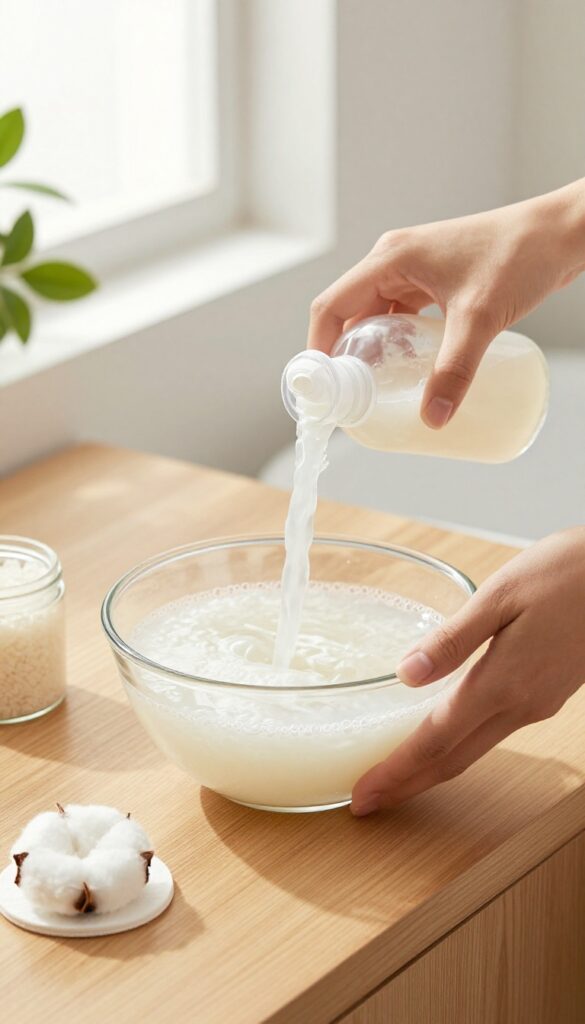
Rice water isn't just for cooking—it's a skincare secret that's been used in Indonesia for ages. When you wash rice, the water that turns milky is packed with vitamins, minerals, and antioxidants. It works as a natural toner that helps tighten pores and brighten your skin.
Applying rice water is super easy. After washing rice, save the water and let it sit for a few minutes. Then, soak a cotton pad and swipe it over your face and body after cleansing.
You can also pour it into a spray bottle and mist it on for a refreshing boost.
Why Rice Water Works
Rice water contains inositol, which helps improve blood circulation and promotes cell growth. It also has vitamin B, vitamin E, and minerals that nourish and soften the skin. Regular use can help even out your skin tone and give you a natural glow.
How To Make And Use It
To make rice water, rinse a cup of rice to remove impurities, then soak it in fresh water for about 30 minutes. Strain the liquid and store it in the fridge for up to a week. Use it as a toner after cleansing, or as a refreshing mist throughout the day.
Tips For Best Results
For best results, use rice water consistently, ideally twice a day. You can also mix it with a few drops of essential oil for a pleasant scent. If you have sensitive skin, do a patch test first.
And remember, fresh rice water works better than fermented, so make small batches.
6. Bathe with Green Tea Bags
After a long day, your skin can feel tired and irritated. Instead of reaching for a chemical-laden bath bomb, consider a simple green tea soak. This Indonesian-inspired habit is all about letting antioxidants do their magic while you unwind.
Green tea is packed with polyphenols that calm inflammation and fight free radicals. When you add a few tea bags to your bath, you're essentially creating a soothing, skin-loving infusion. It’s a gentle way to pamper yourself without any harsh ingredients.
Green tea isn't just for drinking. Its anti-inflammatory properties can help reduce redness and puffiness, while the antioxidants work to protect your skin from environmental stressors. A green tea bath is especially nice after sun exposure or a workout, as it helps your skin recover and feel refreshed.
To get the most out of your soak, use 3-4 green tea bags (or loose leaves in a muslin bag) and let them steep in the warm water for about 5 minutes before you get in. Soak for 15-20 minutes, then pat your skin dry—no need to rinse off, as you want to leave the tea's benefits on your skin.
Why Green Tea Works
Green tea contains catechins, a type of antioxidant that helps fight inflammation and protect skin cells. These compounds can soothe conditions like eczema or minor rashes, and they also help slow down the signs of aging by neutralizing free radicals. Plus, the mild caffeine in green tea can help tighten and tone the skin, giving you a subtle firming effect.
How To Take A Green Tea Bath
Fill your tub with warm (not hot) water, then add 3-4 green tea bags or a handful of loose leaves in a muslin bag. Let them steep for 5 minutes so the water becomes infused. Hop in and relax for 15-20 minutes.
Afterward, pat your skin dry gently—no need to rinse. For an extra boost, you can add a few drops of lavender essential oil to enhance the calming experience.
When To Do It
This ritual is perfect for a weekly treat, especially after a stressful day or when your skin feels a bit dull. It's also great after a long flight or a day in the sun, as it helps calm and rehydrate your skin. Just make sure you're not using very hot water, which can strip away natural oils—warm water is key to keeping your skin soft and supple.
7. Incorporate Turmeric in Your Body Mask
Turmeric isn't just for adding color to your dishes—it's a skincare powerhouse. In Indonesia, this golden spice has been used for centuries to brighten and soothe the skin. The active compound, curcumin, helps reduce inflammation and even out skin tone, making it a natural choice for a body mask.
Why Turmeric Works
Turmeric's anti-inflammatory properties calm redness and irritation, while its antioxidants fight free radicals that cause dullness. It also inhibits melanin production, which helps fade dark spots and hyperpigmentation. The result?
A more even, radiant complexion.
The Classic Indonesian Mix
A traditional mask combines turmeric powder with yogurt and honey. Yogurt provides lactic acid for gentle exfoliation, while honey moisturizes and adds antibacterial benefits. Mix one teaspoon of turmeric, two tablespoons of yogurt, and one tablespoon of honey into a smooth paste.
How To Apply For Best Results
Apply the mask to clean, damp skin, focusing on areas with uneven tone or dark spots. Leave it on for 15–20 minutes, then rinse with lukewarm water. Use it once or twice a week, and always do a patch test first—turmeric can temporarily stain skin yellow, so don't panic if you see a slight tint.
8. Massage with Warm Oil Before Showering
A pre-shower massage with warm oil is a ritual that does more than just relax your muscles. It's a moment to slow down and let your skin drink in nourishment. In Indonesia, this practice is often done with coconut or almond oil, which are rich in vitamins and fatty acids that help maintain softness and elasticity.
Warming the oil slightly makes it easier to spread and helps it absorb better. As you massage, the warmth opens up your pores, allowing the oil to penetrate deeper. This not only conditions your skin but also improves circulation, giving you a healthy glow.
Why Warm Oil Works
Warm oil feels comforting and helps relax tense muscles, easing stress from the day. The heat also boosts blood flow, which brings oxygen and nutrients to your skin cells. This makes your skin look more vibrant and feel softer after just one session.
Choosing The Right Oil
Almond oil is lightweight and great for normal to dry skin, while jojoba oil mimics your skin's natural sebum, making it ideal for balancing oil production. Coconut oil is a classic choice, especially for very dry skin, because it's thick and deeply moisturizing. Pick one that suits your skin type and preference.
How To Massage For Best Results
Start from your feet and work upward toward your heart, using long, gentle strokes. Spend extra time on dry areas like elbows and knees. Massage for about 5–10 minutes before hopping into the shower.
The oil will stay on your skin and keep it hydrated even after you rinse.
9. Use a Loofah or Bath Glove for Dry Brushing
Dry brushing might sound like a fancy spa treatment, but it's actually a simple habit that many Indonesians swear by. Using a natural bristle brush or a textured bath glove before you shower can do wonders for your skin. It’s not just about exfoliating—it’s about boosting circulation and waking up your whole body.
Start with a dry brush or a bath glove and gently sweep it over your skin in long, upward strokes toward your heart. Do this before you hop in the shower, and you’ll notice your skin feels smoother and looks more radiant. It’s a quick step that fits easily into your routine, and the results are worth the extra minute or two.
Why Dry Brushing Works
Dry brushing stimulates your lymphatic system, which helps your body flush out toxins. The bristles also slough off dead skin cells, leaving a fresh layer that absorbs moisture better. Plus, the gentle friction boosts blood flow, giving your skin a healthy, natural glow.
Choosing The Right Tool
Look for a brush with natural bristles, like sisal or boar, and a long handle so you can reach your back. If you prefer a bath glove, choose one with a textured surface that’s not too rough. The goal is to exfoliate without irritating your skin, so test on a small area first.
How To Fit It Into Your Routine
Dry brush right before your shower, when your skin is completely dry. Spend about two minutes covering your whole body, starting from your feet and moving upward. After you rinse off, follow with a moisturizer or body oil to lock in the benefits.
Do this two or three times a week for best results.
10. Apply Aloe Vera Gel for Sunburn Relief
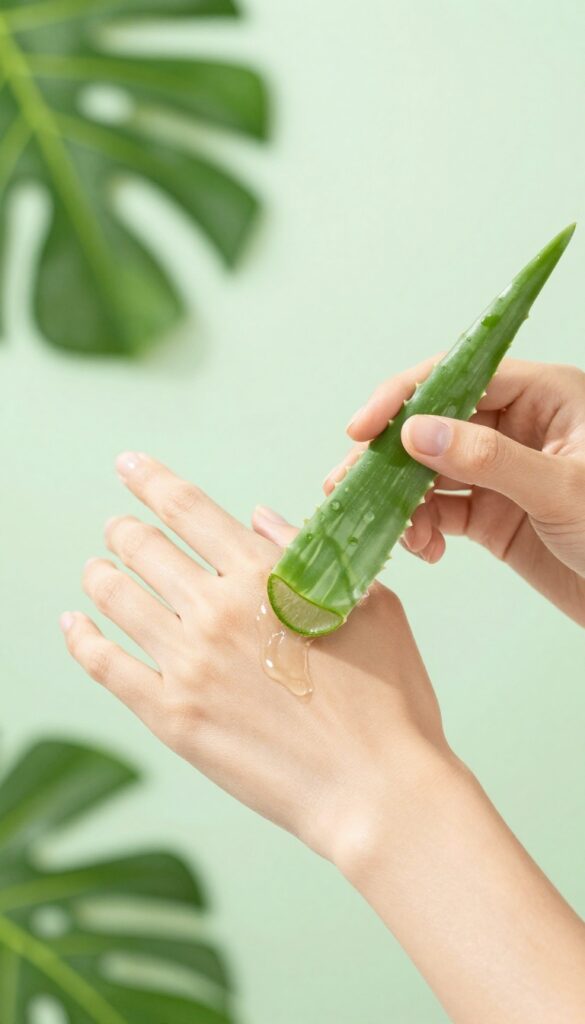
After a day under the tropical sun, your skin might feel hot and angry. That's where aloe vera comes in—a plant that's practically a first-aid kit in your backyard. Indonesians have relied on its cooling gel for generations to calm sunburn and keep skin soft.
Aloe vera isn't just a trendy ingredient; it's a natural healer. The gel inside the leaves is packed with water, vitamins, and antioxidants that soothe inflammation and speed up repair. When you apply it to sunburned skin, it feels like a refreshing drink for your parched cells.
Why It Works So Well
The gel's high water content hydrates deeply, while compounds like aloin and polysaccharides reduce redness and promote healing. It also forms a protective layer that locks in moisture, preventing the peeling that often follows a burn.
How To Use It The Indonesian Way
Cut a fresh aloe leaf, scoop out the gel, and apply it directly to the affected areas. Leave it on for 20 minutes, then rinse with cool water. For an extra boost, store the gel in the fridge—the cold enhances the soothing effect.
When To Skip It
If you have an open wound or a severe burn, skip the DIY route and see a doctor. Aloe is great for mild sunburn, but it's not a substitute for medical care in serious cases.
11. Take a Milk Bath for Softness
Milk baths aren't just a luxury from old Hollywood movies—they're a real beauty secret in Indonesia. A cup of milk in your bathwater can do wonders for your skin, thanks to lactic acid, a natural exfoliant that gently removes dead skin cells. The result?
Skin that feels softer and looks smoother after just one soak.
Adding milk to your bath is one of the simplest ways to pamper your skin. The lactic acid in milk helps dissolve the glue that holds dead skin cells together, so they rinse away easily. This leaves your skin feeling baby-soft without any harsh scrubbing.
Plus, the fat and proteins in milk help moisturize and soothe dry, irritated skin.
Why Milk Works
Lactic acid is an alpha-hydroxy acid (AHA) that's gentle enough for most skin types. It exfoliates by loosening dead skin cells on the surface, revealing fresher, brighter skin underneath. The natural fats in milk also help lock in moisture, making your skin feel supple and hydrated.
How To Do It Right
Start with warm (not hot) water, and add 1 to 2 cups of whole milk or buttermilk. Swirl it around, then soak for 15–20 minutes. Rinse off with plain warm water and pat your skin dry.
Follow up with a light moisturizer to seal in the softness.
Extra Tips For Best Results
For an extra boost, mix in a few drops of honey or a splash of coconut oil. If you have sensitive skin, do a patch test first. And don't overdo it—once or twice a week is plenty to keep your skin smooth without stripping its natural oils.
12. Use Pandan Leaves for a Natural Fragrance
Pandan leaves are a staple in Indonesian kitchens, but their use goes beyond cooking. The sweet, grassy scent they release when boiled is both calming and refreshing. Adding them to your bath is a simple way to bring a spa-like touch to your routine.
This habit is especially popular in rural areas where fresh pandan is easy to find. The natural fragrance lingers on your skin for hours, leaving you smelling fresh without any synthetic perfumes.
Using pandan leaves in your bath is straightforward and requires minimal effort. Just a handful of fresh leaves can transform your regular soak into a fragrant ritual. The best part?
It's gentle on sensitive skin and free from harsh chemicals. Beyond fragrance, pandan leaves are believed to have cooling properties, which can soothe irritated skin. While scientific evidence is limited, the practice has been trusted for generations.
It's a lovely, natural way to end a long day.
How To Prepare A Pandan Bath
Start by rinsing 5-6 fresh pandan leaves and tying them into a loose knot. Drop them into a pot of boiling water and let them simmer for about 10 minutes. The water will turn a light green and release a wonderful aroma.
Pour the strained liquid into your bathwater, adding the leaves as well if you like. The scent will fill the room, and your skin will absorb the subtle fragrance. This works beautifully as a pre-bedtime soak.
Pandan As A Natural Perfume
If a full bath isn't possible, you can still enjoy pandan's scent. Boil a few leaves in a small pot and let the steam waft through your bathroom. Alternatively, place a fresh leaf in your shower caddy; the warm water will release its aroma as you bathe.
Some people even rub a freshly crushed pandan leaf on their pulse points—wrists and neck—for a quick, natural fragrance. It's a gentle alternative to commercial perfumes, especially in hot weather.
Where To Find Pandan Leaves
Pandan leaves are common in Asian grocery stores, often sold fresh or frozen. If you don't have access to them, you can substitute with pandan extract or essence, but the fresh leaves give the best scent. In Indonesia, they're often grown in home gardens, so they're always within reach.
If you're adventurous, you can even grow your own pandan plant indoors. It thrives in warm, humid conditions and adds a tropical touch to your home.
13. Exfoliate with Sea Salt and Honey
Sea salt and honey might sound like an odd pair, but together they make a scrub that's both gritty and soothing. The salt buffs away dead skin cells, while honey steps in to calm and protect. It's a combo that leaves your skin feeling polished, not stripped.
This DIY scrub is a favorite in Indonesian households because it uses two simple ingredients you probably already have. The salt gives you that satisfying scrub, and the honey keeps things gentle. Plus, it's quick to mix up right before you hop in the shower.
Why Sea Salt Works
Sea salt is coarser than regular table salt, which makes it a great natural exfoliant. It helps slough off rough patches, especially on elbows, knees, and heels. The minerals in sea salt, like magnesium and calcium, also help draw out impurities and boost circulation.
The Magic Of Honey
Honey isn't just sweet—it's antibacterial and full of antioxidants. That means it helps keep your skin clean while locking in moisture. Raw honey is best, but any pure honey will do.
It also has a thick texture that helps the salt stick to your skin without falling off.
How To Make And Use The Scrub
Mix two parts sea salt with one part honey in a small bowl. You can add a few drops of your favorite essential oil for a nice scent, but it's optional. Apply it to damp skin in gentle circular motions, focusing on rough areas.
Rinse with warm water and pat dry. Use it once or twice a week to keep your skin smooth without over-exfoliating.
14. Apply a Banana and Avocado Mask
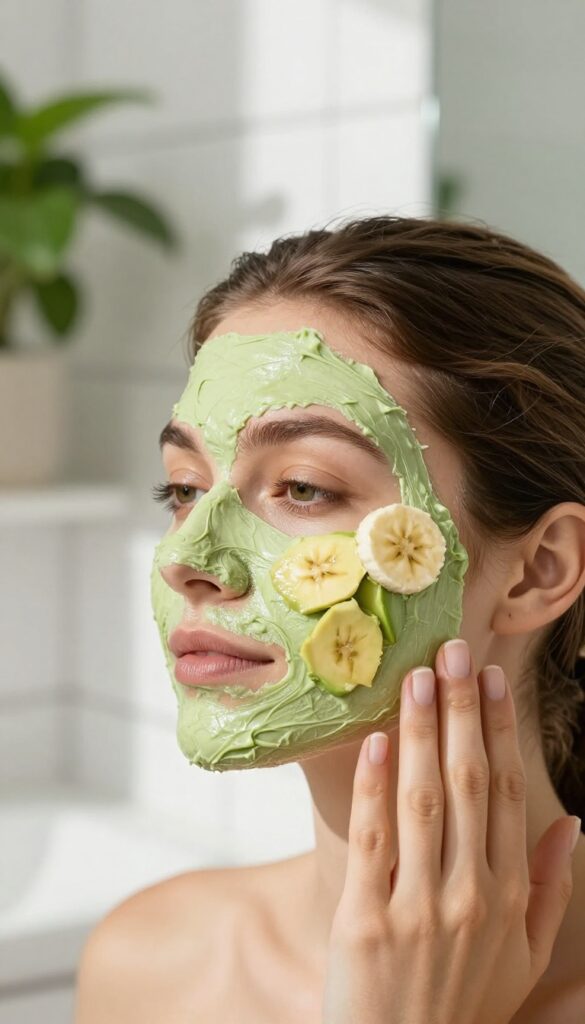
When your skin feels tight and dull, a banana and avocado mask is like a tall drink of water for your face and body. These two kitchen staples are packed with vitamins and healthy fats that soak right in, leaving your skin soft and happy. It's a favorite DIY treatment in Indonesia, where fresh fruit is always within reach.
Mashing a ripe banana with half an avocado gives you a creamy, spreadable mask that feels as good as it smells. The banana brings potassium and moisture, while the avocado delivers nourishing oils and vitamin E. Together, they calm dry patches and give your skin a gentle glow.
To use it, smooth the mixture over clean skin and let it sit for about 15 minutes. Rinse with warm water and pat dry. Your skin will feel noticeably smoother right away, and with regular use, it stays soft and supple.
Why It Works
Bananas are rich in potassium and natural sugars that help lock in moisture, while avocados are loaded with oleic acid and vitamins A, D, and E. These ingredients work together to repair the skin barrier and reduce dryness, making them a perfect match for rough or flaky areas.
How To Make It
Use one ripe banana and half a ripe avocado. Mash them together until smooth, adding a teaspoon of honey if you want extra hydration. Apply the mask to your body, focusing on dry spots like elbows and knees, and leave it on for 15 minutes before rinsing off with lukewarm water.
When To Use It
This mask is great for a weekly treat, especially during dry seasons or after long sun exposure. It's gentle enough for most skin types, but do a small patch test first if you have sensitive skin. Use it in the evening so your skin can soak up all the goodness overnight.
15. Use a Body Lotion with Natural Ingredients
The right body lotion can make all the difference, especially when it's packed with natural ingredients. In Indonesia, many lotions rely on shea butter, cocoa butter, or aloe vera—each a powerhouse for deep moisture. These ingredients work with your skin, not against it, leaving it soft and supple without any greasy residue.
When you choose a lotion with natural ingredients, you're giving your skin exactly what it needs to stay hydrated. Shea butter is rich in vitamins and fatty acids, making it perfect for repairing dry patches. Cocoa butter is another favorite, known for its intense moisturizing and ability to improve skin elasticity.
Aloe vera soothes and cools, ideal for calming irritated skin after sun exposure.
Why Natural Ingredients Matter
Natural ingredients are closer to what your skin recognizes, so they absorb better and cause fewer reactions. They often contain antioxidants and nutrients that synthetic formulas lack. Plus, they're better for the environment, which is a bonus.
How To Choose The Right One
Check the label for these key ingredients and avoid harsh chemicals like parabens or artificial fragrances. Look for lotions that list shea butter, cocoa butter, or aloe as one of the first ingredients. If you have sensitive skin, patch test first to ensure it agrees with you.
Application Tips For Best Results
Apply lotion right after a shower while your skin is still slightly damp—this locks in moisture. Use upward strokes to boost circulation, and don't forget often-neglected areas like elbows and knees. A little goes a long way, so start with a small amount and add more if needed.
16. Drink Plenty of Water and Herbal Teas
Your skin is the largest organ, and it shows what you put inside. In Indonesia, staying hydrated isn't just about quenching thirst—it's a beauty ritual. Locals sip water throughout the day and brew herbal teas from ginger, lemongrass, or turmeric to keep their skin plump and clear.
These drinks do more than hydrate; they deliver antioxidants and anti-inflammatory compounds that calm skin from within. A well-hydrated body means softer, more elastic skin, and fewer dry patches. It's the simplest habit on this list, but maybe the most powerful.
Hydration is the foundation of glowing skin. When you drink enough fluids, your skin cells function better, and your complexion looks fresher. Indonesian women often start their day with a warm glass of water with lemon, then switch to herbal teas throughout the day.
These teas not only add variety but also bring extra skin-loving benefits. Ginger tea helps improve circulation, giving your skin a healthy flush. Lemongrass tea acts as a natural diuretic, reducing puffiness.
Turmeric tea, with its curcumin content, fights inflammation and may even help with acne. By replacing sugary drinks with these herbal infusions, you cut out toxins and boost your skin's natural glow. It's not about chugging gallons—it's about consistent, mindful sipping.
Carry a water bottle, set reminders, and brew a pot of herbal tea to keep on your desk. Your skin will thank you.
Why Hydration Matters For Skin
Dehydrated skin looks dull and feels tight. When you're not drinking enough, your skin loses elasticity and fine lines become more noticeable. Water helps maintain the skin's moisture barrier, keeping it soft and supple.
In Indonesia's tropical climate, staying hydrated is even more crucial because you lose fluids through sweat. So, drinking water isn't just a health tip—it's a beauty essential.
Best Herbal Teas For Skin
Ginger tea: boosts circulation and adds a natural glow. Lemongrass tea: reduces puffiness and detoxifies. Turmeric tea: calms inflammation and brightens skin.
Hibiscus tea: rich in vitamin C, supports collagen production. You can brew these fresh or use dried versions. Add a little honey for taste, but skip the sugar to keep your skin clear.
How To Make It A Habit
Start your morning with a glass of water before coffee. Keep a water bottle on your desk as a visual cue. Replace one sugary drink a day with herbal tea.
Set a reminder on your phone every two hours. Small changes add up. Before you know it, you'll be naturally reaching for that glass of water or warm tea without thinking.
17. Eat a Diet Rich in Fruits and Vegetables
Your skin is the largest organ, and it shows what you put inside. In Indonesia, the abundance of tropical fruits and vegetables isn't just a culinary delight—it's a beauty secret. Eating a rainbow of produce provides the vitamins and antioxidants that keep skin soft, supple, and glowing from within.
A diet rich in fruits and vegetables is a cornerstone of Indonesian skin care. These foods are packed with antioxidants that fight free radicals, which can damage skin cells and accelerate aging. By incorporating more of these into your meals, you're not just nourishing your body—you're feeding your skin.
The Power Of Antioxidants
Antioxidants like vitamins A, C, and E are abundant in many tropical fruits. Papaya, for instance, is loaded with vitamin C and an enzyme called papain, which can help brighten skin and reduce blemishes. Mangoes offer beta-carotene, which your body converts to vitamin A, promoting cell turnover and a healthy glow.
Hydration From The Inside
Many fruits and vegetables have high water content, which helps keep your skin hydrated from within. Cucumbers, watermelon, and oranges are excellent choices. Proper hydration plumps up skin cells, reducing the appearance of fine lines and giving your skin a dewy, fresh look.
Easy Ways To Add More
Start your day with a fruit salad or a smoothie. Snack on carrot sticks or bell pepper slices with hummus. Add leafy greens like spinach or kangkung to your stir-fries and soups.
The goal is to fill half your plate with fruits and veggies at every meal—simple, but effective.
18. Use a Face Mask on Your Body Too
Your face isn't the only part of you that deserves a mask treatment. Your chest and back often get neglected, yet they can be prone to breakouts and clogged pores. A clay mask works wonders there, just like it does on your face.
Clay masks are excellent for drawing out impurities and tightening pores, and they're not just for your T-zone. Applying a clay mask to your chest and back can help clear up body acne and leave your skin feeling smoother and more refined. It's a simple step that adds a spa-like touch to your routine.
Why Your Body Needs A Mask Too
Your chest and back have larger pores than your face, which means they can get clogged with sweat, oil, and dead skin cells. A clay mask helps deep-clean these areas, reducing the chance of breakouts and leaving your skin looking clearer. Plus, it feels incredibly relaxing.
How To Apply It Right
After cleansing, apply an even layer of clay mask to your chest and back, avoiding any sensitive areas. Let it dry for about 10-15 minutes, then rinse off with warm water. Follow up with a light moisturizer to keep your skin hydrated.
Which Clay To Choose
Kaolin clay is gentle and great for sensitive skin, while bentonite clay is more powerful for oily or acne-prone skin. You can also mix clay with a little honey or aloe vera for extra soothing benefits. Start with a small patch test to see what your skin likes best.
19. Practice 'Keramas' with Natural Shampoos
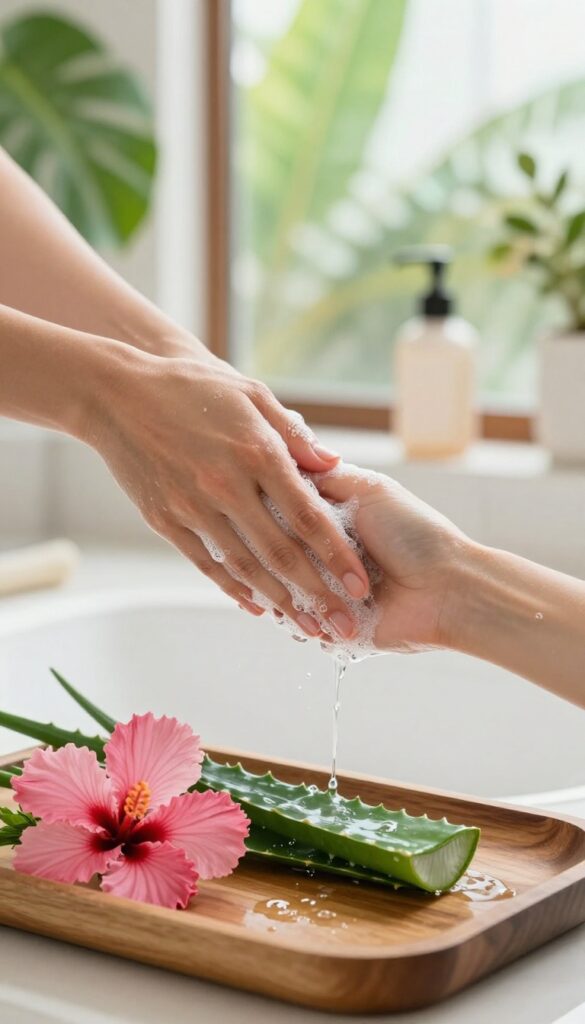
Keramas is the Indonesian way of washing your hair, but it's more than just a cleanse. Traditionally, it involves natural ingredients like hibiscus, aloe vera, or even rice water. These aren't just great for your scalp—they also benefit your neck and skin, leaving you feeling refreshed all over.
When you switch to natural shampoos, you avoid harsh chemicals that can strip your skin's natural oils. The gentle lather from natural ingredients helps maintain your skin's moisture barrier, especially around your hairline and neck.
Why Natural Shampoos Help Your Skin
Natural shampoos are free from sulfates and parabens, which can irritate sensitive skin. Ingredients like aloe vera soothe inflammation, while hibiscus promotes healthy circulation. This means fewer breakouts and less dryness on your scalp and the skin around it.
How To Keramas The Traditional Way
Start by mixing a few tablespoons of natural shampoo with warm water. Massage it into your scalp using your fingertips, not your nails. Let it sit for a few minutes to let the nutrients absorb, then rinse thoroughly with cool water.
Finish with a light conditioner if needed.
Extra Tips For A Full Body Benefit
While you're at it, let the suds run down your neck and shoulders. The natural ingredients can help soften the skin there too. For an extra treat, add a few drops of essential oil like lavender to your shampoo for a calming effect.
20. Apply a Paste of Papaya for Exfoliation
Papaya isn't just a tasty tropical fruit—it's a natural exfoliant that has been used in Indonesian beauty rituals for ages. The secret lies in papain, an enzyme that gently breaks down dead skin cells without harsh scrubbing. This makes it perfect for sensitive skin or anyone who wants a smoother, brighter complexion.
Mashing ripe papaya into a paste and applying it to your body is a simple way to get that glow. The fruit's enzymes work to dissolve the bonds holding dead cells to your skin's surface, revealing the fresh, soft skin underneath. Plus, papaya is packed with vitamins A and C, which help nourish and brighten.
Why Papain Works
Papain is a proteolytic enzyme, meaning it breaks down proteins. Dead skin cells are made of keratin, a protein, so papain helps loosen them. This is why papaya is often used in commercial exfoliating products, but using the fresh fruit is just as effective and free of additives.
How To Make The Paste
Pick a ripe papaya—it should yield slightly to pressure. Scoop out the seeds and mash the flesh with a fork until it's smooth. You can add a teaspoon of honey for extra moisture if you like.
Apply the paste to clean, damp skin, focusing on rough areas like elbows and knees.
Best Time To Apply
For best results, apply the papaya paste after a warm shower when your pores are open. Leave it on for 10-15 minutes, then rinse off with lukewarm water. Do this once or twice a week to keep your skin smooth without over-exfoliating.
21. Use a Body Oil with Frangipani or Jasmine
There's a reason frangipani and jasmine are woven into Indonesian traditions—they smell divine and do wonders for your skin. These floral oils are more than just perfume; they're packed with moisture that locks in softness. Massaging them into your skin after a shower leaves a lasting, silky feel.
Frangipani and jasmine oils are rich in fatty acids and antioxidants, which help nourish and protect the skin barrier. They absorb quickly without feeling greasy, making them perfect for daily use. A few drops massaged onto damp skin can keep you hydrated all day.
Why These Oils Work
Frangipani oil is known for its soothing properties, while jasmine oil helps improve elasticity. Together, they create a lightweight yet deeply moisturizing blend that softens rough patches and leaves a subtle, natural glow.
How To Apply For Best Results
Warm a few drops between your palms, then press and massage into your skin, focusing on dry areas like elbows and knees. Do this right after bathing while your pores are still open, and follow with a gentle patting motion to help absorption.
Choosing The Right Oil
Look for cold-pressed, pure oils without added synthetic fragrances. You can also mix a few drops into your regular body lotion for an extra boost. If you have sensitive skin, do a patch test first—these oils are natural but still potent.
22. Take a Dip in the Ocean or a Salt Bath
There's a reason Indonesians love the sea—it's not just for the views. Ocean water is packed with minerals like magnesium, calcium, and potassium, which work wonders for your skin. A quick dip can leave your skin feeling soft and refreshed, and it's one of the simplest ways to mimic a spa treatment without spending a dime.
If you're landlocked or the weather isn't cooperating, a salt bath at home can do the trick. Epsom salts, in particular, are great for relaxing muscles and soothing skin. It's a simple habit that brings a piece of the Indonesian coast right to your bathroom.
Salt water has natural antibacterial and anti-inflammatory properties. It can help with conditions like eczema and psoriasis, and it gently exfoliates dead skin cells. Plus, the minerals in salt can improve circulation and promote skin health.
Whether you're swimming in the ocean or soaking in a tub, your skin gets a boost of nourishment that's hard to beat.
Why Salt Water Works
Salt water is rich in minerals that are easily absorbed by the skin. Magnesium helps reduce inflammation, while calcium and potassium support skin barrier function. The salt itself acts as a natural exfoliant, sloughing off dull skin to reveal a brighter layer underneath.
Plus, the osmotic effect draws out toxins and impurities, leaving your skin clean and clear.
How To Mimic The Ocean At Home
If you can't get to the beach, fill your tub with warm water and add 1-2 cups of Epsom salt. Soak for 15-20 minutes to let the minerals absorb. You can also add a few drops of essential oil like lavender for extra relaxation.
After your soak, rinse off with fresh water and pat your skin dry—don't rub, to keep the moisture in.
Tips For A Better Salt Bath
Don't use water that's too hot, as it can strip your skin of natural oils. Keep your soak under 30 minutes to avoid over-drying. If you have sensitive skin, start with a smaller amount of salt and see how your skin reacts.
And always moisturize afterward to lock in the benefits.
23. Get Enough Sleep and Manage Stress

You can scrub and slather all day, but if you're running on empty, your skin will show it. Sleep and stress are the unsung heroes of any beauty routine. When you rest well, your body repairs itself, and that includes your skin.
Stress, on the other hand, can trigger breakouts and dullness. It's time to treat sleep like the beauty treatment it is.
Beauty sleep isn't just a saying. During deep sleep, your skin's blood flow increases, and collagen production gets a boost. That means fewer fine lines and a more radiant complexion.
Stress, meanwhile, spikes cortisol, which can lead to oiliness and inflammation. Managing stress is just as important as any cream you use. Simple habits like a consistent bedtime and a calming evening ritual can work wonders.
Why Sleep Is Your Skin's Best Friend
Your skin works hard while you snooze. It repairs damage from UV exposure and pollution, and it makes new cells. Skimping on sleep means your skin doesn't get enough time to do its job.
Aim for 7-9 hours a night. Your skin will thank you with a natural glow.
Simple Stress Busters For Better Skin
You don't need a spa day to lower stress. Even a few minutes of deep breathing or a short walk can help. Try a calming tea before bed, or write down your worries to clear your mind.
When you keep stress in check, your skin stays balanced and calm.
Build A Wind-down Routine
A relaxing pre-sleep routine signals your body it's time to rest. Put away screens an hour before bed, take a warm bath, or do a gentle stretch. You could even apply your favorite body lotion with slow, massaging strokes.
This not only helps you sleep but also boosts circulation and absorption.
FAQ
What is lulur and how often should I use it?
Lulur is a traditional Indonesian body scrub made from turmeric, rice, and spices. It's typically used 2-3 times a week to exfoliate and brighten skin.
Can I use coconut oil on my skin if I have acne-prone skin?
Coconut oil can be comedogenic for some people. If you have acne-prone skin, test it on a small area first or opt for non-comedogenic oils like jojoba.
Are these Indonesian habits suitable for all skin types?
Most of these habits are gentle and natural, but it's always best to patch test new ingredients. Adjust the frequency based on your skin's sensitivity.
How long does it take to see results from these routines?
With consistent use, you may notice softer skin within a week. For more significant changes like brightening, give it 2-4 weeks.
Do I need to buy special products to follow these habits?
No, many of these habits use everyday ingredients like coconut oil, rice, and coffee. You can easily make scrubs and masks at home.
Conclusion
You don't need a dozen fancy products to get that soft, healthy glow—just a few Indonesian habits that feel good and actually stick. Pick two or three from this list, like using a body scrub once a week or swapping your soap for a gentler cleanser, and build from there. Your skin will respond to the consistency, not the quantity.
Start small, stay consistent, and enjoy the process. Before long, that softness becomes just part of your everyday routine.