
Ever step out of the shower and feel like your skin is tight, itchy, or just not right? That’s your cue that your body care routine might be missing a few key steps. The good news?
You don’t need a shelf full of fancy products to get that soft, healthy glow. A complete body care routine is about more than just moisturizing. It’s about cleansing, exfoliating, protecting, and nourishing from head to toe.
Whether you’re a minimalist or a product junkie, these 17 essentials will cover every base. Let’s dive into the must-haves that will make your skin look and feel amazing.
1. Gentle Body Wash
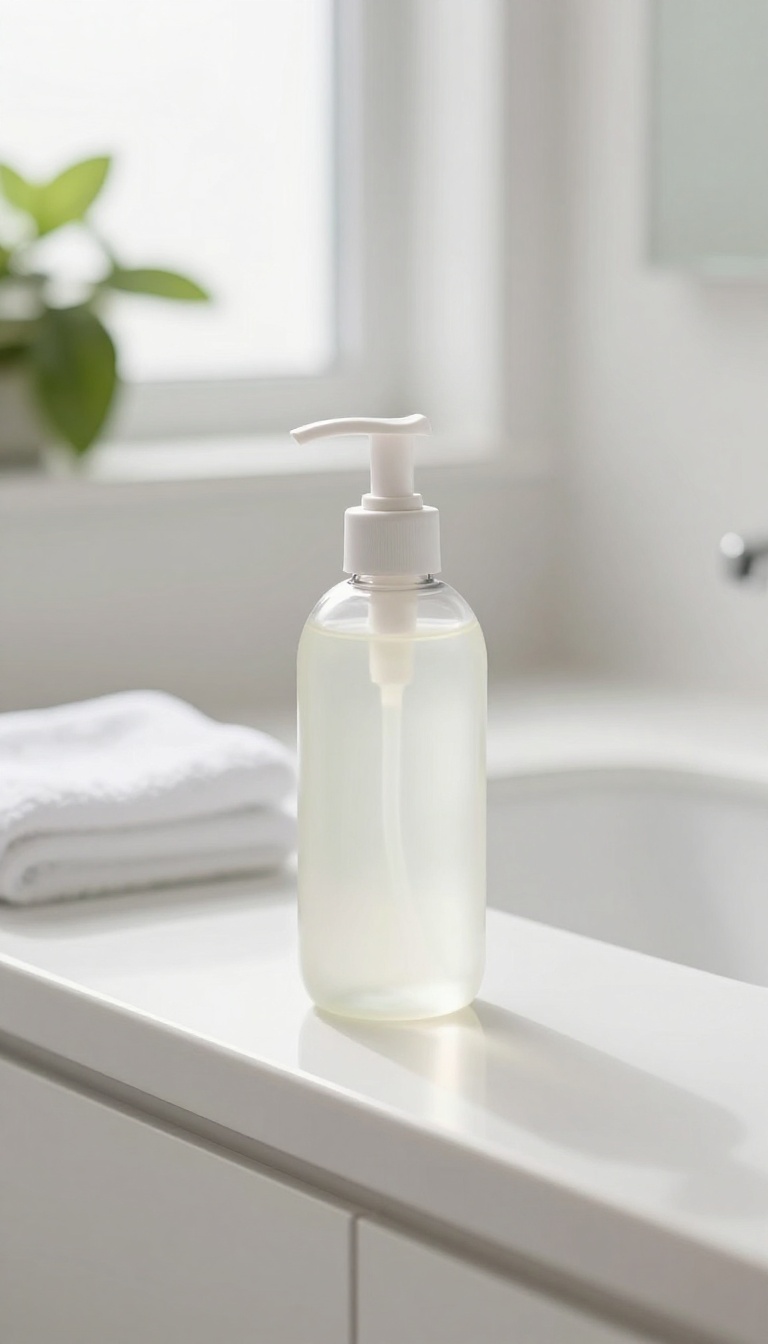
Your body wash sets the stage for everything else in your routine. If it's too harsh, it can leave your skin feeling tight and dry, no matter how much lotion you apply afterward. A gentle, sulfate-free formula cleanses effectively while respecting your skin's natural moisture barrier.
A good body wash should remove dirt and sweat without stripping away the oils that keep your skin supple. Look for hydrating ingredients like glycerin, aloe vera, or ceramides, and avoid sulfates and heavy fragrances that can irritate sensitive skin. Using a gentle body wash daily helps maintain a healthy pH balance and prevents that uncomfortable after-shower tightness.
Why Sulfate-free Matters
Sulfates are strong detergents that create a rich lather but can be overly drying. They strip away natural lipids, leaving your skin vulnerable to irritation. Choosing a sulfate-free body wash keeps your skin's barrier intact, which is especially important for those with dry or sensitive skin.
Key Ingredients To Look For
Glycerin draws moisture into the skin, while aloe vera soothes and calms. Ceramides help restore the skin's protective layer, and oatmeal is great for reducing itchiness. These ingredients make a body wash feel more like a skincare step than just a cleanser.
How To Use It Right
Warm water, not hot, is best because hot water strips oils faster. Massage the body wash onto damp skin with your hands or a soft cloth, then rinse thoroughly. Pat your skin dry with a towel instead of rubbing to keep some moisture locked in.
2. Exfoliating Scrub
Your skin naturally sheds dead cells, but sometimes it needs a little help. Exfoliating removes that dull layer and lets fresh, glowing skin come through. It also helps your other products sink in better.
Aim for 2-3 times a week, not every day, to avoid irritation.
Exfoliating is a game-changer for smooth, even skin. It can also help with rough patches like elbows and knees. Look for a scrub with fine, gentle particles or a chemical exfoliant with AHAs or BHAs.
Always follow up with moisturizer to keep your skin happy.
Physical Vs. Chemical
Physical scrubs use tiny beads or grains to manually buff away dead cells. Chemical exfoliants use acids like glycolic or salicylic acid to dissolve the bonds between cells. Both work well, so pick based on your skin type and preference.
How To Use
In the shower, apply to damp skin and massage in gentle circles. Focus on rough areas but avoid broken or irritated skin. Rinse thoroughly and pat dry.
Don't scrub too hard—let the product do the work.
Choosing The Right One
If you have sensitive skin, go for a mild scrub with jojoba beads or a low-strength acid. Dry skin benefits from creamy, hydrating formulas. Oily or acne-prone skin might like salicylic acid to keep pores clear.
3. Body Brush or Loofah
Exfoliation is a game-changer for smooth skin, but the tool you use matters just as much as the scrub. A body brush or loofah does more than just slough off dead cells—it wakes up your circulation and preps your skin for better absorption of your moisturizer. Whether you prefer the invigorating feel of dry brushing or the gentle lather of a loofah in the shower, this simple step can transform your routine.
Dry brushing and loofahs both offer unique benefits. Dry brushing, done on dry skin before you shower, stimulates the lymphatic system and boosts circulation, which can help reduce the appearance of cellulite over time. It also provides a deeper exfoliation, leaving your skin baby-soft.
On the other hand, a loofah with your body wash creates a rich lather that gently exfoliates while cleansing, making it perfect for daily use, especially if you have sensitive skin. Whichever you choose, the key is consistency—use it a few times a week to keep your skin smooth and glowing.
Why Dry Brushing Works
Dry brushing involves using a firm, natural-bristle brush on dry skin in long strokes toward your heart. This technique not only removes dead skin but also stimulates blood flow, which can give your skin a temporary glow. It also helps unclog pores and can reduce ingrown hairs.
Start at your feet and work upward, using gentle pressure. Do this before your shower to avoid spreading bacteria, and rinse your brush weekly.
Loofah: The Shower Classic
A loofah is a classic for a reason—it’s easy, effective, and adds a bit of fun to your shower. The mesh texture creates a rich lather that helps distribute your body wash evenly while gently exfoliating. For best results, use a natural loofah and replace it every three to four weeks, as they can harbor bacteria.
If you prefer a more eco-friendly option, look for a silicone scrubber that dries quickly and lasts longer.
How To Exfoliate Without Overdoing It
Exfoliating too often or too aggressively can strip your skin’s natural oils, leading to dryness and irritation. For most skin types, two to three times a week is plenty. If you have sensitive skin, start with once a week and see how your skin reacts.
Always follow up with a rich moisturizer to lock in hydration and keep your skin barrier healthy. Listen to your body—if it feels raw or tight, you’re overdoing it.
4. Hydrating Body Lotion
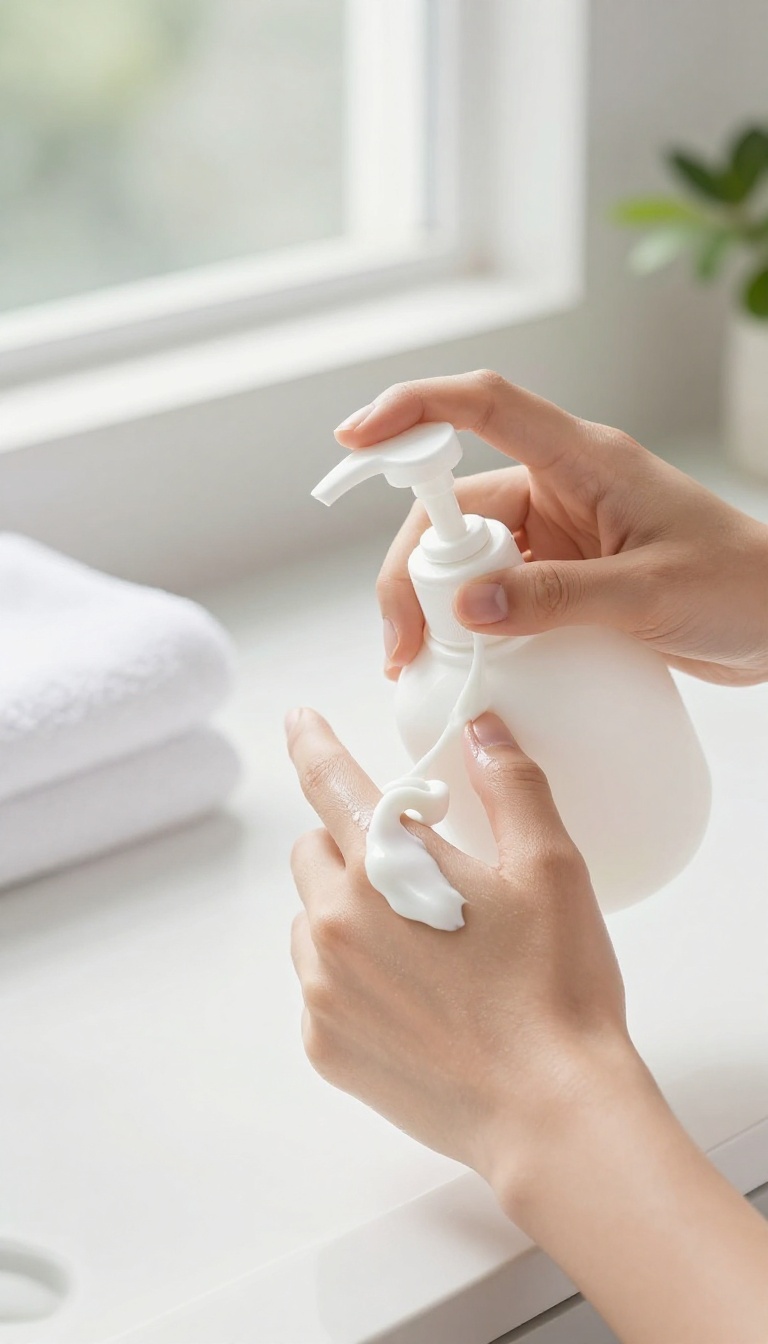
After cleansing and exfoliating, your skin is primed to drink up moisture. That’s where a good body lotion comes in—it seals in hydration and keeps your skin feeling soft all day. But not all lotions are created equal, so it’s worth picking one that actually supports your skin barrier.
A daily body lotion is your skin’s best friend. It locks in moisture, smooths rough patches, and leaves a subtle, healthy glow. For the best results, look for formulas with ceramides or hyaluronic acid—these ingredients strengthen your skin’s natural barrier and attract water to the skin’s surface.
Apply within a few minutes of showering to trap that extra moisture while your pores are still open.
Why Ceramides Matter
Ceramides are lipids that make up about 50% of your skin’s outer layer. They act like glue, holding skin cells together and preventing moisture loss. If your skin feels tight or flaky, a lotion with ceramides can help rebuild that protective barrier and reduce irritation.
Hyaluronic Acid For Extra Hydration
Hyaluronic acid is a humectant that pulls water from the air and deeper layers of your skin into the surface. It’s lightweight and non-greasy, making it perfect for daytime use. A lotion with hyaluronic acid gives an instant plumping effect and keeps your skin dewy without feeling heavy.
When To Apply For Best Results
The golden rule is to apply lotion within three minutes of stepping out of the shower. Your skin is still damp, so the lotion can lock in that extra water. Don’t forget often-neglected spots like elbows, knees, and heels—they tend to be drier and need a little extra love.
5. Rich Body Butter
Some areas of your body are stubbornly dry, no matter how much lotion you apply. Elbows, knees, and heels often need something heavier to truly soak in and stay soft. That's where a rich body butter comes in—it's the heavy-duty moisturizer your skin craves when regular lotion just isn't enough.
Made with ingredients like shea or cocoa butter, these thick creams create a barrier that locks in moisture and keeps your skin feeling nourished for hours.
Body butters are thicker and more concentrated than lotions, making them perfect for targeting extra-dry zones. They're especially useful in winter or if you have naturally dry skin. Using one a few times a week can make a noticeable difference in how smooth and supple your skin feels.
Why Shea And Cocoa Butter Work
Shea butter is packed with vitamins A and E, which help repair and soothe dry skin. Cocoa butter is rich in fatty acids that create a protective layer, keeping moisture from escaping. Both are deeply nourishing and absorb well without feeling greasy when applied sparingly.
How To Apply For Best Results
For maximum absorption, apply body butter right after a shower when your skin is still slightly damp. Warm a small amount between your palms, then massage it into rough areas using circular motions. Focus on elbows, knees, and heels, but don't forget other dry patches like ankles or cuticles.
When To Reach For Body Butter
Use body butter as an intensive treatment rather than an everyday all-over moisturizer. It's perfect for overnight repair—apply a generous layer to your feet and cover with socks before bed. You can also use it on your hands and cuticles for a quick softening boost.
6. Body Oil
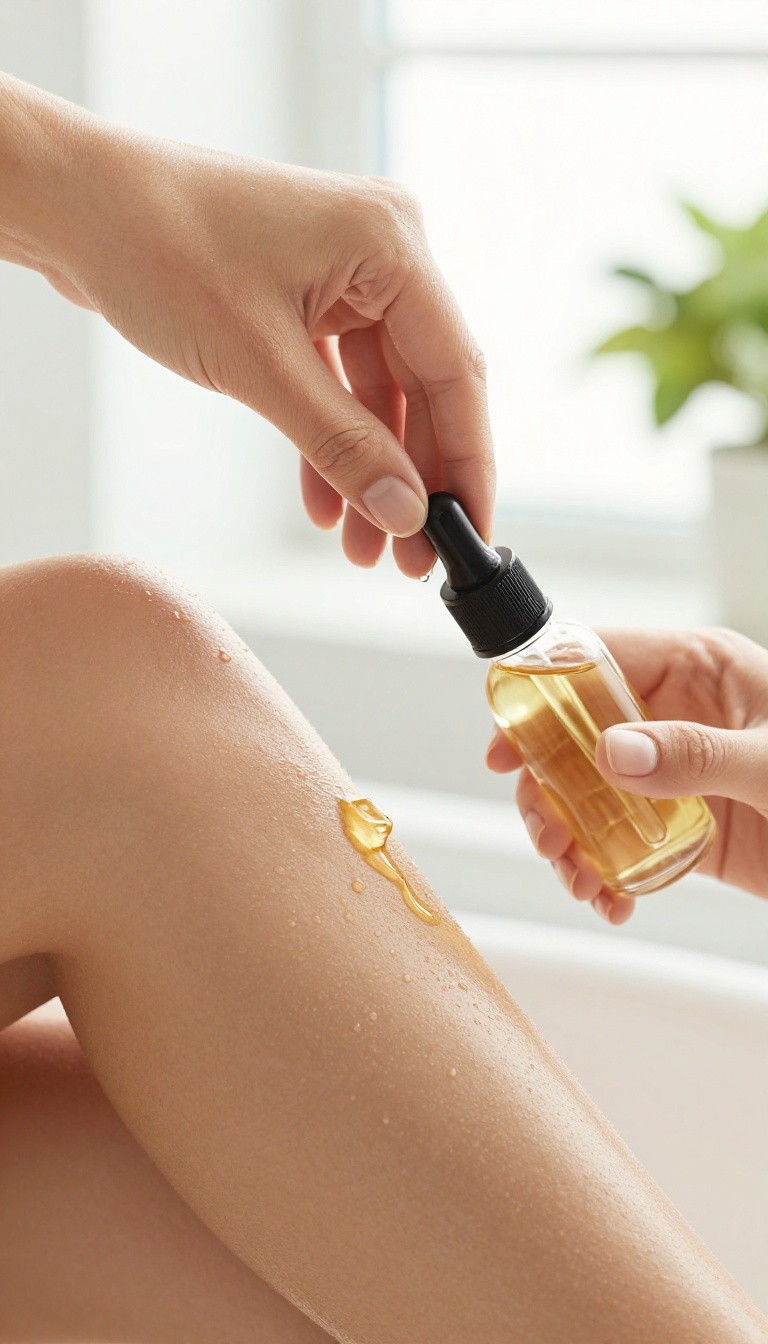
Lotions and creams are great, but body oil is the secret weapon for that lit-from-within glow. It works by locking in moisture and leaving a silky, non-greasy finish that feels luxurious. The best part?
It’s simple to use and fits into any routine.
Body oil is your shortcut to soft, radiant skin, especially if you tend to skip moisturizer because it feels heavy. Unlike thick creams, oils absorb quickly and create a protective barrier that keeps hydration in. They’re also incredibly versatile—use them solo, mix with lotion, or add a few drops to your bath for an instant spa moment.
Why Damp Skin Is The Secret
Applying body oil right after you step out of the shower—while your skin is still damp—makes a huge difference. The water helps the oil spread evenly and traps that extra moisture in your skin. You’ll notice a softer, smoother feel that lasts all day.
Choosing The Right Oil For Your Skin
Not all oils are created equal. Jojoba oil mimics your skin’s natural sebum, making it a safe bet for most skin types. Argan oil is rich in vitamin E and great for dry or mature skin.
If you prefer something lighter, grapeseed oil absorbs fast without any residue.
How To Apply Without The Mess
Pour a few drops into your palm, rub your hands together, and press the oil onto your legs, arms, and torso. Start with a small amount—you can always add more. For an even glow, focus on drier areas like elbows and knees, and let the oil sink in for a minute before getting dressed.
7. Sunscreen for Body
Sun protection isn't just for beach days—it's a daily necessity. UV rays can damage your skin even on cloudy or cold days, leading to premature aging and increased risk of skin cancer. That's why a dedicated body sunscreen is a non-negotiable step in any complete routine.
You might think your moisturizer with SPF is enough, but body lotions often don't provide adequate coverage or lasting protection. A separate sunscreen ensures you're fully shielded, especially on areas like your shoulders, arms, and legs that get the most sun.
When choosing a body sunscreen, look for a broad-spectrum formula with at least SPF 30. This protects against both UVA and UVB rays. Apply it generously to all exposed skin about 15 minutes before heading outdoors.
Don't forget often-missed spots like the back of your neck, tops of your feet, and ears. Reapplication is key. Sunscreen wears off through sweat, water, and even just rubbing against clothes.
Set a timer or use an app to remind yourself to reapply every two hours, or immediately after swimming or heavy sweating. For everyday use, a lightweight, non-greasy formula will feel comfortable and encourage consistent use.
How To Choose The Right Spf
SPF stands for Sun Protection Factor, and it measures how well the sunscreen protects against UVB rays. SPF 30 blocks about 97% of UVB rays, while SPF 50 blocks about 98%. For most people, SPF 30 is sufficient, but if you're fair-skinned or spending extended time outdoors, opt for SPF 50 or higher.
Also, check the label for "broad-spectrum" to ensure it blocks UVA rays, which cause premature aging. Water-resistant formulas are great for sweaty or active days, but remember that no sunscreen is truly waterproof—you'll still need to reapply.
Application Tips For Full Coverage
To get even coverage, apply sunscreen in sections rather than slathering it on all at once. Start with your legs, then move to your torso, arms, and finally your face (using a separate face sunscreen). Use about a shot glass full for your entire body.
Don't rush—massage it in thoroughly until it's absorbed. For hard-to-reach places like your back, ask a friend or use a spray sunscreen. Just be careful not to inhale the spray, and rub it in after spraying to ensure even coverage.
Making Sunscreen A Daily Habit
The best sunscreen is the one you'll actually use. If you hate the sticky feeling, try a gel or lotion formula that dries quickly. Some sunscreens double as moisturizers, saving you a step.
Keep a bottle in your bag, car, and by the door so you never forget. Set a daily reminder on your phone to apply sunscreen before you leave the house. Once it becomes part of your morning routine, it'll feel as natural as brushing your teeth.
8. Hand Cream
Your hands work hard all day, and they're often the first place to show signs of dryness and aging. Between constant washing, hand sanitizer, and exposure to the elements, they need a little extra TLC. A good hand cream isn't just a luxury—it's a daily essential that keeps your hands soft, smooth, and protected.
Hands have thinner skin and fewer oil glands than the rest of your body, so they lose moisture quickly. That's why a dedicated hand cream is a non-negotiable step in any complete routine. Look for formulas with shea butter, glycerin, or ceramides to lock in hydration and repair the skin barrier.
Keep one at your desk, in your bag, and by the sink so you can reapply throughout the day—especially after washing your hands.
Why Hands Need Extra Care
Your hands are exposed to more harsh conditions than almost any other part of your body. Frequent washing strips natural oils, and cold weather or sun exposure can speed up moisture loss. Over time, this leads to rough patches, cracks, and premature aging.
A hand cream with rich emollients helps replenish lost moisture and keeps the skin barrier strong.
What To Look For In A Hand Cream
Not all hand creams are created equal. For daytime, choose a lightweight formula that absorbs quickly and won't leave your hands greasy. For nighttime, go with a thicker, more intensive balm that can work while you sleep.
Key ingredients to seek out include shea butter, glycerin, hyaluronic acid, and soothing agents like aloe or oat extract. Avoid heavy fragrances if your skin is sensitive.
How To Make Hand Cream Work Harder
Apply hand cream while your hands are slightly damp to lock in more moisture. Don't forget the backs of your hands, fingers, and cuticles—these areas are often neglected. For an extra boost, apply a generous layer before bed and wear cotton gloves overnight.
This simple habit can transform dry, cracked hands in just a few days.
9. Foot Cream or Balm

Your feet take a beating every day, yet they're often the last thing we think about in a body care routine. Cracked heels and rough patches aren't just uncomfortable—they can snag on sheets and make you feel self-conscious in sandals. A dedicated foot cream or balm is the fix, and it's simpler than you think.
A good foot cream is thicker than your regular body lotion because it's formulated to tackle tougher skin. Look for ingredients like urea or lanolin, which are proven to soften and heal. The trick is to apply it right before bed, then pull on a pair of cotton socks to lock in the moisture overnight.
In the morning, you'll notice a real difference.
Why Your Feet Need Extra Care
The skin on your feet is naturally thicker and drier than the rest of your body. Plus, it's constantly under pressure from walking and standing. That combination leads to calluses and cracks if you don't give them some TLC.
A foot cream with urea or lanolin works by drawing moisture into the skin and breaking down dead cells.
How To Choose The Right Formula
Not all foot creams are created equal. For everyday maintenance, a lighter balm with shea butter or glycerin works well. But if you're dealing with severe cracking, go for something with a higher concentration of urea (10% or more).
Avoid anything with alcohol or fragrance, as those can dry out your skin further.
The Overnight Sock Trick
Applying foot cream and then wearing socks might seem extra, but it's a game-changer. The socks trap heat and moisture, helping the active ingredients penetrate deeper. You don't need special socks—any clean cotton pair will do.
Just make sure they're not too tight, so you don't cut off circulation.
10. Lip Balm
Your lips are one of the first places to show signs of dryness, especially in changing weather. A good lip balm is a simple but essential step that keeps them soft, smooth, and protected. It’s not just about comfort—it’s about preventing chapping and cracking that can be painful and unsightly.
When choosing a lip balm, look for one that contains SPF to shield your lips from sun damage, and natural oils like beeswax or coconut oil to lock in moisture. Reapply throughout the day, especially after eating, drinking, or spending time outdoors. Keeping a balm in your bag, car, and desk ensures you never forget this small but mighty step.
Why Spf Matters For Lips
Your lips have less melanin than the rest of your skin, making them more vulnerable to UV rays. Daily SPF in your lip balm helps prevent sunburn, premature aging, and even skin cancer. Choose a balm with at least SPF 15, and reapply every two hours when you're outside.
Natural Ingredients That Work
Beeswax creates a protective barrier, while coconut oil and shea butter deeply nourish. Avoid balms with menthol, camphor, or phenol, which can dry out lips over time. Look for simple formulas with minimal ingredients to keep your lips happy.
How To Make It Last
Exfoliate your lips gently once a week with a soft toothbrush or a sugar scrub to remove dead skin. Apply a thick layer of balm before bed to let it work overnight. During the day, keep a small tube handy and swipe it on whenever your lips feel tight.
11. Shaving Cream or Gel
Shaving can be a daily ritual or a weekly necessity, but it doesn't have to leave your skin feeling like sandpaper. The right shaving cream or gel acts as a protective barrier, allowing the razor to glide smoothly and reducing friction. This simple step can make a world of difference in preventing razor burn, nicks, and that uncomfortable tightness that follows a dry shave.
Choosing a shaving cream or gel isn't just about scent—it's about ingredients. Look for formulas that are rich in moisturizers like glycerin, shea butter, or aloe vera. These help hydrate the skin while you shave, leaving it soft and supple.
Avoid products with heavy alcohols or fragrances that can strip moisture and irritate sensitive areas.
Why Moisture Matters
A good shaving cream does more than just create foam. It softens the hair and lubricates the skin, so the razor can cut without dragging. This reduces the risk of razor burn and ingrown hairs.
Moisturizing ingredients like aloe vera and chamomile also calm the skin, preventing that post-shave sting.
Cream Vs. Gel: Which One Wins?
Creams tend to be thicker and more hydrating, making them ideal for dry or sensitive skin. Gels are often clearer and can provide a closer shave, but they may contain more alcohol. If you're prone to irritation, a cream with soothing botanicals is usually the safer bet.
For those with normal skin, a gel can work just fine—just check the ingredient list.
How To Apply For Best Results
For the smoothest shave, apply your shaving cream or gel to damp skin in gentle, circular motions. Let it sit for a minute or two to soften the hair. Use short, light strokes with your razor, rinsing it frequently.
Afterward, rinse with cool water and pat dry—don't rub. Follow up with a moisturizer to lock in hydration.
12. Aftershave or Post-Shave Balm
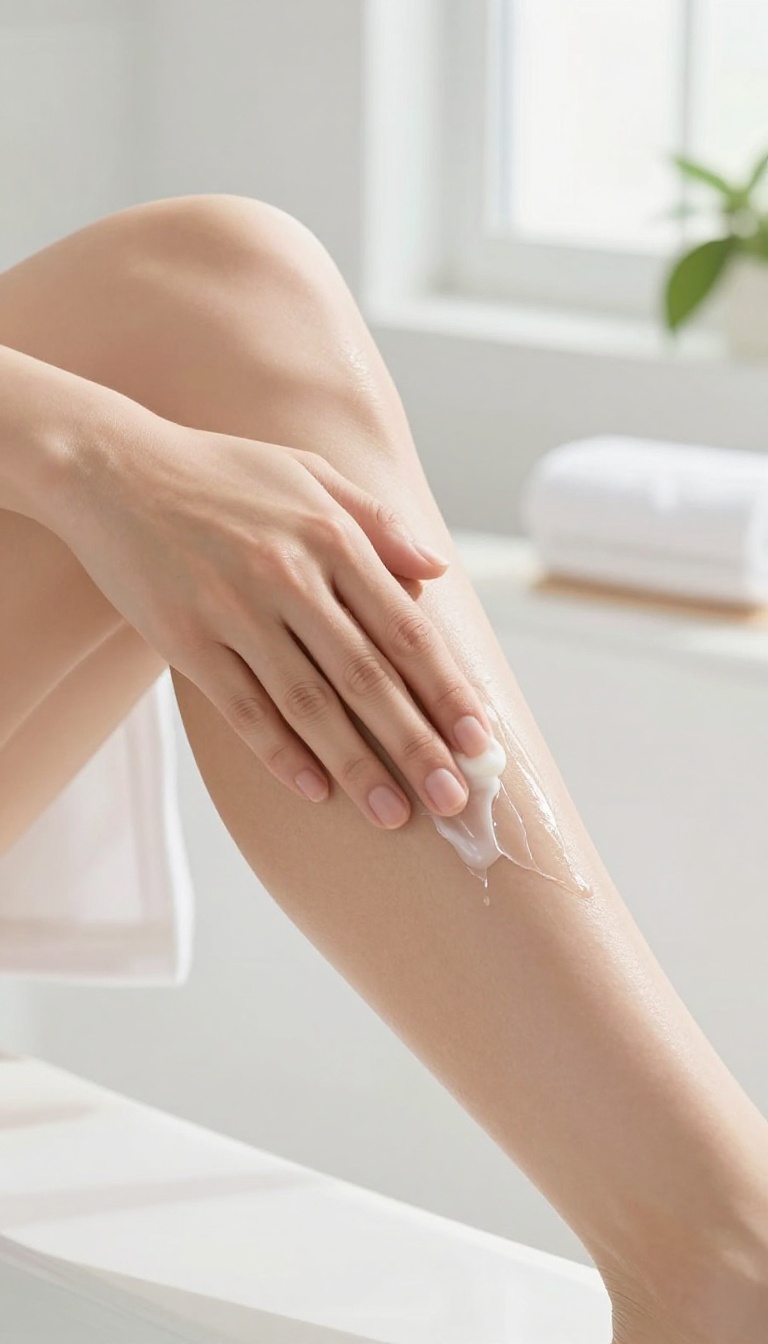
Razor burn, redness, and those annoying little bumps—shaving can be rough on your skin. A good post-shave balm is the difference between feeling like you just went ten rounds and stepping out smooth and comfortable. It’s not just for the face either; your legs, underarms, or anywhere you shave will thank you.
Skip the stingy, alcohol-heavy splashes and reach for a gentle, alcohol-free balm. It calms the skin, locks in moisture, and helps prevent ingrown hairs before they even start. One quick layer after shaving and your skin feels soothed, not punished.
Aftershave balms are designed to do three things: reduce irritation, hydrate, and protect the skin barrier. Unlike old-school splashes that burn and dry out, modern balms are packed with calming ingredients like aloe, chamomile, and glycerin. They help close up the micro-cuts from shaving, reduce redness, and leave a soft, non-greasy finish.
If you’ve been skipping this step, your skin has been missing out on some serious TLC.
Why Alcohol-free Matters
Alcohol-based aftershaves might feel cool and tingly, but they’re actually stripping your skin of its natural oils. That leads to more dryness and irritation in the long run. Alcohol-free balms soothe without that harsh sting, making them perfect for sensitive skin or anyone who shaves frequently.
Look for ingredients like witch hazel, aloe vera, or allantoin—they calm and repair without the burn.
How To Apply For Best Results
The trick is to apply while your skin is still slightly damp, right after you pat dry. A pea-sized amount is usually enough for your face, and a bit more for larger areas like legs. Gently massage it in upward strokes, and let it absorb for a minute before getting dressed.
For extra cooling, keep your balm in the fridge—it feels amazing on a hot day.
Bonus: Prevents Ingrown Hairs
Ingrown hairs happen when dead skin cells clog the hair follicle, forcing the hair to grow sideways. A good post-shave balm exfoliates gently and keeps the area moisturized, which helps hairs break through the surface properly. Ingredients like salicylic acid or tea tree oil are great for keeping those pesky bumps at bay.
Make it a non-negotiable step and you’ll notice a smoother, clearer complexion.
13. Deodorant or Antiperspirant
Body odor is a natural part of life, but that doesn't mean you have to live with it. A good deodorant or antiperspirant keeps you feeling fresh and confident all day. The trick is finding one that works with your body, not against it.
Your underarms are sensitive, and the wrong formula can cause irritation or just not do the job. Whether you sweat a lot or barely at all, there's an option out there that fits your lifestyle. Let's break down the differences and help you pick the right one.
Deodorant Vs. Antiperspirant
Deodorant tackles odor by killing the bacteria that cause it, while antiperspirant actually blocks sweat glands to reduce wetness. If you're prone to sweating, an antiperspirant might be your best bet. If you just want to smell fresh without the heavy feel, a deodorant could be enough.
Aluminum-free Options
Many people prefer aluminum-free deodorants because they avoid potential skin irritation or concerns about aluminum absorption. These formulas use natural ingredients like baking soda, charcoal, or essential oils to keep odor at bay. Just know that they won't stop sweating, so they're better for lighter days or less intense activities.
Finding Your Match
Pay attention to how your skin reacts. If you get redness or itching, try a formula with gentler ingredients like shea butter or aloe. For heavy sweaters, clinical-strength antiperspirants offer extra protection.
Test a few different types to see what feels best and actually lasts through your day.
14. Body Mist or Light Fragrance
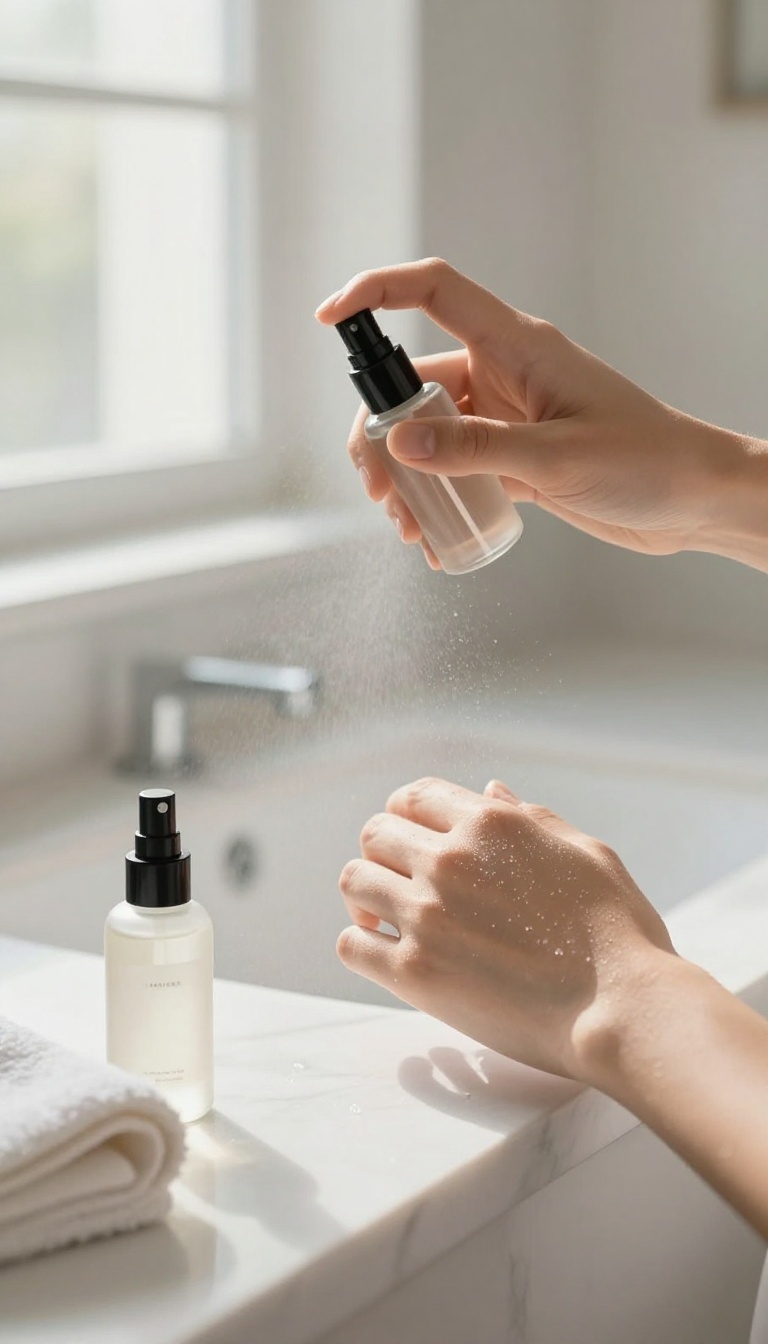
A body mist is the final, refreshing touch that ties your whole routine together. Unlike heavy perfumes, it’s meant to be sprayed generously over your skin, adding a subtle scent that lingers without overwhelming. Plus, many formulas now include hydrating ingredients like glycerin or aloe, so they double as a quick moisture boost throughout the day.
Body mists are perfect for those who want a fragrance that’s more casual and forgiving than a traditional perfume. They’re lighter, often cheaper, and can be reapplied without feeling like you’re drowning in scent. When you choose one with skin-loving ingredients, you’re not just smelling good—you’re giving your skin a little extra care.
Why A Body Mist Beats Heavy Perfume
Perfumes can be intense, especially in warm weather or during a busy day. A body mist offers a softer, more approachable scent that won’t give you a headache or overwhelm a room. It’s also more forgiving—you can spray it generously without worrying about being too much.
How To Layer It With Your Lotion
The trick to making your scent last is layering. After you apply your body lotion, wait a minute or two for it to absorb, then spritz the mist over your skin. The lotion helps lock in the fragrance, so you get a subtle, all-day scent without needing to reapply constantly.
Look For Hydrating Ingredients
Not all mists are created equal. Some are basically just scented water, which can actually dry your skin out. Instead, check the label for glycerin, aloe vera, or hyaluronic acid.
These ingredients add a light layer of moisture, making your mist work double duty.
15. Self-Tanner or Bronzer
If you love that just-back-from-vacation glow but aren't keen on UV rays, self-tanner or bronzer is your best friend. It’s a quick way to add warmth to your skin without the sun damage. Start light and build up—you can always add more, but it’s hard to take it off.
A gradual self-tanner or bronzing lotion is perfect for daily use, giving you a subtle, buildable color. For a more immediate effect, a bronzing powder or gel can be applied to your face and body. Just remember to exfoliate beforehand and moisturize dry areas to avoid streaks.
Choose Your Formula
Self-tanners come in lotions, mousses, sprays, and wipes. Lotions are great for beginners because they’re easy to blend, while mousses dry quickly and are good for larger areas. Sprays are convenient but need careful application.
If you’re new, start with a gradual tanner that builds color over a few days.
Application Tips
Exfoliate your skin the day before to remove dead cells. Apply in circular motions, using a mitt to avoid orange palms. Go light on elbows, knees, and ankles.
Wash your hands right after, and wait at least 10 minutes before dressing.
Bronzer As An Alternative
If you’re not into self-tanner, a bronzing powder or gel can give an instant glow. Use a big fluffy brush to dust it on your shoulders, collarbones, and cheeks. It’s easy to control and washes off at the end of the day.
16. Spot Treatment for Body Acne
Body acne can be stubborn and frustrating, especially when it shows up on your chest, back, or shoulders. Unlike facial breakouts, these areas are harder to reach and often get less attention in your daily routine. The good news is that a targeted spot treatment can make a real difference.
When you treat body acne, you need something that covers larger areas easily. A salicylic acid spray or lotion is perfect because it penetrates pores to clear out the gunk that causes breakouts. It also helps prevent new ones from forming, so you can stay ahead of the game.
Just a few spritzes or a quick swipe after your shower can keep those trouble spots calm and clear.
Why Salicylic Acid Works
Salicylic acid is a beta hydroxy acid (BHA) that dissolves the oil and dead skin cells trapped in your pores. It’s oil-soluble, so it can get deep into the hair follicles where body acne starts. This makes it a go-to for chest and back breakouts.
How To Apply It Right
For sprays, hold the bottle a few inches away and mist evenly over the affected area, then let it dry. For lotions, apply a thin layer and rub in gently. Do this once a day, preferably after your shower when your skin is clean and pores are open.
When To Expect Results
You might see some improvement in a week, but it usually takes about four to six weeks for noticeable changes. Be patient and consistent. If you don’t see results after two months, check with a dermatologist for stronger options.
17. Massage Tool or Roller
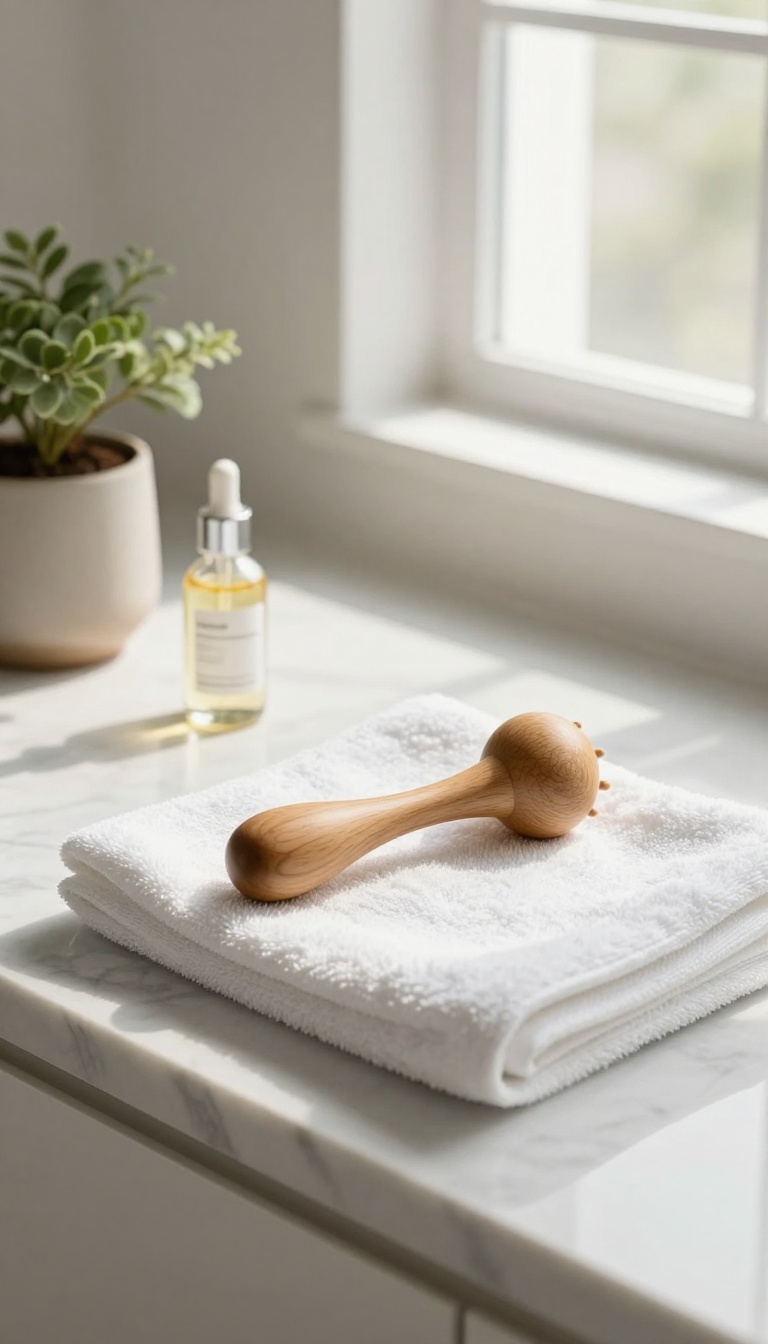
Your skin can only absorb so much on its own. A massage tool or roller helps boost circulation and de-puff, making your other products work harder. It’s a small addition that feels like a mini spa treatment at home.
Using a massage tool or roller isn’t just about relaxation—it’s about enhancing your body care results. Whether you choose a classic jade roller for your face or a handheld massager for larger areas, the benefits are real. Regular use can help reduce water retention, improve lymphatic drainage, and give your skin a firmer, more toned appearance.
Why It Works
Massage tools work by physically stimulating blood flow and lymphatic circulation. This helps flush out toxins and excess fluid, which can reduce puffiness and give your skin a healthy glow. Plus, the gentle pressure can help relax tight muscles and relieve tension.
How To Use It
Start with a clean face or body and apply a few drops of your favorite body oil or lotion to help the tool glide smoothly. Use upward, outward strokes—never drag the skin. For the face, focus on the jawline, cheekbones, and forehead.
For the body, use larger tools on thighs, hips, and arms. Aim for 5–10 minutes a few times a week.
Choosing The Right Tool
Options range from jade and rose quartz rollers to stainless steel gua sha tools and electric massagers. For facial use, a small roller or gua sha is ideal. For the body, a handheld massager with a longer handle can reach your back and shoulders.
Pick one that feels comfortable and fits your routine.
FAQ
How often should I exfoliate my body?
Aim to exfoliate 2-3 times a week. Over-exfoliating can irritate your skin, so listen to your skin’s needs.
Should I apply body oil before or after lotion?
Apply body oil to damp skin after showering to lock in moisture, then follow with a lotion to seal it in. Or mix a few drops into your lotion.
Can I use facial sunscreen on my body?
Yes, but it may be less cost-effective. Body sunscreens are formulated for larger areas and often have similar protection.
What’s the best way to treat body acne?
Use a gentle cleanser with salicylic acid, avoid tight clothing, and apply a non-comedogenic moisturizer. If it persists, see a dermatologist.
How can I make my body care routine more eco-friendly?
Choose refillable packaging, solid bars (like shampoo bars), and products with natural, biodegradable ingredients.
Conclusion
A complete body care routine doesn't mean owning every product on the market—it's about finding the handful that work with your skin and your schedule. Start with the basics that solve your biggest concerns, then add one or two extras you genuinely enjoy using. That balance keeps things practical without turning self-care into a chore.
Let your routine evolve as your needs change, and don't be afraid to swap out what stops working. A simple, intentional lineup beats a crowded shelf every time. Stick with what feels good, and your skin will show the difference.