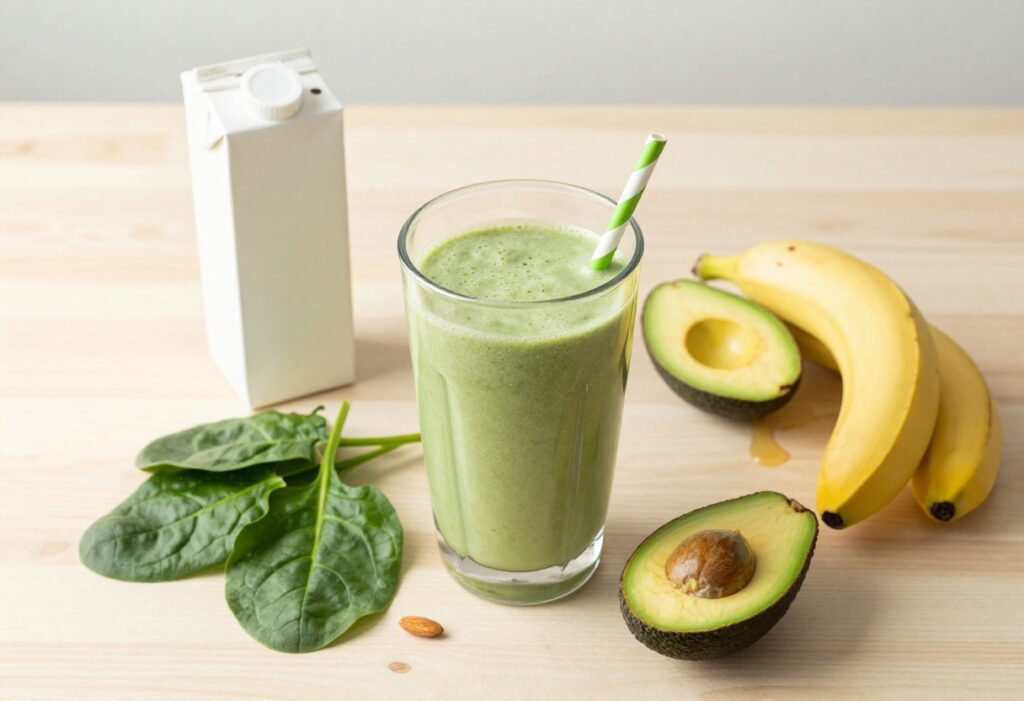
If you've been told that diet doesn't affect acne, you might be surprised to learn that what you eat can play a supporting role in skin health. While no single food causes or cures breakouts, a balanced diet rich in anti-inflammatory and low-glycemic foods may help reduce flare-ups.
The key is building meals that nourish your body without triggering the pathways that lead to acne. This guide focuses on creating balanced plates that fit an anti-acne eating pattern.
Instead of a restrictive list of forbidden foods, you'll learn how to combine proteins, carbs, fats, and vegetables in a way that supports clear skin. The goal is not perfection but consistency—small, sustainable changes that add up over time.
What Makes a Plate Anti-Acne Friendly?
An anti-acne plate is not about deprivation—it's about choosing foods that support skin health while keeping blood sugar stable and inflammation low. The goal is to build meals that nourish your body and help reduce breakouts without making you feel restricted.
The foundation of an anti-acne diet rests on three key principles: low glycemic load, anti-inflammatory nutrients, and balanced macronutrients. When these are combined, they help regulate hormones, reduce sebum production, and calm skin inflammation.
Key Elements of an Anti-Acne Plate
- Low glycemic load: Choose whole grains, legumes, and non-starchy vegetables to prevent blood sugar spikes that can trigger acne.
- Anti-inflammatory foods: Include omega-3-rich sources like salmon, walnuts, and flaxseeds, plus colorful vegetables packed with antioxidants.
- Balanced macronutrients: Aim for a mix of lean protein, healthy fats, and complex carbs to keep you full and your skin clear.
- Avoid common triggers: Limit high-sugar foods, dairy, and refined carbohydrates that may exacerbate breakouts for some people.
Beyond these basics, certain nutrients stand out for their skin-supporting roles. Zinc helps regulate oil production and reduce inflammation, while antioxidants like vitamins C and E protect skin cells from damage. Omega-3 fatty acids also play a crucial part in calming inflammatory responses that can lead to acne.
A Note on Glycemic Load
Glycemic load (GL) is a more practical measure than glycemic index because it accounts for portion size. A plate with a low GL keeps insulin levels steady, which may help reduce acne flare-ups. For example, a small sweet potato (low GL) is a better choice than a large white potato (higher GL).
The Core Components of a Balanced Anti-Acne Plate
Building an anti-acne plate doesn't require complicated rules or expensive ingredients. The key is balancing three macronutrients—protein, carbs, and fats—while packing in colorful vegetables for antioxidants. Here's how to assemble each component.
Lean Proteins for Skin Repair
Protein provides the amino acids your body needs to repair skin tissue and produce collagen. Choose lean sources that don't spike inflammation. Good options include grilled chicken, turkey, fish (especially salmon for omega-3s), eggs, tofu, and legumes like lentils or chickpeas.
Aim for a palm-sized portion (about 3–4 ounces) per meal.
Complex Carbohydrates for Steady Energy
Carbohydrates are not the enemy—but the type matters. High-glycemic carbs (white bread, sugary snacks) can trigger insulin spikes that worsen acne. Instead, choose complex carbs that digest slowly: quinoa, brown rice, sweet potatoes, oats, or whole-grain pasta.
A fist-sized portion is a good guideline.
Healthy Fats to Reduce Inflammation
Healthy fats help calm inflammation and support hormone balance. Include sources like avocado, olive oil, nuts (almonds, walnuts), seeds (chia, flax), and fatty fish. A thumb-sized portion of oil or a small handful of nuts is enough per meal.
Colorful Vegetables for Antioxidants
Vegetables are the star of an anti-acne plate. They provide fiber, vitamins, and antioxidants that fight oxidative stress and support detoxification. Aim to fill half your plate with a variety of colors: leafy greens (spinach, kale), bell peppers, broccoli, carrots, tomatoes, and zucchini.
The more colors, the broader the nutrient range.
A simple way to visualize your plate: half vegetables, a quarter lean protein, and a quarter complex carbs, with healthy fats added through cooking or toppings. This balanced approach supports stable blood sugar, reduces inflammation, and provides the nutrients your skin needs to stay clear.
Building Your Plate: A Step-by-Step Guide
Forget rigid rules and complicated meal plans. Building an anti-acne plate is simple when you follow this logical order. Start with vegetables, add protein, choose carbs wisely, include healthy fats, and finish with flavor.
Here's how to do it step by step.
Step 1: Start with Vegetables
- Aim for 2 cups of raw leafy greens or 1 cup of cooked vegetables per meal.
- Rotate colors to get a variety of nutrients: dark green, red, orange, and purple.
Step 2: Add a Lean Protein
- Grilled chicken, turkey, fish (especially salmon or mackerel for omega-3s), eggs, tofu, tempeh, or legumes.
- Portion size: about the size and thickness of your palm (3–4 ounces for meat, 1/2 cup for legumes).
Step 3: Choose Carbohydrates Wisely
- Quinoa, brown rice, sweet potato, oats, whole-grain bread, or lentils.
- Keep portions to about 1/2 cup cooked, or a fist-sized amount.
Step 4: Include Healthy Fats
- Avocado, olive oil, nuts, seeds (chia, flax, pumpkin), or a small handful of almonds.
- Stick to 1–2 tablespoons of oil or 1/4 avocado per meal.
Step 5: Add Flavor with Herbs and Spices
- Turmeric, ginger, garlic, cinnamon, basil, oregano, rosemary, or lemon juice.
- These add antioxidants and anti-inflammatory compounds.
Portion Control and Meal Timing
Portion control is about balance, not deprivation. Use your plate as a guide: 1/2 vegetables, 1/4 protein, 1/4 carbs, plus a small amount of healthy fat. As for timing, aim to eat every 3–4 hours to maintain stable blood sugar.
A typical schedule might be breakfast, lunch, dinner, and one small snack if needed. Avoid eating large meals late at night, as this can disrupt sleep and hormone balance.
Sample Balanced Plates for Breakfast, Lunch, and Dinner
Putting theory into practice, here are three balanced meal ideas that follow anti-acne diet principles. Each plate includes protein, healthy fats, complex carbs, and plenty of vegetables to support clear skin and stable blood sugar.
Breakfast: Berry and Spinach Smoothie Bowl
Start your day with a nutrient-packed smoothie bowl that's low-glycemic and anti-inflammatory. Blend 1 cup spinach, 1/2 cup frozen berries, 1/2 banana, 1 tablespoon chia seeds, and 1 cup unsweetened almond milk. Pour into a bowl and top with 2 tablespoons chopped almonds, 1 tablespoon unsweetened coconut flakes, and a few extra berries.
This meal provides fiber, antioxidants, omega-3s, and protein to keep you full until lunch.
Lunch: Grilled Salmon Salad with Quinoa
For lunch, enjoy a hearty salad that combines lean protein, whole grains, and colorful veggies. Grill a 4-ounce salmon fillet seasoned with lemon juice, garlic, and dill. Serve over 1 cup cooked quinoa, 2 cups mixed greens, cherry tomatoes, cucumber, and avocado.
Drizzle with a simple vinaigrette made from olive oil, lemon juice, and a pinch of salt. Salmon provides anti-inflammatory omega-3s, quinoa offers slow-digesting carbs, and the vegetables add fiber and vitamins.
Dinner: Stir-Fried Tofu with Vegetables and Brown Rice
This plant-based dinner is quick, versatile, and packed with skin-friendly nutrients. Press and cube 4 ounces firm tofu, then stir-fry in a teaspoon of sesame oil until golden. Add 1 cup broccoli florets, 1/2 red bell pepper sliced, and 1/2 cup snap peas.
Cook for 3-4 minutes, then add a sauce made from 1 tablespoon low-sodium tamari, 1 teaspoon grated ginger, and a splash of rice vinegar. Serve over 3/4 cup cooked brown rice. Tofu provides complete protein, vegetables offer fiber and antioxidants, and brown rice supplies complex carbs.
Foods to Emphasize and Foods to Limit
Knowing which foods help calm inflammation and which can trigger breakouts is key to building an anti-acne plate. The goal isn't to cut out everything you enjoy—it's to prioritize skin-supporting choices while being mindful of the ones that may work against you.
Foods to Emphasize
These foods are rich in anti-inflammatory compounds, low on the glycemic index, and packed with nutrients that support skin health.
- Leafy greens (spinach, kale, Swiss chard): High in vitamins A, C, and antioxidants that reduce inflammation and support skin repair.
- Berries (blueberries, strawberries, raspberries): Loaded with polyphenols and vitamin C to fight oxidative stress.
- Fatty fish (salmon, mackerel, sardines): Excellent source of omega-3 fatty acids, which lower inflammation and regulate sebum production.
- Nuts and seeds (walnuts, flaxseeds, chia seeds, almonds): Provide healthy fats, zinc, and vitamin E—all essential for clear skin.
Why They Help
These foods work by reducing systemic inflammation, stabilizing blood sugar, and providing the building blocks for healthy skin cell turnover. For example, omega-3s in fatty fish help lower levels of inflammatory markers like IL-1 and TNF-alpha, while the fiber in leafy greens and berries supports a healthy gut microbiome—another factor linked to acne.
Foods to Limit
Certain foods can spike blood sugar, increase inflammation, or disrupt hormones, potentially worsening acne. Limiting them—not eliminating—can make a noticeable difference.
- Dairy (milk, cheese, yogurt): Some studies link dairy to increased acne, possibly due to hormones or IGF-1 content. Try unsweetened almond or oat milk as alternatives.
- High-sugar foods (soda, candy, pastries): Rapidly raise blood sugar and insulin, promoting inflammation and sebum production. Swap for fruit when you crave something sweet.
- Refined carbs (white bread, white rice, pasta): Similar effect to sugar—choose whole grains like quinoa, brown rice, or whole-wheat bread instead.
- Processed snacks (chips, crackers, fast food): Often high in unhealthy fats, sugar, and salt, which can trigger inflammatory pathways.
Smart Alternatives
Instead of feeling restricted, focus on swaps: reach for a handful of almonds instead of potato chips, or enjoy a bowl of berries with a dollop of coconut yogurt instead of ice cream. Small changes add up without making you feel deprived.
Tips for Staying Consistent Without Feeling Deprived
Consistency is key when following an anti-acne diet, but it doesn't have to mean strict rules or constant sacrifice. By adopting a few practical strategies and a flexible mindset, you can stick with your eating plan while still enjoying your meals and social life.
Embrace Meal Prep as Your Ally
Spending a couple of hours each week prepping ingredients can make a huge difference. Wash and chop vegetables, cook grains like quinoa or brown rice, and portion out snacks like nuts and fruit. When you have ready-to-go components, building a balanced plate takes minutes, reducing the temptation to grab less skin-friendly options.
Make Smart Swaps, Not Sacrifices
You don't have to give up your favorite foods—just tweak them. Swap white rice for cauliflower rice, use Greek yogurt instead of sour cream, or choose dark chocolate over milk chocolate. These small changes reduce glycemic load and inflammatory ingredients while keeping meals satisfying.
Other Simple Swaps
- Use avocado or hummus instead of butter or mayo.
- Opt for sparkling water with lemon instead of soda.
- Choose whole fruit over fruit juice to keep fiber intact.
- Replace sugary dressings with olive oil and vinegar.
Allow Treats Occasionally
A strict ban on treats often backfires. Instead, plan for occasional indulgences—like a small piece of dark chocolate or a homemade smoothie bowl. This prevents feelings of deprivation and helps you stay on track long-term.
The key is moderation and mindful enjoyment, not guilt.
Listen to Your Body
Your body knows what it needs. Pay attention to how different foods make you feel—your energy, digestion, and skin. If you notice a particular food triggers breakouts, you can choose to avoid it, but if you tolerate something well, there's no need to cut it out.
This personalized approach makes the diet feel less like a chore and more like self-care.
Mindset Shift
Instead of focusing on what you can't eat, celebrate all the delicious, skin-friendly foods you can enjoy. A positive mindset reduces stress (which can worsen acne) and makes consistency feel effortless.
FAQ
Can I eat dairy on an anti-acne diet?
Some people find that dairy, especially skim milk, can worsen acne. If you suspect dairy is a trigger, try eliminating it for a few weeks and see if your skin improves. There are plenty of dairy-free alternatives like almond milk, coconut yogurt, and vegan cheese.
How quickly will dietary changes affect my skin?
It varies. Some people notice improvements within a few weeks, while others may take a couple of months. Consistency is more important than speed.
Remember that diet is just one factor; stress, hormones, and skincare routine also play roles.
Do I need to take supplements?
A balanced diet should provide most nutrients. However, some people benefit from supplements like zinc, omega-3s, or vitamin D. Always consult a healthcare professional before starting any supplement.
Is it okay to have cheat meals?
Absolutely. An anti-acne diet doesn't mean you can never enjoy your favorite foods. The occasional treat is unlikely to cause a breakout, especially if your overall diet is balanced.
Focus on what you eat most of the time, not the occasional indulgence.
Conclusion
Building balanced plates that fit an anti-acne diet is about choosing whole, nutrient-dense foods most of the time. By focusing on lean proteins, complex carbs, healthy fats, and plenty of vegetables, you can create meals that support your skin and overall health. Remember, there's no one-size-fits-all approach—pay attention to how your body responds and adjust accordingly.
Consistency, not perfection, is the goal. Small changes like swapping refined grains for quinoa or adding a handful of spinach to your smoothie can make a difference over time.

Dr. Pallab Kishore, MS in Orthodontics and owner of Orthodontic Braces Care, shares expert tips on braces, aligners, and oral health from 10+ years of experience.