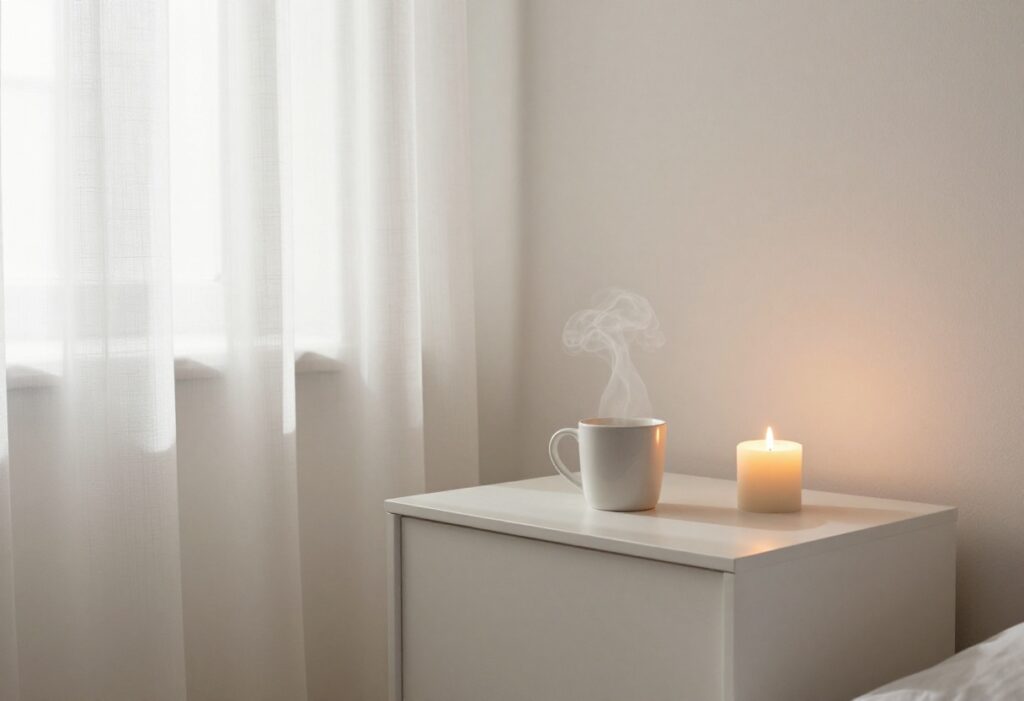
Peaceful daily living isn't about grand overhauls—it's the quiet moments you protect. These 23 aesthetic self-care tips are designed to weave calm into your routine without demanding extra time.
Each one targets a specific friction point, from morning chaos to evening restlessness, offering a simple swap that feels intentional. Start with one that resonates today, and let the small shifts build a more serene rhythm.
No pressure, just permission to slow down and savor the everyday.
1. Start Your Morning with a Ritual, Not a Rush
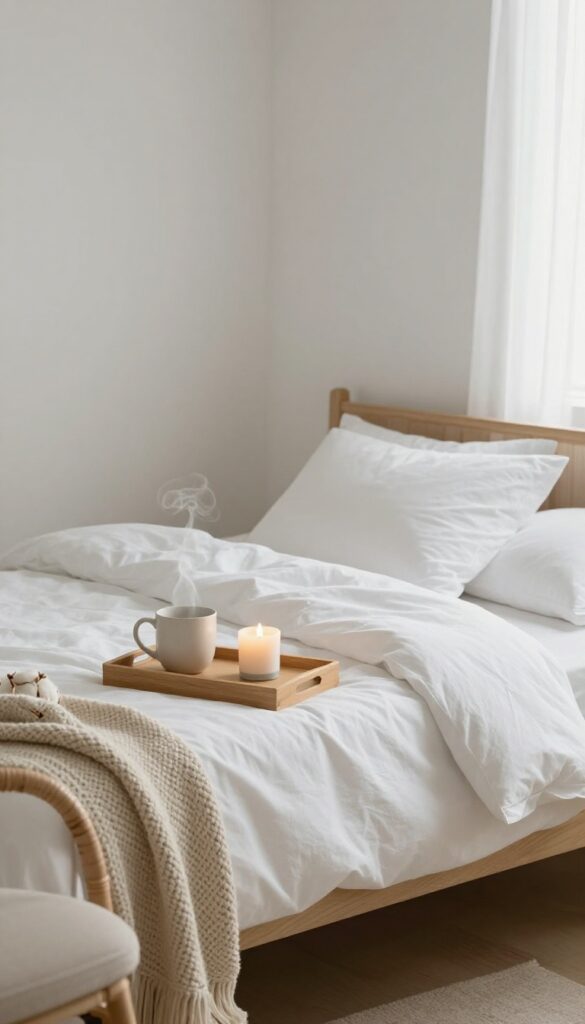
The way you start your morning sets the tone for the entire day. Instead of jolting awake to a blaring alarm and immediately grabbing your phone, try replacing that frantic energy with a slow, intentional ritual. It doesn't have to be long—just a few minutes of calm can shift your mindset from reactive to peaceful.
A morning ritual is any small, repeatable act that you do with full presence before the demands of the day kick in. It could be lighting a candle, stretching for two minutes, or sipping a warm drink in silence. The key is to avoid multitasking or reaching for your phone during this time.
This simple practice trains your brain to start the day from a place of calm rather than chaos.
Choose One Simple Act
Pick just one thing that feels soothing, not like another chore. It might be brewing a cup of tea, writing three things you're grateful for, or doing a few gentle yoga poses. Keep it short and consistent—even five minutes counts.
Create A Cozy Environment
Set up a small corner in your bedroom or living room with items that signal relaxation: a soft blanket, a candle, a pretty mug. When you sit there each morning, your brain will quickly associate that space with peace.
Delay Your Phone
Commit to not checking your phone for the first 10–15 minutes of your day. Notifications can wait. This small boundary protects your morning calm and helps you stay present with your ritual.
2. Curate a Calming Playlist for Daily Tasks
Music has a quiet way of shifting your mood without you even noticing. A carefully chosen playlist can turn a sink full of dishes into a moment of peace rather than a chore. The trick is picking tracks that support calm focus, not distraction.
Start by selecting instrumental or ambient music with a steady, gentle rhythm. Avoid songs with strong emotional hooks or lyrics that pull your attention away. Think soft piano, acoustic guitar, or nature sounds blended with light beats.
The goal is a backdrop that soothes without demanding anything from you.
Match The Tempo To The Task
For high-energy chores like vacuuming or organizing, choose slightly upbeat but still mellow tracks. For winding-down activities like folding laundry or journaling, slower, more spacious instrumentals work better. Let the music guide your pace naturally.
Keep It Separate From Your Main Library
Create a dedicated playlist just for daily tasks. This prevents decision fatigue and keeps your calm zone distinct from workout mixes or party playlists. Name it something simple like "Daily Calm" or "Morning Flow" so it's easy to grab.
Refresh It Seasonally
Even the most beautiful playlist can grow stale. Every few months, swap in a few new tracks to keep the experience fresh. Your ears will thank you, and the novelty can rekindle that peaceful feeling.
3. Adopt a 'One Touch' Rule for Clutter
Clutter doesn't just crowd your space—it crowds your mind. The 'one touch' rule is a simple commitment: when you pick something up, you deal with it immediately. No setting it down to handle later.
No shuffling piles from one spot to another. This tiny habit transforms your environment into a calm, orderly sanctuary.
The beauty of this rule is its simplicity. It removes the mental load of remembering to put things away later. Over time, it becomes automatic, and you'll notice how much clearer your space—and your head—feels.
Start Small With One Surface
Pick one surface that tends to collect clutter—your nightstand, kitchen counter, or desk. For one week, enforce the one touch rule there. Every item you pick up gets returned to its home immediately.
You'll be surprised how quickly that clear space becomes a visual anchor for calm.
Create A Landing Zone For Daily Items
The one touch rule works best when your essentials have a designated spot. Set up a small tray or basket by the door for keys, wallet, and phone. When you walk in, one touch places them there.
When you leave, one touch grabs them. No hunting, no piling.
Pair It With A 60-second Reset
At the end of your day, do a quick sweep of your main living area. Put away anything that's out of place—one touch per item. It takes less than a minute and resets your space for a peaceful morning.
This tiny ritual signals to your brain that the day is done.
4. Create a Dedicated Tea or Coffee Corner
There's something grounding about the ritual of making a warm drink. By carving out a small, intentional space for it, you turn a mundane habit into a daily moment of calm. A dedicated tea or coffee corner invites you to pause, breathe, and savor—no rush required.
A tea or coffee corner doesn't need much—just a tray, your favorite mug, a kettle, and a few tea bags or beans. Place it somewhere you naturally pass, like a kitchen counter or a side table. The visual cue alone will remind you to slow down.
Keep it tidy and personal: add a small plant, a pretty coaster, or a handwritten note. This tiny ritual can become a cherished anchor in your day.
Choose Your Spot
Pick a location that feels natural and accessible. A corner of the kitchen counter, a shelf in the living room, or even a small cart on wheels. The key is visibility—if it's out of sight, you'll forget to use it.
Curate Your Tools
Invest in a mug that feels good in your hands. Pick a kettle that boils quickly and quietly. Stock a few of your favorite teas or coffee beans in a pretty jar.
Keep everything within arm's reach so the ritual flows effortlessly.
Add A Personal Touch
Make it yours. A small vase with a fresh flower, a candle, or a tiny tray for a spoon. These details make the corner feel special and invite you to linger a little longer.
5. Use a Weekly 'Wind-Down' Playlist

Your brain loves patterns. By creating a dedicated playlist for Sunday evenings or after work, you train your mind to recognize when it's time to shift gears. The right music acts like a gentle cue, easing you out of productivity mode and into rest.
Curating a wind-down playlist is more than just picking relaxing songs. It's about building a ritual that signals your nervous system to slow down. Keep it consistent—same time, same vibe—and soon your body will start relaxing the moment the first track plays.
Choose Your Vibe
Think about what helps you unwind. Instrumental acoustic, ambient nature sounds, or lo-fi beats work well for most. Avoid songs with strong emotional memories or lyrics that engage your brain too much.
The goal is background calm, not active listening.
Keep It Short And Repeatable
Aim for 30 to 45 minutes of music. That's enough time to signal relaxation without demanding a huge commitment. Use the same playlist each week, so the repetition reinforces the habit.
Over time, just pressing play will trigger a peaceful response.
Pair It With A Simple Ritual
Make the playlist part of a small wind-down routine. Light a candle, brew a cup of herbal tea, or stretch for a few minutes. The combination of music and a calming action deepens the relaxation effect and helps you transition smoothly into evening.
6. Practice the Art of Single-Tasking
We live in a world that glorifies doing it all at once, but the cost is a scattered mind and a restless heart. Single-tasking is the antidote: giving one activity your full attention, whether it's sipping tea, folding a shirt, or reading a page. When you stop splitting your focus, you'll notice the texture, the warmth, the small details you usually miss.
This isn't about productivity—it's about reclaiming the peace that comes from being fully present in a single moment.
Choose one everyday task and commit to doing it without checking your phone, thinking about your to-do list, or planning your next move. Just be with the task. You might pick something simple like washing a few dishes or brushing your hair.
The goal is to notice how the activity feels, smells, and looks. Over time, this practice trains your brain to settle into the now, reducing anxiety and increasing enjoyment. Start with five minutes a day and watch your mind grow quieter.
Why Multitasking Hurts Your Peace
Multitasking isn't efficient—it's just rapid task-switching that drains mental energy. Each switch triggers a tiny stress response, leaving you feeling frazzled and less satisfied. By contrast, single-tasking lowers cortisol and helps you enter a flow state where time slows down and calm deepens.
Easy Single-tasking Rituals
Try eating a meal without any screens. Notice the colors, textures, and flavors. Or fold laundry while paying attention to the warmth of the fabric and the neat folds.
Even walking from one room to another can be a single-tasking moment if you focus on the sensation of your feet hitting the ground.
How To Stay On Track
Set a timer for 10 minutes and commit to one activity only. If your mind wanders, gently bring it back without judgment. Keep your phone in another room.
Over time, this practice becomes a soothing ritual that signals to your brain: it's safe to slow down.
7. Incorporate a Daily 'Scent Anchor'
Your sense of smell is a direct line to your brain's emotional center. A single familiar scent can trigger instant calm—no meditation app required. That's where a daily 'scent anchor' comes in: a signature fragrance you use to signal the start of your self-care time.
Choose something that feels personal, like a lavender diffuser, a vanilla candle, or a spritz of your favorite essential oil. Over time, your brain will associate that scent with relaxation, making it easier to slip into a peaceful state the moment you smell it.
A scent anchor works because of a simple brain trick called associative learning. When you consistently pair a specific aroma with a relaxing activity, your brain starts to link the two. Soon, just catching that scent can lower your heart rate and signal that it's time to unwind.
It's a low-effort way to create a ritual that feels both luxurious and grounding.
Pick Your Signature Scent
The best scent anchor is one you genuinely love and won't tire of. Think about scents that already make you feel calm—maybe fresh linen, warm vanilla, or cedarwood. Try a few samples before committing.
A diffuser with a few drops of essential oil is a great start because it's subtle and lasts for hours. Candles work too, but be mindful of safety if you'll be stepping away.
Build The Ritual
Consistency is key. Light your candle or turn on your diffuser at the same time each day—right after your morning coffee, before your evening bath, or whenever you set aside for yourself. Pair it with a simple action like closing your eyes and taking three deep breaths.
That repetition is what trains your brain to switch into relaxation mode.
Make It Portable
Your scent anchor doesn't have to stay at home. A small rollerball of your favorite essential oil blend or a scented handkerchief can travel with you. Use it before a stressful meeting, during a commute, or anytime you need a quick reset.
The familiar scent will feel like a tiny pocket of peace wherever you go.
8. Keep a Small Nature Element on Your Desk
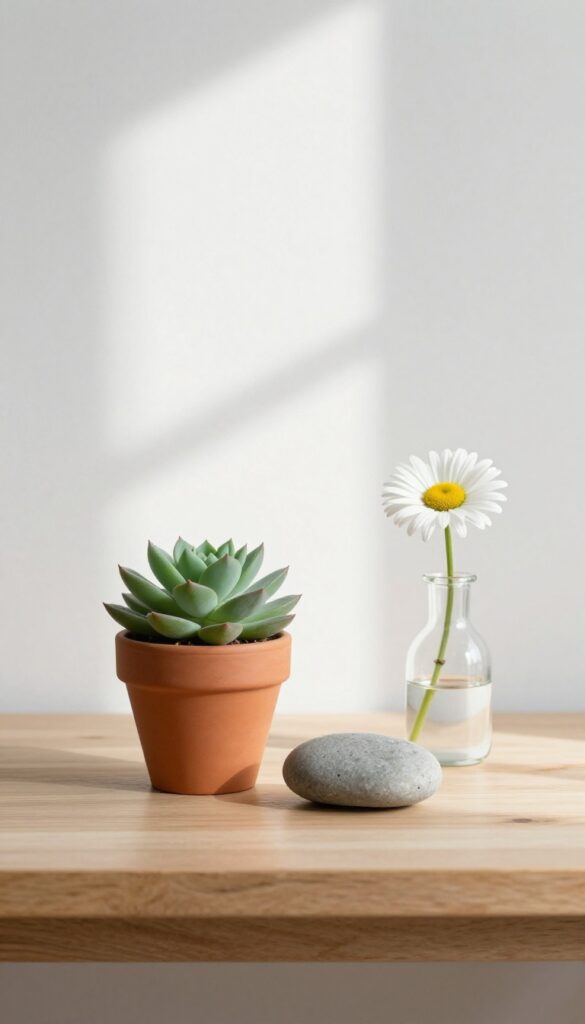
Your workspace can easily become a source of stress, but a tiny piece of nature changes the energy entirely. A small succulent, a smooth stone, or a single flower in a vase brings the outdoors inside, grounding you whenever your eyes land on it. It doesn't need to be elaborate or expensive.
Just one natural object on your desk acts as a visual anchor, reminding you to breathe and slow down between tasks.
Why It Works
Nature has a calming effect on our nervous system. Even a brief glance at something organic—like a leaf or a pebble—can lower stress and improve focus. It's a gentle reset for your brain.
Easy Options To Try
A small succulent or air plant requires almost no care. A smooth river stone or a piece of driftwood adds texture without maintenance. A single fresh flower in a tiny vase brings color and fragrance.
Pick what feels right for you.
Where To Place It
Keep it within your line of sight but not in your way. A spot near your monitor or beside your keyboard works well. The idea is to see it naturally throughout the day, not to have to search for it.
9. Set a Digital Sunset Time
The glow of a screen late at night tricks your brain into thinking it's still daytime, disrupting your natural wind-down cycle. A digital sunset is a fixed time each evening when you power down all devices, giving your mind a clear signal that the day is over. That reclaimed hour becomes a sanctuary for slow, screen-free rituals.
Choose a time that feels realistic—maybe 9 or 10 PM—and stick to it. The first few nights might feel strange, but soon your brain will anticipate this quiet break. Use the time for reading, journaling, or simply sitting with your thoughts.
The absence of blue light helps your body produce melatonin, making sleep come easier and deeper.
Create A Wind-down Ritual
Replace scrolling with a simple sequence: dim the lights, light a candle, and pick up a book or notebook. The repetition trains your brain to shift into rest mode, making the transition feel natural rather than forced.
Charge Devices Outside The Bedroom
Keep your phone and laptop out of reach overnight. This eliminates the temptation to check notifications and removes the subtle pressure of being available 24/7. Your bedroom becomes a true rest zone.
10. Create a 'Cozy Corner' for Quiet Moments
Having a dedicated spot to unwind can transform how you reset. A cozy corner doesn't need much—just a comfortable seat, soft lighting, and a blanket that invites you to pause. This small space becomes your sanctuary for reading, meditating, or simply staring out the window without guilt.
Choose a chair, floor cushion, or window nook where you can sit comfortably. Add a plush throw and a warm lamp or string lights. Keep a small tray for a cup of tea or a journal.
This corner is off-limits for work or screens—it's purely for quiet moments. Even five minutes here can lower stress and bring peace.
Pick The Right Spot
Look for a quiet area with natural light if possible. A corner of your bedroom, a reading nook in the living room, or even a padded window seat works. Avoid high-traffic zones so you won't be interrupted.
Set The Mood
Soft lighting is key. Use a warm-toned lamp or fairy lights. Add a textured blanket and a pillow for comfort.
A small plant or a candle can make the space feel intentional and calming.
Keep It Simple
Don't overfill the corner. A basket with a book or two, a journal, and maybe a mug is enough. The goal is to create an inviting spot that encourages you to sit and breathe, not a cluttered area that feels like work.
11. Use a Gratitude Journal with Beautiful Prompts
Ending your day on a grateful note can shift your entire perspective, but the journal itself matters too. When your notebook feels special—with soft paper, elegant covers, or thoughtful prompts—you're more likely to stick with the habit. It turns a simple exercise into a ritual you look forward to.
Choose a journal that sparks joy every time you open it. Look for one with thick, cream-colored pages, a ribbon bookmark, and maybe a floral or minimalist cover. The prompts can be simple: "What made you smile today?
" or "Who are you grateful for? " Keep it short—three entries per evening is plenty. Over time, this small practice rewires your brain to notice the good more often.
Why Aesthetic Matters
A beautiful journal isn't frivolous—it's a visual cue that invites you to pause. When your gratitude practice feels luxurious, you're more motivated to show up. The tactile pleasure of smooth paper and a fine pen can make the act itself calming.
How To Choose Your Prompts
Look for journals that offer varied prompts each day, or create your own set. Mix specific questions ("What's a small pleasure you experienced? ") with broader ones ("What relationship are you thankful for?
"). Rotating prompts keeps the practice fresh and prevents it from feeling like a chore.
Making It A Evening Ritual
Pair your journaling with a consistent cue, like after brushing your teeth or right before turning off the lights. Light a candle or play soft music to signal your brain that it's time to wind down. Keep the journal on your nightstand so it's always within reach.
12. Master the Art of the Slow Sip

Rushing through your morning coffee is a missed opportunity for calm. The simple act of slowing down your first drink of the day can set a peaceful tone that carries through everything else. It's not about the caffeine—it's about giving yourself a few minutes of undivided attention.
Instead of gulping your morning coffee, sit down and take small, mindful sips. Focus on the warmth of the mug, the aroma, and the flavor. This turns a routine habit into a grounding ritual that wakes up your senses gently.
Choose Your Vessel
The mug matters. Pick one that feels good in your hands—maybe ceramic with a smooth glaze or a handmade piece with slight imperfections. A favorite mug adds a layer of comfort and makes the experience feel more intentional.
Engage All Senses
Before you sip, pause. Notice the steam rising, the color of the liquid, the sound as you lift the cup. Take a moment to breathe in the scent.
Then take a small sip and let it linger on your tongue. This full sensory engagement anchors you in the present.
Set A Timer If Needed
If you're prone to rushing, set a five-minute timer and commit to sitting until it goes off. No phone, no to-do list—just you and your drink. This small boundary protects the ritual from the chaos of the morning.
13. Swap Harsh Lighting for Warm Lamps
The shift from bright overhead lights to soft, warm lamps in the evening does more than change the look of a room—it changes how you feel. Harsh lighting keeps your brain in alert mode, while warm, dimmer light signals it's time to unwind. This simple swap can turn a chaotic evening into a calm, intentional wind-down.
Overhead lights often cast a cold, clinical glow that works for tasks but not for relaxation. By replacing them with warm-toned lamps (around 2700K), you create a cozy cocoon that encourages your body to produce melatonin naturally. Place lamps in corners or on side tables to soften shadows and reduce glare.
Choose The Right Bulb
Look for bulbs labeled 'warm white' or 'soft white' with a color temperature between 2200K and 2700K. Dimmable options let you adjust brightness throughout the evening. Avoid blue-light emitting LEDs, which interfere with sleep.
Layer Your Lighting
Instead of one central light, use multiple lamps at different heights—a floor lamp, a table lamp, and maybe a salt lamp. This creates depth and a gentle, ambient glow that feels more natural and less harsh.
Make It A Ritual
Turn off overhead lights and switch on your lamps at the same time each evening. Pair this with a calming activity like reading or stretching. Over time, your brain will associate the warm light with relaxation, making it easier to transition into sleep mode.
14. Adopt a 'No Phone' First Hour Rule
The first hour after waking sets the tone for your entire day. Yet many of us immediately reach for our phones, flooding our minds with notifications, emails, and social media before we've even had a sip of water. This habit puts us in a reactive state from the moment we open our eyes.
Keeping your phone on silent for the first hour after waking gives you a precious window of calm. Use that time to stretch, journal, or simply sit with your thoughts. You'll start the day feeling centered rather than scattered, and you'll carry that peace into everything that follows.
Why The First Hour Matters
Your brain's alpha waves are most active right after waking, making you more receptive to calm, creative thoughts. Jumping straight into phone mode disrupts this natural state and spikes cortisol. Protecting that hour helps you ease into the day with clarity.
What To Do Instead
Try gentle stretching, writing three things you're grateful for, or enjoying your coffee in silence. Even five minutes of deep breathing can shift your mindset. The key is to do something that feels nourishing, not productive.
Making It Stick
Charge your phone outside the bedroom or use a dedicated alarm clock. Tell yourself you can check your phone after breakfast or once you're dressed. Small boundaries make it easier to resist the urge.
15. Create a Weekly 'Reset' Routine
Life gets messy, and even the most organized spaces slowly drift toward chaos. That's where a weekly reset comes in—a short, intentional block of time to bring things back to baseline. It's not about deep cleaning; it's about resetting the visual and mental clutter so you can start each week fresh.
Set aside just 30 minutes each week to tidy up, water your plants, and organize one small area. This simple habit prevents clutter from piling up and keeps your space serene. You'll be amazed at how much calmer you feel when your environment isn't shouting for attention.
Pick A Consistent Day And Time
Choose a day that feels natural—Sunday afternoon or Monday evening works well. Put it on your calendar like any other appointment. Consistency turns it into a rhythm, not a chore.
Focus On One Small Area
Don't try to tackle the whole house. Pick one drawer, a corner of your desk, or that pile of mail on the counter. Finishing a small task gives you a sense of accomplishment and motivates you to keep going.
Add A Calming Ritual
Light a candle, put on a playlist, or brew a cup of tea while you reset. Pairing the routine with something soothing makes it feel like self-care rather than a chore. Over time, you'll look forward to this quiet hour.
16. Use Aromatherapy During Baths or Showers
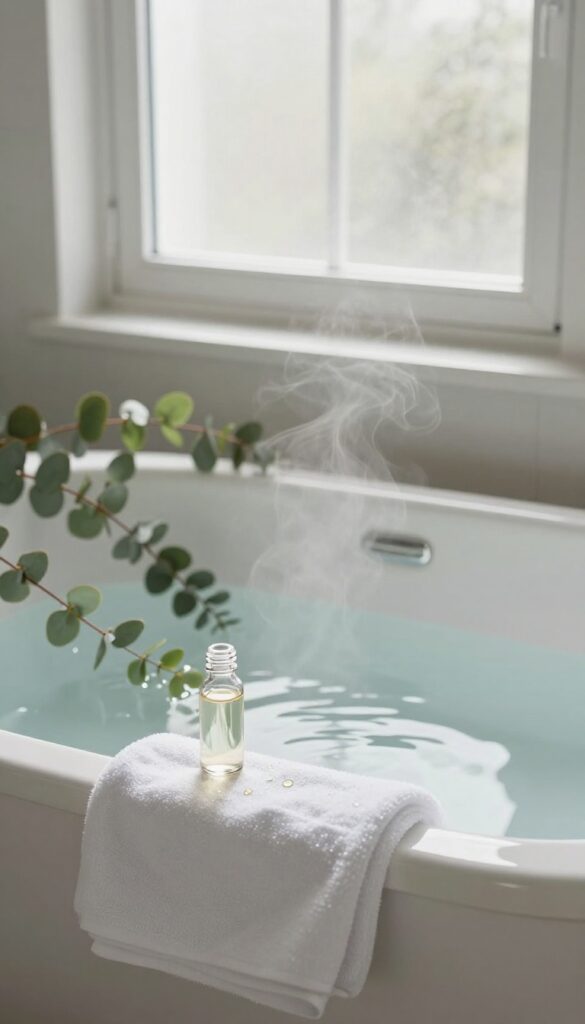
Your bathroom can easily double as a personal spa when you bring in the right scents. Aromatherapy works especially well with steam, which carries essential oils into the air and helps you breathe deeper and relax faster. It's a small addition that turns a routine rinse into a calming ritual.
Add a few drops of lavender or eucalyptus oil to your shower floor or bath. The steam carries the scent, turning a quick rinse into a spa-like experience.
Choose Your Scent Intentionally
Lavender is perfect for evening showers when you want to wind down. Eucalyptus works wonders in the morning to clear your sinuses and energize your mind. Keep a few bottles in your shower caddy so you can switch based on your mood.
Use A Carrier Oil For Sensitive Skin
Essential oils are potent, so dilute them with a carrier oil like jojoba or almond oil before adding to bathwater. This prevents irritation and leaves your skin feeling soft. For showers, place drops on a corner of the floor away from direct contact.
Create A Simple Steam Ritual
Turn the water as hot as you comfortably can, add your oil, and let the steam build for a minute before stepping in. Breathe slowly and deeply for a few breaths. It's a quick reset that costs nothing extra.
17. Keep a 'Calm Down' Box Handy
When stress hits, the last thing you want is to scramble for something that helps. A 'calm down' box puts your go-to soothing items in one place, ready when you need them. It's a small act of preparation that makes a big difference in those overwhelming moments.
Fill a small box or basket with items that help you reset—a stress ball, a favorite book, a scented sachet, or a playlist card. Keep it somewhere accessible, like your desk or nightstand. When you feel tension rising, reach for it instead of your phone.
What To Include
Think about what genuinely calms you. A smooth stone to hold, a mini journal for a quick brain dump, or a tea bag for a warm ritual. Add a handwritten note with a comforting phrase.
Rotate items seasonally to keep it fresh.
Where To Keep It
Place your box where you tend to feel overwhelmed—by your work desk, in the living room, or on your bedside table. The easier it is to grab, the more likely you'll use it. Out of sight often means out of mind.
When To Use It
No need to wait for a full meltdown. Use it during a tense email, after a difficult conversation, or just when you need a five-minute pause. The box is a permission slip to step back and breathe.
18. Practice 'Mindful Eating' for One Meal a Day
Most meals happen on autopilot—scrolling, watching, or rushing. That disconnect keeps you from truly nourishing yourself. Mindful eating flips the script by asking you to show up for just one meal a day.
It's not about what you eat but how you eat. By removing distractions and tuning into your senses, you transform a routine task into a grounding ritual. The result?
Better digestion, more satisfaction, and a quiet pause in your day.
Pick one meal—breakfast, lunch, or dinner—and commit to eating it without your phone, TV, or book. Sit at a table, even if it's just for ten minutes. Notice the colors on your plate, the texture of each bite, the aroma before you taste.
Chew slowly and put your fork down between bites. This isn't about finishing quickly; it's about experiencing the food fully.
Start Small With One Bite
If a whole meal feels daunting, begin with the first three bites. Take a moment before eating to appreciate the food's appearance and smell. Then eat those bites slowly, noticing how the flavors change.
This tiny practice builds the habit without pressure.
Engage All Five Senses
Before you dig in, pause. Look at the food—its colors, shapes, and arrangement. Inhale its scent.
Feel the temperature and texture as you lift it to your mouth. Listen to the crunch or softness as you chew. Tasting is just the finale.
Notice How You Feel
Halfway through, check in with your hunger and fullness. Are you still hungry or eating out of habit? Stop when you're comfortably satisfied, not stuffed.
This awareness helps you honor your body's cues and prevents overeating.
19. Decorate with Intentional, Minimal Decor
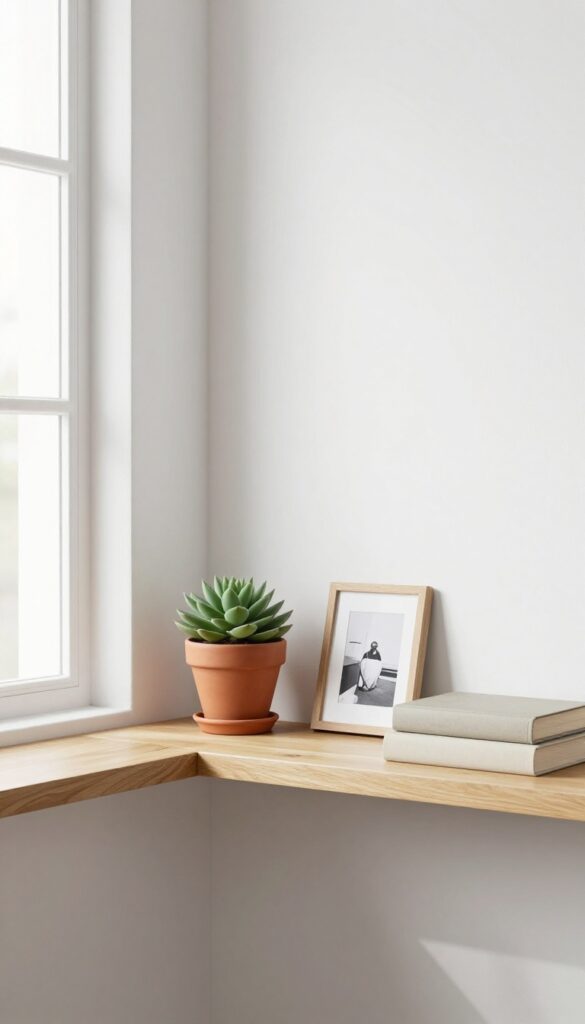
Your environment shapes your mental state more than you might realize. When every surface is cluttered, your brain has to work harder to filter out visual noise. Minimal decor isn't about stark emptiness—it's about giving your eyes a place to rest.
Choose a few meaningful pieces—a photo, a plant, a piece of art—and let them breathe. Empty space is visually calming. Each item becomes a deliberate anchor rather than background clutter.
This approach turns your home into a sanctuary where you can truly unwind.
The Power Of Empty Surfaces
Clear countertops and tables create a sense of order and possibility. They invite you to place a single object—a candle, a stack of books—that draws your attention and calms your mind. Resist the urge to fill every inch.
Choose Pieces That Spark Joy
Instead of buying decor because it's trendy, select items that hold meaning or bring a smile. A framed photo from a favorite trip, a small succulent, or a handmade ceramic bowl can carry more emotional weight than a dozen generic accessories.
Create Visual Breathing Room
Leave negative space around your chosen items. Group objects in odd numbers (three is a good rule) and vary heights for interest without clutter. This intentional arrangement allows each piece to stand out and contributes to a peaceful atmosphere.
20. Establish an Evening Stretching Routine
Your body holds onto the day's tension, often without you realizing it. A short, intentional stretching routine before bed helps release that buildup and signals your nervous system to shift into rest mode. It's a gentle way to close the day and invite deeper sleep.
Spend five minutes stretching before bed. Focus on releasing tension in your neck, shoulders, and hips. It signals your body that it's time to rest.
This simple practice can improve flexibility, reduce muscle stiffness, and create a calming ritual that eases the transition from wakefulness to sleep.
Why Nighttime Stretching Works
After a long day, your muscles naturally tighten from stress and prolonged sitting or standing. Gentle stretching activates the parasympathetic nervous system, which lowers your heart rate and cortisol levels. This physical cue helps your brain recognize that it's safe to unwind and prepare for sleep.
Three Key Areas To Target
Focus on your neck and shoulders, where most people hold tension from screen time or stress. Next, release your hips and lower back, which often tighten from sitting. Finally, stretch your hamstrings and calves to relieve any remaining stiffness and improve circulation.
Keep It Simple And Cozy
You don't need a full yoga sequence—just a few slow, deep stretches while lying in bed or on a mat. Dim the lights, maybe light a candle, and breathe deeply. Consistency matters more than duration, so aim for five minutes every night to build a soothing habit.
21. Use a 'Brain Dump' Notebook Before Sleep
Racing thoughts at bedtime are often just your brain trying to remember everything for tomorrow. A brain dump notebook gives those thoughts a place to land so your mind can actually rest. Keep a simple notebook and pen on your nightstand.
Each night, spend two minutes writing down whatever is floating around—worries, tasks, ideas, or random reminders. No structure needed, just get it out. This small ritual signals to your brain that it's safe to let go.
You'll fall asleep faster and wake up with a clearer head.
The act of writing before bed offloads mental clutter and creates a boundary between your waking and sleeping hours. It's a simple yet powerful self-care practice that costs nothing but a few minutes.
Why It Works
Your brain treats unfinished tasks as open loops, which keeps you alert. By writing them down, you externalize the load and tell your brain, 'I've got this covered. ' This reduces cognitive arousal and makes it easier to drift off.
How To Start Tonight
Grab any notebook—no need for a fancy journal. Set a timer for two minutes and write freely. Don't worry about spelling or organization.
Include anything from 'buy milk' to 'I'm worried about the meeting. ' The goal is release, not perfection.
Make It A Ritual
Pair your brain dump with a calming activity like sipping herbal tea or dimming the lights. Over time, the routine itself becomes a cue for relaxation. You'll look forward to that moment of letting go.
22. Create a Signature 'Good Night' Tea Blend
A calming bedtime ritual can be the anchor your evening needs. Instead of reaching for a store-bought tea bag, try mixing your own herbal blend with chamomile, lavender, and a touch of honey. The simple act of measuring and brewing becomes a nightly signal to your brain that it's time to unwind.
Crafting a personal tea blend is both creative and soothing. Start with a base of dried chamomile flowers for relaxation, add a pinch of lavender for its gentle floral notes, and finish with a drizzle of raw honey for sweetness. Store your mix in a small glass jar with a label—it turns a routine into a cherished ritual.
Why A Custom Blend Works
Pre-made teas often contain additives or lack the potency of fresh herbs. By blending your own, you control the flavor and strength. Plus, the process of mixing and smelling the herbs engages your senses, grounding you in the present moment.
How To Build Your Ritual
Set a consistent time each night—say, 30 minutes before bed. Boil water, measure one tablespoon of your blend into a teapot, and steep for five minutes. Pour into your favorite mug, hold it with both hands, and take slow sips while breathing deeply.
Simple Variations To Try
Feeling adventurous? Add dried rose petals for a romantic twist, or a slice of fresh ginger for warmth. If you prefer caffeine-free options, skip the honey and add a cinnamon stick.
The key is to experiment until the blend feels like yours.
23. End the Day with a 'Three Good Things' Reflection

Before sleep, think of three positive moments from your day—no matter how small. This trains your brain to focus on the good, shifting your mindset from what went wrong to what went right. It's a simple practice that takes just a minute but can transform your evening from restless to restful.
This nightly ritual is backed by research: actively recalling positive events boosts happiness and reduces stress. It doesn't have to be dramatic—a warm cup of tea, a kind text from a friend, or a peaceful moment in the garden all count. Over time, you'll notice your brain naturally scanning for the good throughout the day.
Why It Works
Our brains are wired to remember negative experiences more vividly (negativity bias). By intentionally recalling positive moments, you rewire your neural pathways to notice and savor the good. This practice, often called gratitude journaling, has been shown to improve sleep quality and overall well-being.
How To Make It A Habit
Keep a small notebook or a notes app on your nightstand. Before you turn off the light, jot down three things. They can be as simple as 'the sun felt warm on my face' or 'I finished a task I was dreading. ' Consistency matters more than length—even one sentence per item is enough.
What If You Can't Think Of Three?
Start with one. Or think of something you're looking forward to tomorrow. The goal isn't perfection—it's shifting your focus.
Over time, you'll find it easier to spot the bright spots. If you're really stuck, recall a small kindness you gave or received.
FAQ
What is aesthetic self-care?
Aesthetic self-care is about creating a visually pleasing and calming environment that supports your well-being. It combines small, beautiful rituals with intentional habits to make daily life feel more peaceful and grounded.
How do I start an aesthetic self-care routine?
Start with one or two tips that resonate with you, like creating a calming playlist or setting up a cozy corner. Gradually add more as they become habits. The key is consistency, not perfection.
Can aesthetic self-care be done on a budget?
Absolutely. Many tips, like single-tasking, mindful eating, or using a gratitude journal, cost nothing. Others, like swapping lighting or adding a plant, can be done affordably with thrifted or DIY items.
How long does it take to see results from these tips?
Some benefits, like a calmer morning, are immediate. Others, like reduced clutter or better sleep, build over a few days to weeks. The cumulative effect is a more peaceful daily life.
Do I need to follow all 23 tips?
No, pick the ones that feel right for your lifestyle. Even incorporating a few can make a noticeable difference. The goal is to enhance your peace, not add pressure.
Conclusion
Peaceful daily living isn't a destination—it's a series of small, intentional choices. These 23 aesthetic self-care tips are your toolkit for weaving calm into the fabric of your day. Start with one that sparks joy, and let it ripple outward.
You don't need a perfect routine, just a willingness to slow down and savor the beauty in the ordinary. Your peaceful life is already waiting—one small ritual at a time.